
Logo
IndianGlobalBlogsPublicationsPodcastsMarketAboutContact
Logo
IndianGlobalBlogsPublicationsPodcasts
7News
TN Minister Urges Farmers to Adopt Tech for Value Addition in DairyListen to the Farm, Not the Farmer—The New Productivity LensWhat’s Driving Change In Beverages, FMCG And Dairy in 2025ED begins money laundering probe in dairy investment fraud caseIndo-Brazil pact aims to boost cattle genetics and dairy yield

Indian Dairy News

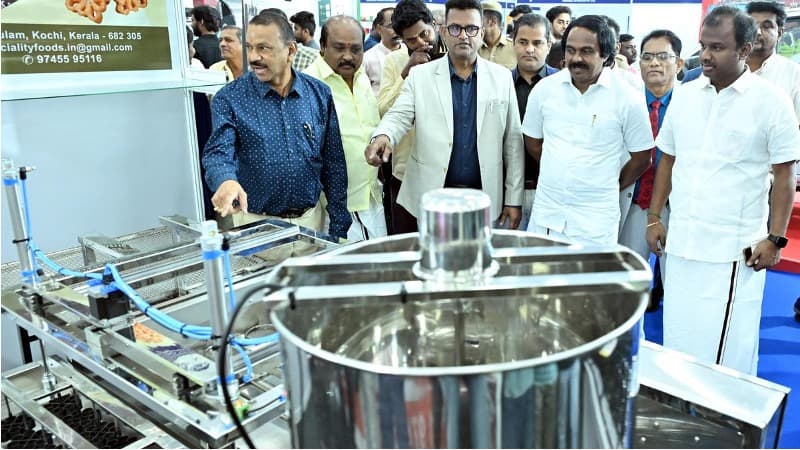
TN Minister Urges Farmers to Adopt Tech for Value Addition in Dairy
Dec 12, 2025

TN Minister Urges Farmers to Adopt Tech for Value Addition in Dairy

In Coimbatore this week, Tamil Nadu’s Minister for Milk and Dairy Development, Mano Thangaraj, called on dairy farmers to embrace modern technologies to boost productivity and value addition across th...Read More

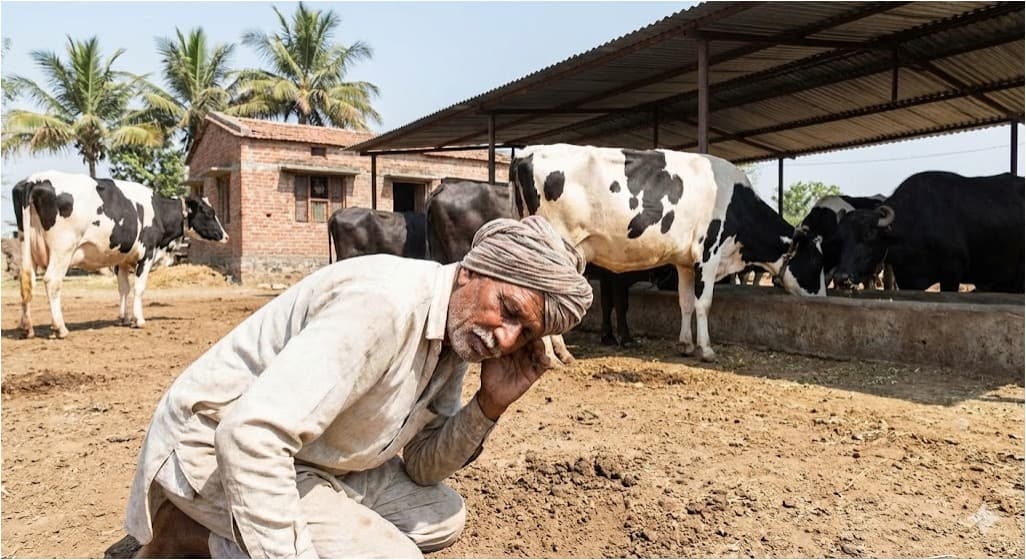
Listen to the Farm, Not the Farmer—The New Productivity Lens
Dec 12, 2025

Listen to the Farm, Not the Farmer—The New Productivity Lens

India’s dairy sector, valued at nearly $30 billion, has reached a point where incremental changes will not deliver the next breakthrough. For decades, improvement programs have focused on what farmers...Read More

What’s Driving Change In Beverages, FMCG And Dairy in 2025
Dec 12, 2025

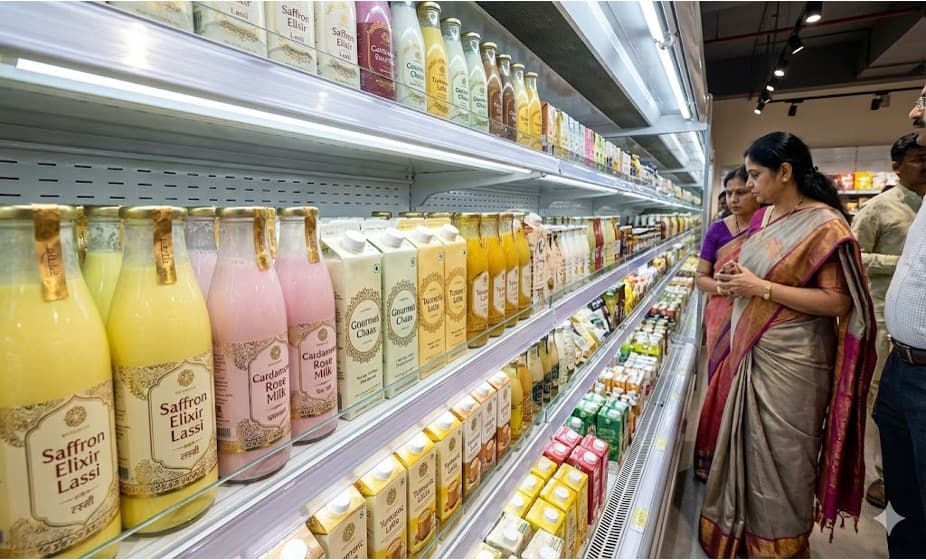
What’s Driving Change In Beverages, FMCG And Dairy in 2025

India’s retail landscape in 2025 was marked by a decisive shift in how consumers choose, consume and connect with brands. From beverages to daily nutrition and even the most essential dairy products,...Read More

Latest Blogs

See More
More Milk, Less Money: India’s Dairy Crisis
Dec 01, 2025

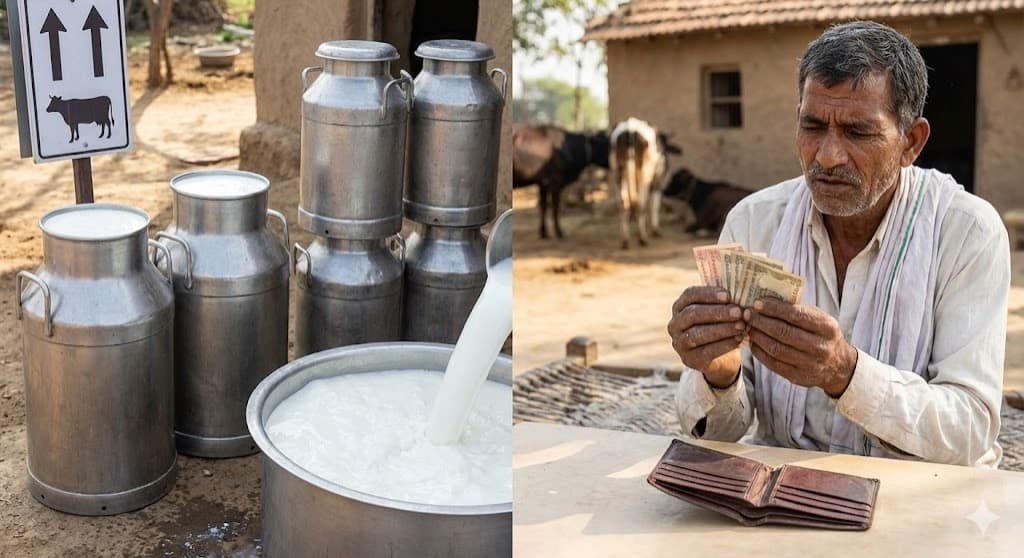
More Milk, Less Money: India’s Dairy Crisis

With the release of the BAHS 2025 summary report, I felt compelled to deep dive into its findings and reflect on the real progress and challenges facing India’s dairy sector. Over the last six years,...Read More

India Milk Prices: Cost Shock and Procurement Pressure
Nov 28, 2025

India Milk Prices: Cost Shock and Procurement Pressure

Milk prices in India face upward pressure as rising feed costs and procurement hikes reshape farm economics. Insight on dairy procurement, feed costs, and market outlook. Official government and coope...Read More

Stop Blaming, Start Claiming: Livestock’s Carbon Credit Future
Nov 16, 2025

Stop Blaming, Start Claiming: Livestock’s Carbon Credit Future

This week, I had the opportunity to attend an Agri Carbon Masterclass conducted by CII FACE. The deliberations, case studies, and discussions presented during the session were both insightful and thou...Read More

India Powers the Gulf’s Dairy Revolution -Gulf Food 2025
Oct 31, 2025

India Powers the Gulf’s Dairy Revolution -Gulf Food 2025

As Gulf Food Manufacturing prepares to open its doors from November 4–6 in Dubai, Indian dairy product and equipment manufacturers have a unique opportunity to explore one of the most promising region...Read More

Global Dairy News

Why the global milk business needs a structural shake-up
Dec 08, 2025

Why the global milk business needs a structural shake-up

The New Zealand dairy stalwart Fonterra has sold its consumer dairy-brands (milk, butter, cheese) — including “Anchor” and “Mainland Cheese” — to French agribusiness giant Lactalis in late October 202...Read More

Raw-milk prices in Europe hit 5-yr low; ripple effect looms
Dec 07, 2025

Raw-milk prices in Europe hit 5-yr low; ripple effect looms

European raw-milk prices have plunged to their lowest in five years, as oversupply and weak demand weigh on dairy markets across the region. According to recent data from DCA Market Intelligence B.V.,...Read More

Global food prices ease; FAO dairy index slips — impact looms
Dec 06, 2025

Global food prices ease; FAO dairy index slips — impact looms

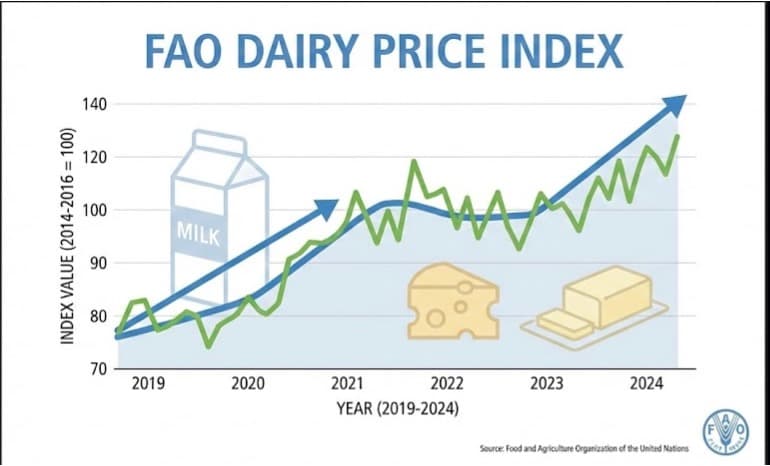
The FAO Dairy Price Index averaged 137.5 points in November, down 4.4 points (3.1 percent) from October and 2.4 points (1.7 percent) from its value a year ago. International dairy prices fell for the...Read More

Dairy News 7x7

Your trusted source for all the latest dairy industry news, market insights, and trending topics.

FOLLOW US
CATEGORIES
  • Global News
  • Indian News
  • Blogs
  • Publications
  • Podcasts
SUBSCRIBE TO OUR NEWSLETTER

Stay informed with the latest updates and trending news in the dairy industry.

No spam, unsubscribe at any time

GET IN TOUCH
C-49, C Block, Sector 65,
Noida, UP 201307
+91 7827405029dairynews7x7@gmail.com

© 2025 Dairy News 7x7. All Rights Reserved.

Terms of ServicePrivacy Policy

The future of the Natural owners of Urban farming in Aarey milk colony

By DairyNews7x7•Published on July 08, 2021

As the urban farming discourse in India has been expanding over the past few years; the limelight is often on upwardly-mobile urban citizens who take up farming for recreational, environmental, spiritual or economic reasons.

More than half the world’s population is projected to live in cities by 2050. This raises the question about the availability of green spaces and resources. The Covid-19 lockdown rekindled the interest of urban residents to grow food in their own terraces and gardens. The benefits of edible gardens, like cooler and cleaner cities, healthier ecosystems, and healthier bodies, resurfaced in conversations. The urban farming discourse has been expanding over the past few years. But in the prominence of this discourse are urban people from the middle and upper class with access to technological innovations.

Urban farming in financial capital of India

In Mumbai, the financial capital of India, shadowed by the limelight on urban farming, are some invisible and unrecognised farmers. Low-income groups, people with marginalised identities and indigenous people face exclusion in this dialogue. This leads to a higher probability of the erasure of their contribution, and expulsion from research, policy and planning.

The Aarey Milk Colony was originally a 3,000-acre forested area in the middle of Mumbai. The colony was demarcated as a no-development zone in 1949. The area has been home to 27 tribal villages or padas for centuries. Over the years, the land has been used to accommodate various real estate and urban infrastructure projects. As of 2020, around 600 acres of the milk colony land is demarcated as forest, by the government.

Who is the owner of urban forest ?

Parts of the tribal villages and their farmlands have disappeared gradually. The natives of this urban forest are generational farmers, fishers and livestock rearers; and the most affected by constant concretisation and urbanisation. All indigenous farmers in Aarey pay a minimal annual tax of one rupee per gunta (approx. 1000 square ft of land.

In other hidden farms of Mumbai, agricultural migrants from north India work on the government-owned railway land; and cultivate vegetables to cater to the needs of city dwellers. Since 1975, Indian Railways began putting its vacant land to use under the scheme ‘Grow More Food’. Intended to protect its surplus land from encroachment and to prevent new slums from developing, the policy allowed railway employees belonging to Scheduled Caste/Scheduled Tribe/Other Backward Classes and Economical Weaker Sections, to cultivate seasonal vegetables on a five-year lease of 4,000 rupees per acre per year. Some of these employees, in turn, hire agricultural migrants to cultivate and oversee these railway farms.

History of Aarey Milk Colony

Aarey Milk Colony, which used to be one of the state’s biggest milk suppliers almost 70 years ago, is still home to over 30,000 buffaloes and many cattle-rearing migrant families from Gujarat, Rajasthan and Uttar Pradesh. Of the 32 units of cattle sheds, four have been shut now, according to the locals. Over the past two decades, cattle rearers of the milk colony have gradually stopped selling buffalo milk to the Aarey Dairy because of the falling prices. While the Aarey Dairy today pays 25 rupees per litre, private wholesalers pay 30 to 32 rupees per litre and the retail price of buffalo milk is 60 to 66 rupees per litre in the city.

Other challenges that the dairy farmers face are bad roads and a shortage of electricity in Aarey, which disrupts their milk production. Aarey’s cattle rearers want to be recognised as farmers in the city. A dairy worker that the author spoke to, said that transporting buffaloes for dairy is easier than transporting cows because of the controversies surrounding cow slaughter.Some of Mumbai’s women sanitation workers began small-scale farming for an additional source of income and nutrition during the COVID-19 lockdown.

Since January 2021, the collective-based organisation Stree Mukti Sangathan (SMS) has been training the low-income, Dalit and Bahujan sanitation workers, in horticulture. With over 2,000 women, SMS runs self-help groups that work in urban waste management, employment opportunities and women’s rights. Since 1998, it has been running ‘Parisar Vikas’ programme, which addresses the problems of waste management, environment-friendly practices like composting and gardening in the Mumbai Metropolitan Region.

Swipe to continue reading

Previous Article

Next Article