Logo
IndianGlobalBlogsPublicationsPodcastsMarketAboutContact
Logo
IndianGlobalBlogsPublicationsPodcasts
7News
TN Minister Urges Farmers to Adopt Tech for Value Addition in DairyListen to the Farm, Not the Farmer—The New Productivity LensWhat’s Driving Change In Beverages, FMCG And Dairy in 2025ED begins money laundering probe in dairy investment fraud caseIndo-Brazil pact aims to boost cattle genetics and dairy yield

Indian Dairy News

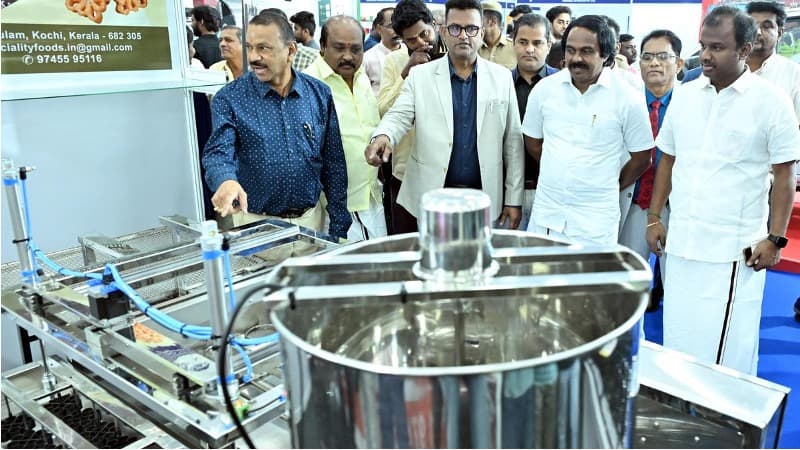
TN Minister Urges Farmers to Adopt Tech for Value Addition in Dairy
Dec 12, 2025

TN Minister Urges Farmers to Adopt Tech for Value Addition in Dairy

In Coimbatore this week, Tamil Nadu’s Minister for Milk and Dairy Development, Mano Thangaraj, called on dairy farmers to embrace modern technologies to boost productivity and value addition across th...Read More

Listen to the Farm, Not the Farmer—The New Productivity Lens
Dec 12, 2025

Listen to the Farm, Not the Farmer—The New Productivity Lens

India’s dairy sector, valued at nearly $30 billion, has reached a point where incremental changes will not deliver the next breakthrough. For decades, improvement programs have focused on what farmers...Read More

What’s Driving Change In Beverages, FMCG And Dairy in 2025
Dec 12, 2025

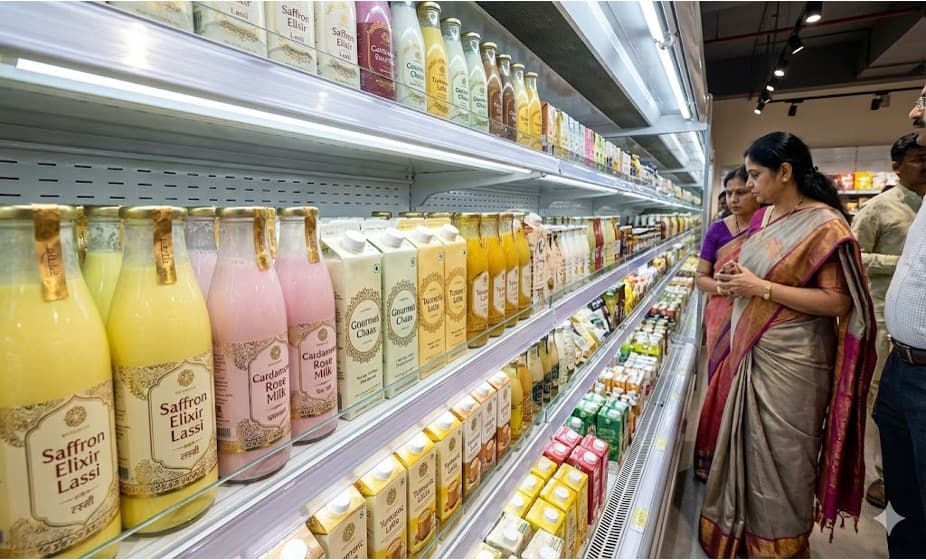
What’s Driving Change In Beverages, FMCG And Dairy in 2025

India’s retail landscape in 2025 was marked by a decisive shift in how consumers choose, consume and connect with brands. From beverages to daily nutrition and even the most essential dairy products,...Read More

Latest Blogs

See More
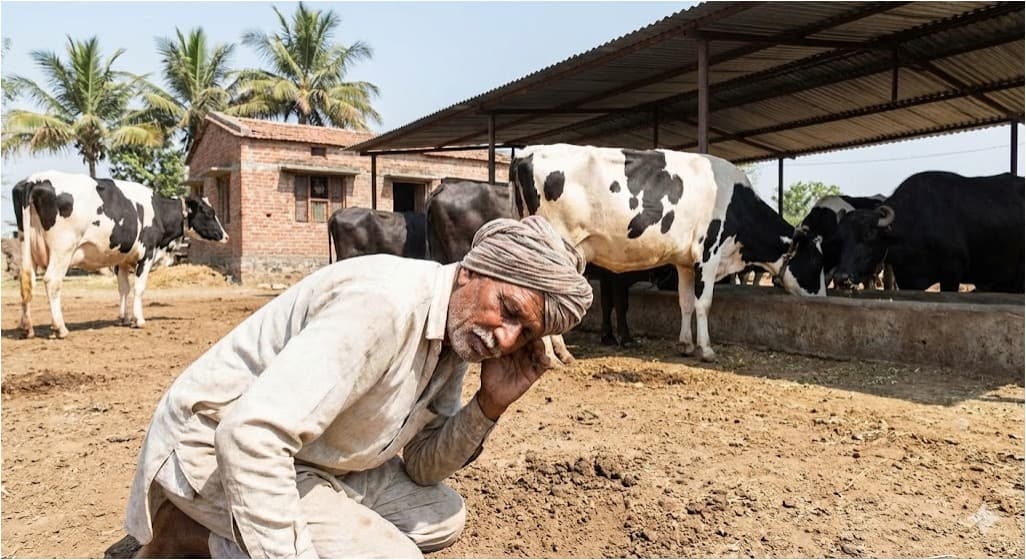
More Milk, Less Money: India’s Dairy Crisis
Dec 01, 2025

More Milk, Less Money: India’s Dairy Crisis

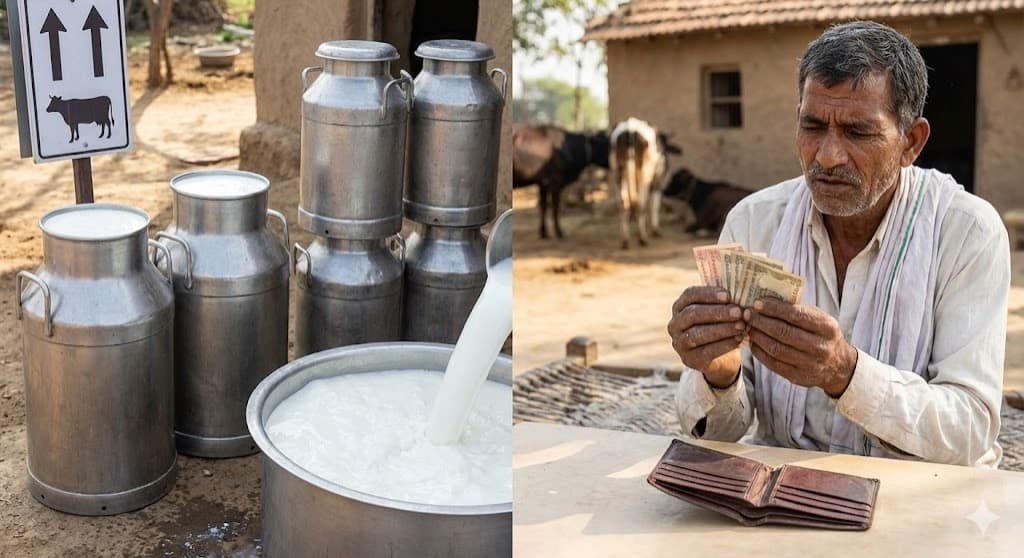
With the release of the BAHS 2025 summary report, I felt compelled to deep dive into its findings and reflect on the real progress and challenges facing India’s dairy sector. Over the last six years,...Read More

India Milk Prices: Cost Shock and Procurement Pressure
Nov 28, 2025

India Milk Prices: Cost Shock and Procurement Pressure

Milk prices in India face upward pressure as rising feed costs and procurement hikes reshape farm economics. Insight on dairy procurement, feed costs, and market outlook. Official government and coope...Read More

Stop Blaming, Start Claiming: Livestock’s Carbon Credit Future
Nov 16, 2025

Stop Blaming, Start Claiming: Livestock’s Carbon Credit Future

This week, I had the opportunity to attend an Agri Carbon Masterclass conducted by CII FACE. The deliberations, case studies, and discussions presented during the session were both insightful and thou...Read More

India Powers the Gulf’s Dairy Revolution -Gulf Food 2025
Oct 31, 2025

India Powers the Gulf’s Dairy Revolution -Gulf Food 2025

As Gulf Food Manufacturing prepares to open its doors from November 4–6 in Dubai, Indian dairy product and equipment manufacturers have a unique opportunity to explore one of the most promising region...Read More

Global Dairy News

Why the global milk business needs a structural shake-up
Dec 08, 2025

Why the global milk business needs a structural shake-up

The New Zealand dairy stalwart Fonterra has sold its consumer dairy-brands (milk, butter, cheese) — including “Anchor” and “Mainland Cheese” — to French agribusiness giant Lactalis in late October 202...Read More

Raw-milk prices in Europe hit 5-yr low; ripple effect looms
Dec 07, 2025

Raw-milk prices in Europe hit 5-yr low; ripple effect looms

European raw-milk prices have plunged to their lowest in five years, as oversupply and weak demand weigh on dairy markets across the region. According to recent data from DCA Market Intelligence B.V.,...Read More

Global food prices ease; FAO dairy index slips — impact looms
Dec 06, 2025

Global food prices ease; FAO dairy index slips — impact looms

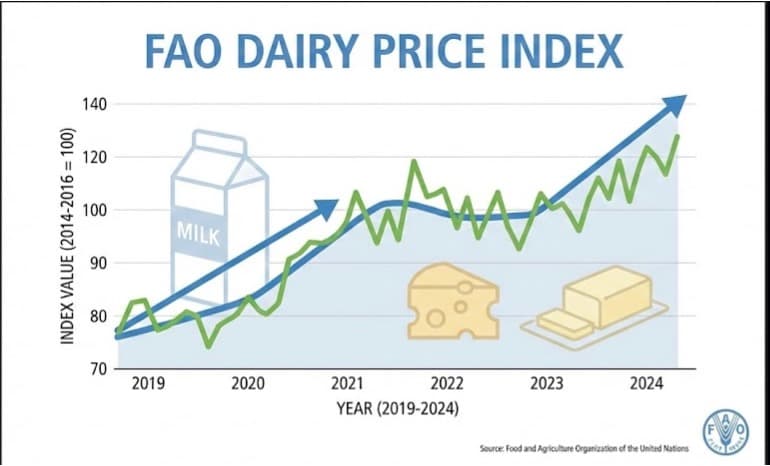
The FAO Dairy Price Index averaged 137.5 points in November, down 4.4 points (3.1 percent) from October and 2.4 points (1.7 percent) from its value a year ago. International dairy prices fell for the...Read More

Dairy News 7x7

Your trusted source for all the latest dairy industry news, market insights, and trending topics.

FOLLOW US
CATEGORIES
  • Global News
  • Indian News
  • Blogs
  • Publications
  • Podcasts
SUBSCRIBE TO OUR NEWSLETTER

Stay informed with the latest updates and trending news in the dairy industry.

No spam, unsubscribe at any time

GET IN TOUCH
C-49, C Block, Sector 65,
Noida, UP 201307
+91 7827405029dairynews7x7@gmail.com

© 2025 Dairy News 7x7. All Rights Reserved.

Terms of ServicePrivacy Policy

The Dutch dairy industry: Country profile on dairy sector

By DairyNews7x7•Published on May 07, 2021

Here we offer an overview of the Dutch dairy industry, look at trade and consumption, and zoom in on the sector’s focus on sustainability.

Since April 2019, the Netherlands is home to 1.58 million dairy cows and calves with a yearly production of 14 billion kg of milk. Due to phosphate legislation, the sector has been faced with limited growth opportunities since 2017.

Current trendlines show that the total amount of dairy farms is decreasing, but the size of dairy enterprises is increasing. Dutch dairy companies processed an estimated 13.85 billion kg of milk in 2019, with cheese production showing a particular increase (more than 1%) to a volume of 891 million kg. The Dutch nickname ‘kaaskoppen’ (‘cheese heads’) rings true, with the country accounting for approximately 4% of global cheese production.

The Netherlands in global top-5 dairy exports

The total value of Dutch dairy exports increased to more than €7.8 billion, mainly attributable to cheese products, (+6%), leading to higher prices and higher volumes. The Dutch dairy sector accounts for 7% of the national trade surplus, and the Dutch share in the world dairy trade amounted to almost 5% in 2019, earning the Netherlands a spot in the worldwide top-5 largest of dairy exporters alongside New-Zealand, the US, Belarus, and Germany. Almost 75% of all milk processed in the Netherlands remains in Europe, accounting for more than €5.6 billion, with Germany as the most important trading partner. Besides cheese exports to Germany (valued at almost €1.2 billion annually), milk powder and high-quality food ingredients are important export products. Belgium, Germany, and France are the most important sales markets with a joint share of over 70%. Outside of the EU, China, the United Arab Emirates, Saudi Arabia, South Korea, and Japan are the most important countries for Dutch dairy exports.

Domestic consumption decreases, plant-based alternatives popular

In August of 2020, Dutch news channel NOS reported that the domestic sales of products such as milk, buttermilk, ready-made custard, and other desserts were steadily decreasing, with market researcher IRI noting the drop in sales ranging between 6% to no less than 25%. Bas Roelofs of Dutch dairy giant FrieslandCampina argued that this could be caused by the wide variety of available beverages, from water and soft drinks to teas and coffees. Furthermore, consumers are increasingly reluctant to buy desserts because of the many added sugars. “We are working hard to reduce those sugars in our products,” Roelofs told NOS.

Not all dairy sales are decreasing, however: yoghurt, quark, and UHT milk did increase in turnover. At the same time, plant-based alternatives such as almond- and soy drinks are growing, both in range and turnover. Alpro, which offers plant-based alternatives to products such as milk, yoghurt, cream, and ice cream, has seen its turnover in the Netherlands increase by tens of millions of euros in recent years.

Dutch dairy industry focused on quality and sustainability

Despite the many challenges facing the Dutch dairy industry, the sector remains focused on sustainability, incentivised both by legislation and by industry initiatives. In 2019 and 2020, the Dutch livestock industry (and not just the dairy industry) received a lot of attention as farmers protested en masse against a government proposal to limit nitrogen emissions by halving the country’s livestock. Tensions eased somewhat once Minister of Agriculture, Nature and Food Quality Carola Schouten promised this proposal would not be carried out as long as she would be in charge, but sustainability remains a top priority for the Dutch livestock sector.

The Dutch dairy sector is characterised by quality systems ensuring best practices in dairy farming, as well as many initiatives to ensure the sector’s sustainability.

Quality systems

Within the quality systems, animal health is a top priority. Legislation requires dairy farmers to stay on top of factors such as stable climate and veterinary medicines, but to further promote animal health, the Dutch dairy sector has imposed extra requirements upon itself. Animal health, for example, is continuously monitored by the independent Animal Health Service. Furthermore, the dairy sector requires dairy farmers to cooperate with specialised veterinarians to meet specific quality standards. In addition, dairy farmers are required to create a ‘health plan’ for their businesses. According to the Dutch dairy organisation (NZO), this contributes to a healthy dairy herd and high-quality milk.

In addition to animal health, 3 pillars of hygiene, milk production and storage, and supervision support quality systems for the dairy industry. These pillars not only serve to promote animal health and welfare, but also aid in upkeeping food safety and in preventing the occurrence of antimicrobial resistance in dairy herds. Between 2009 and 2018, the use of antibiotics in the Dutch livestock sector decreased by more than 63%.

Sustainability initiatives

Under PlanetProof, dairy farmers must comply with general guidelines on milk quality, on-farm safety, and pasturing (cows must graze for at least 120 hours, 6 hours per day, with a maximum of 10 cows per hectare of pasture), as well as safeguarding biodiversity (by promoting permanent pasture, reducing the use of plant protection products, and using locally-produced animal feed), the climate (through imposing strict requirements on maximum GHG emissions and the mandatory use of green electricity), animal welfare and health (including monitoring of adult cows and youngstock), and full freedom of movement for the cow (including cow brushes to care for cows’ skin and increase their comfort).

Swipe to continue reading

Previous Article

Next Article