

The dairy industry helps farmers by creating employment
Milk is the biggest agricultural commodity in India. It contributes 5% to the national economy and directly employs 80 million dairy farmers. Improvement in economic activity, increase in per capita consumption of milk and milk products, change in dietary preferences, and increasing urbanization in India has led the dairy industry to grow by 9-11% in 2021-22. This sector needs a strong integration with the market.
Like other professions in milk production, there are immense career opportunities, state governments across the country are promoting this industry by giving subsidies to farmers to increase milk production while increasing milk production by doing new experiments in science and technology. Every effort is being made to promote the means of livelihood, especially for the people of rural areas, many types of schemes are run by the central and state government. Provision for grants has also been made on these schemes. Farmers and common villagers can improve their means of livelihood by getting grants.
Given the nature of milk production and sale in India, the demand for milk and milk products is sensitive to changes in the employment and income of consumers. So a lot needs to be done to save this important sector of the Indian economy. There is a need to increase the productivity of livestock, better health care and breeding facilities, and management of dairy animals. Primary requirements for milk products refer to the raw materials, machinery, and equipment that the industry needs to operate.
The primary requirements for processed and packaged milk products include; Milk which forms the raw material for industry. quality cattle to provide sufficient milk production for the population; Dairy farmers and cooperatives that can participate in dairying as an economic activity. availability of fodder to feed the animals; storage and warehousing facilities; An efficient logistics management. Efficient transport facilities and connectivity are the requirements of milk products to ensure the lifting of milk from the designated points on time.
Other requirements of the dairy industry include; Transport and logistics to ensure the transfer of products to consumers. The delivery chain ensures that the product goes to the consumer with assured quality as the shelf life of processed and packaged goods is a concern. Other requirements include cold storage, and transportation so that good quality milk reaches the consumers. Concerning the dairy industry, a milk processing unit establishes strong backward linkages with farmers, farmer producer organizations, farmer groups, etc. In addition, to be able to sell its processed milk, it develops strong relationships with wholesalers, retailers, exporters, etc.
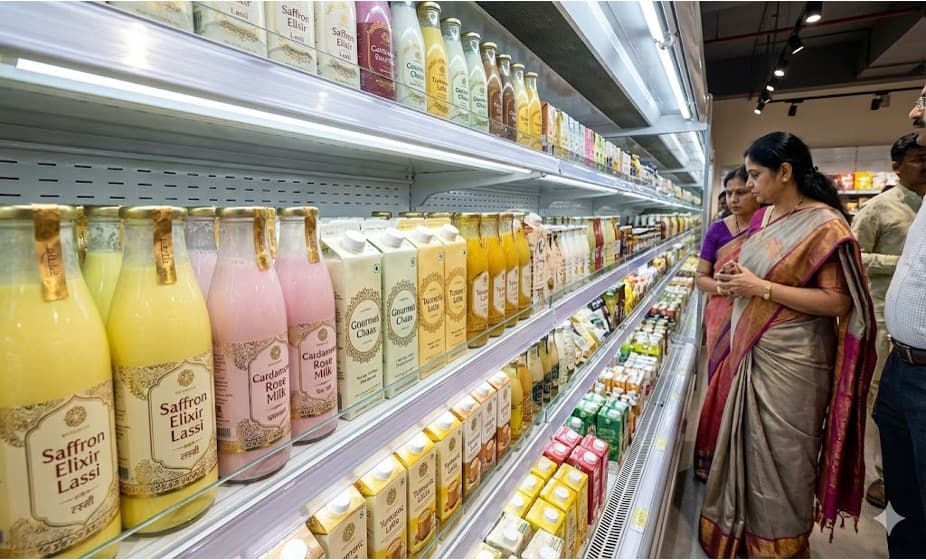
The dairy industry has two pillars one is backward integration where the company expands its activities in upstream areas. The company aims to provide raw milk at affordable rates, uniform quality, stable supply, and eliminate any middlemen. Like Amul buys milk directly from farmers Second forward integration is where the company expands its activities in downstream areas. The company aims to gain more control over sales, and consumer interaction and eliminate any middleman, wholesaler, or retailer. Like Amul has its pizza outlet and milk parlor.
In addition, effective links to industry add value to the brand by ensuring higher quality and better control over the factors of production resulting in cost savings and increased efficiency. Raw material availability and market linkage in the dairy industry strengthen the supply chain. Hence, it benefits the economy and the farmers.
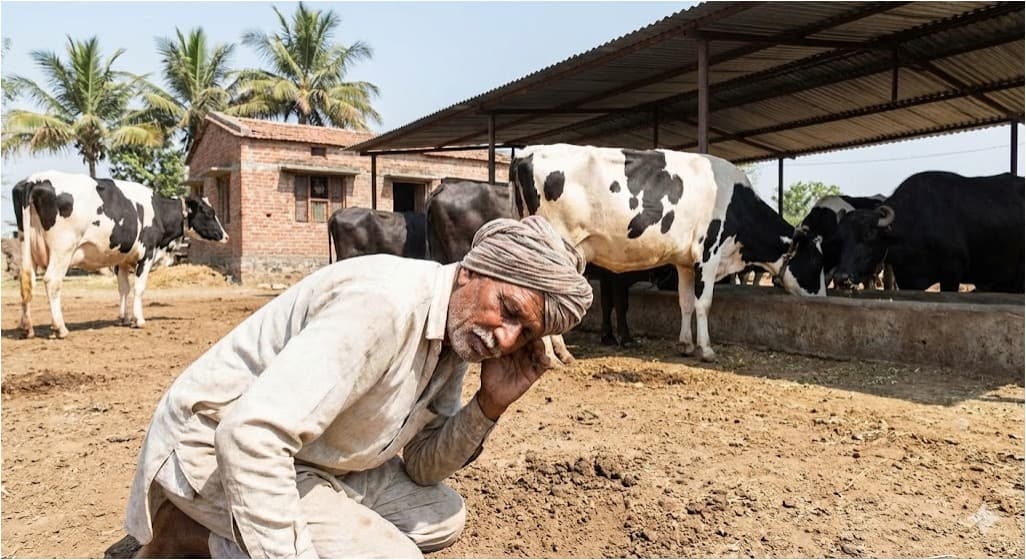
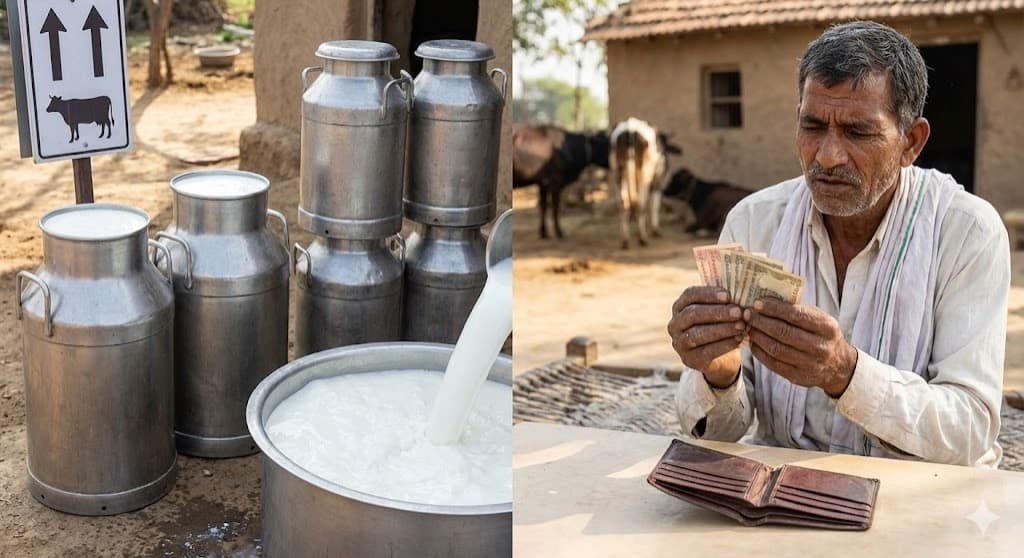
Issues of backward integration in the dairy sector include reduction in grazing land, and lack of quality fodder due to rain-fed conditions, regional imbalances in transport availability and quality, and veterinary diseases with less presence of veterinary clinics in rural areas. Increasing incidence of, low productivity of indigenous breeds and nutritional deficiencies in the milk of foreign breeds, low availability of quality breeding bulls and semen and comparatively less success in the cross-breeding of indigenous and foreign breeds, antibiotics in animal growth Excessive use of agricultural produce, lack of marketing facilities for farmers along with the high presence of middlemen are serious problems that eat away at the farmers’ profit.
Also, some other issues such as the regional success of cooperatives, especially in urban areas due to an increased focus on protein intake, price rise, adulteration, and the presence of artificial milk; About 70% of Indian milk does not meet the standards set by food safety and standards, also coming in the way of the success of this industry. The dairy sector has a huge potential to generate employment and help farmers with additional income in times of economic uncertainty. India is the largest producer of milk in the world, but a lot more needs to be done as India wants to become the dairy of the world.
Dairy is a high-priority sector for the Government of India due to its socio-economic importance. It is the single largest agricultural product contributing 5% to the country’s economy and provides direct employment to over 80 crore farmers. In addition, the country has a huge domestic market for packaged dairy products, valued at Rs 2.7 to Rs 3.0 lakh crore.
Market growth in the dairy sector requires basic investment in processing, cooling, logistics, animal feed, etc. In addition, there are new lucrative opportunities in sectors such as dairy products, organic/form fresh milk, and exports. Substantial foreign direct investment is being made in the dairy sector, which accounts for about 40% of the FDI in the Indian food sector. To facilitate infrastructural development in this sector, various incentives have been provided by the Central/State Governments to attract investments.
Source : The avenue Mail July 30 2022 written by Satyavan Saurabh
(Author is a research scholar, poet, independent journalist and columnist. The views expressed are personal opinion of the author. He can be reached at goonjtichaupal@gmail.com)