



The agri-tech network effect is impacting one smallholder farmer at a time
There’s a great opportunity to connect these farmers to an integrated value chain, unlock their potential and realise tremendous financial gains.
According to Food and Agriculture Organization (FAO), more than one-third of the food volume in the world is produced by smallholder farmers. Their landholdings range between 1-4 hectares. In India, the importance of smallholder farmers is even higher – around 50 per cent of food production happens in small- and mid-holder farms that cover more than 80 per cent of total land under cultivation by FAO estimate.
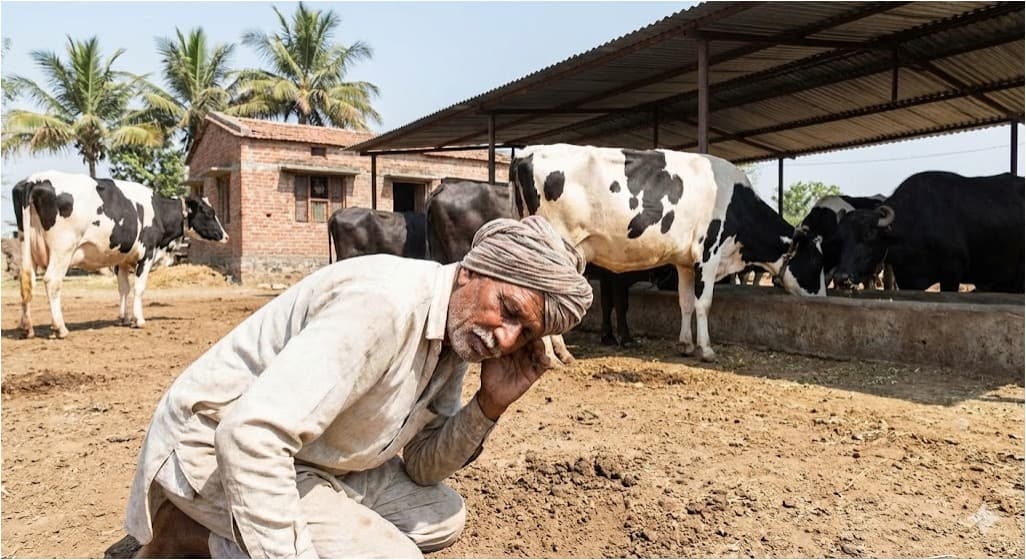
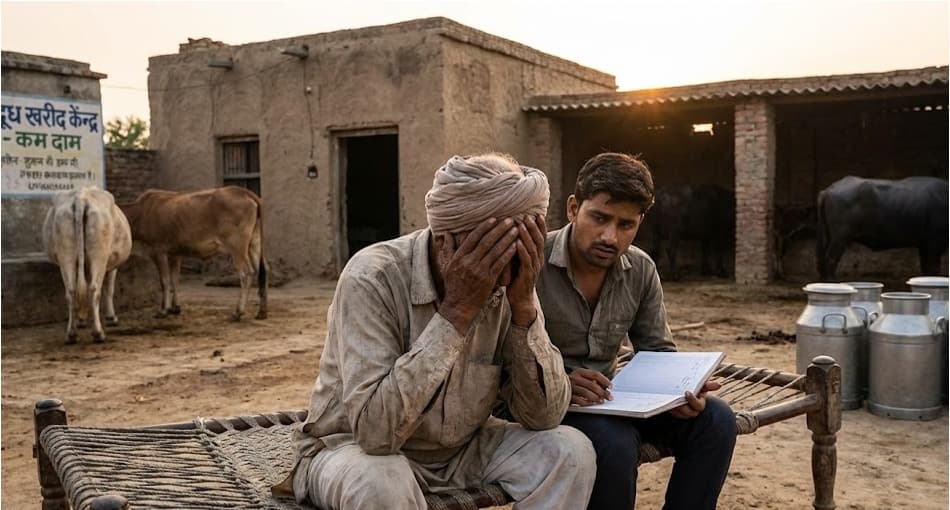
Paradoxically, it’s the smallholder farmers who go hungry most often and struggle the most to make farming sustainable for them. Input costs weigh them down. Economies of scale are difficult to achieve. Consequently, optimal produce value and profitability remain elusive. This group also finds it hard to win regulatory battles necessary to protect their interests.
These challenges are not unique to India. Many smallholder farmers across South-East Asia, Africa and parts of Latin America face similar challenges. And therein lies a great opportunity, to connect these farmers to an integrated value chain, unlock their vast potential and realise tremendous financial, social and environmental progress.
In fact, an inclusive food value chain, where every stakeholder is linked to the wider tech-enabled ‘network’, is the easiest and clearest path to empower the farmers. It leads to improved yields and quality, enhanced skills, better access to processing infrastructure and markets, and thereby, considerably improved net farmer incomes. It also makes institutional credit accessible to small-holder farmers, who otherwise pay a significant premium on interest cost (2-3 per cent per month) on informally borrowed loans.
Networks bring scalability
One of the most important results of connecting farmers to an integrated supply chain is that they benefit from what is known as the network effect – a phenomenon which states that the greater the number of participants in a system, the higher the positive effect the system can bring to its participants.The network effect has disrupted and transformed many industries. Amazon and Alibaba’s integrated platform marketplaces, Pinduoduo’s success in amalgamating services and stakeholders in the food value chain in China, the phenomenal reach of global banking and digital payment platforms – these examples are a testament to the fact that the larger the network, the more it benefits the stakeholders.
The network effect for small farmers creates many options for good quality inputs, predictive analytics and advisory, credit, insurance and more. The anchor platform makes farmers visible to various stakeholders, including buyers, sellers, bankers and service providers. This visibility triggers the network effect.
With widely available, low-cost data, affordable smartphones and increasing awareness in rural farming communities, we firmly believe that smallholder farming is ripe for this positive disruption.
Companies, large and small, are trying to connect the rural ecosystems in various ways. In India, we have many emerging agri start-ups that are successful in their pockets. Some large agri-food corporates are also influencing stakeholders in their own operational spheres.
Yet, all these efforts are limited and not inclusive enough. To arrive at the bigger picture, we need to succeed in creating a large enough network base, with the right amount of breadth and depth of services, wider market access and distribution capabilities.
Small steps, big gains
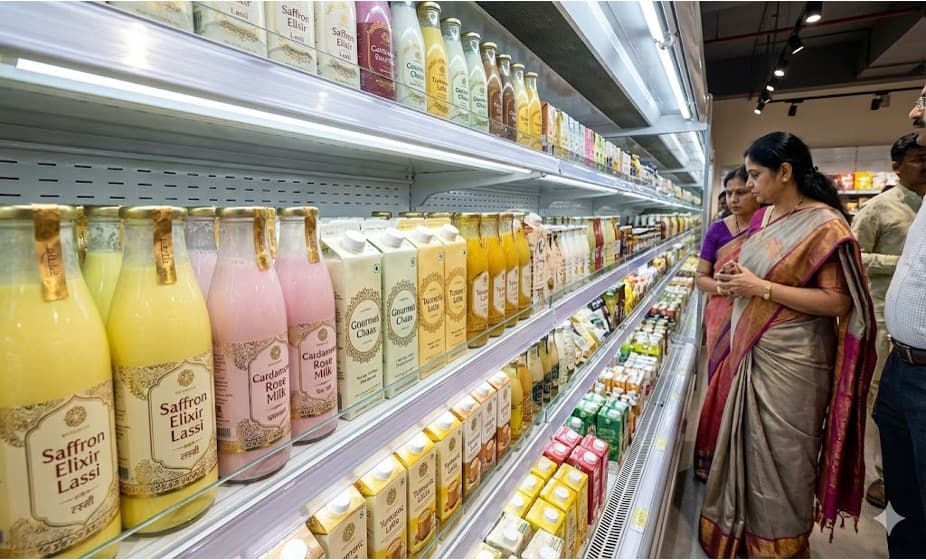
The farm-to-fork integration will not change the ground realities of farmers overnight. Yet, even small initiatives, implemented successfully, are proven to deliver big gains.A great example of agri-tech network effect is the use of traceability and geographical indication (GI) tagging solutions. The GI-tagged products in India, while unique and value-laden, couldn’t fetch commensurate prices to benefit the growers. Now, end-to-end traceability solutions have changed the picture. Traceability leverages blockchain to enable consumers to identify and differentiate authentic products.
At the touch of a smartphone button, buyers know the origin of products and related information. It also assures aggregators, distributors and retailers of the product quality and source. The overwhelming response to traceability solutions from cultivators of the GI-tagged products gives us the confidence to invest in tech for seamless integration of demand and supply.
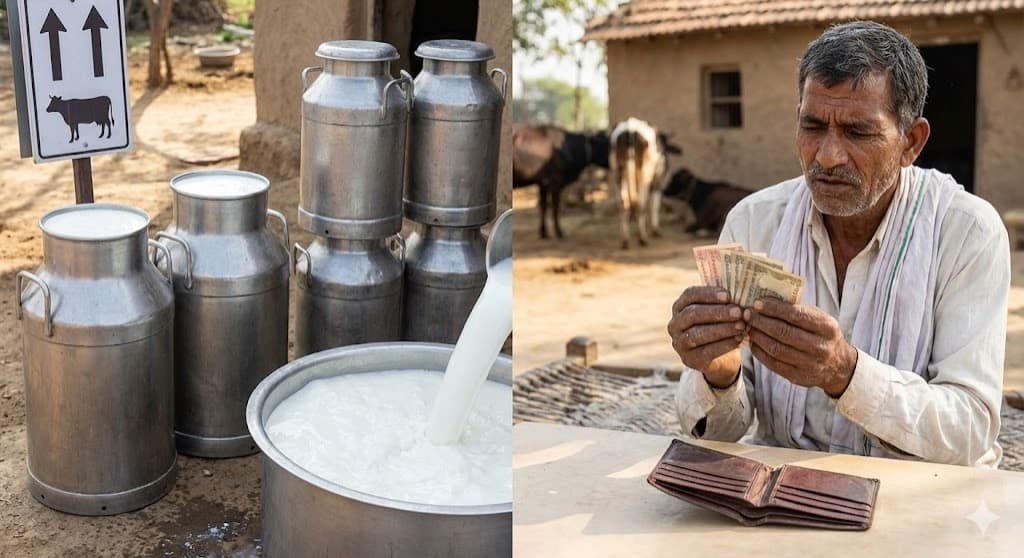
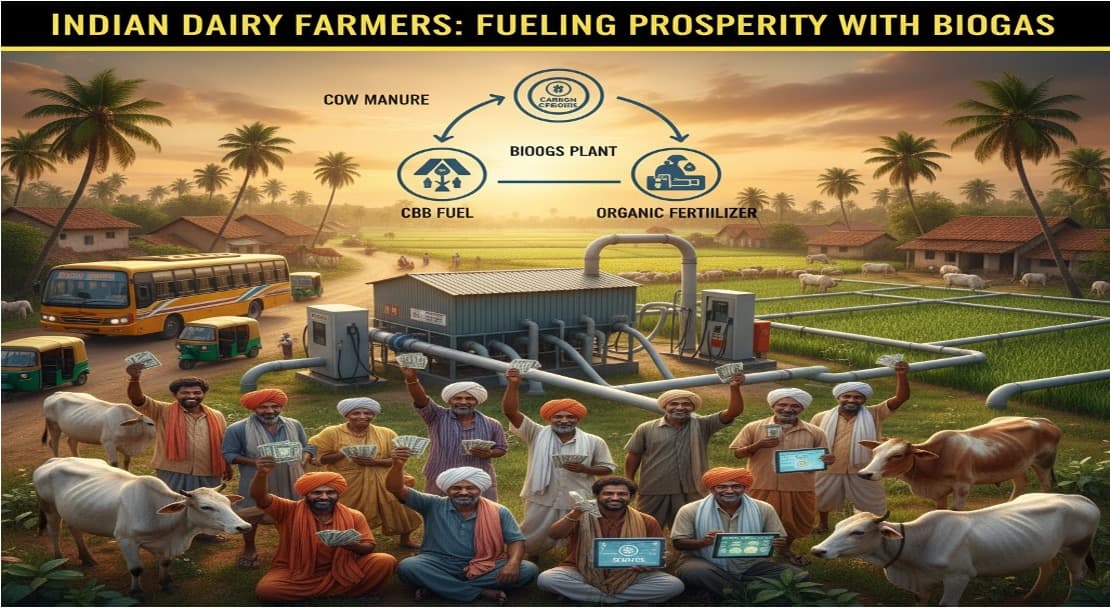
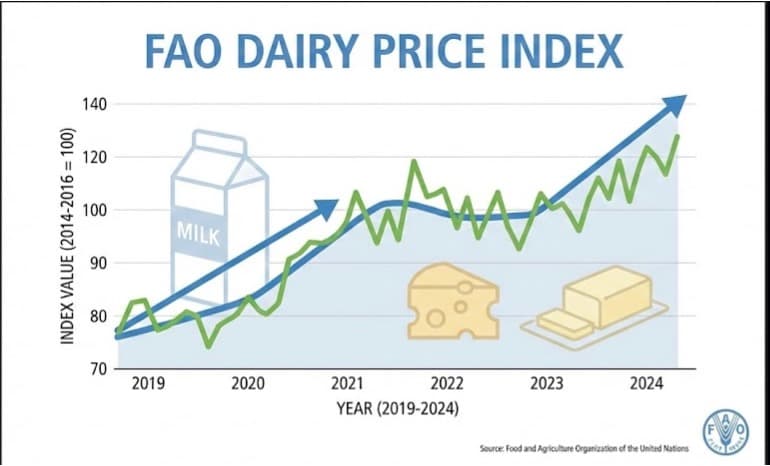
Another example of the network effect is the dairy value chain. Even before the digital revolution, milk co-operatives began the consolidation of the cattle farmers by creating a strong support ecosystem.
Today, with digital payments and a supportive ecosystem for rural entrepreneurship, many dairy start-ups have attracted thousands of dairy farmers, in a short time. Farmer credit is on offer to scale up operations. Trainings are held to yield the best quality milk. Innovations like asset-sharing platforms are proving popular and are enhancing the network effect in the ecosystem.
Productivity and sustainability go together
Smallholder farmers are a key demographic playing a role in the achievement of UN Sustainable Development Goals (SDGs) globally. Here, the network effect plays a crucial part again. As more small farmers connect, they not only work together to improve productivity and income, but also to make their farming more sustainable.The effects of climate change, water scarcity and rampant use of chemicals and fertilisers are felt most acutely by smallholder farmers – even a slight dip in food production due to heatwaves, storms, poor soil quality hits them hard financially.
Collective action through a platform helps them to conserve resources and access environment-friendly products and practices. Farmers facing similar challenges across geographies can come together, form a self-interest group to ensure sustainability in their operations.
The case for end-to-end integration
Another positive effect made possible by networks or platforms comes from the use of agri-tech – the use of which is often only possible for larger players. Using similar network-related synergies, agri-tech has the potential to help India achieve its next ‘Green Revolution’.According to a recent EY study, the Indian agri-tech market is still in its nascent stage with a paltry 1 per cent penetration valued at $204 million. EY estimates that it could grow to $24.1 billion at 90 per cent+ penetration in the next five years.
Though the sector faces challenges, innovative tech-based solutions can make India a global agri-export leader. Despite the pandemic, investors have pumped in about $600 million to Indian agri-tech companies in 2021 till date. A FICCI-PwC report estimates that around $10 billion will be invested in Indian agri-tech start-ups over the next 10 years. This clearly speaks for the tremendous market potential of the sector.
To make the most of this investor enthusiasm, we need to build platforms that combine hi-tech and human-touch approaches, deliver a broad portfolio of products and services; and create tangible, credible success stories that bring smallholder farmers on board.
A favourable regulatory environment will make a difference too. Government incentives are already helping digitise the villages, creating export incentives and facilitating infrastructure creation. This will help Indian farmers connect with high-value export markets.
In conclusion, achieving an inclusive and transformational network effect in agri-tech is the key to truly empowering India’s smallholder farmers. Globally, it is one of the largest opportunities to integrate and uplift 2 billion people and contribute to solving the food problem for the planet. Given the current market and investment scenario, we are firmly on the path to making it happen.