
Tech intensive dairy industry is more sustainable, K Rathnam explains
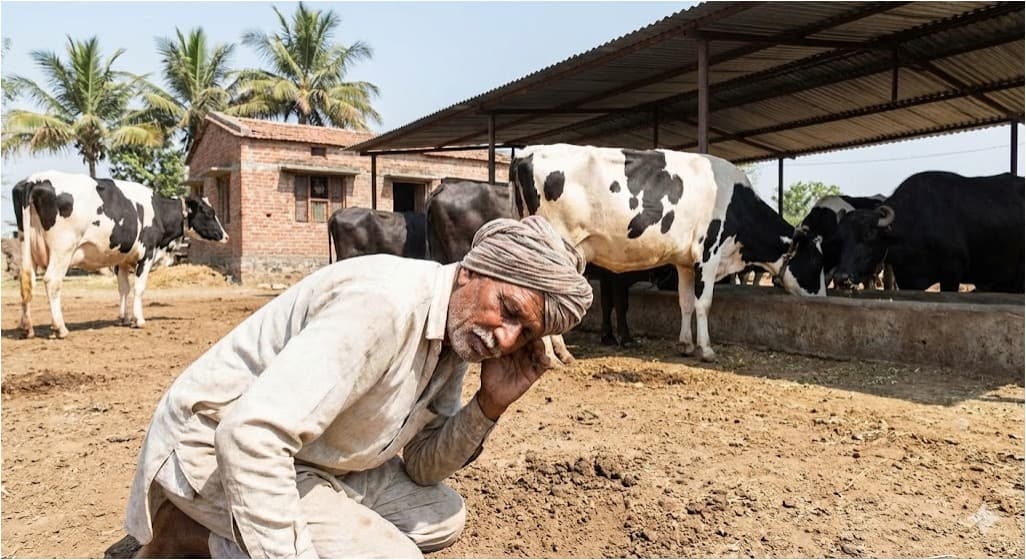
The dairy industry is limping back to life in the post-Covid era, having faced challenges such as demand degeneration, high cattle maintenance costs, and shifting demand patterns. Despite the fact that it has been a difficult time for farmers, particularly small and marginal, with a limited number of milch animals, the pandemic has also forced action on the much-needed digitisation of the dairy sector. K Rathnam, the CEO of Milky Mist encourages the fact technology is the way forward for dairy industry in India.
As the initial difficulties subsided, the Indian dairy sector experienced an unprecedented surge in demand, owing to the importance of milk in meeting health and wellness. As the supply chain was impacted by Covid, the dairy sector saw an increase in demand from small farmers who could supply locally without any hindrances. Growing demand and long-distance transportation issues highlighted the importance of local dairies.
More than a shift in consumer demand for milk and milk products will be required for the sector to grow sustainably from the ground up while maintaining milk quality. Microfinance, cattle health tracking devices, cattle monitoring drones for larger farm and free range cattle, product traceability for customers via technology, and other such technological interventions will be required. “Dairy farming must become ‘smart’ in order to keep up with changes in demand and other parameters,” says K Rathnam, Milky Mist CEO.
According to an economic survey, India’s milk production capacity has increased by 35.61 percent in the last six to seven years, to 210 million tonnes in 2021, a nearly 6 percent increase over 2018-19. Meanwhile, dairy and animal husbandry are estimated to account for 4.2 percent of India’s GDP. However, while demand is increasing at a 6 percent annual rate, supply is only increasing at a 4 percent annual rate. K Rathnam informs, “The supply gap is disturbing price volatility. And it has been demonstrated that technological interventions, combined with improved supply chain management and milk freshness traceability, will help to increase consumer trust in the product.”
K Rathnam, the CEO of Milky Mist and dairy industry expert believes that the pandemic has turned the crisis into an opportunity for dairy farmers. Proper intervention can help the sector overcome disadvantages such as a limited export market, being a part of an unstructured market, and production, as well as increased human interaction with the products. However, as previously stated, the majority of dairy farmers are marginal; thus, in order to accelerate technology adoption, structural changes such as strengthening cooperatives and private dairies beyond supply points and making them shared technology sources are required.
Advanced high-tech setups in private farms or modern, technologically advanced dairies will essentially pave the way for the Indian dairy market to grow through exports. According to the UN Food and Agriculture Organization (FAO), global dairy product trade in 2021 stood at 88 million tonnes, with India having a negligible share with annual dairy product exports of only about 1.18 lakh tonnes in 2020-21. Apart from the expansion of the export market, the National Dairy Development Board (NDDB) predicts that demand for milk and milk products in India will reach 266.5 million metric tonnes by 2030.
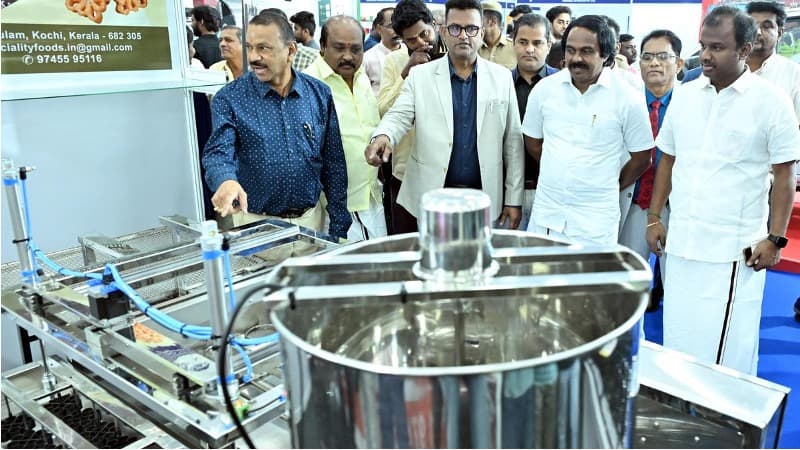
The pandemic has established that development is proportional to technological adoption in every sector, and the dairy sector will be no exception. K Rathnam, the CEO of Milky Mist mentions that there are already technological interventions in the market, such as an AI-enabled collar to study bovine pregnancy cycles; a smart cloud-based solution that digitises cattle health, milk production, milk procurement, milk testing, cold chain management; and direct payment platforms for dairy processors. “Add to this mechanisms such as cattle monitoring drones, a well-refrigerated supply chain, and methods to check milk freshness in realtime for quality assurance, India has the potential to become a milk production and export powerhouse,” says K Rathnam.
Consequently, given the amount of transportation required to get from plant to consumer, the Indian dairy supply chain is a complex geography. It is a daunting task to digitalise the milk supply chain because it is a function of many factors such as proper packaging, storage temperatures during transit, cold chain availability, weather, perishability quotient of the product, and last mile coverage, especially given India’s challenging geography. However, numerous supply chain startups have taken up the challenge of bridging the gap, thereby opening up enormous opportunities.
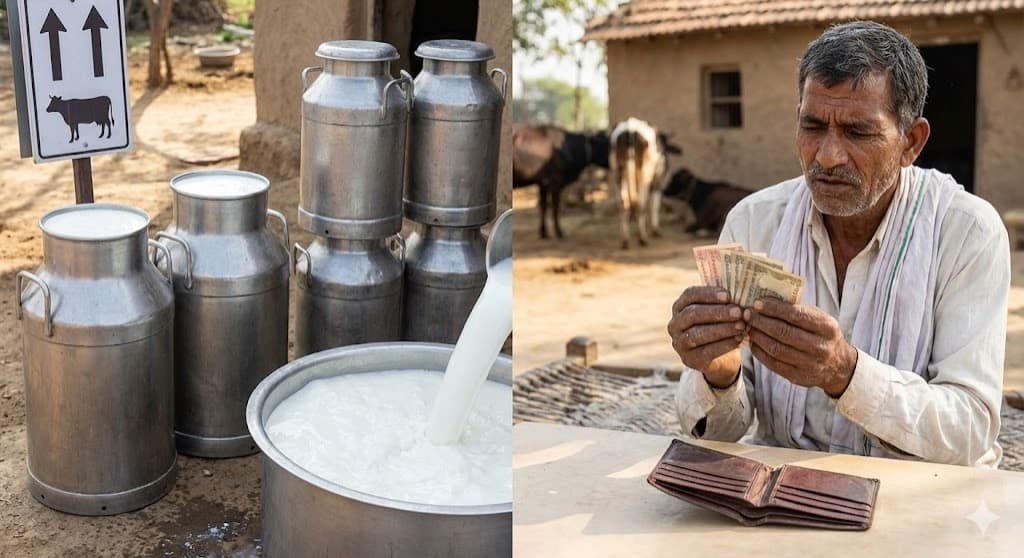
Talking about the challenges, K Rathnam says that according to the India Brand Equity Foundation, despite the presence of technology in the dairy sector, only about 20 percent of dairy farmers are involved in organised milk production. Given the industry’s unorganised state, the scale of production remains limited, and most dairy farmers lack the financial resources, access to technology, and expertise to implement it. As cooperatives and fintech startups ease the financial crunch, farmers will need to work harder to adopt available technologies and become ‘smart’. “To achieve India’s ambitious goal of producing 300 million tonnes of milk by 2024, market connectivity, financial planning, and policy support will be required,” says Rathnam.
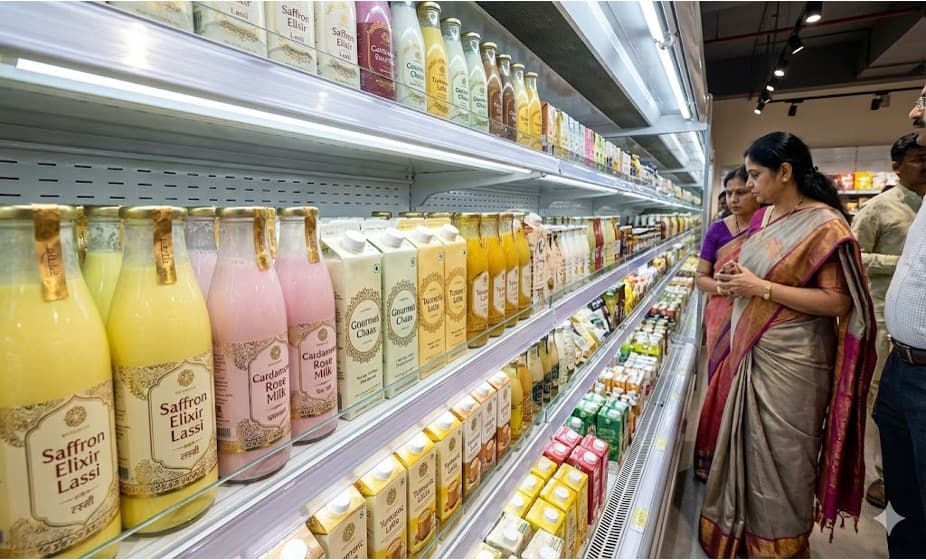
B2B marketplaces have begun mentoring farmers and making modern equipment and advisory services available to farmers at their doorstep via smartphones. B2C platforms, on the other hand, have emerged rapidly, offering services such as picking up fresh produce from farms and delivering it to retail customers, hotels, restaurants, and cafes.
In conclusion, technology intervention and access assistance have had a positive impact on dairy farmers in India. The current start-up and technology revolution will need to transform the resolution to adapt modernisation, thereby accelerating the country’s Second White Revolution.