
Supporting the Pakistan Dairy Industry
Historically, Pakistan has been a major player in the global dairy market. Its important role is reflected in the sector growth of 3.26 per cent in 2020-21, accounting for about 61.89pc of agriculture value additions and 14.06pc of the country’s GDP. As such, it is an important source of foreign exchange earnings, as well as a source of income for over eight million rural families. Within the livestock sector, milk is the largest single commodity.
The private sector has primarily dominated the dairy sector. The corporate sector efforts have led to great endeavours in its growth and development, resulting in massive improvements within the industry. Over time, the higher growth in the livestock sector is mainly attributed to milk production.
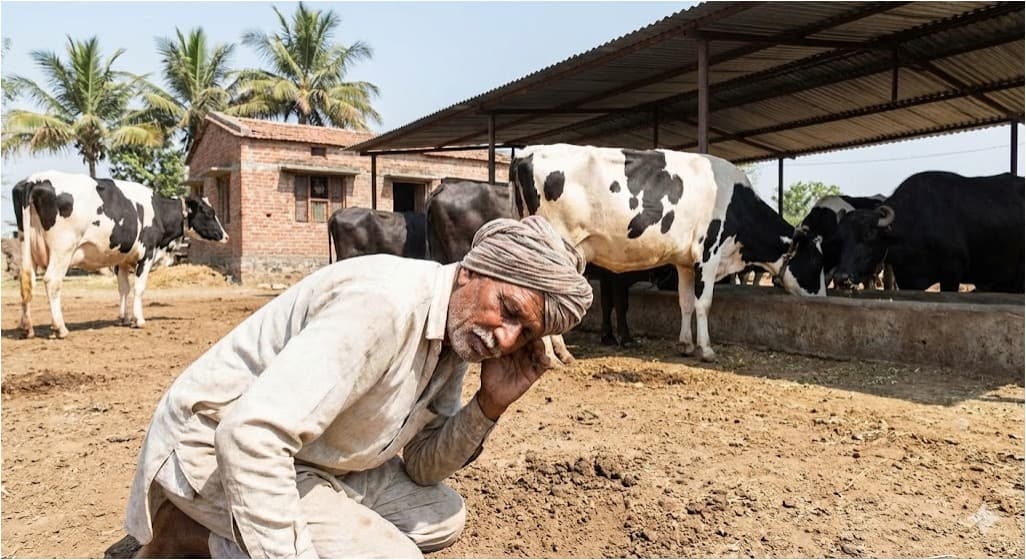
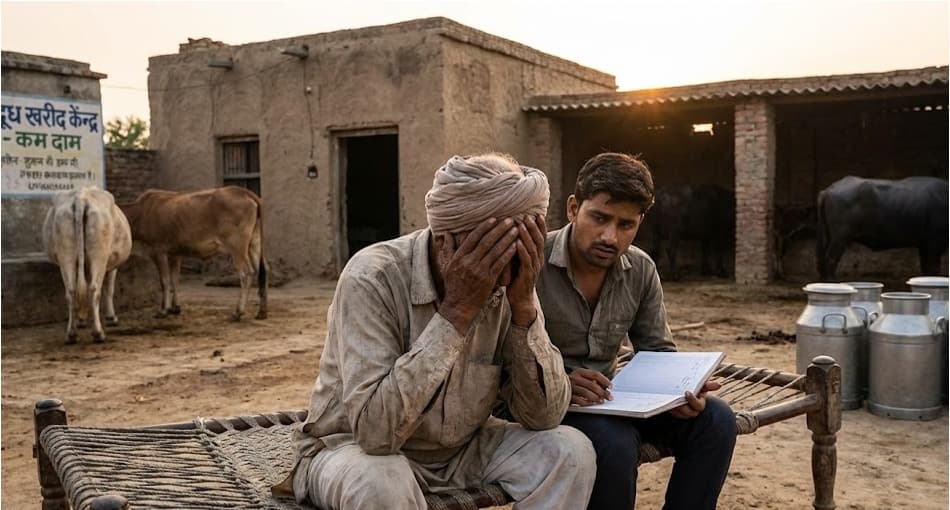
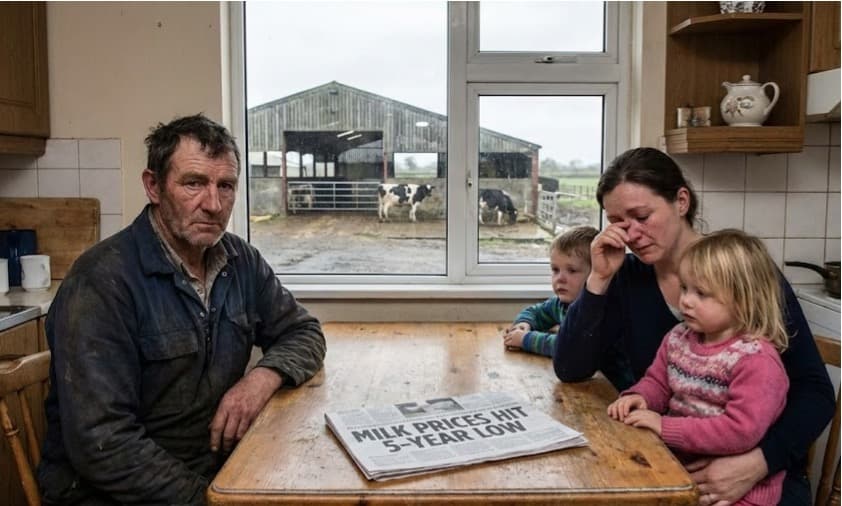
However, the sector generally is not without its indigenous problems. Health hazards pose an enormous threat, especially post-floods, which have given rise to water and air-borne diseases. This has led to uneconomical operational costs facing the dairy industry in the immediate future.
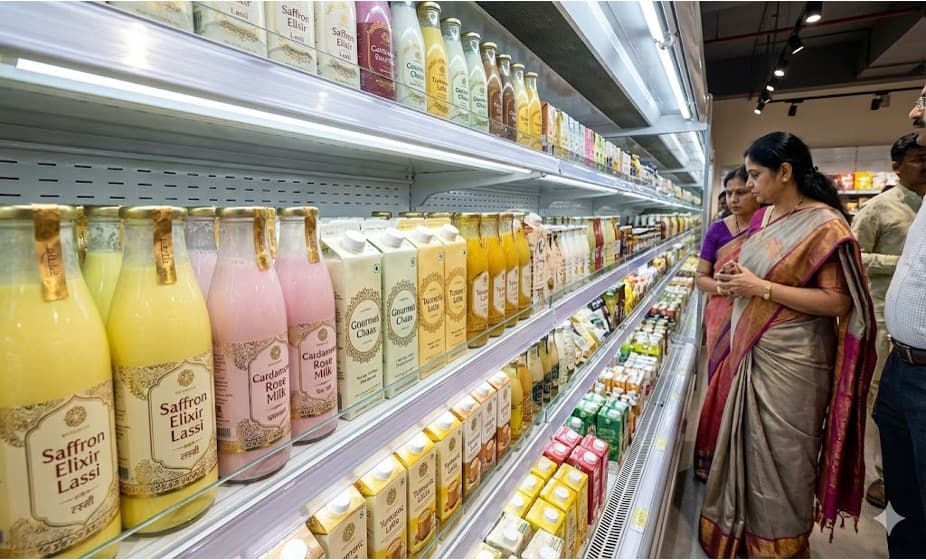
Despite this, the local dairy industry has achieved a fairly advanced level of development, with high per capita production levels and a broad array of processed milk products. During the last three decades, per capita, milk availability has risen almost three times in Pakistan.
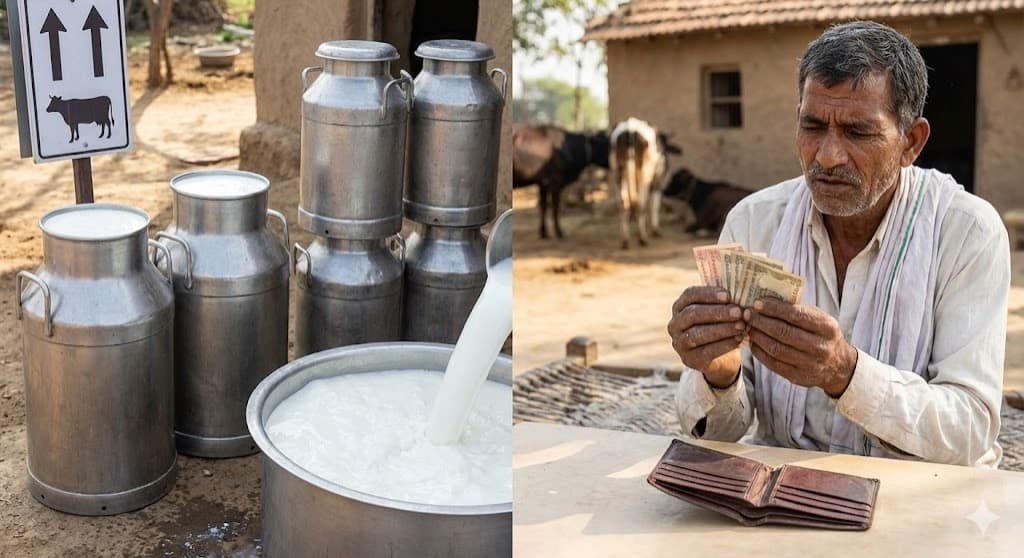
While per capita milk availability has risen almost three times over the last three decades, imports of milk and milking products have increased from Rs0.3bn in 1975-76 to Rs20bn in 2017-18Imports of milk and milking products were Rs0.3 billion in 1975-76, which rose to Rs1.4bn in 1990-91, Rs3bn in 2007-08 and Rs20bn in 2017-18.
This makes it all the more important to identify what is happening around the world within the industry and then emulate it successfully in the local setup.
What this translates into for the layman is that large-scale dairy producers could benefit from the global specialised knowledge related to fighting diseases and pests, knowledge for implementation of new technologies offered by the scientific institutes, and seek knowledge related to the production process itself and methods to reduce production costs and achieve higher yields.
The know-how and information-sharing by international experts directly implement the knowledge locals receive under the supervision of these experts. This allows them to ask for further guidance and hands-on assistance in real-time as the dairy plants become learning centres to uplift the dairy industry.
These collaborative efforts entail improvements like the enlargement of herds, increased animal productivity, and improved milk collection, processing, marketing, and supply of dairy inputs (machinery, equipment, feeds, semen and elite dairy animals).
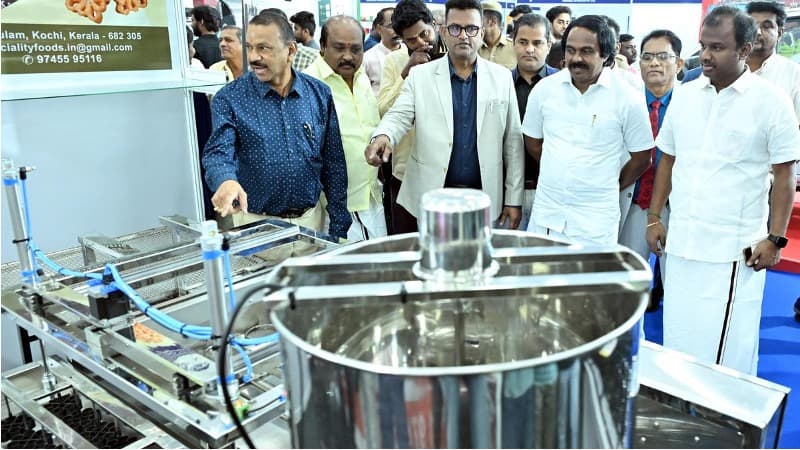
The local farmers’ knowledge and skills in modern farming, as well as management practices, will raise the benchmark of the whole industry. An example is of FrieslandCampina Engro Pakistan Ltd’s Dairy Development Programme, which extends the local farmers’ learnings through their Dutch counterparts. The programme demonstrated on-ground and in-farm best practices, how to optimise resource use, and provided advice on-site.
The importance of knowledge sharing within a country, whether at the central, regional or governmental level, has been largely overlooked in Pakistan. In a knowledge-based economy, performance and productivity are crucial factors in determining success. It is an indicator of the sustainability of economic development. Competencies, skills and knowledge are invaluable components to achieving a competitive advantage for individuals and organisations.
The learning process and the community culture that ensues as a result of this collaboration facilitates decision-making at ground level (on farms), organisational (producers) and societal (consumers) levels.
Similarly, in the dairy sector, where important decisions need to be made in planning, marketing, research and development, production, quality control, etc., undoubtedly, knowledge-sharing is a crucial practice to help farmers and other stakeholders gain better productivity.
On a macro level, the experience and livelihood, individually and as members of a larger community of practitioners, will witness a substantial socio-economic uplift. It is important to understand the pattern of knowledge-sharing among farmers and good practices at the community level being put to good use, hence making learning and education among farmers become more efficient in its reuse.
On the local scene, dairy is a major contributor to the national economy. Hence it is vital that the sector be given full attention, especially in the education and training of farmers. Farmers’ knowledge and experiences on climate change, local farmer innovations, natural resources management and indigenous knowledge could be captured in order to document best practices in agricultural activities.
Special attention needs to be given to technical matters, such as R&D and entrepreneurship, to turn the farmers into knowledge workers who could share, utilise and generate good practices for the benefit of their fraternity.
Generating and sharing knowledge requires communication and is considered a social process. No knowledge in existence has not been born out of pre-existing knowledge, and that which exists today came from that which existed before. So, sharing knowledge is a condition for its creation. Through the process of sharing, knowledge is not lost. Rather it is multiplied, enriched, and furthered, and all parties benefit from the process.
The writer is an agriculturist, CEO & Founding Member at VIVI GRO Sustainable Solutions