
Subsidy to dairy cooperatives must ensure nutritional efficiency also
I recently received a heart touching story from one of my dear friends about the genesis of Syndicate Bank. The bank had merged with Canara Bank in 2020. .
There are three reasons why Syndicate Bank is important in the evolution of India as a wealth generator ; and for working towards the upliftment of the masses.
“Firstly, it was born out of a belief that an innovative person cannot really generate wealth for himself on a sustainable basis unless he works out a way to make his community wealthy as well.
Secondly, it was the only large bank in India to locate its headquarters in a rural area ; In the 1930s Manipal was still a village.
Thirdly, even before CK Prahalad arrived , its promoters knew about how wealth could be found at the bottom–of–the-pyramid.“
Genesis of Syndicate Bank
The bank itself was a brainchild of Tonse Madhav Ananth Pai, who went to Bangalore to study medicine. His parents did not allow him to go to Japan for further studies and persuaded him to serve the poor population of his fishing village. That broke the boy’s heart. He wanted to study more. And he knew that a fishing village would provide him neither money, nor the intellectual challenge.Till one day, he had his Eureka moment. He realised that one reason why he was not earning-enough was because the people around him were also not earning-enough. Could he change that?
He began strategizing a social revolution that India had never seen or imagined. Dr Pai convinced the poor women visiting him for the treatment of their kids normally. He motivated women to save for the sake of their kids and to ensure that these kids do not end up like their fathers.
Dr Pai began to accept savings in coins from 0.25 paisa per day. Soon that culminated into a corpus of a few thousand Rupees. The 25 paise deposit scheme came to be known as the Pygmy Deposit scheme.
Our story begins from here
It was time to go to phase 2 of the plan. He told them that their children were falling ill very frequently because they consumed only fish and rice. He urged them to give the children a glass of milk every day. That was impossible. A glass of milk was unaffordable. So Pai urged them to buy a cow for their houses.They laughed: “We cannot afford a glass of milk, and you want us to buy a cow?” But Pai gently told them that he could finance the cows for the women.
And repayment was also painless, he explained: “Just give your child a glass of milk, and I shall purchase the rest of the milk from you and adjust the cost of the cow.” Within a short while, there were so many cows in the village that Pai could not purchase all their milk. He therefore formed a milk cooperative. This must have been amongst the first few Milk cooperatives in India, even before Amul came into existence.
How inspiring !
There are two key takeaways from this story. Firstly a doctor endorsed the need for a glass of milk for the children born in a fishing village. Secondly a cooperative is not needed to provide a glass of milk to a child; rather it is made to take care of the milk which is left after giving a glass-of-milk to a child. Importantly this cooperative was created at a place where no one ever thought of introducing milk as a source of protein as the area was having fish as a primary source of proteins.
How do most cooperatives behave today ?
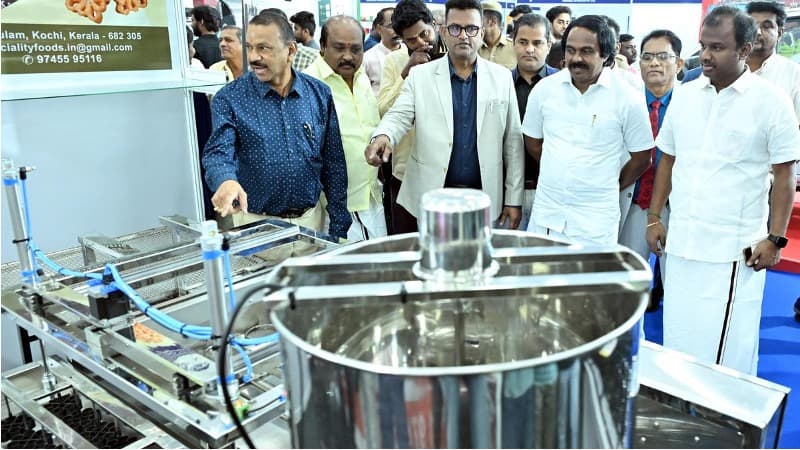
Now let us look at the current intent of cooperatives . They have a tendency to practically conquer the market and enter into all the red oceans. Most of the time these cooperatives tend to create their presence in Tier1 and 2 cities. There are eight metropolitan tier-1 cities – Delhi, Mumbai, Bangalore, Chennai, Hyderabad, Kolkata, Ahmedabad and Pune. On the other hand, 104 cities are categorised as tier-2. Barring few, most of the cooperatives are hardly interested in entering into the areas where milk is needed to fill the nutritional gaps.It is also seen that a few of the cooperatives who are highly subsidised by the government are trying to penetrate into Metro cities like Mumbai and converting the already red ocean into deep red. I feel that the government must lay clear mandate in front of the cooperatives which have been subsidised for market and product diversification. The purpose to subsidise must be larger than the subsidy.
Subsidies may be conditional and linked to diversification
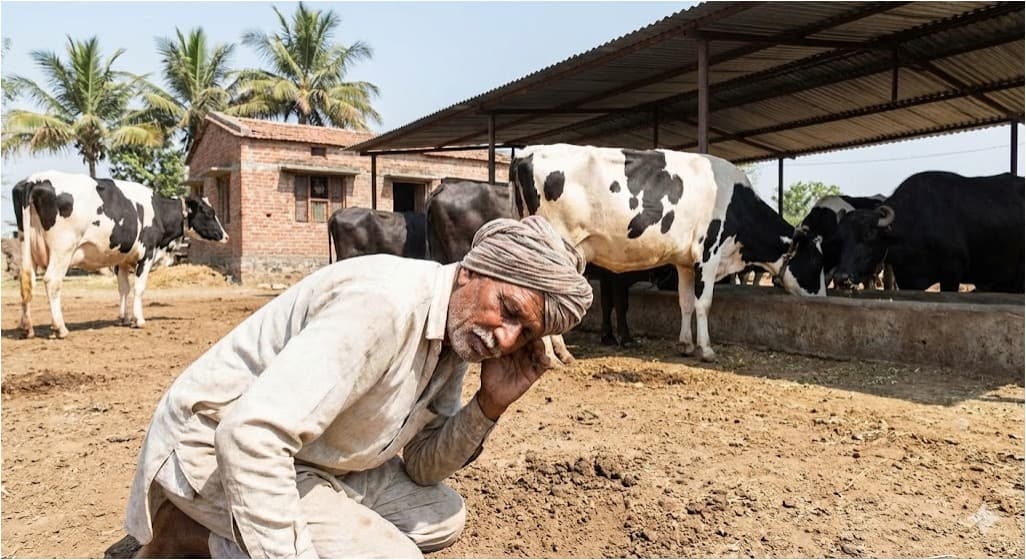
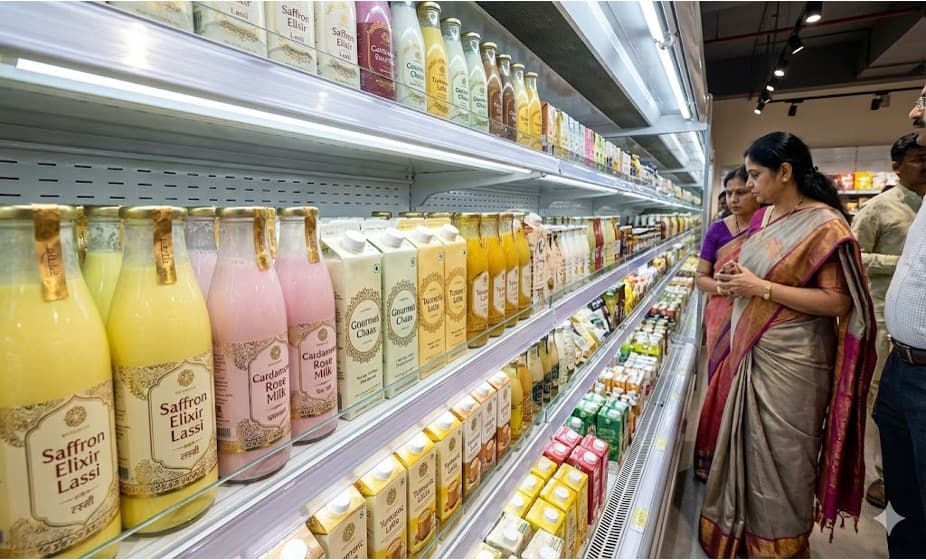
The Government may ensure that all subsidies are conditional. There is no harm in increasing the subsidies subject to a positive impact on improvement of milk availability in all parts of the country as well as ensuring nutritional sufficiency for all children in the country. They may diversify their markets to develop the areas where the children are malnourished , wasted and stunted. Only 40% states in India produce almost 90% of the milk,despite subsidizing this sector for so long. Milk must be made as a mandatory product under ODOP program for all the districts by MOFPI and relevant msme may be funded under PMFME.The cooperatives may also diversify their portfolio in order to develop nutritional and fortified dairy products with differential pricing for both rural and urban areas. They may follow the Grameen-Danone model of Bangladesh. These subsidised cooperatives must understand that by making the low value added product portfolio may not make them sustainable.
Subsidies create more of whatever is subsidized. Llewellyn Rockwell
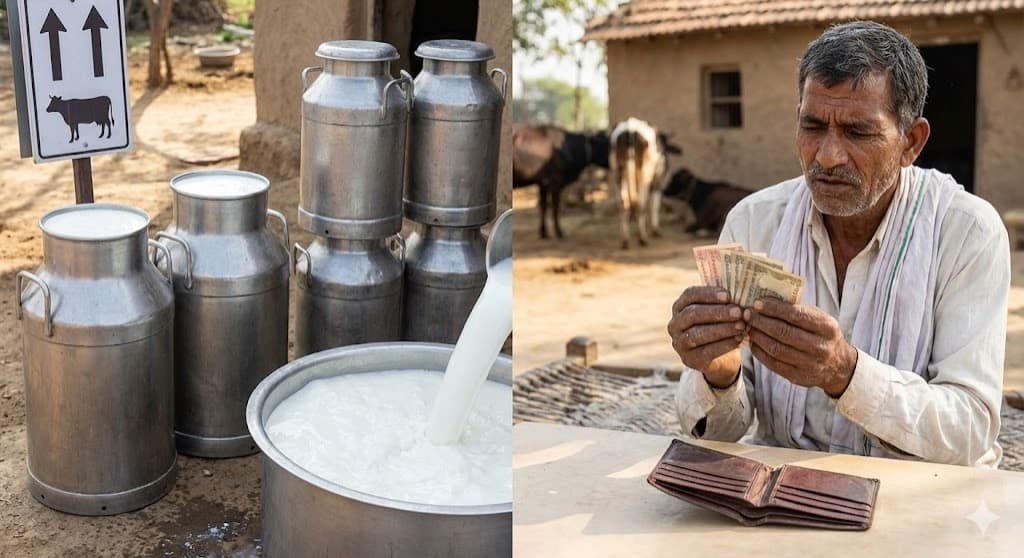
So it is always good to subsidise a valuable context. Currently the milk subsidies are creating surpluses which are then converted into commodities. The future must be to make value added products out of commodities with the judicious use of subsidies.
India has a very high bandwidth of average milk availability from around 100 to 450 ml in the four regions. The government may develop a master plan to normalise this milk availability; and also ensure that the milk is being converted into nutritional value-added dairy products and consumed by the neglected segment of the society.
The readers may also share their comments and insights on how to evolve a more responsible and impactful milk subsidy paradigm.
Source : A blog by Kuldeep Sharma, Chief editor Dairynews7x7