Logo
IndianGlobalBlogsPublicationsPodcastsMarketAboutContact
Logo
IndianGlobalBlogsPublicationsPodcasts
7News
TN Minister Urges Farmers to Adopt Tech for Value Addition in DairyListen to the Farm, Not the Farmer—The New Productivity LensWhat’s Driving Change In Beverages, FMCG And Dairy in 2025ED begins money laundering probe in dairy investment fraud caseIndo-Brazil pact aims to boost cattle genetics and dairy yield

Indian Dairy News

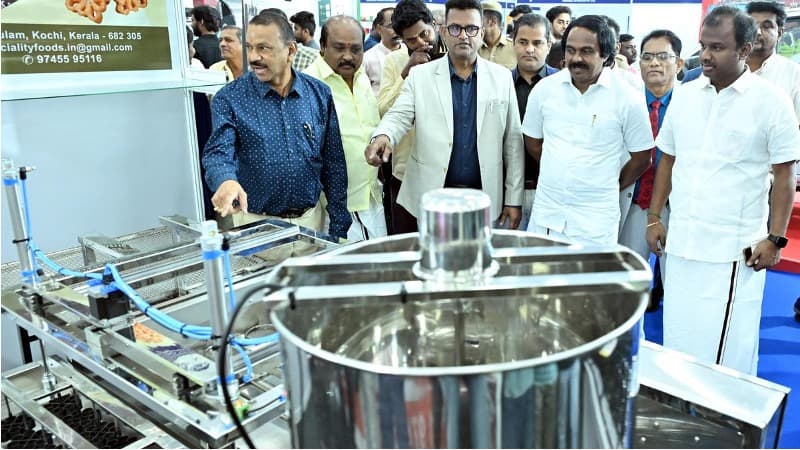
TN Minister Urges Farmers to Adopt Tech for Value Addition in Dairy
Dec 12, 2025

TN Minister Urges Farmers to Adopt Tech for Value Addition in Dairy

In Coimbatore this week, Tamil Nadu’s Minister for Milk and Dairy Development, Mano Thangaraj, called on dairy farmers to embrace modern technologies to boost productivity and value addition across th...Read More

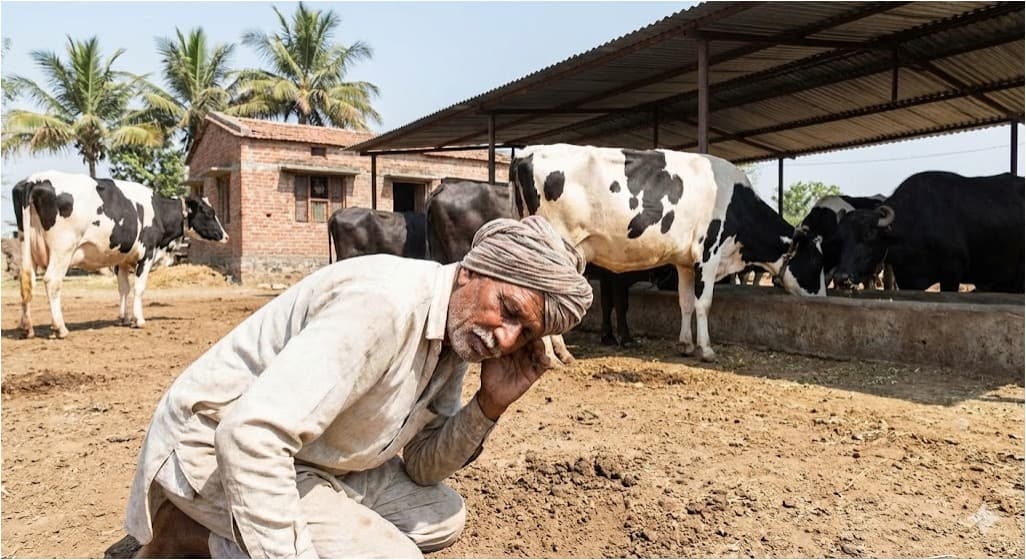
Listen to the Farm, Not the Farmer—The New Productivity Lens
Dec 12, 2025

Listen to the Farm, Not the Farmer—The New Productivity Lens

India’s dairy sector, valued at nearly $30 billion, has reached a point where incremental changes will not deliver the next breakthrough. For decades, improvement programs have focused on what farmers...Read More

What’s Driving Change In Beverages, FMCG And Dairy in 2025
Dec 12, 2025

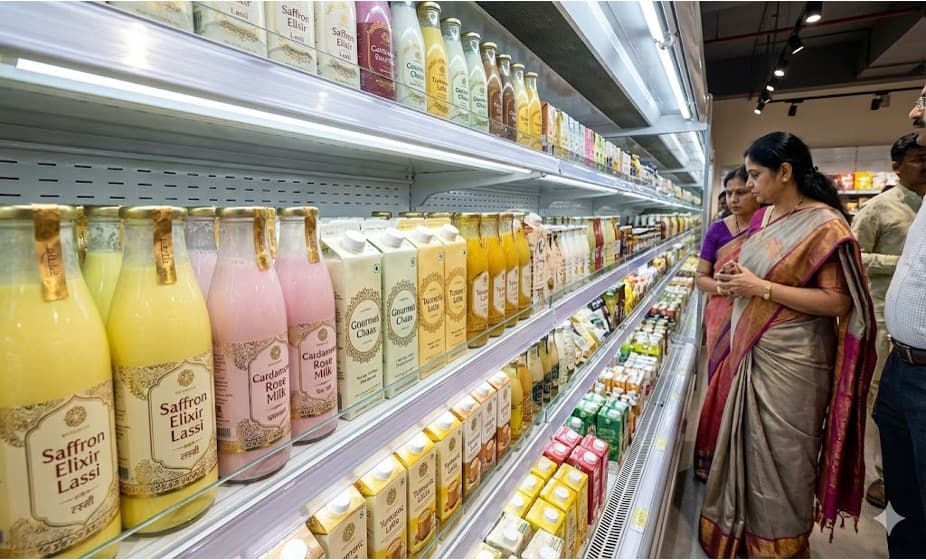
What’s Driving Change In Beverages, FMCG And Dairy in 2025

India’s retail landscape in 2025 was marked by a decisive shift in how consumers choose, consume and connect with brands. From beverages to daily nutrition and even the most essential dairy products,...Read More

Latest Blogs

See More
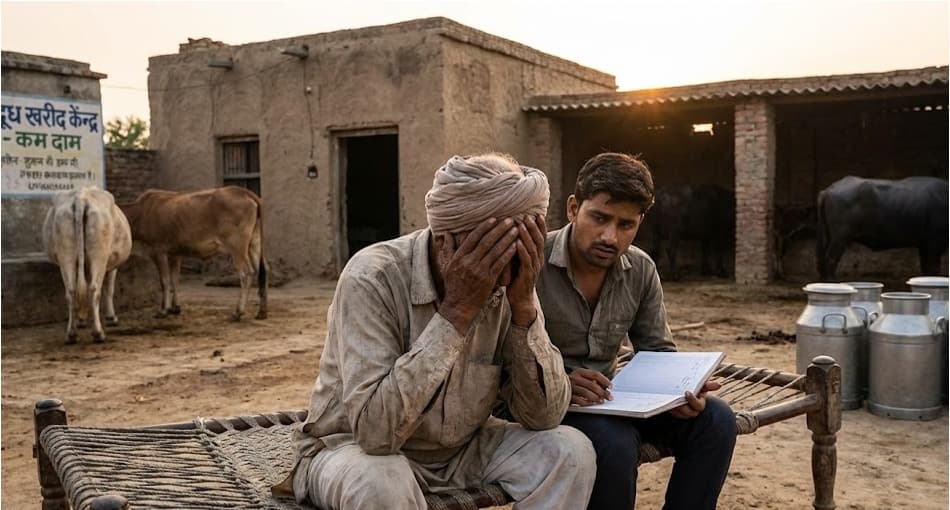
More Milk, Less Money: India’s Dairy Crisis
Dec 01, 2025

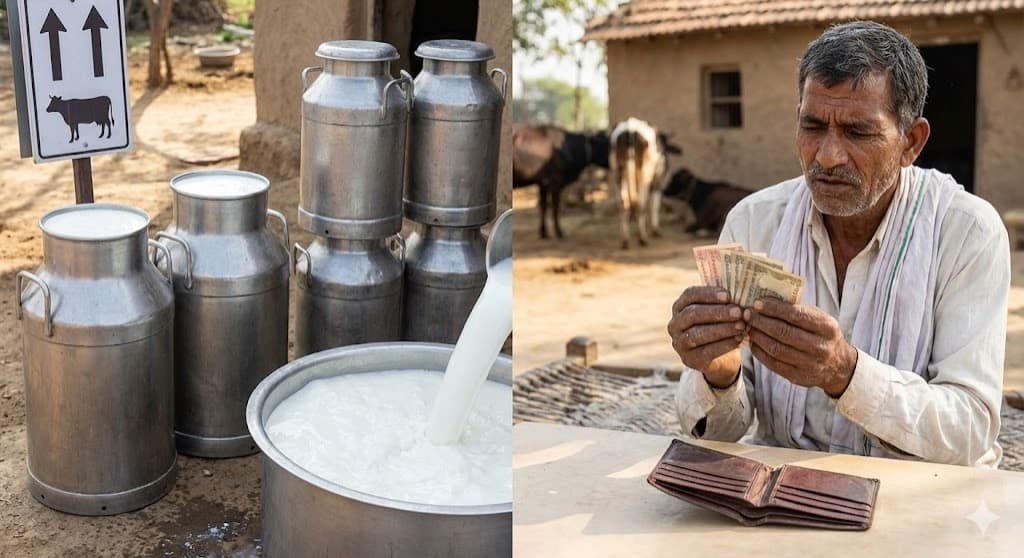
More Milk, Less Money: India’s Dairy Crisis

With the release of the BAHS 2025 summary report, I felt compelled to deep dive into its findings and reflect on the real progress and challenges facing India’s dairy sector. Over the last six years,...Read More

India Milk Prices: Cost Shock and Procurement Pressure
Nov 28, 2025

India Milk Prices: Cost Shock and Procurement Pressure

Milk prices in India face upward pressure as rising feed costs and procurement hikes reshape farm economics. Insight on dairy procurement, feed costs, and market outlook. Official government and coope...Read More

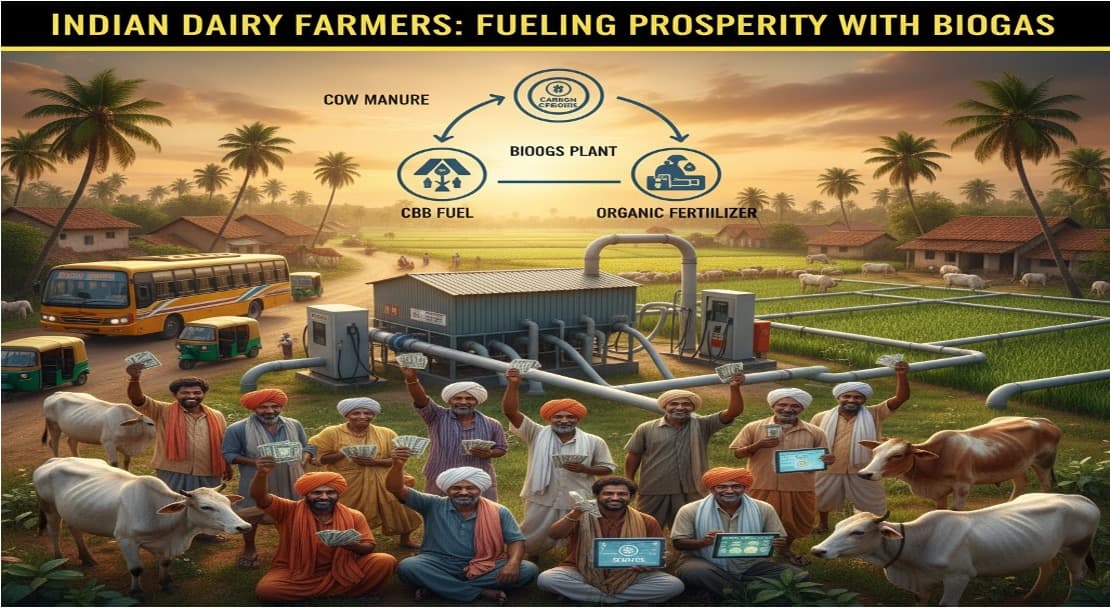
Stop Blaming, Start Claiming: Livestock’s Carbon Credit Future
Nov 16, 2025

Stop Blaming, Start Claiming: Livestock’s Carbon Credit Future

This week, I had the opportunity to attend an Agri Carbon Masterclass conducted by CII FACE. The deliberations, case studies, and discussions presented during the session were both insightful and thou...Read More

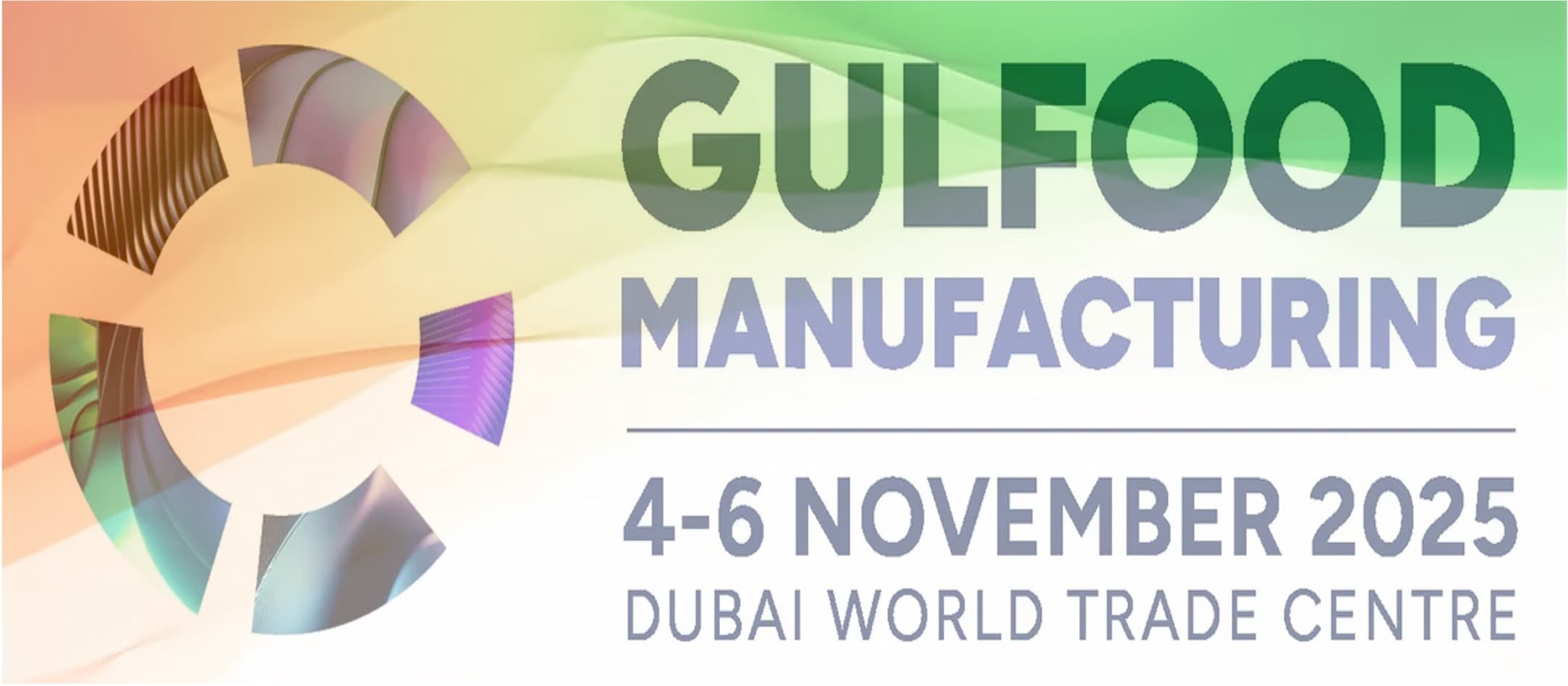
India Powers the Gulf’s Dairy Revolution -Gulf Food 2025
Oct 31, 2025

India Powers the Gulf’s Dairy Revolution -Gulf Food 2025

As Gulf Food Manufacturing prepares to open its doors from November 4–6 in Dubai, Indian dairy product and equipment manufacturers have a unique opportunity to explore one of the most promising region...Read More

Global Dairy News

Why the global milk business needs a structural shake-up
Dec 08, 2025

Why the global milk business needs a structural shake-up

The New Zealand dairy stalwart Fonterra has sold its consumer dairy-brands (milk, butter, cheese) — including “Anchor” and “Mainland Cheese” — to French agribusiness giant Lactalis in late October 202...Read More

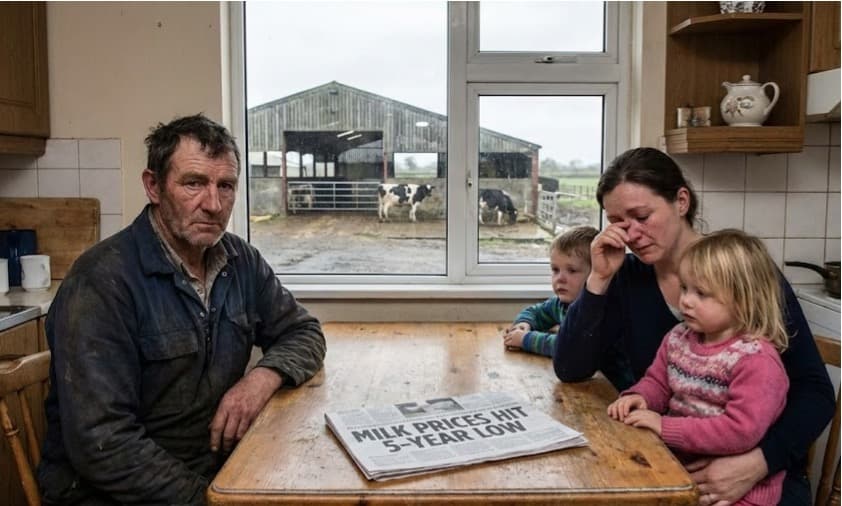
Raw-milk prices in Europe hit 5-yr low; ripple effect looms
Dec 07, 2025

Raw-milk prices in Europe hit 5-yr low; ripple effect looms

European raw-milk prices have plunged to their lowest in five years, as oversupply and weak demand weigh on dairy markets across the region. According to recent data from DCA Market Intelligence B.V.,...Read More

Global food prices ease; FAO dairy index slips — impact looms
Dec 06, 2025

Global food prices ease; FAO dairy index slips — impact looms

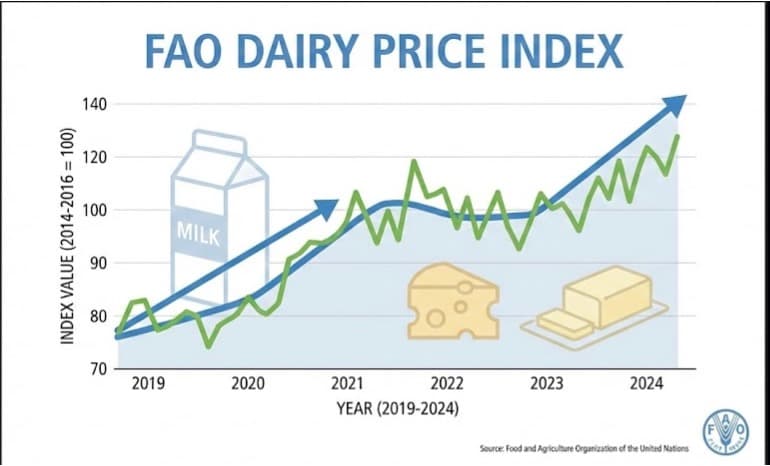
The FAO Dairy Price Index averaged 137.5 points in November, down 4.4 points (3.1 percent) from October and 2.4 points (1.7 percent) from its value a year ago. International dairy prices fell for the...Read More

Dairy News 7x7

Your trusted source for all the latest dairy industry news, market insights, and trending topics.

FOLLOW US
CATEGORIES
  • Global News
  • Indian News
  • Blogs
  • Publications
  • Podcasts
SUBSCRIBE TO OUR NEWSLETTER

Stay informed with the latest updates and trending news in the dairy industry.

No spam, unsubscribe at any time

GET IN TOUCH
C-49, C Block, Sector 65,
Noida, UP 201307
+91 7827405029dairynews7x7@gmail.com

© 2025 Dairy News 7x7. All Rights Reserved.

Terms of ServicePrivacy Policy

Rising input costs send wholesale milk prices up 10.2% in flush season

By DairyNews7x7•Published on December 29, 2022

India is in the middle of the flush season for milk production which runs from October to March. Wholesale milk prices increased 10.2 percent on-year in December 2022 against a marginal rise in general month-on-month wholesale prices at 0.6 percent, according to a report by ICCI.

Various factors such as the onset of the lumpy skin disease in cattle and a fodder shortage have raised the input costs for milk production which in turn has increased the cost of milk and dairy products.

Rising temperatures, shifting focus 

A warm Rabi season led to a drop in the production of wheat this year. The demand for maize from ethanol and starch makers and the trend of growing cereals led to a shortage in the production of wheat and maize which are used as fodder. According to a report by the Business Standard which cited industry experts, a rise in the price of wheat led to farmers underfeeding cattle which in turn contributed to a drop in per-animal milk production in this flush season.

A report by ICRA predicts a contraction in the operating profit margins of Indian dairy companies in FY2023 due to cost-side pressures as feed and fodder prices account for 70-80 percent of the milk production costs.

Parshottam Rupala the Fisheries, Animal Husbandry and Dairying Minister gave a written reply in the Parliament regarding the rise in fodder prices and said that the ICAR-Indian Grassland and Fodder Research Institute (IGFRI) in Jhansi estimates that there were deficits of 11.24 percent, 23.4 percent and 28.9 percent in green fodder, dry fodder and concentrates, respectively. The deficit has worsened this year.

Stocking Struggles 

A bearish start to the flush season has led many to believe that a shortage of milk products is likely in the months to come. In the light of the situation dairy companies are trying to stockpile their inventories, however this is happening at appreciably higher prices than before.

India is the world’s largest milk producer with an annual output of 210 million tonnes. It has a cattle count of about 200 million, according to a report by Moneycontrol. India has 30,000-40,000 tonnes of Skimmed Milk Product(SMP )stocks; they need to be around 250,000 tonnes by March to ensure adequate milk supplies in the lean months, Business Standard  said in its report citing industry sources.

“Milk procurement during peak season of July-October was observed lower by 6-7 percent on a year-on-year basis mainly because of poor milk yield on account of lumpy skin disease and higher fodder prices,” Pushan Sharma, director of research at CRISIL Market Intelligence and Analytics, told Moneycontrol earlier this month.

Sanjeev Balyan, minister of state for fisheries, animal husbandry and dairying dismissed the likelihood of a dairy shortage and said, “There is no shortage of milk anywhere and prices are high only due to increase in fodder cost”.

Lumpy Skin Disease 

The lumpy skin disease was first detected in India in 2019 and a major outbreak occurred  in July 2022. Since then the Centre and state governments have strived to control the outbreak via vaccinations.

The disease has claimed the lives of over 60,000 animals, according to data for September, the latest that is available, the disease severely affects the milk-producing ability of cattle.Rahul Kumar  the managing director at Lactalis India, a subsidiary of the French dairy conglomerate Lactalis told the Business Standard that the “Lumpy skin disease is largely prevalent among indigenous cow varieties, which anyway have very low per-animal yield. So, even if we assume that 200,000 cows might have died due to the disease, the per-day production would have gone down by 0.5 million litres and we produce 550 million litres of milk daily. Therefore, the impact is negligible”.

Swipe to continue reading

Previous Article

Next Article