
Logo
IndianGlobalBlogsPublicationsPodcastsMarketAboutContact
Logo
IndianGlobalBlogsPublicationsPodcasts
7News
TN Minister Urges Farmers to Adopt Tech for Value Addition in DairyListen to the Farm, Not the Farmer—The New Productivity LensWhat’s Driving Change In Beverages, FMCG And Dairy in 2025ED begins money laundering probe in dairy investment fraud caseIndo-Brazil pact aims to boost cattle genetics and dairy yield

Indian Dairy News

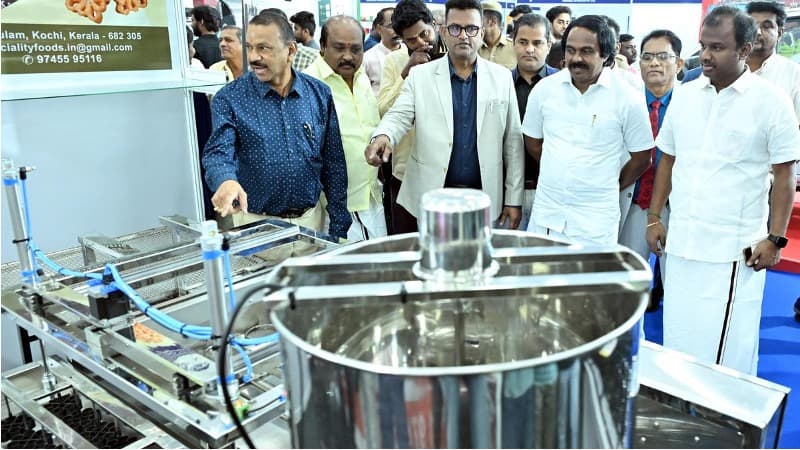
TN Minister Urges Farmers to Adopt Tech for Value Addition in Dairy
Dec 12, 2025

TN Minister Urges Farmers to Adopt Tech for Value Addition in Dairy

In Coimbatore this week, Tamil Nadu’s Minister for Milk and Dairy Development, Mano Thangaraj, called on dairy farmers to embrace modern technologies to boost productivity and value addition across th...Read More

Listen to the Farm, Not the Farmer—The New Productivity Lens
Dec 12, 2025

Listen to the Farm, Not the Farmer—The New Productivity Lens

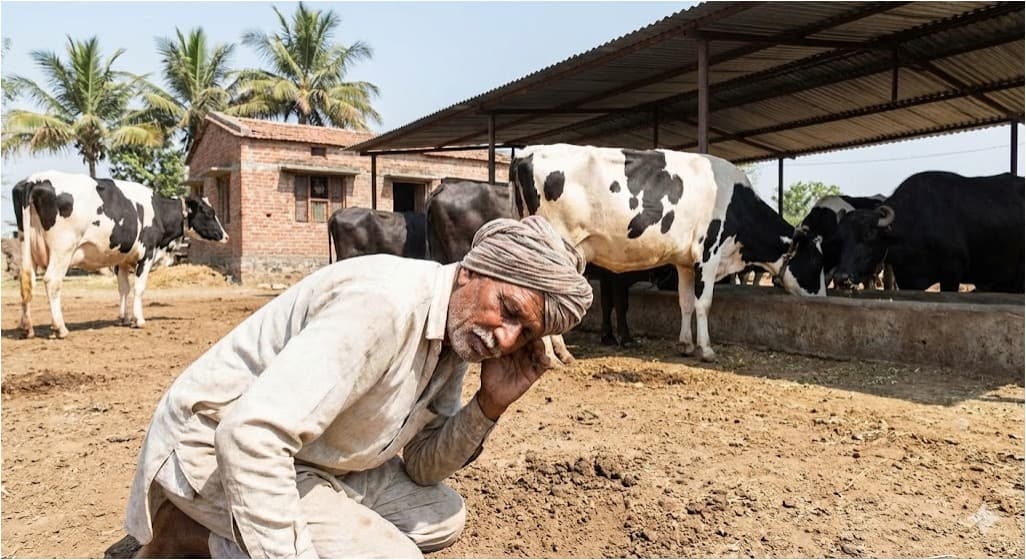
India’s dairy sector, valued at nearly $30 billion, has reached a point where incremental changes will not deliver the next breakthrough. For decades, improvement programs have focused on what farmers...Read More

What’s Driving Change In Beverages, FMCG And Dairy in 2025
Dec 12, 2025

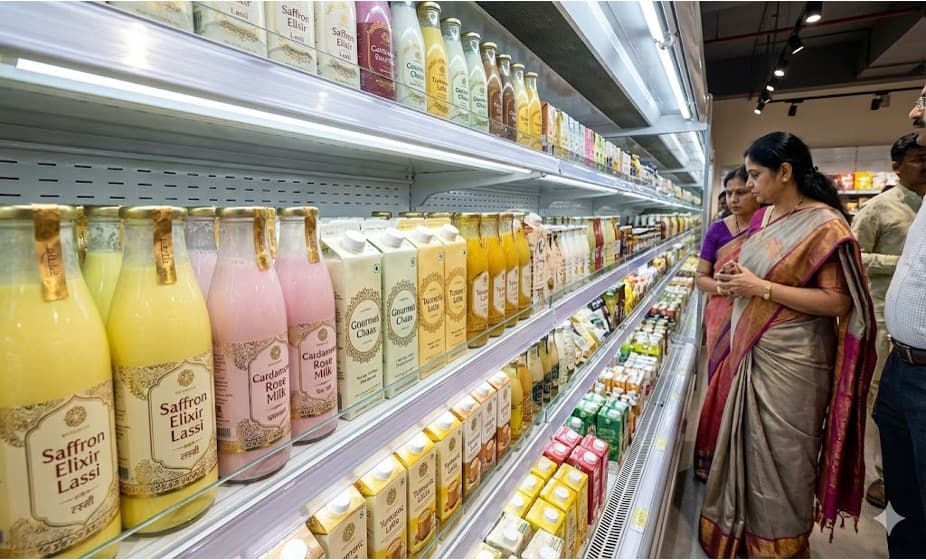
What’s Driving Change In Beverages, FMCG And Dairy in 2025

India’s retail landscape in 2025 was marked by a decisive shift in how consumers choose, consume and connect with brands. From beverages to daily nutrition and even the most essential dairy products,...Read More

Latest Blogs

See More
More Milk, Less Money: India’s Dairy Crisis
Dec 01, 2025

More Milk, Less Money: India’s Dairy Crisis

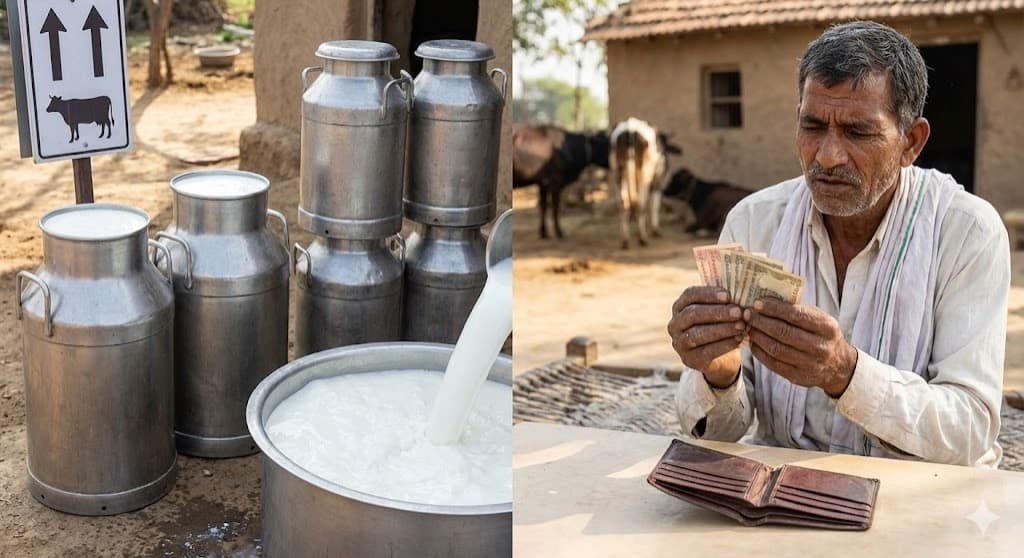
With the release of the BAHS 2025 summary report, I felt compelled to deep dive into its findings and reflect on the real progress and challenges facing India’s dairy sector. Over the last six years,...Read More

India Milk Prices: Cost Shock and Procurement Pressure
Nov 28, 2025

India Milk Prices: Cost Shock and Procurement Pressure

Milk prices in India face upward pressure as rising feed costs and procurement hikes reshape farm economics. Insight on dairy procurement, feed costs, and market outlook. Official government and coope...Read More

Stop Blaming, Start Claiming: Livestock’s Carbon Credit Future
Nov 16, 2025

Stop Blaming, Start Claiming: Livestock’s Carbon Credit Future

This week, I had the opportunity to attend an Agri Carbon Masterclass conducted by CII FACE. The deliberations, case studies, and discussions presented during the session were both insightful and thou...Read More

India Powers the Gulf’s Dairy Revolution -Gulf Food 2025
Oct 31, 2025

India Powers the Gulf’s Dairy Revolution -Gulf Food 2025

As Gulf Food Manufacturing prepares to open its doors from November 4–6 in Dubai, Indian dairy product and equipment manufacturers have a unique opportunity to explore one of the most promising region...Read More

Global Dairy News

Why the global milk business needs a structural shake-up
Dec 08, 2025

Why the global milk business needs a structural shake-up

The New Zealand dairy stalwart Fonterra has sold its consumer dairy-brands (milk, butter, cheese) — including “Anchor” and “Mainland Cheese” — to French agribusiness giant Lactalis in late October 202...Read More

Raw-milk prices in Europe hit 5-yr low; ripple effect looms
Dec 07, 2025

Raw-milk prices in Europe hit 5-yr low; ripple effect looms

European raw-milk prices have plunged to their lowest in five years, as oversupply and weak demand weigh on dairy markets across the region. According to recent data from DCA Market Intelligence B.V.,...Read More

Global food prices ease; FAO dairy index slips — impact looms
Dec 06, 2025

Global food prices ease; FAO dairy index slips — impact looms

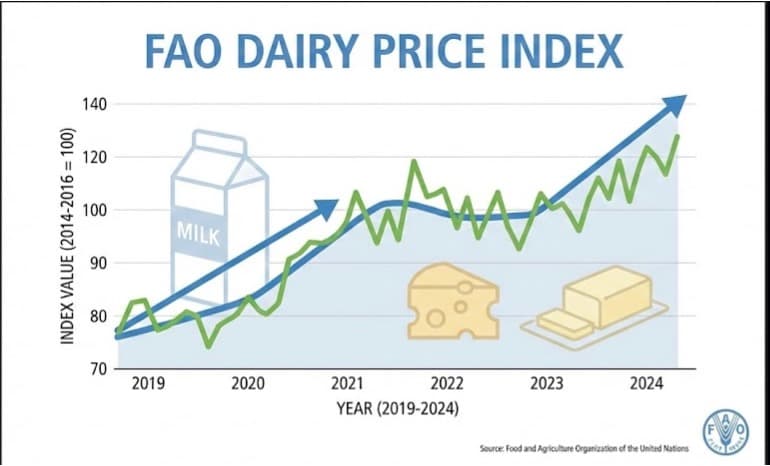
The FAO Dairy Price Index averaged 137.5 points in November, down 4.4 points (3.1 percent) from October and 2.4 points (1.7 percent) from its value a year ago. International dairy prices fell for the...Read More

Dairy News 7x7

Your trusted source for all the latest dairy industry news, market insights, and trending topics.

FOLLOW US
CATEGORIES
  • Global News
  • Indian News
  • Blogs
  • Publications
  • Podcasts
SUBSCRIBE TO OUR NEWSLETTER

Stay informed with the latest updates and trending news in the dairy industry.

No spam, unsubscribe at any time

GET IN TOUCH
C-49, C Block, Sector 65,
Noida, UP 201307
+91 7827405029dairynews7x7@gmail.com

© 2025 Dairy News 7x7. All Rights Reserved.

Terms of ServicePrivacy Policy

Only 0.25% drop in milk collection’-Amul’ MD dispels fears about LSD

By DairyNews7x7•Published on August 14, 2022

The lumpy skin disease outbreak in cattle — in Gujarat, among other states — has had a marginal impact on milk production in Anand district, the milk capital of India, with a dip of just 0.25 per cent in daily collection, according to R.S. Sodhi, managing director of the Gujarat Cooperative Milk Marketing Federation Ltd or Amul.

“The disease lasts for just a few days, and during the course of the disease the animal gets weak, because the cow would be eating less. Naturally, the production of the milk during those 10 to 12 days may reduce,” Sodhi told ThePrint in an interview.

He added: “Out of our daily milk collection of about 2 crore litres per day, we were collecting around 50,000 litres less. That is just 0.25 per cent of the total collection.”

Anand is famous for the milk revolution brought about by Dr Verghese Kurien — regarded as the ‘Milkman of India’ — which made dairy farming India’s largest self-sustaining industry.

Under this model, instead of running huge dairy farms with large cattle populations, milk is procured from every small farmer willing to sell milk to the federation.

The lumpy skin disease — an outbreak of which is reported to have killed thousands of cattle head across Gujarat and other states like Rajasthan and Punjab over the past month or so — affects the milk-producing capacity of infected cows.

It was feared that milk production in Anand would be hit as well, but Sodhi played down the concerns.

Even the “marginal loss”, he said, “is now being offset by a good monsoon”. “Because of the good monsoon, our procurement is increasing day by day,” he added.

Cattle produce the least amount of milk in the summer because the heat causes stress,  impacting milk production. However, as monsoon and winter set in, milk production increases because of the weather is more comfortable for the cattle, Sodhi explained.

Caused by a capripox virus, the lumpy cow disease affects both cows and buffaloes. In Gujarat, the outbreak has been reported more among cows, according to district officials.

There is currently no cure for the disease, and treatment mostly targets clinical symptoms. The vaccine being currently administered is the same as that for the goatpox virus, although two institutes of the Indian Council of Agricultural Research have now reportedly developed an indigenous vaccine for the disease, which the Union government is planning to commercialise.

‘Amul’s vets working on vaccinating cattle’

Talking about the extensive vaccination programme being undertaken in Gujarat, Sodhi said, “Fortunately, there is a very affordable vaccine available”. 

The goatpox vaccine being used against lumpy skin disease costs Rs 6.5 and district administrations are providing it free of cost, with the help of doctors from cooperatives.

In Anand, the Gujarat government and Amul are working together to vaccinate cattle.

“Amul has more than 1,100 veterinarians who are working on this (the vaccination drive) to control the spread. Around 27 to 28 lakh animals have already been vaccinated in Anand,” Sodhi added.

Talking about the impact of the disease in Gujarat being more on cows than buffaloes, Sodhi said 58 per cent of the milk in Gujarat comes from buffaloes and 42 per cent from cows.

This is one reason why the milk collection in Anand has been only marginally hit, he said.

The other reason, according to him, is that strays and abandoned cattle are being affected by the disease more than domesticated animals.

“Animals that are in cow shelters are not as well taken care of as the animals kept by farmers. Immunity is low, so they get affected more,” Sodhi said, adding that in cow shelters the animals are also crowded in a small space, which helps the spread of the disease.

Swipe to continue reading

Previous Article

Next Article