Nearly nine out of every 10 dairy and gaushala establishments assessed in Delhi are operating without authorisation, highlighting a growing environmental and regulatory challenge for the capital's dairy sector.
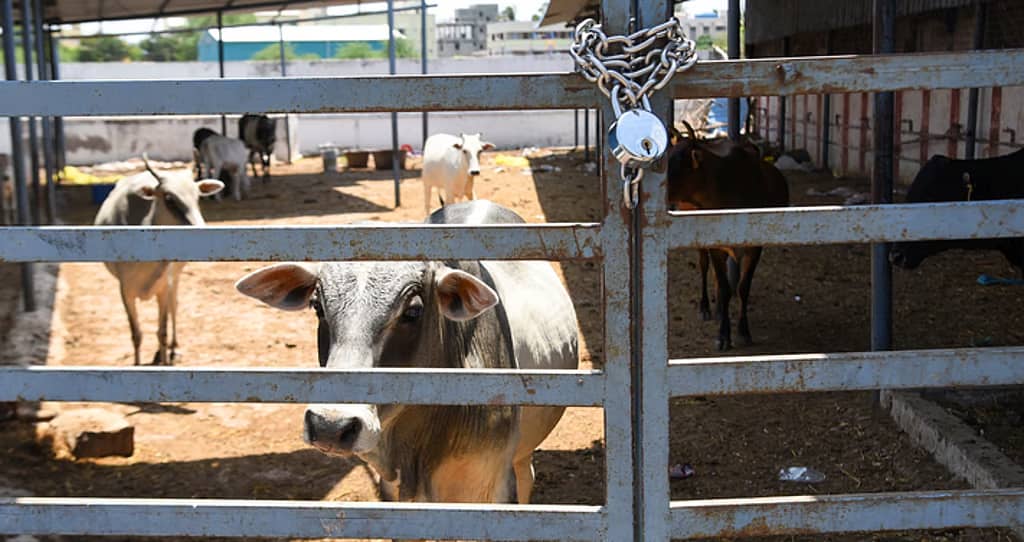
According to a report published by The New Indian Express, 500 out of 557 dairy and gaushala units assessed by Delhi agencies were found to be unauthorised. These establishments house more than 22,000 cattle and generate approximately 275 metric tonnes of waste every day.
The unchecked operation of these establishments is contributing to water and soil contamination, drainage blockages and pollution in environmentally sensitive areas, including the Yamuna floodplains.
The findings have renewed concerns over dairy waste management, regulatory compliance and the environmental impact of unorganised dairy operations in Delhi.
500 Out of 557 Assessed Dairy Units Found Unauthorised
The scale of unauthorised dairy operations is reflected in the assessment of 557 dairy and gaushala establishments conducted by Delhi agencies.
Of these, 500 establishments were identified as unauthorised, representing approximately 90% of the assessed units.
Untreated Cattle Waste Adds to Yamuna Pollution
Improper disposal of cattle dung, urine and wastewater has emerged as a major environmental concern.
Waste generated by unauthorised dairy establishments can enter open drains, contaminate surrounding soil and eventually reach water bodies.
The reported environmental impacts include:
-
Water pollution: Untreated dairy wastewater and animal waste can contaminate local water bodies and contribute to Yamuna pollution.
-
Drainage blockages: Improper disposal of cattle dung can choke drainage networks.
-
Soil contamination: Unmanaged animal waste can affect surrounding land.
-
Public health concerns: Poor sanitation and unhygienic cattle housing can create risks for residents and livestock.
-
Traffic congestion: Cattle released onto public roads can obstruct traffic and increase accident risks.
The presence of unauthorised dairies in environmentally sensitive areas, particularly along the Yamuna floodplains, has added urgency to the issue.
Delhi Pollution Control Committee Tightens Regulatory Requirements
In a parallel development, the Delhi Pollution Control Committee (DPCC) has directed dairy farms and gaushalas operating in the capital to apply for mandatory environmental clearances within 15 days of its public notice.
The directions require applicable establishments to obtain:
-
Consent to Establish (CTE): Environmental approval required before establishing regulated operations.
-
Consent to Operate (CTO): Permission required for operating the establishment under applicable pollution-control regulations.
The requirements fall under the Water (Prevention and Control of Pollution) Act, 1974, and the Air (Prevention and Control of Pollution) Act, 1981.
The directions follow the National Green Tribunal's May 20, 2020 order and the Central Pollution Control Board's environmental management guidelines for dairy farms and gaushalas.
Under the CPCB classification, dairy farms with 15–100 animals and 101–500 animals fall under the Orange category, while farms housing more than 500 animals are classified under the Red category. Gaushalas are placed in the Green category.
Non-compliance may invite further regulatory action.
Delhi's dairy waste management challenge is also prompting discussions around large-scale waste-processing infrastructure.
According to earlier government findings reported by The Times of India, the 557 assessed establishments collectively generated approximately 1,500 metric tonnes of dairy waste daily.
The government has proposed biogas facilities at:
-
Ghazipur Dairy
-
Ghazipur Paper Market
-
Bhalswa Dairy
The proposed Ghazipur Dairy facility is expected to have a processing capacity of 300 tonnes per day, while the other facilities are planned with capacities ranging from 125 to 200 tonnes per day.
These projects are intended to convert dairy waste into useful resources while reducing the volume of untreated waste entering the city's drainage and water systems.
The Municipal Corporation of Delhi has also signed a Memorandum of Understanding with the National Dairy Development Board (NDDB) to support dairy waste-processing initiatives.
What This Means for Delhi's Dairy Industry
The findings highlight the need for a more organised and environmentally responsible dairy ecosystem.
While dairy farming provides livelihoods and supports urban milk demand, inadequate waste management and unregulated operations can create significant environmental and public health challenges.
For Delhi, addressing the problem will require more than regulatory notices. Effective monitoring, proper cattle housing, scientific waste treatment and access to organised dairy infrastructure will be equally important.
The proposed biogas facilities and stricter pollution-control requirements represent steps towards addressing these concerns.
The bigger question for India's dairy industry: Can urban dairy operations become environmentally sustainable without compromising the livelihoods of small dairy farmers?
Source: Read full story here 28 Nov, 2026 Edited and Reported by
#DelhiDairies #DairyWasteManagement #EnvironmentalCompliance #DairyIndustry #YamunaPollution #DairyFarming #DairyNews7x7
Never miss an important dairy update
Follow DairyNews7x7 on Google to get live milk prices, policy alerts, and daily headlines directly in your feed.