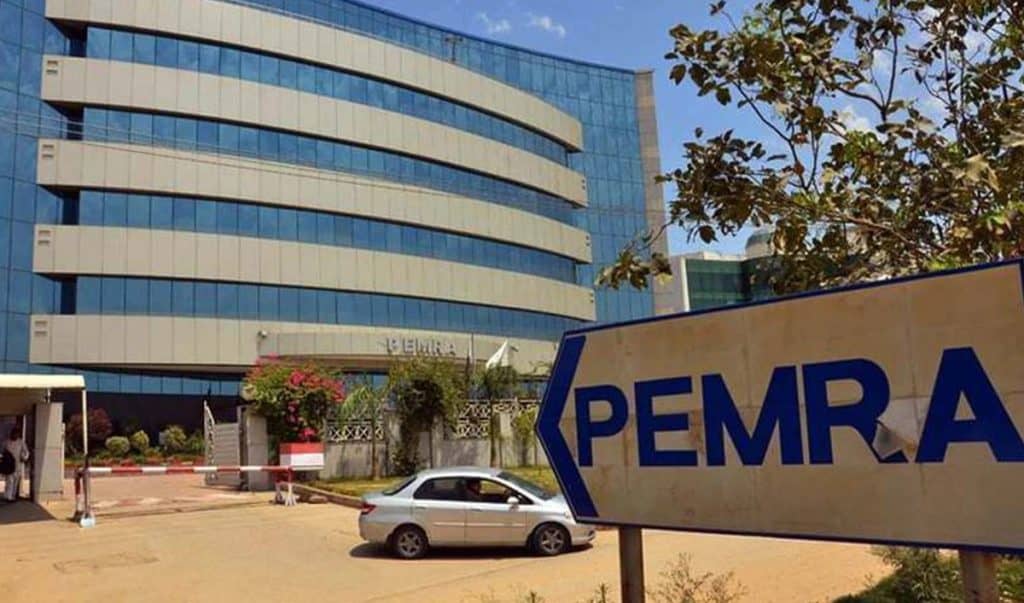
Maharashtra's Food and Drug Administration (FDA), led by Commissioner Tukaram Mundhe, is facing opposition from food industry stakeholders over its strict enforcement approach, particularly the suspension of business licences following food safety violations.
The controversy centres on concerns that a single failed food sample could trigger licence suspension, creating uncertainty for food manufacturers, dairy processors, distributors and retailers.
The debate highlights a critical question for India's food industry: should one failed sample be sufficient grounds for suspending an entire business licence?
Food Industry Raises Concerns Over Strict Enforcement
Food industry representatives have questioned the proportionality of regulatory action, particularly where licence suspensions follow individual sample failures.
Their concerns focus on the potential business consequences of immediate suspension, including disruption of production, distribution and commercial operations.
For dairy businesses, where products such as milk, paneer, khoya, ghee and other perishable items require continuous processing and distribution, licence-related disruptions can have significant operational and financial implications.
Legal Framework Allows Improvement Notices and Suspension
Under Section 32 of the Food Safety and Standards Act, 2006, food safety authorities can issue an improvement notice when a food business operator fails to comply with regulatory requirements.
The business must generally receive at least 14 days to correct the identified violations.
However, the law also provides an exception allowing immediate licence suspension in the interest of public health, provided the reasons are recorded in writing.
This distinction between routine non-compliance and an immediate public-health risk has become central to the debate.
Industry Questions Proportionality of FDA Action
Food businesses have raised concerns about the impact of strict enforcement on manufacturers, retailers and distributors.
Industry stakeholders argue that regulatory action should consider the nature and severity of violations, the actual risk to consumers and the opportunity available to businesses to correct deficiencies.
The concerns are particularly relevant to dairy businesses because:
-
Milk and milk products are highly perishable and depend on uninterrupted processing and distribution.
-
A licence suspension can disrupt procurement from farmers and supply to retailers.
-
A disputed or isolated sample failure can create financial and reputational consequences.
-
Manufacturers need transparent sampling procedures and opportunities to challenge disputed laboratory findings.
Bombay High Court Emphasises Due Process
The enforcement approach has also faced judicial scrutiny.
In several cases involving dairies, milk vendors and food establishments, the Bombay High Court questioned immediate licence suspensions where authorities had not followed the prescribed improvement-notice procedure.
The court emphasised that immediate suspension should be justified by compelling public-health concerns and that regulatory action must be proportionate and fair.
Under the Food Safety and Standards Act, businesses can also challenge regulatory decisions through the prescribed legal process.
Maharashtra's Food Safety Drive Intensifies
The enforcement campaign has been substantial.
According to Maharashtra FDA figures, the department suspended 954 licences and registrations after inspecting 9,667 establishments between September 1 and November 3, 2026.
At the national level, FSSAI reported 1,133 licence suspensions between September 1 and November 5 as part of its festive-season food safety drive.
What This Means for India's Dairy Industry
The controversy highlights the need to balance strict food safety enforcement with procedural fairness.
For dairy processors, cooperatives and food manufacturers, four issues deserve attention:
-
Food safety first: Unsafe and adulterated products must be prevented from reaching consumers.
-
Scientific testing: Sampling and laboratory procedures should be transparent, reliable and legally compliant.
-
Proportionate enforcement: Regulatory action should reflect the severity of the violation and the actual public-health risk.
-
Business continuity: Fair compliance procedures can protect consumers without unnecessarily disrupting legitimate dairy operations.
The larger question facing India's food industry is not whether food safety regulations should be strict. They should.
The real question is whether enforcement can be made equally strict, transparent and consistent for every food business.
Source: Read full story here 26 Nov, 2026 Edited and Reported by
#FoodSafety #DairyRegulations #DairyNews7x7
Never miss an important dairy update
Follow DairyNews7x7 on Google to get live milk prices, policy alerts, and daily headlines directly in your feed.