Logo
IndianGlobalBlogsPublicationsPodcastsMarketAboutContact
Logo
IndianGlobalBlogsPublicationsPodcasts
7News
TN Minister Urges Farmers to Adopt Tech for Value Addition in DairyListen to the Farm, Not the Farmer—The New Productivity LensWhat’s Driving Change In Beverages, FMCG And Dairy in 2025ED begins money laundering probe in dairy investment fraud caseIndo-Brazil pact aims to boost cattle genetics and dairy yield

Indian Dairy News

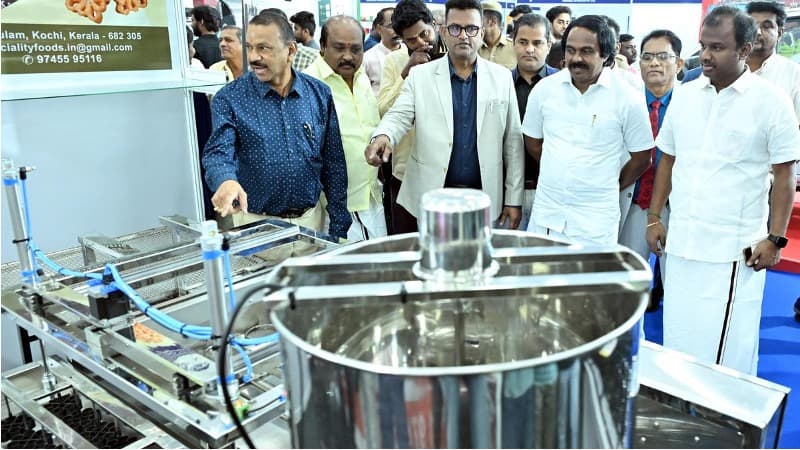
TN Minister Urges Farmers to Adopt Tech for Value Addition in Dairy
Dec 12, 2025

TN Minister Urges Farmers to Adopt Tech for Value Addition in Dairy

In Coimbatore this week, Tamil Nadu’s Minister for Milk and Dairy Development, Mano Thangaraj, called on dairy farmers to embrace modern technologies to boost productivity and value addition across th...Read More

Listen to the Farm, Not the Farmer—The New Productivity Lens
Dec 12, 2025

Listen to the Farm, Not the Farmer—The New Productivity Lens

India’s dairy sector, valued at nearly $30 billion, has reached a point where incremental changes will not deliver the next breakthrough. For decades, improvement programs have focused on what farmers...Read More

What’s Driving Change In Beverages, FMCG And Dairy in 2025
Dec 12, 2025

What’s Driving Change In Beverages, FMCG And Dairy in 2025

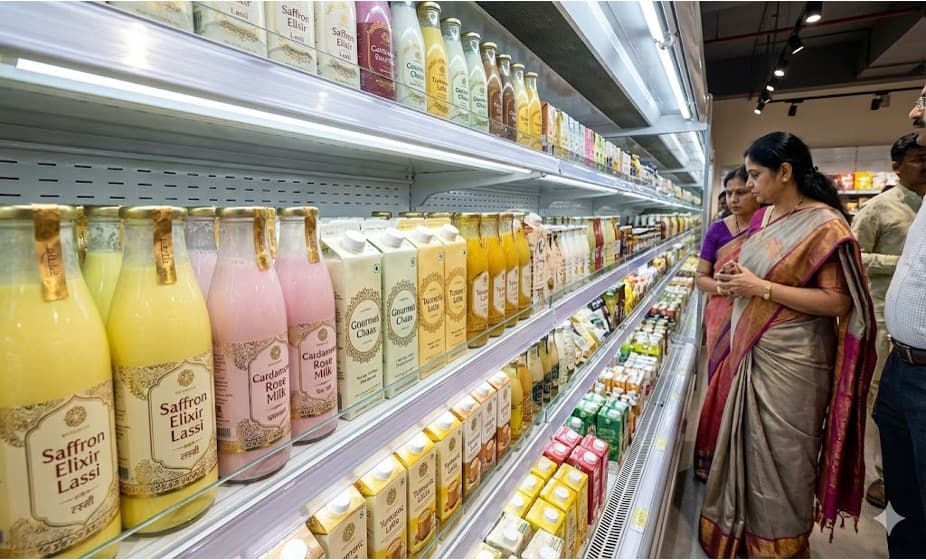
India’s retail landscape in 2025 was marked by a decisive shift in how consumers choose, consume and connect with brands. From beverages to daily nutrition and even the most essential dairy products,...Read More

Latest Blogs

See More
More Milk, Less Money: India’s Dairy Crisis
Dec 01, 2025

More Milk, Less Money: India’s Dairy Crisis

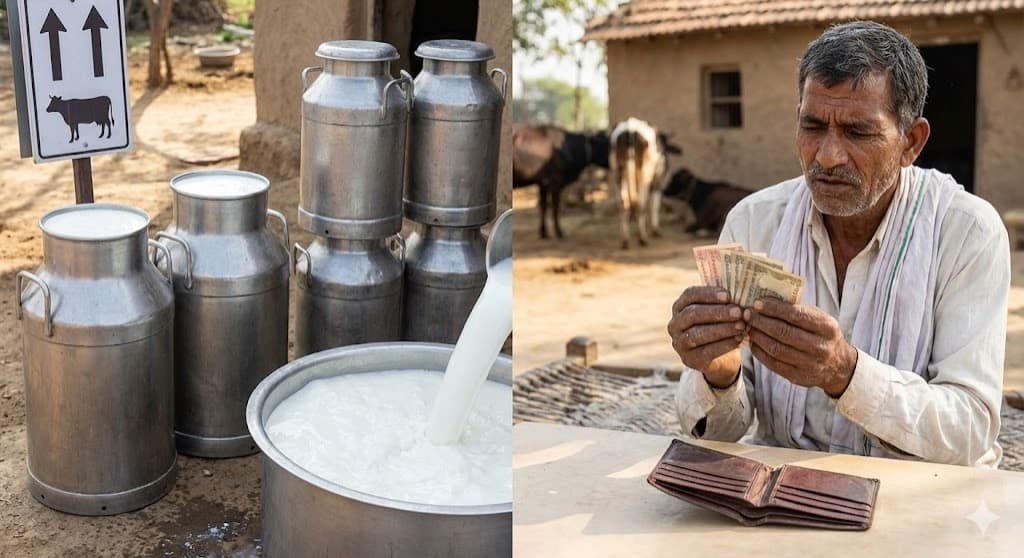
With the release of the BAHS 2025 summary report, I felt compelled to deep dive into its findings and reflect on the real progress and challenges facing India’s dairy sector. Over the last six years,...Read More

India Milk Prices: Cost Shock and Procurement Pressure
Nov 28, 2025

India Milk Prices: Cost Shock and Procurement Pressure

Milk prices in India face upward pressure as rising feed costs and procurement hikes reshape farm economics. Insight on dairy procurement, feed costs, and market outlook. Official government and coope...Read More

Stop Blaming, Start Claiming: Livestock’s Carbon Credit Future
Nov 16, 2025

Stop Blaming, Start Claiming: Livestock’s Carbon Credit Future

This week, I had the opportunity to attend an Agri Carbon Masterclass conducted by CII FACE. The deliberations, case studies, and discussions presented during the session were both insightful and thou...Read More

India Powers the Gulf’s Dairy Revolution -Gulf Food 2025
Oct 31, 2025

India Powers the Gulf’s Dairy Revolution -Gulf Food 2025

As Gulf Food Manufacturing prepares to open its doors from November 4–6 in Dubai, Indian dairy product and equipment manufacturers have a unique opportunity to explore one of the most promising region...Read More

Global Dairy News

Why the global milk business needs a structural shake-up
Dec 08, 2025

Why the global milk business needs a structural shake-up

The New Zealand dairy stalwart Fonterra has sold its consumer dairy-brands (milk, butter, cheese) — including “Anchor” and “Mainland Cheese” — to French agribusiness giant Lactalis in late October 202...Read More

Raw-milk prices in Europe hit 5-yr low; ripple effect looms
Dec 07, 2025

Raw-milk prices in Europe hit 5-yr low; ripple effect looms

European raw-milk prices have plunged to their lowest in five years, as oversupply and weak demand weigh on dairy markets across the region. According to recent data from DCA Market Intelligence B.V.,...Read More

Global food prices ease; FAO dairy index slips — impact looms
Dec 06, 2025

Global food prices ease; FAO dairy index slips — impact looms

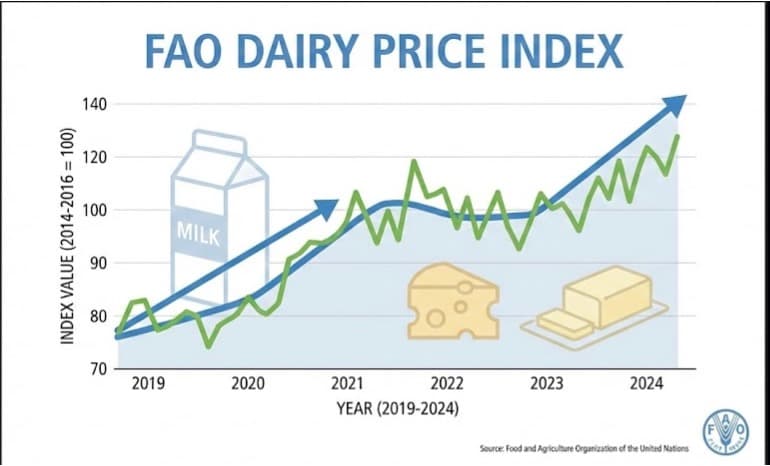
The FAO Dairy Price Index averaged 137.5 points in November, down 4.4 points (3.1 percent) from October and 2.4 points (1.7 percent) from its value a year ago. International dairy prices fell for the...Read More

Dairy News 7x7

Your trusted source for all the latest dairy industry news, market insights, and trending topics.

FOLLOW US
CATEGORIES
  • Global News
  • Indian News
  • Blogs
  • Publications
  • Podcasts
SUBSCRIBE TO OUR NEWSLETTER

Stay informed with the latest updates and trending news in the dairy industry.

No spam, unsubscribe at any time

GET IN TOUCH
C-49, C Block, Sector 65,
Noida, UP 201307
+91 7827405029dairynews7x7@gmail.com

© 2025 Dairy News 7x7. All Rights Reserved.

Terms of ServicePrivacy Policy

“New” lactic acid bacteria can make African camel milk safe

By DairyNews7x7•Published on September 23, 2020


A research project headed by the Technical University of Denmark, DTU, has come up with a formula. It is for a freeze-dried starter culture that African camel milk farmers can use to make safe, fermented milk products.

The majority of the world’s camels are located in East Africa, where they are a common dairy animal. Camel milk constitutes upwards of 9% of the total milk production of Africa. The farmers, who milk the animals, sell much of the milk as fermented product in local markets or roadside stalls.

The fermentation process occurs spontaneously as the farmers have no cooling facilities. Given that the level of hygiene is often poor, the milk often also contains disease-causing microorganisms . Such as E.coli and salmonella, which have the opportunity to multiply in the lukewarm milk.

“New” bacteria ferment the milk and increase safety

In a research project, researchers from the National Food Institute, TUD, have found a way of making milk safer. The research was conducted in partnership with the University of Copenhagen, food ingredient producer Chr. Hansen and Haramaya University in Ethiopia. It was partly funded by Denmark’s development cooperation programme, DANIDA.

The researchers have isolated new strains of lactic acid bacteria from raw camel milk. This can be used in a starter culture that both acidifies the milk. And further kills off even very large amounts of various disease-causing microorganisms in the milk. To the researchers’ knowledge, this is the first time research has shown that these bacteria can be used to make camel milk products safer to consume.

Research relay race

The research in the five-year project was conducted partly with the help of a number of students at both the Technical University of Denmark and Haramaya University, who–over time–have passed on the baton. In total, ten students from the National Food Institute have spent a semester in Ethiopia, including three Bachelor of Engineering in Food Safety and Quality, who have found the formula for a freeze-dried, quality controlled starter culture based on the bacteria.

The trio’s experiments have shown that five liters of milk can make enough starter culture to produce half a million liters of safe, fermented camel milk. However, the researchers responsible for the camel milk project recommend that farmers heat-treat the milk to reduce the amount of disease-causing microorganisms in the milk as much as possible before adding the starter culture.

The three students-Line Kongeskov Frimann, Laura Pontoppidan and Louise Marie Matzen-found it to be an exciting and stimulating challenge to conduct a project of engineering relevance in a cooperation between two such different universities.

Foodborne diseases kill more often in Africa

Countries like Denmark have an effective health system that can quickly help people who are unfortunate enough to get sick from something they eat or drink. However, in Africa, the health care system is less robust. A foodborne illness that causes diarrhea and vomiting can quickly make a patient dehydrated, and without access to medical care, the illness can be fatal.

African researchers estimate that food poisoning kills 137,000 people on the continent annually. For Haramaya University, the project is an important element in the university’s work to develop sustainable solutions and increase food safety in Ethiopia.

Research article

The work on isolating the strains from the camel milk is described in further detail in a scientific article in the International Dairy Journal: Antimicrobial activity of novel Lactococcus lactis strains against Salmonella Typhimurium DT12, Escherichia coli O157:H7 VT− and Klebsiella pneumoniae in raw and pasteurised camel milk.

First author Esben Bragason wrote the article during the last semester of his Masters course, while the research laboratories at the DTU were closed down during the spring of 2020–along with much of the rest of Denmark. The article is based on his research, which documents the bacteria strains’ antimicrobial effect.

The project has received approximately 1.1 million Euro in funding from DANIDA. It also received funding from e.g. Laurits Andersen’s Fund. Read about the project in DTU’s research database

Swipe to continue reading

Previous Article

Next Article