
Milk production makes white revolution in Bangladesh
Bangladesh has achieved remarkable success in milk production in recent years as the production amount has increased by manifolds.
At present, 83.45 per cent of the total demand for milk is met from local sources, according to the Department of Livestock Services (DLS) data.
Stakeholders said milk production has risen in recent times due to the spread of information technology, employment generating scope for young people and expatriates’ investment in the sector.
DLS data shows that 95.68 lakh tonnes of milk were produced in the last eight months (till February) against the production target of 140.10 lakh tonnes for the ongoing 2022-23 financial year.
Data also shows that the annual milk production was 50.70 lakh tonnes in FY2012-13 and it jumped to 130.74 lakh tonnes in FY2021-22.
Also, the annual milk production was 119.85 lakh tonnes in FY2020-21, 106.80 lakh tonnes in FY2019-20, 99.21 lakh tonnes in FY2018-19, and 94.06 lakh tonnes in FY2017-18, according to DLS data.
DLS Director (Production) Dr ABM Khaleduzzaman told The Business Post that the revolutionary change came due to several steps, including the improved breed of cows through artificial insemination, training, technical support and creating awareness.
“Our success in artificial insemination is the key factor behind the white revolution in milk production in the country,” he said. “Due to artificial insemination, we are now getting up to 4.5 litres of milk from each local cow. Earlier, we used to get only 2 litres from the same cow.”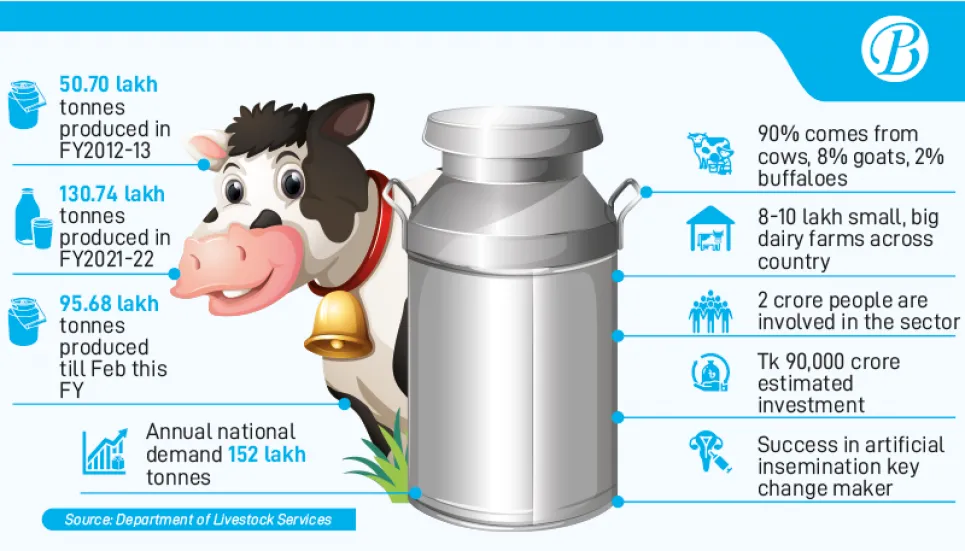
“Also, we are now getting on average 10 litres of milk from a Shankar breed cow, where we used to get only 5 litres from the same cow earlier,” he added.
With the help of DLS, farmers are now cultivating improved breed grass in the country and that is improving milk yields from cows, he said.
Bangladesh Dairy Farmers’ Association (BDFA) General Secretary Shah Emran also told The Business Post that the sector saw revolutionary growth in recent years due to the rising involvement of young people, the development of information technology and expatriates’ investment.
However, despite the growth in milk production, the demand is not increasing due to the lack of diversification of dairy products.
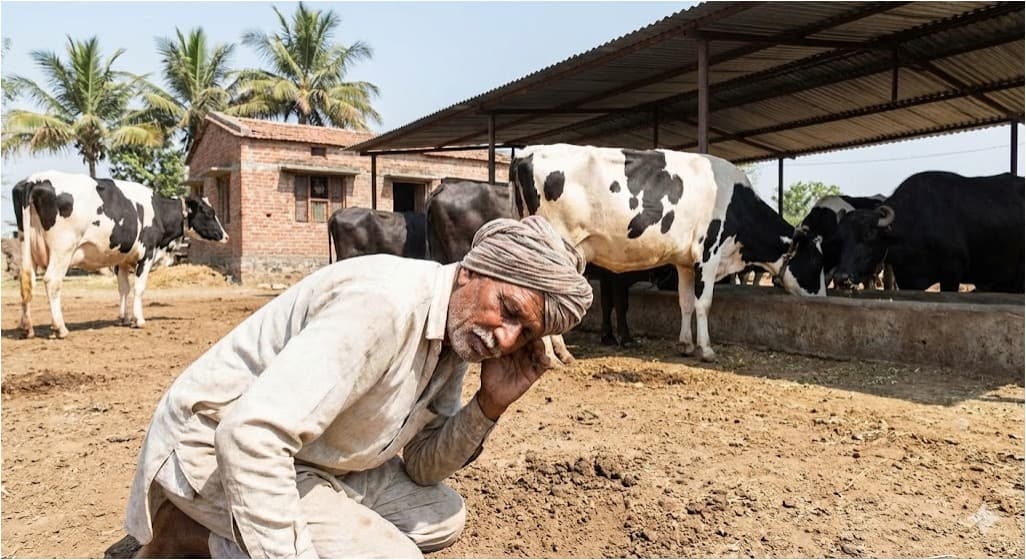
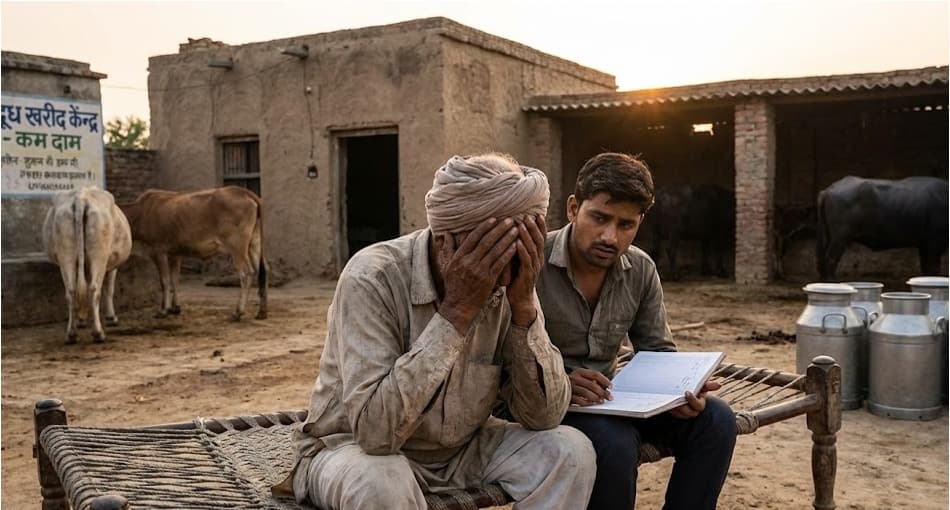
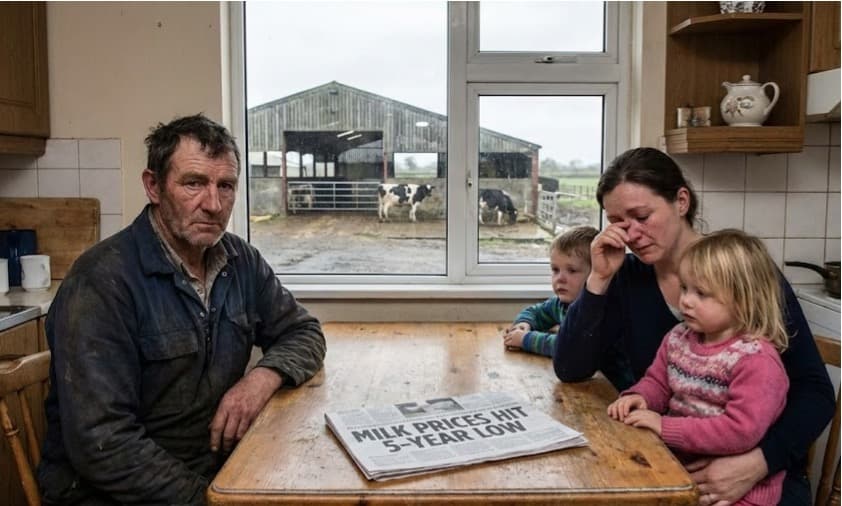
According to farmers, lack of skilled manpower, non-supply of quality milk, shortage of veterinarians, inability to process and store milk, and non-availability of fair prices are major obstacles in the sector.
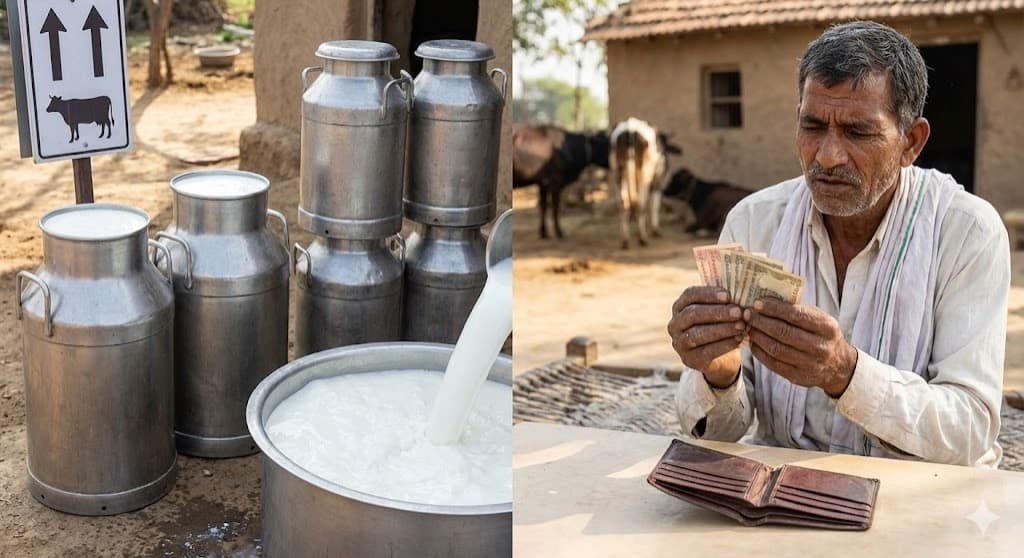
They blamed the import of various milk products in the country for the lower price of locally produced milk. They also urged the government to raise customs duty on imports to boost the local milk sector.
Annual demand 152 lakh tonnes
DLS sources said at least 90 per cent of the country’s total produced milk comes from cows, making it the prime source, while 8 per cent comes from goats and 2 per cent comes from buffaloes.
The average availability per head is only 175 ml in a day, as per the DLS data, which should be at least 250 ml milk daily.
In FY22, the country produced 130.74 lakh tonnes of milk against an annual demand of 152 lakh tonnes, leaving a deficit of 21.26 lakh tonnes.
Bangladesh has retained the second position in the world in goat milk production for four consecutive years while it came in 23rd in total milk production.
According to BDFA, there are around 8-10 lakh small and big dairy farms across the country at present, where more than 2 crore people are directly or indirectly involved.
The estimated investment in the local dairy farm sector now is over Tk 90,000 crore.
Only 10%of raw milk processed
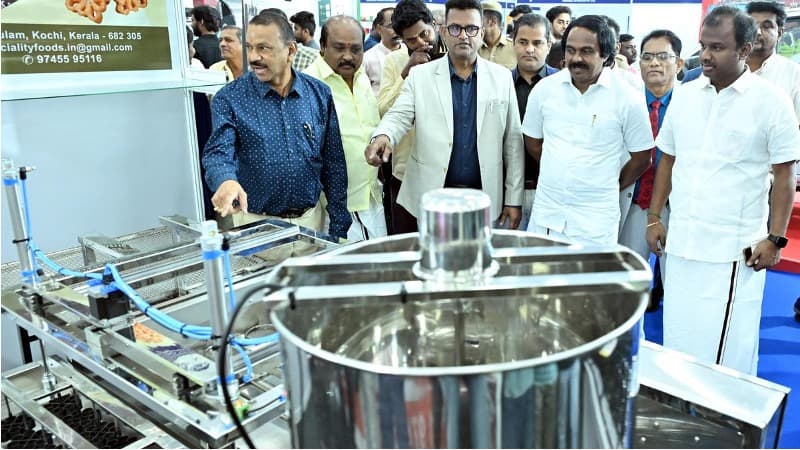
Meanwhile, farmers said the raw milk goes bad within a very short time due to a lack of enough processing and powder-making infrastructure, which forces them to sell 90 per cent of the total produced milk at the local markets immediately at a lower price.
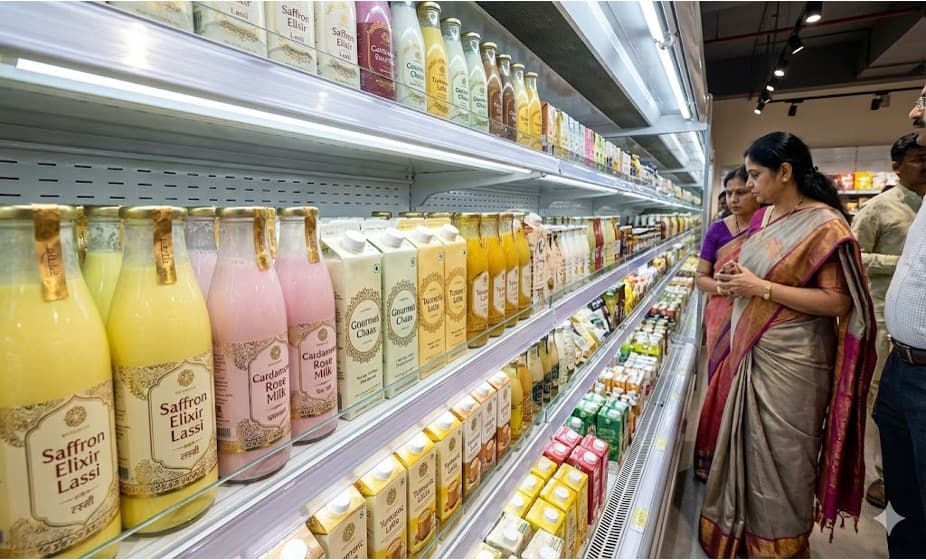
The rest 10 per cent goes to brands like Milk Vita, Pran, Farm Fresh and Aarong companies/brands that produce pasteurised milk and dairy products, they said.
At least 14 companies, registered under Bangladesh Standards and Testing Institution, produce and supply pasteurised, milk and dairy products to the markets.
They are Bangladesh Milk Producers’ Cooperative Limited (Milk Vita), Pran Dairy Ltd (Pran Milk), Aftab Milk and Milk Producer Ltd (Aftab Milk), Akij Food and Beverage Ltd (Farm Fresh Milk), American Dairy Limited (MOO), Baro Awlia Dairy Milk and Foods Ltd (Dairy Fresh), BRAC Dairy and Food Project (Aarong Dairy), Tania Dairy and Food Products (Safe), Danish Dairy Farm Ltd (Ayran), Ichhamoti Dairy and Food Products, Igloo Dairy Limited, Uttar Bango Dairy, and Purbo Bangla Dairy Food Industries.
Among the brands, Milk Vita, Aarong and Pran are dominating the pasteurised milk market with around 80 per cent share, leaving the rest 20 per cent to other brands.
Prices
The price of one litre of milk is about Tk 70-80 in Dhaka city. But the prices vary between Tk 40 and Tk 70 in rural areas.
After processing, most of the companies sell a litre of pasteurised milk at Tk 85-90 and UHT (ultra-heat-treatment) milk at Tk 100-120 per litre.
Besides, dairy products including ghee, butter, ice cream, cream and rasmalai are sold at various prices from Tk 1,200 up to Tk 1,500.
Powdered milk price also varies depending on different brands. The average price of a kg of powdered milk is Tk 700-800 and full cream milk powder is Tk 800-900.
Govt project to boost sector
To give the sector a necessary boost, the government is implementing a Tk 4,280 crore project, titled Livestock and Dairy Development Project, with the help of the World Bank.
To strengthen the milk marketing system, 300 Village Milk Collection Centres are being set up around the country under the project.
Also, farmers will be brought under small associations at every upazila, where there will be a hub for collecting and processing milk for a temporary time.
From the small hub, the processed milk will go to large plants owned by the government and private companies.
The project aims to ensure fair prices for the farmers and turn them into entrepreneurs.