

Logo
IndianGlobalBlogsPublicationsPodcastsMarketAboutContact
Logo
IndianGlobalBlogsPublicationsPodcasts
7News
TN Minister Urges Farmers to Adopt Tech for Value Addition in DairyListen to the Farm, Not the Farmer—The New Productivity LensWhat’s Driving Change In Beverages, FMCG And Dairy in 2025ED begins money laundering probe in dairy investment fraud caseIndo-Brazil pact aims to boost cattle genetics and dairy yield

Indian Dairy News

TN Minister Urges Farmers to Adopt Tech for Value Addition in Dairy
Dec 12, 2025

TN Minister Urges Farmers to Adopt Tech for Value Addition in Dairy

In Coimbatore this week, Tamil Nadu’s Minister for Milk and Dairy Development, Mano Thangaraj, called on dairy farmers to embrace modern technologies to boost productivity and value addition across th...Read More

Listen to the Farm, Not the Farmer—The New Productivity Lens
Dec 12, 2025

Listen to the Farm, Not the Farmer—The New Productivity Lens

India’s dairy sector, valued at nearly $30 billion, has reached a point where incremental changes will not deliver the next breakthrough. For decades, improvement programs have focused on what farmers...Read More

What’s Driving Change In Beverages, FMCG And Dairy in 2025
Dec 12, 2025

What’s Driving Change In Beverages, FMCG And Dairy in 2025

India’s retail landscape in 2025 was marked by a decisive shift in how consumers choose, consume and connect with brands. From beverages to daily nutrition and even the most essential dairy products,...Read More

Latest Blogs

See More
More Milk, Less Money: India’s Dairy Crisis
Dec 01, 2025

More Milk, Less Money: India’s Dairy Crisis

With the release of the BAHS 2025 summary report, I felt compelled to deep dive into its findings and reflect on the real progress and challenges facing India’s dairy sector. Over the last six years,...Read More

India Milk Prices: Cost Shock and Procurement Pressure
Nov 28, 2025

India Milk Prices: Cost Shock and Procurement Pressure

Milk prices in India face upward pressure as rising feed costs and procurement hikes reshape farm economics. Insight on dairy procurement, feed costs, and market outlook. Official government and coope...Read More

Stop Blaming, Start Claiming: Livestock’s Carbon Credit Future
Nov 16, 2025

Stop Blaming, Start Claiming: Livestock’s Carbon Credit Future

This week, I had the opportunity to attend an Agri Carbon Masterclass conducted by CII FACE. The deliberations, case studies, and discussions presented during the session were both insightful and thou...Read More

India Powers the Gulf’s Dairy Revolution -Gulf Food 2025
Oct 31, 2025

India Powers the Gulf’s Dairy Revolution -Gulf Food 2025

As Gulf Food Manufacturing prepares to open its doors from November 4–6 in Dubai, Indian dairy product and equipment manufacturers have a unique opportunity to explore one of the most promising region...Read More

Global Dairy News

Why the global milk business needs a structural shake-up
Dec 08, 2025

Why the global milk business needs a structural shake-up

The New Zealand dairy stalwart Fonterra has sold its consumer dairy-brands (milk, butter, cheese) — including “Anchor” and “Mainland Cheese” — to French agribusiness giant Lactalis in late October 202...Read More

Raw-milk prices in Europe hit 5-yr low; ripple effect looms
Dec 07, 2025

Raw-milk prices in Europe hit 5-yr low; ripple effect looms

European raw-milk prices have plunged to their lowest in five years, as oversupply and weak demand weigh on dairy markets across the region. According to recent data from DCA Market Intelligence B.V.,...Read More

Global food prices ease; FAO dairy index slips — impact looms
Dec 06, 2025

Global food prices ease; FAO dairy index slips — impact looms

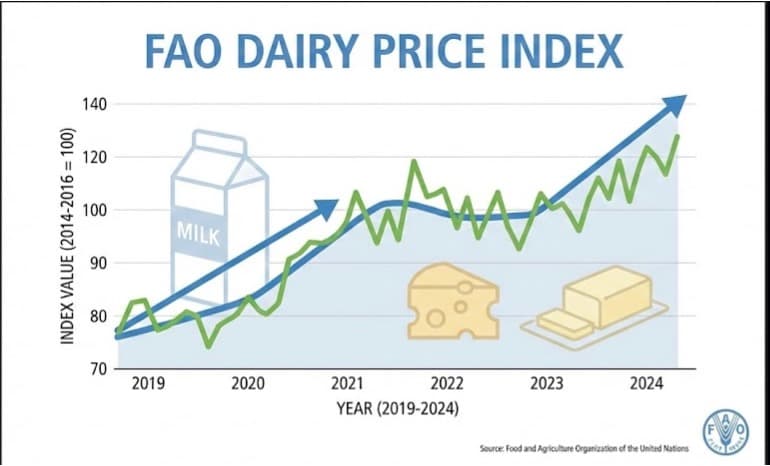
The FAO Dairy Price Index averaged 137.5 points in November, down 4.4 points (3.1 percent) from October and 2.4 points (1.7 percent) from its value a year ago. International dairy prices fell for the...Read More

Dairy News 7x7

Your trusted source for all the latest dairy industry news, market insights, and trending topics.

FOLLOW US
CATEGORIES
  • Global News
  • Indian News
  • Blogs
  • Publications
  • Podcasts
SUBSCRIBE TO OUR NEWSLETTER

Stay informed with the latest updates and trending news in the dairy industry.

No spam, unsubscribe at any time

GET IN TOUCH
C-49, C Block, Sector 65,
Noida, UP 201307
+91 7827405029dairynews7x7@gmail.com

© 2025 Dairy News 7x7. All Rights Reserved.

Terms of ServicePrivacy Policy

Milk may stay on boil due to cattle, fodder shortage

By DairyNews7x7•Published on March 31, 2023

Milk prices, which have been rising steadily in the past year, may hit new highs in the year ahead, as production suffers due to insufficient fodder and fewer new lactating cattle, and farmers raise prices to make up for losses in the last two years.

Fodder availability has declined thanks to increased exports of wheat used in cattle feed and damage to fodder crops from heat waves and surprise rains; at the same, there have been fewer inductions of lactating cattle, in a lag effect of fewer artificial inseminations during the worst of the pandemic days.

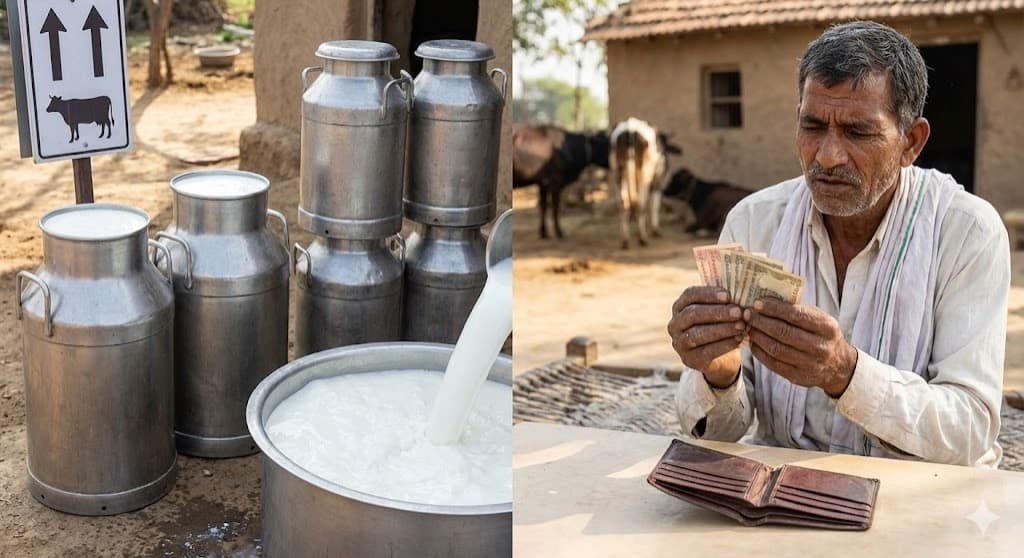
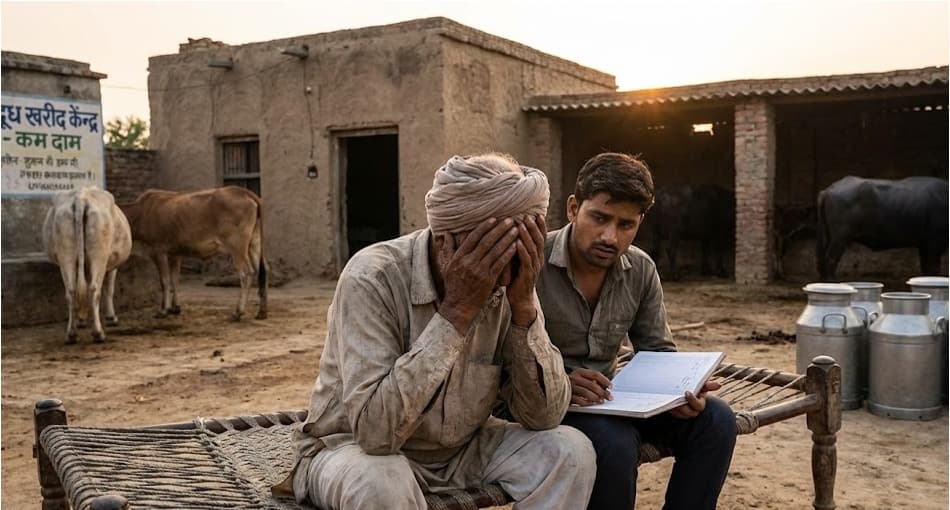
“As the farmers were being paid lower than their production cost in many states—excluding Gujarat, which is a stronghold of cooperatives—farmers reduced the induction of new animals,” said R.S. Sodhi, president of the Indian Dairy Association and former managing director of Amul. “Farmers have also fed cattle less to cope with their losses amid high feed and fodder costs,” he added. This also led to a fall in yield.

Wholesale price inflation in milk stood at 6.99% in December and 8.96% in January and hit 10.33% in February, rising for a third straight month.

According to Sodhi, retail milk prices have gone up by 13-15% in the past 15 months amid a worldwide increase in cereal prices, which has started stabilizing now.

While demand has rebounded since the easing of pandemic curbs, supply has lagged due to production constraints.

The outbreak of covid-19 in India in April-June 2020 and an explosion of cases in mid-2021 triggered mobility curbs, disrupting artificial insemination services, consequently leading to fewer calf births in FY21 and FY22. “Given that calves typically take two-and-a-half years to be ready for insemination, this fiscal year has seen a shortage of animals available for insemination. Thus, fewer cows are expected to be lactating in FY24, leading to lower milk production and availability,” said Pushan Sharma, director of research at Crisil Market Intelligence and Analytics.

“Slower growth in retail prices compared to procurement prices in FY22 and FY23 affected the profitability of key dairy players. In FY24, with a likely 6% rise in milk procurement prices, industry players are seen increasing retail prices of milk by 7% to make up for losses from the past two fiscals,” Sharma said.

Lower production due to heat waves during the summer of 2022 and unseasonal rainfall in most fodder-growing states brought down the availability of fodder. The government has already banned wheat exports and restricted rice exports.

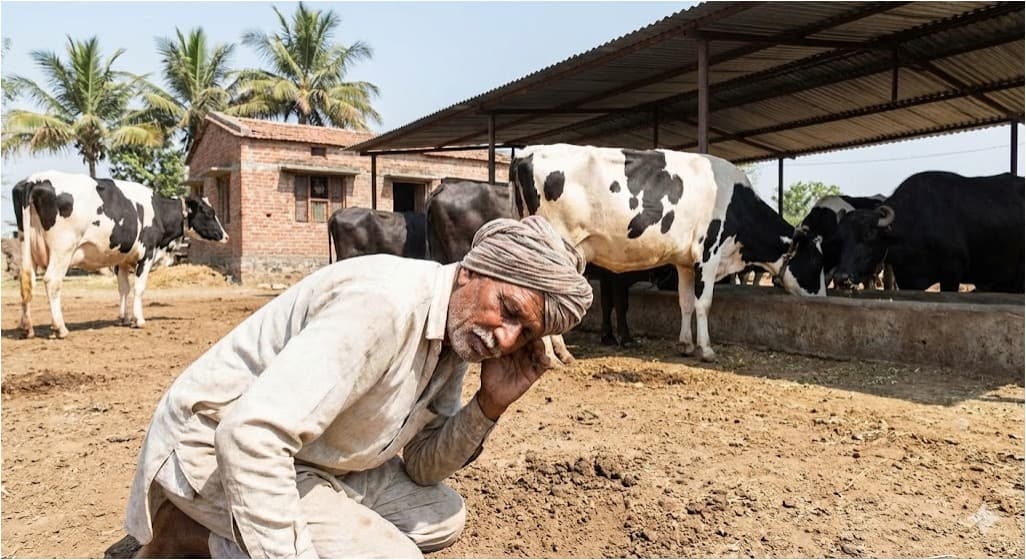
As small and marginal dairy farmers were unable to afford fodder at increased prices, they reduced fodder procurement for their cattle, which resulted in lower milk yield and lower fat and solids-not-fat (which play an important role in physico-chemical, sensory, textural characteristics and also the shelf life of any milk sweet) content of the milk in FY23.

Feed and fodder cost, which has a 70-75% share in milk production, has shot up 20-25% due to higher exports of fodder crops such as wheat, barley and maize amid a supply shortage in the global market caused by Russia’s invasion of Ukraine. This has pushed up the wholesale price index for fodder to 220 in FY23 from 180.5 in FY22.

“The expected El Niño drought conditions in FY24 could lower kharif crop production, limit fodder availability and affect milk production and yields. Thus, milk procurement prices are expected to increase in FY24 as well which would trickle down to milk retail prices,” said Sharma of Crisil.

However, not all expect a sharp rise in milk prices in FY24. “Milk prices may go up slightly in the summer months of May-June when supply remains tight, and demand is high, and these may start declining around Diwali,” said Sodhi. “I don’t see fodder prices running up further, influencing domestic prices of milk and dairy products sharply in anticipation of good rabi crops this season,” he added.

Rabi crops have faced damage from unseasonal rain and hailstorms in March. However, the agriculture ministry does not expect any quantity loss in its total rabi production of 170 million tonnes (mt) amid an increase in cultivation area.

Shravan Kumar, a Lucknow-based dairy farmer, said the wheat he had sown on 7-8 bighas were damaged. “Quantity may not get affected if weather improves, but straw has turned black due to the weather. It will require extra effort to crush and feed cattle,” he said.

Swipe to continue reading

Previous Article

Next Article