Logo
IndianGlobalBlogsPublicationsPodcastsMarketAboutContact
Logo
IndianGlobalBlogsPublicationsPodcasts
7News
TN Minister Urges Farmers to Adopt Tech for Value Addition in DairyListen to the Farm, Not the Farmer—The New Productivity LensWhat’s Driving Change In Beverages, FMCG And Dairy in 2025ED begins money laundering probe in dairy investment fraud caseIndo-Brazil pact aims to boost cattle genetics and dairy yield

Indian Dairy News

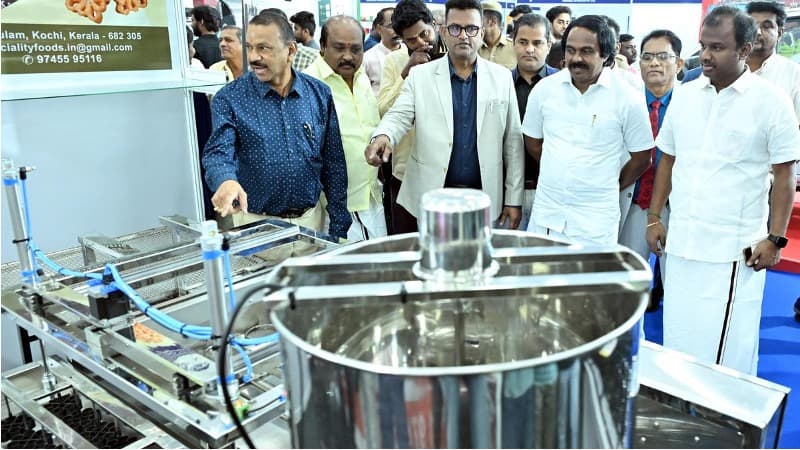
TN Minister Urges Farmers to Adopt Tech for Value Addition in Dairy
Dec 12, 2025

TN Minister Urges Farmers to Adopt Tech for Value Addition in Dairy

In Coimbatore this week, Tamil Nadu’s Minister for Milk and Dairy Development, Mano Thangaraj, called on dairy farmers to embrace modern technologies to boost productivity and value addition across th...Read More

Listen to the Farm, Not the Farmer—The New Productivity Lens
Dec 12, 2025

Listen to the Farm, Not the Farmer—The New Productivity Lens

India’s dairy sector, valued at nearly $30 billion, has reached a point where incremental changes will not deliver the next breakthrough. For decades, improvement programs have focused on what farmers...Read More

What’s Driving Change In Beverages, FMCG And Dairy in 2025
Dec 12, 2025

What’s Driving Change In Beverages, FMCG And Dairy in 2025

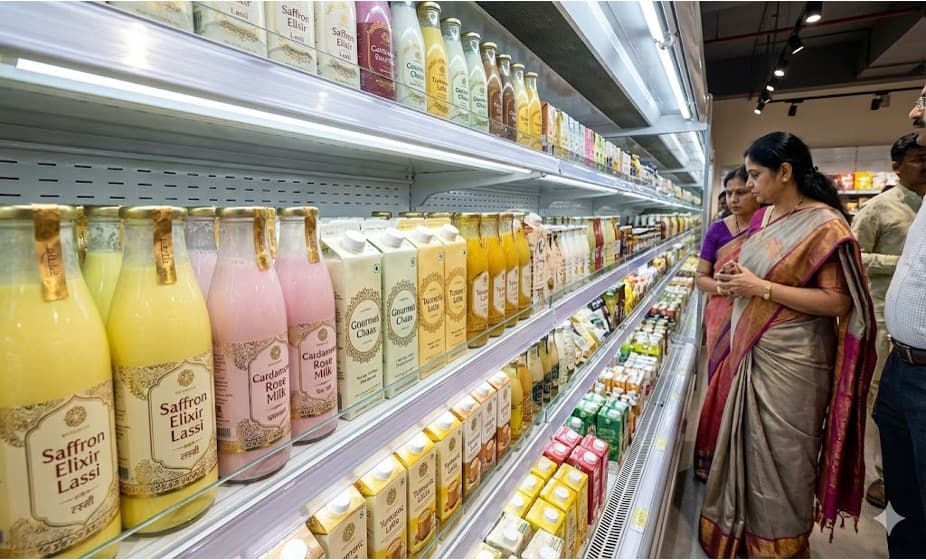
India’s retail landscape in 2025 was marked by a decisive shift in how consumers choose, consume and connect with brands. From beverages to daily nutrition and even the most essential dairy products,...Read More

Latest Blogs

See More
More Milk, Less Money: India’s Dairy Crisis
Dec 01, 2025

More Milk, Less Money: India’s Dairy Crisis

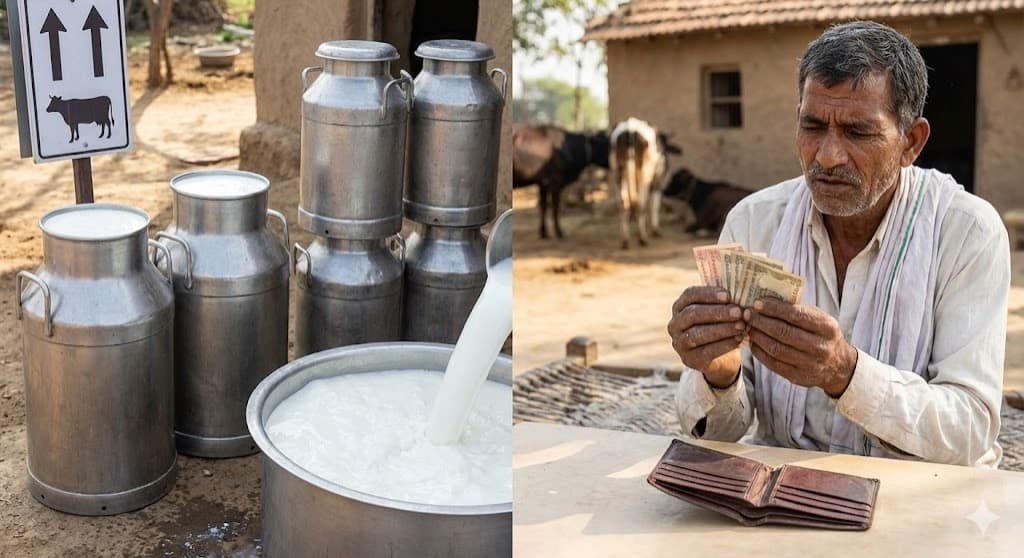
With the release of the BAHS 2025 summary report, I felt compelled to deep dive into its findings and reflect on the real progress and challenges facing India’s dairy sector. Over the last six years,...Read More

India Milk Prices: Cost Shock and Procurement Pressure
Nov 28, 2025

India Milk Prices: Cost Shock and Procurement Pressure

Milk prices in India face upward pressure as rising feed costs and procurement hikes reshape farm economics. Insight on dairy procurement, feed costs, and market outlook. Official government and coope...Read More

Stop Blaming, Start Claiming: Livestock’s Carbon Credit Future
Nov 16, 2025

Stop Blaming, Start Claiming: Livestock’s Carbon Credit Future

This week, I had the opportunity to attend an Agri Carbon Masterclass conducted by CII FACE. The deliberations, case studies, and discussions presented during the session were both insightful and thou...Read More

India Powers the Gulf’s Dairy Revolution -Gulf Food 2025
Oct 31, 2025

India Powers the Gulf’s Dairy Revolution -Gulf Food 2025

As Gulf Food Manufacturing prepares to open its doors from November 4–6 in Dubai, Indian dairy product and equipment manufacturers have a unique opportunity to explore one of the most promising region...Read More

Global Dairy News

Why the global milk business needs a structural shake-up
Dec 08, 2025

Why the global milk business needs a structural shake-up

The New Zealand dairy stalwart Fonterra has sold its consumer dairy-brands (milk, butter, cheese) — including “Anchor” and “Mainland Cheese” — to French agribusiness giant Lactalis in late October 202...Read More

Raw-milk prices in Europe hit 5-yr low; ripple effect looms
Dec 07, 2025

Raw-milk prices in Europe hit 5-yr low; ripple effect looms

European raw-milk prices have plunged to their lowest in five years, as oversupply and weak demand weigh on dairy markets across the region. According to recent data from DCA Market Intelligence B.V.,...Read More

Global food prices ease; FAO dairy index slips — impact looms
Dec 06, 2025

Global food prices ease; FAO dairy index slips — impact looms

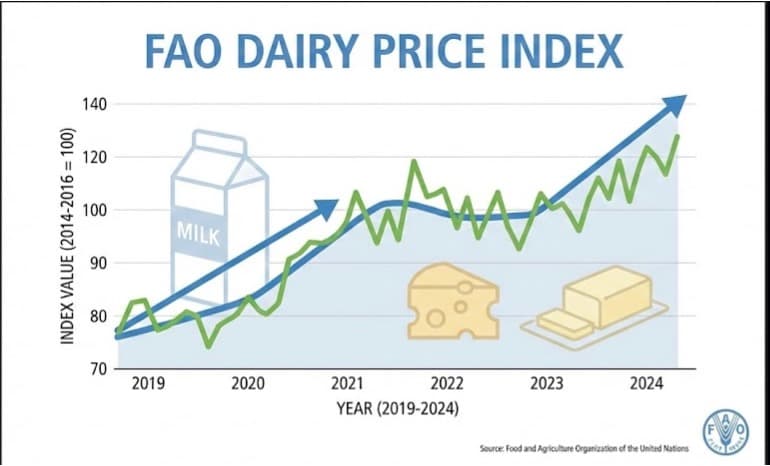
The FAO Dairy Price Index averaged 137.5 points in November, down 4.4 points (3.1 percent) from October and 2.4 points (1.7 percent) from its value a year ago. International dairy prices fell for the...Read More

Dairy News 7x7

Your trusted source for all the latest dairy industry news, market insights, and trending topics.

FOLLOW US
CATEGORIES
  • Global News
  • Indian News
  • Blogs
  • Publications
  • Podcasts
SUBSCRIBE TO OUR NEWSLETTER

Stay informed with the latest updates and trending news in the dairy industry.

No spam, unsubscribe at any time

GET IN TOUCH
C-49, C Block, Sector 65,
Noida, UP 201307
+91 7827405029dairynews7x7@gmail.com

© 2025 Dairy News 7x7. All Rights Reserved.

Terms of ServicePrivacy Policy

Meat and dairy gobble up farming subsidies worldwide

By DairyNews7x7•Published on January 14, 2022

Meat and dairy gobble up farming subsidies worldwide, which is bad for your health and the planet.

The global food system is in disarray. Animal agriculture is a major driver of global heating, and as many as 12 million deaths from heart disease, stroke, cancers and diabetes are each year connected to eating the wrong things, like too much red and processed meat and too few fruits and vegetables. Unless the world can slash the amount of animal products in its food system and embrace more plant-based diets, there is little chance of avoiding dangerous levels of climate change and mounting public health problems.

Agricultural subsidies help prop up a food system that is neither healthy nor sustainable. Worldwide, more than US$200 billion of public money (that is, money collected through taxes) is given to farmers every year in direct transfers – usually with the intention of supporting national food production and supply.

This might not be a problem in itself – after all, we all need to eat. But the way governments provide subsidies at the moment exacerbates the health and environmental issues of food production. That’s one of the findings of a new study published in Nature Communications by my colleague Florian Freund and me.

Agricultural subsidies in action

According to our analysis, about two-thirds of all agricultural transfer payments worldwide come without any strings attached. Farmers can use them to grow what they like.

In practice, this means every fifth dollar is used to raise meat, and every tenth dollar to make dairy products – the kinds of foods farmers have grown used to producing but which emit disproportionate amounts of greenhouse gas emissions, and which are also linked to dietary risks such as heart disease and certain cancers.

Farmers use another third of these payments to grow staple crops such as wheat and maize, and crops used for producing sugar and oil. These are foods that are already produced and consumed in large quantities and that, if anything, should be limited in a healthy and sustainable diet.

Less than a quarter of transfer payments are used to grow the kinds of foods that are good for human health and the environment, and which a healthy and sustainable food system would need much more of: fruits, vegetables, legumes and nuts.

Based on this breakdown, it’s clear there is plenty of room for improving how governments and farmers issue and spend agricultural subsidies. We decided to look at alternatives, and compare how they might work in the real world.
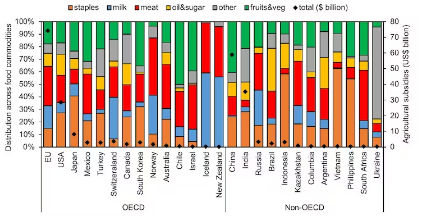
Where agricultural subsidies go ?

Reforming subsidies

We combined an economic model which tracked the knock-on effects of altering subsidies on food production and the food people eat with an environmental one which compared changes in resource use and greenhouse gas emissions – plus a health model which measured the consequences for diet-related illnesses.

In one scenario, we made all subsidy payments to farms conditional on them producing healthy and sustainable foods. Farmers would still be free to grow other crops and foods, just not with the support of subsidies. We found that fruit and vegetable production would go up substantially – by about 20% in developed countries. This would translate into people eating half a portion of fruit and veg more per day. At the same time, meat and dairy production would go down by 2% – shaving off 2% from agricultural greenhouse gas emissions.

However, we also found that the economy could suffer if all subsidies were used in this way, drawing in workers to farming from more productive parts of the economy.

Fortunately, there are ways to avoid this. Either make half of all subsidies conditional on growing healthy and sustainable foods, or combine these conditional subsidies with a reduction in the overall amount of payments – tying them, for example, to an amount informed by a country’s GDP or population. Each of those options would result in a healthier food supply and less greenhouse gas emissions without reducing economic output.

Our analysis proposes something which is largely missing from current plans: changing the mix of food production. What food farms choose to grow has a greater effect on the environment and health than how it is grown. Redirecting subsidies towards the production of healthy and sustainable food should be an essential part of reforming agriculture worldwide.

Swipe to continue reading

Previous Article

Next Article