
Logo
IndianGlobalBlogsPublicationsPodcastsMarketAboutContact
Logo
IndianGlobalBlogsPublicationsPodcasts
7News
TN Minister Urges Farmers to Adopt Tech for Value Addition in DairyListen to the Farm, Not the Farmer—The New Productivity LensWhat’s Driving Change In Beverages, FMCG And Dairy in 2025ED begins money laundering probe in dairy investment fraud caseIndo-Brazil pact aims to boost cattle genetics and dairy yield

Indian Dairy News

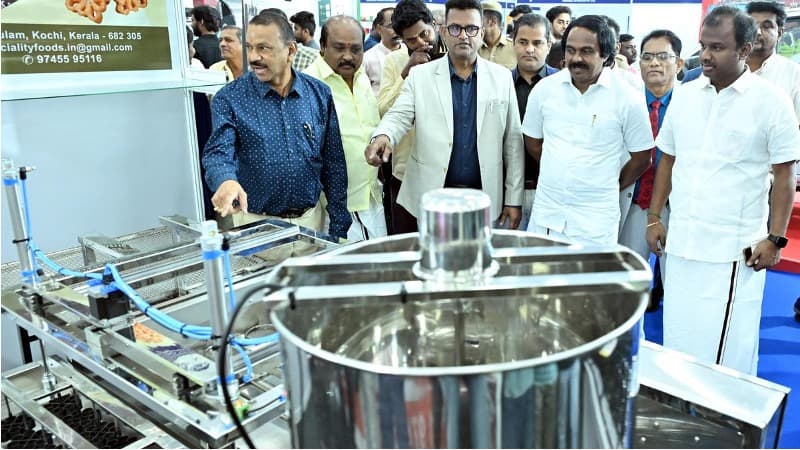
TN Minister Urges Farmers to Adopt Tech for Value Addition in Dairy
Dec 12, 2025

TN Minister Urges Farmers to Adopt Tech for Value Addition in Dairy

In Coimbatore this week, Tamil Nadu’s Minister for Milk and Dairy Development, Mano Thangaraj, called on dairy farmers to embrace modern technologies to boost productivity and value addition across th...Read More

Listen to the Farm, Not the Farmer—The New Productivity Lens
Dec 12, 2025

Listen to the Farm, Not the Farmer—The New Productivity Lens

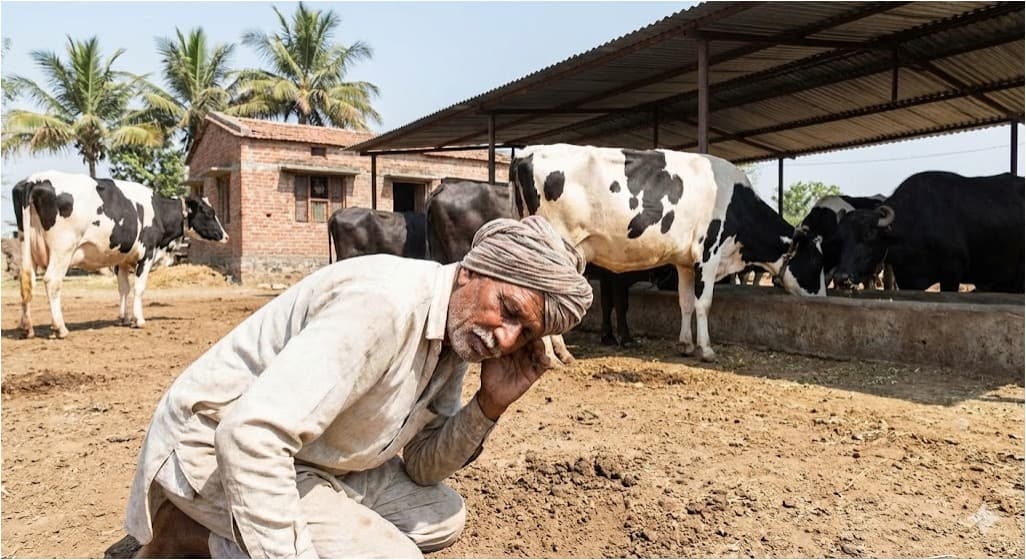
India’s dairy sector, valued at nearly $30 billion, has reached a point where incremental changes will not deliver the next breakthrough. For decades, improvement programs have focused on what farmers...Read More

What’s Driving Change In Beverages, FMCG And Dairy in 2025
Dec 12, 2025

What’s Driving Change In Beverages, FMCG And Dairy in 2025

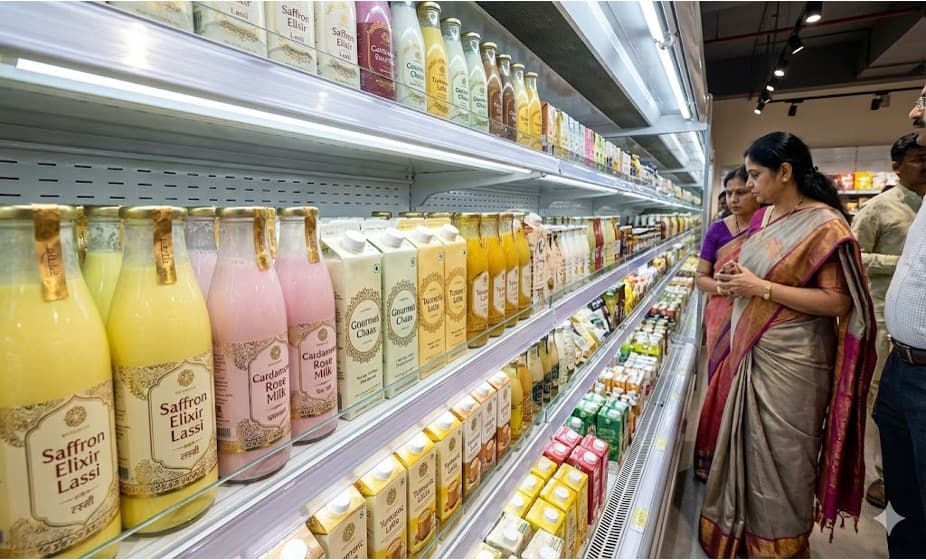
India’s retail landscape in 2025 was marked by a decisive shift in how consumers choose, consume and connect with brands. From beverages to daily nutrition and even the most essential dairy products,...Read More

Latest Blogs

See More
More Milk, Less Money: India’s Dairy Crisis
Dec 01, 2025

More Milk, Less Money: India’s Dairy Crisis

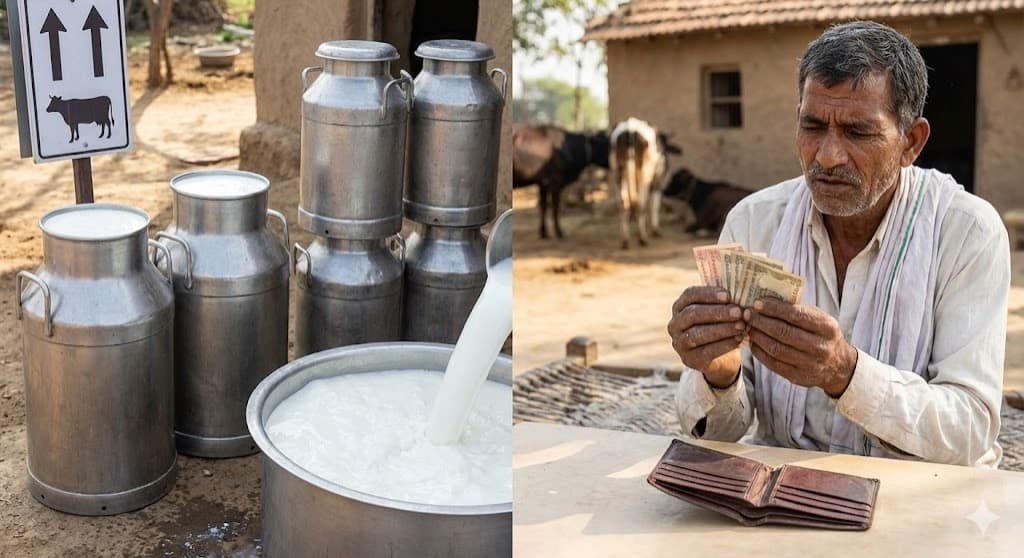
With the release of the BAHS 2025 summary report, I felt compelled to deep dive into its findings and reflect on the real progress and challenges facing India’s dairy sector. Over the last six years,...Read More

India Milk Prices: Cost Shock and Procurement Pressure
Nov 28, 2025

India Milk Prices: Cost Shock and Procurement Pressure

Milk prices in India face upward pressure as rising feed costs and procurement hikes reshape farm economics. Insight on dairy procurement, feed costs, and market outlook. Official government and coope...Read More

Stop Blaming, Start Claiming: Livestock’s Carbon Credit Future
Nov 16, 2025

Stop Blaming, Start Claiming: Livestock’s Carbon Credit Future

This week, I had the opportunity to attend an Agri Carbon Masterclass conducted by CII FACE. The deliberations, case studies, and discussions presented during the session were both insightful and thou...Read More

India Powers the Gulf’s Dairy Revolution -Gulf Food 2025
Oct 31, 2025

India Powers the Gulf’s Dairy Revolution -Gulf Food 2025

As Gulf Food Manufacturing prepares to open its doors from November 4–6 in Dubai, Indian dairy product and equipment manufacturers have a unique opportunity to explore one of the most promising region...Read More

Global Dairy News

Why the global milk business needs a structural shake-up
Dec 08, 2025

Why the global milk business needs a structural shake-up

The New Zealand dairy stalwart Fonterra has sold its consumer dairy-brands (milk, butter, cheese) — including “Anchor” and “Mainland Cheese” — to French agribusiness giant Lactalis in late October 202...Read More

Raw-milk prices in Europe hit 5-yr low; ripple effect looms
Dec 07, 2025

Raw-milk prices in Europe hit 5-yr low; ripple effect looms

European raw-milk prices have plunged to their lowest in five years, as oversupply and weak demand weigh on dairy markets across the region. According to recent data from DCA Market Intelligence B.V.,...Read More

Global food prices ease; FAO dairy index slips — impact looms
Dec 06, 2025

Global food prices ease; FAO dairy index slips — impact looms

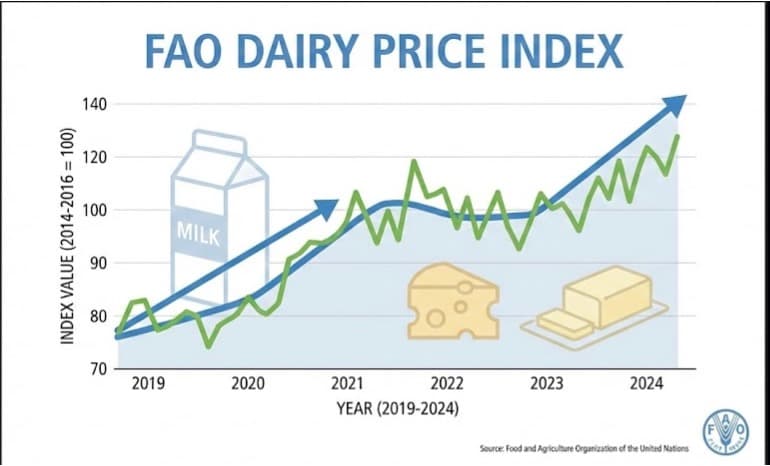
The FAO Dairy Price Index averaged 137.5 points in November, down 4.4 points (3.1 percent) from October and 2.4 points (1.7 percent) from its value a year ago. International dairy prices fell for the...Read More

Dairy News 7x7

Your trusted source for all the latest dairy industry news, market insights, and trending topics.

FOLLOW US
CATEGORIES
  • Global News
  • Indian News
  • Blogs
  • Publications
  • Podcasts
SUBSCRIBE TO OUR NEWSLETTER

Stay informed with the latest updates and trending news in the dairy industry.

No spam, unsubscribe at any time

GET IN TOUCH
C-49, C Block, Sector 65,
Noida, UP 201307
+91 7827405029dairynews7x7@gmail.com

© 2025 Dairy News 7x7. All Rights Reserved.

Terms of ServicePrivacy Policy

Is Technology the Answer to Dairy’s Sustainability Triple Threats?

By DairyNews7x7•Published on August 30, 2022

As commentators are fond of pointing out from a sustainability perspective the most productive farms, the most productive cows, are also those that are the most sustainable with the lowest carbon footprint. As they say if all cows in the world performed at same standard as the average US cow would reduce the global carbon footprint by 90%. Despite this it is an irony that the most sustainable cows are still those that seek the most improvement and those producers are typically those embracing technology to make this happen.

In a year when dairy profitability is as good as any time in recent history, it might seem like a strange time to talk about the sustainability of our current model of milk production. Critics of dairy production don’t evaluate sustainability in terms of our ability to pass the farm to the next generation, and they are putting milk farms are squarely in the crosshairs. Livestock farming in general is the target of diverse groups, with Governments and even the UN focused on forcing changes in production. There are three main threats to Dairy: lowering the carbon footprint, assuring continued availability of affordable water and a qualified labor force.

Hotter summers, with the lack of rain and wildfires, have equally created havoc on our dairy farms.   The resulting challenges are clear. Water consumption and increased water prices presents clear and real dangers, while working in over 100 degrees presents challenges in finding the right people to work on the farm.

The word sustainability is challenging to address when it is defined differently by different agencies.  Add to that questions that ESG as it is becoming increasingly known accommodates a lot of different and competing demands which can be contradictory. Farmers concern is that ESG is a stick to beat them with, a slippery slope of activist demands, often out of step with the delivery of food that today is affordable and safe.

What is the path out of this? The food business demonstrates what is possible, re-imagine sustainability through better farming. Technology is part of how producers respond to ESG demands.

  1. WATER RECYCLING  
Water on the farm is critical to cows, washing the barns and milking parlors, and not least cooling cows in hot weather. Finding ways to purify water and make it potable from manure, farm waste, is the work of different startups and scale ups including Livestock Water Recycling (LWR) who have been part of the World Dairy Tech Spotlight and more recently US dairies have installed Sedron Technologies and Regenis to separate manure into fertilizer and drinkable water.
  1. METHANE CAPTURE
Methane digestors not only capture a greenhouse gas from manure, and can receive credits for that, but can become even more cash positive when the use of food waste makes the farm energy positive. Over 40 companies are now offering different methane digestors to US Dairy producers.  California legislation has driven interest in this area but half a dozen more states are considering similar rules, but challenges remain since most farm methane digestors haven’t been profitable on their own, and without grants would never have been funded. Will methane generate more revenue than milk? The Dynamic Group suggest that methane can boost revenue per cow by 10-30%.
  1. ALTERNATIVE ENERGY
The use of wind turbines is so common that cattle often use their shadow to shelter when outside from the sun.  Solar panels are becoming common also so its not surprising that farm systems are being imagined where crops or livestock could use solar panels as shade or shelter and ‘agrovoltaics’ is the concept of creating synergies.  If you aren’t familiar with it I recommend checking out out Iberdrola or the Massachusetts SMART program.
  1. LABOR SAVING
US farms value labor as never before. Its not just the quantity of labor but also the availability of the most valuable workers; those who through a cow-centric approach and understanding cow-comfort recognize things that the average employee does not, no matter how hard they work. The use of Robotics continues to explode in the US and globally milking cows, cleaning barns, automating feed pushups and now Pharm Robotics is doing robotic vaccinations in US Dairy. Cow sensors have continued to grow in usage, with Antilleq monitoring over 1 million US cows and another dozen providers offering different wearables most notably Nedap’s CowControl.  Sensors such as the recent launch of the Labby hand-held milk sensor, EIO and SomaDetect, allow producers to identify milk quality and indicators of cow health in real time. Camera solutions continue to grow (Cainthus, Cattle Eye, CattleCare) both in the milking parlor and in the barn to identify cow comfort, manage feed costs and identify problems in cows and the milk procedures. The goal of such technologies is to save money and time, through productivity, but the main success has been when it informs better, faster, decision making by farm workers.

As I opened with in this article, however, the best way forward to lower the footprint of dairy farms is to increase the productivity per cow in terms of milk production, and the conversion of nutrition into milk.  Researchers also suggest that the carbon footprint of a cow with more lactations is lower than a cow with fewer. One proposal to improve the sustainability of dairy production globally has been to bring all cows up to US productivity levels, and in such a case the world wouldn’t need to have 300 million cows but just 30.  More radically if cloning is allowed, and we could achieve the same level of milk production from all cows as we have with a cow with the world’s record for production, we could cut the global herd to just 3 million cows.   Activists may not be ready for this solution, but it demonstrates the core fact that highly productive farms are also the ones with the lowest environmental footprint.   And the best farms in the world are those who are embracing technology most quickly, and likely to continue to maintain their lead over their less-performing counterparts.

Swipe to continue reading

Previous Article

Next Article