





Investigating various plant-based beverage varieties
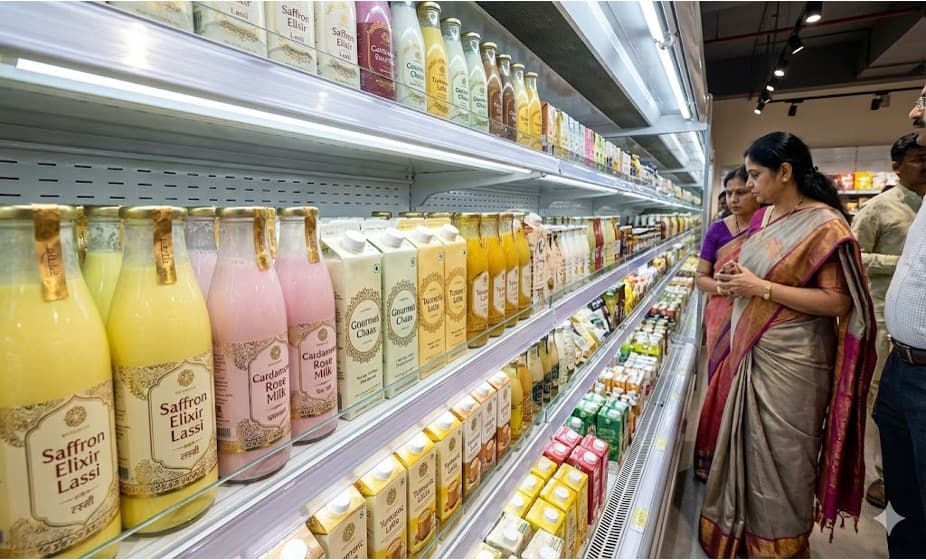
The dairy industry has changed dramatically in recent years as more plant-based milk substitutes compete for shelf space with the well-known cartons of cow’s milk. This trend reflects shifting consumer tastes, which are influenced by health concerns, environmental awareness, and ethical issues. We will examine the wide range of milk variations in this article, as well as the impact on customers and the dairy sector of the rise of plant-based alternatives.
Consumer awareness Plant-based substitutes are becoming increasingly popular as more individuals adopt a sustainable and healthy lifestyle. When compared to typical animal-based goods, these plant-based alternatives are cruelty-free and ecologically beneficial. From plant-based burgers to dairy-free milk, the market is flooded with creative replacements that mimic the flavor and feel of their animal-derived counterparts.
Health-related aspects A major factor contributing to the rise in the use of plant-based milk is consumers’ increased awareness of its health benefits. When compared to cow’s milk, plant-based substitutes have few calories and saturated fat content. People with dairy allergies or lactose intolerance use plant-based substitutes because they provide a workable option for people who would not otherwise be able to consume milk. Soy, oat, and almond milk are some examples that are rich in vitamins and minerals, lactose-free, and other vital elements.
Environmental effects As the globe struggles with climate change, people are becoming more concerned about the environmental impact of their food choices. When compared to traditional dairy farming, the production of plant-based milk substitutes uses less natural resources and produces fewer greenhouse gas emissions. Almond milk, for example, has been demonstrated to have a much smaller carbon footprint than cow’s milk. This ecologically beneficial component has helped to the appeal of plant-based alternatives among environmentally concerned customers looking for sustainable alternatives.
The rise of plant-based milk alternatives has altered not just consumer preferences, but also the economic dynamics of the dairy business. The worldwide plant-based milk industry is expected to develop significantly in the next years, providing both difficulties and possibilities for traditional dairy farmers, according to market research statistics. Dairy producers might need to change their practices to remain competitive in a changing market as customer’s taste preferences diversify. Market innovations and trends The plant-based milk space is always changing, with firms investing in R&D to produce novel products that taste and feel like traditional dairy.
From almond and soy milk to oat and pea milk, the number of alternatives accessible is growing. Notably, some plant-based substitutes are enriched with vitamins and minerals to closely match the nutritional value of cow’s milk. This invention intends to overcome the nutritional gap and appeal to customers who prioritize health advantages in their milk choices. Marketing strategies and consumer behaviour Understanding consumer behavior is essential for successfully navigating the complex milk market. According to surveys, taste, nutritional content, and price are important variables affecting customer judgments when deciding between plant-based and cow’s milk.
Marketing techniques are essential tools in forming perceptions and influencing customer choices. Advertisements emphasizing the health advantages, environmental sustainability, and adaptability of plant-based alternatives help to fuel their rising appeal. Controversies and challenges While plant-based milk replacements are gaining popularity, they are not without difficulties and controversy. Such critics claim that the substitutes lack vital elements present in cow’s milk, such as calcium and vitamin B12.
Furthermore, questions have been expressed concerning the environmental effect of large-scale almond and soy crop development. The merits and downsides of plant-based alternatives are still being debated and researched. In conclusion, the recent increase in plant-based milk substitutes demonstrates a dynamic movement in consumer preferences driven by health concerns, environmental awareness, and ethical issues.
The wide areas of milk varieties provide customers with various options, each with its own set of advantages and disadvantages. To stay competitive in this era of milk exploration, the dairy sector must adapt to shifting customer needs and embrace innovation.
Source : The Hans India Dec 10th 2023