
Logo
IndianGlobalBlogsPublicationsPodcastsMarketAboutContact
Logo
IndianGlobalBlogsPublicationsPodcasts
7News
TN Minister Urges Farmers to Adopt Tech for Value Addition in DairyListen to the Farm, Not the Farmer—The New Productivity LensWhat’s Driving Change In Beverages, FMCG And Dairy in 2025ED begins money laundering probe in dairy investment fraud caseIndo-Brazil pact aims to boost cattle genetics and dairy yield

Indian Dairy News

TN Minister Urges Farmers to Adopt Tech for Value Addition in Dairy
Dec 12, 2025

TN Minister Urges Farmers to Adopt Tech for Value Addition in Dairy

In Coimbatore this week, Tamil Nadu’s Minister for Milk and Dairy Development, Mano Thangaraj, called on dairy farmers to embrace modern technologies to boost productivity and value addition across th...Read More

Listen to the Farm, Not the Farmer—The New Productivity Lens
Dec 12, 2025

Listen to the Farm, Not the Farmer—The New Productivity Lens

India’s dairy sector, valued at nearly $30 billion, has reached a point where incremental changes will not deliver the next breakthrough. For decades, improvement programs have focused on what farmers...Read More

What’s Driving Change In Beverages, FMCG And Dairy in 2025
Dec 12, 2025

What’s Driving Change In Beverages, FMCG And Dairy in 2025

India’s retail landscape in 2025 was marked by a decisive shift in how consumers choose, consume and connect with brands. From beverages to daily nutrition and even the most essential dairy products,...Read More

Latest Blogs

See More
More Milk, Less Money: India’s Dairy Crisis
Dec 01, 2025

More Milk, Less Money: India’s Dairy Crisis

With the release of the BAHS 2025 summary report, I felt compelled to deep dive into its findings and reflect on the real progress and challenges facing India’s dairy sector. Over the last six years,...Read More

India Milk Prices: Cost Shock and Procurement Pressure
Nov 28, 2025

India Milk Prices: Cost Shock and Procurement Pressure

Milk prices in India face upward pressure as rising feed costs and procurement hikes reshape farm economics. Insight on dairy procurement, feed costs, and market outlook. Official government and coope...Read More

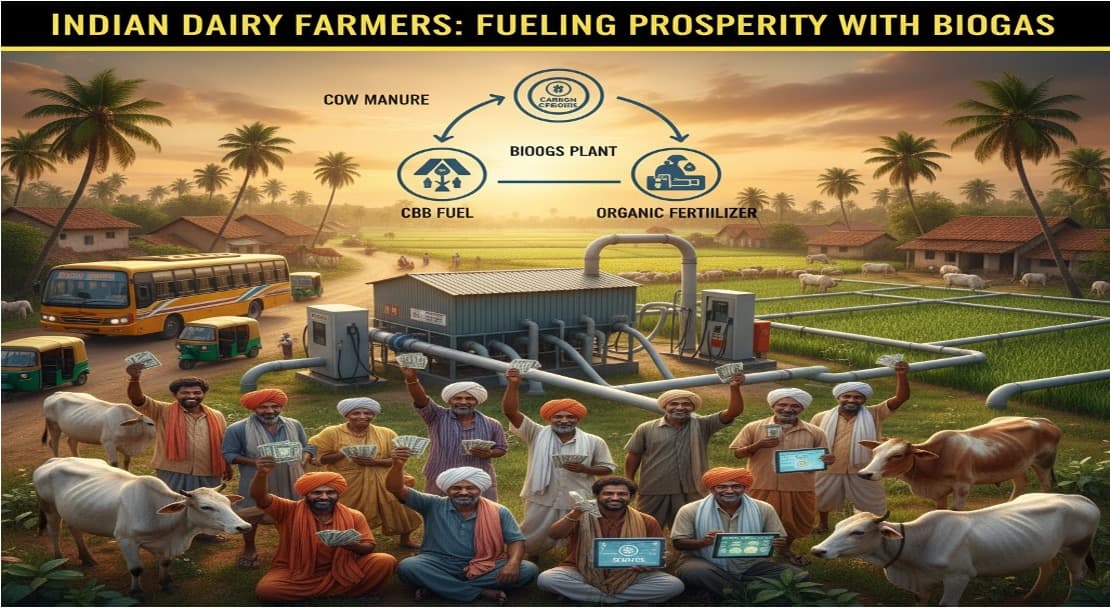
Stop Blaming, Start Claiming: Livestock’s Carbon Credit Future
Nov 16, 2025

Stop Blaming, Start Claiming: Livestock’s Carbon Credit Future

This week, I had the opportunity to attend an Agri Carbon Masterclass conducted by CII FACE. The deliberations, case studies, and discussions presented during the session were both insightful and thou...Read More

India Powers the Gulf’s Dairy Revolution -Gulf Food 2025
Oct 31, 2025

India Powers the Gulf’s Dairy Revolution -Gulf Food 2025

As Gulf Food Manufacturing prepares to open its doors from November 4–6 in Dubai, Indian dairy product and equipment manufacturers have a unique opportunity to explore one of the most promising region...Read More

Global Dairy News

Why the global milk business needs a structural shake-up
Dec 08, 2025

Why the global milk business needs a structural shake-up

The New Zealand dairy stalwart Fonterra has sold its consumer dairy-brands (milk, butter, cheese) — including “Anchor” and “Mainland Cheese” — to French agribusiness giant Lactalis in late October 202...Read More

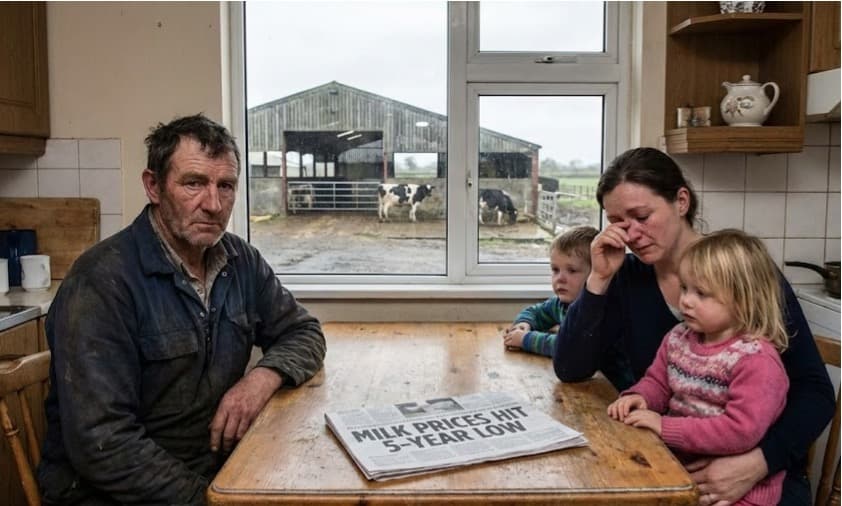
Raw-milk prices in Europe hit 5-yr low; ripple effect looms
Dec 07, 2025

Raw-milk prices in Europe hit 5-yr low; ripple effect looms

European raw-milk prices have plunged to their lowest in five years, as oversupply and weak demand weigh on dairy markets across the region. According to recent data from DCA Market Intelligence B.V.,...Read More

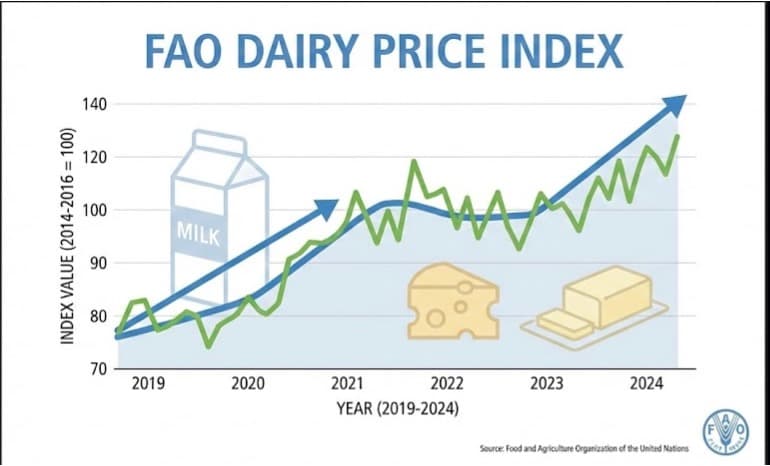
Global food prices ease; FAO dairy index slips — impact looms
Dec 06, 2025

Global food prices ease; FAO dairy index slips — impact looms

The FAO Dairy Price Index averaged 137.5 points in November, down 4.4 points (3.1 percent) from October and 2.4 points (1.7 percent) from its value a year ago. International dairy prices fell for the...Read More

Dairy News 7x7

Your trusted source for all the latest dairy industry news, market insights, and trending topics.

FOLLOW US
CATEGORIES
  • Global News
  • Indian News
  • Blogs
  • Publications
  • Podcasts
SUBSCRIBE TO OUR NEWSLETTER

Stay informed with the latest updates and trending news in the dairy industry.

No spam, unsubscribe at any time

GET IN TOUCH
C-49, C Block, Sector 65,
Noida, UP 201307
+91 7827405029dairynews7x7@gmail.com

© 2025 Dairy News 7x7. All Rights Reserved.

Terms of ServicePrivacy Policy

India’s milk production could reach 300 Billion Litrs by 2030

By DairyNews7x7•Published on April 25, 2024

India contributes to over 25% of global dairy production and has consistently held the top position as the world’s largest milk producer since 1997. In FY23, the country produced around 231 million tonnes of milk, registering a growth rate of 6% CAGR over the period. past decade. A report by NITI Aayog predicts that the country’s milk production will be around 300 million tonnes by 2030. On the other hand, Indian households spend nearly 45% of their food budget on dairy and packaged foods, a trend that is steadily increasing, says a research report by Investec Research House.

According to a study by the International Market Analysis Research and Consulting Group (IMARC), the dairy market in India was estimated to be worth ₹13 lakh crore in 2021. Over the past 15 years, the market has shown a steady growth of around 15% CAGR, and according to IMARC, the leading market research firm, it is expected to reach a market size of around ₹31 lakh crore by 2027.

India is therefore both the largest producer and the largest consumer of dairy products in the world.

The Indian dairy industry

In India, about 46% of the milk produced is consumed locally or sold to non-producers in rural areas, while the remaining 54% is for sale to organized and unorganized players.

The Indian dairy industry is largely dominated by the unorganized sector, which holds a 60% share of the fluid milk market. Nevertheless, the organized sector is making progress and its share has increased from 32% to 40% in the last three years. The Department of Animal Husbandry & Dairying (DAHD) predicted that the share of the organized sector will grow to 54% by 2026. Moreover, the inflow of capital investments from cooperatives and private players will enable them to establish a strong presence and capture market share from the unorganized sector, the Investec report added.

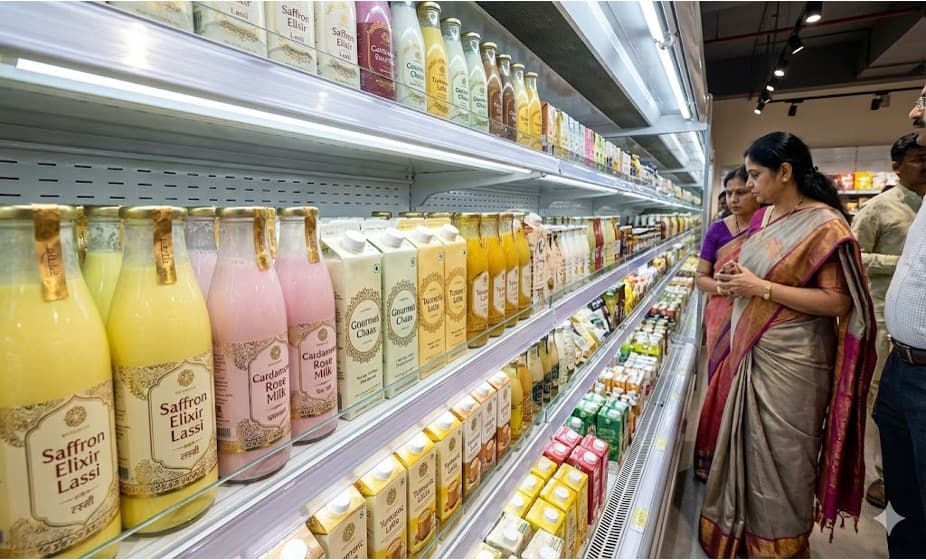
Currently, the fluid milk segment accounts for around 61% of the total Indian dairy market, while traditional value-added products contribute 34% and emerging value-added products account for the remaining 5%. The fluid milk market is expected to grow at a CAGR of 9% over the next five years. Traditional value-added products like paneer, ghee, ice cream, khoa, curd, etc. are expected to grow at a CAGR of 14%, and emerging value-added products like cheese, flavored milk, lassi, buttermilk, etc. are expected to grow . growing by more than 19% per year.

Growth potential for dairy in India

Despite India being the largest consumer of dairy products, per capita consumption is low compared to global standards, indicating huge potential for demand growth.

The growth on the demand side is driven by a growing population, changing lifestyle patterns, increasing disposable incomes and increasing health consciousness.

The supply side is also evolving through technology, changing business models and product innovation. While the traditional Indian dairy industry is hyper-local and unorganized, its modern avatar is getting organized, consolidating to build a wider distribution network and innovating in value-added products.

As consumer demand expands from traditional fluid milk to value-added dairy products, private players can benefit. Furthermore, industry consolidation is expected to further support the growth of private dairy companies, positioning them as viable alternatives to larger cooperatives, the Investec report said.

The organized sector is steadily gaining an upper hand over the unorganized sector due to urbanization, increased reliance on branded goods and increasing demand for value-added dairy products due to changes in dietary habits and lifestyles. This transformation presents opportunities for private companies that offer a wide range of products and can quickly adapt to changing consumer preferences.


Swipe to continue reading

Previous Article

Next Article