

India’s dairy sector seriously needs government’s care
The perspective and the importance of the sector
Agriculture and allied activities contribute about 15% of the total gross value added (GVA) of India. Out of this, the livestock and dairy sector contributed about 28% of the whole sector in FY 2019-20. The milk sector has been growing by 6% per annum and it provides a great relief to the farming community when the agricultural sector faces any crisis. These crises may arise due to natural calamities like drought or floods – which are frequently faced by the sector.
S Mohankumar, Director of the Institute of Development Studies, Jaipur, pointed out many important aspects of the Indian dairy sector in a recent article published in the Indian Express. Additionally, he also stressed that rural prosperity is highly dependent on the development of the dairy sector.
The agriculture sector showed a spectacular growth of 3.4% in the pandemic period while the economy as a whole contracted by 7.2% in the same period (FY 2020-21). Among the farm dependent population of India, 70 million are involved in dairying and livestock. Moreover, 7.7 million are exclusively engaged in rearing cattle and buffalo. It is important to note that out of this population, about 69% are women. That means 5.72% of the total female workforce of the country. Again, among these female workers, about 93% live in rural areas. Therefore, prosperity of the rural sector is hugely related to the development of the dairy and livestock sector of the country.
The milk sector during the pandemic
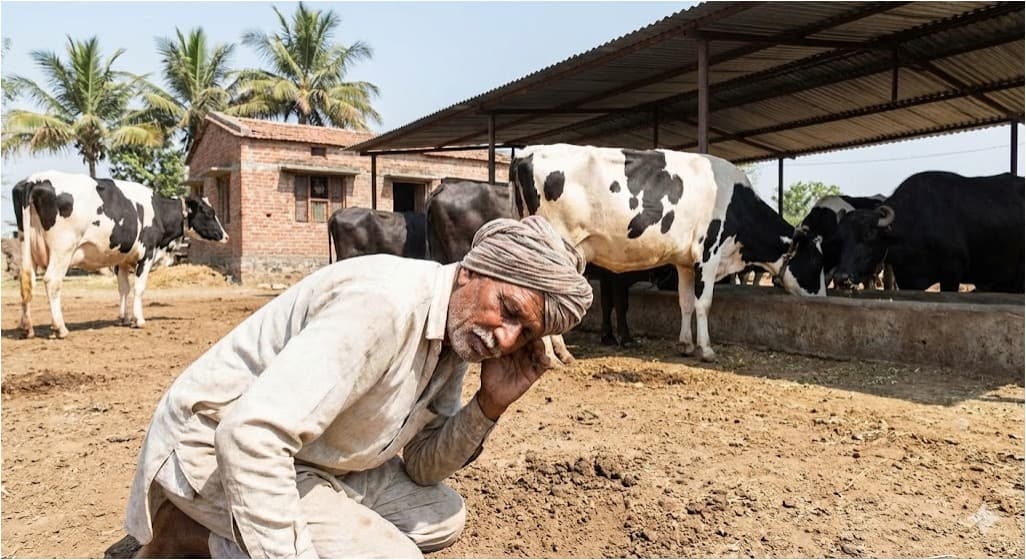
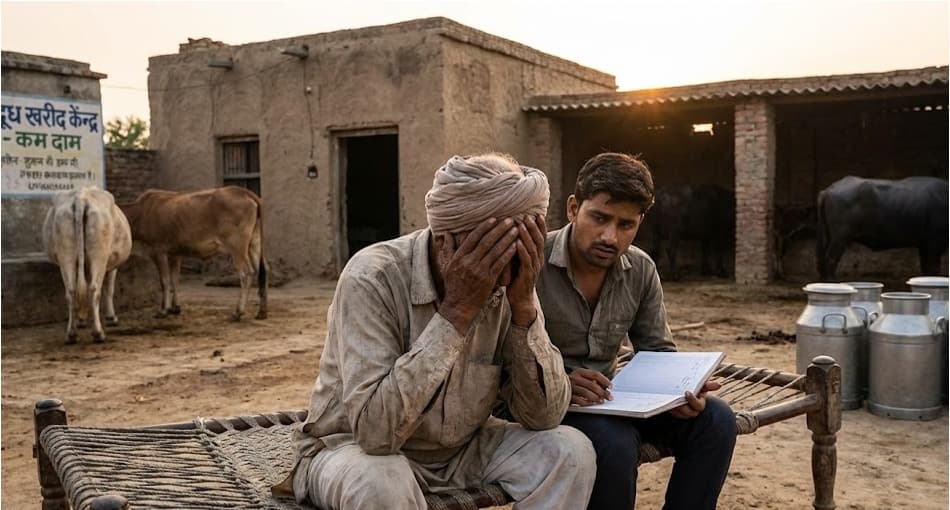
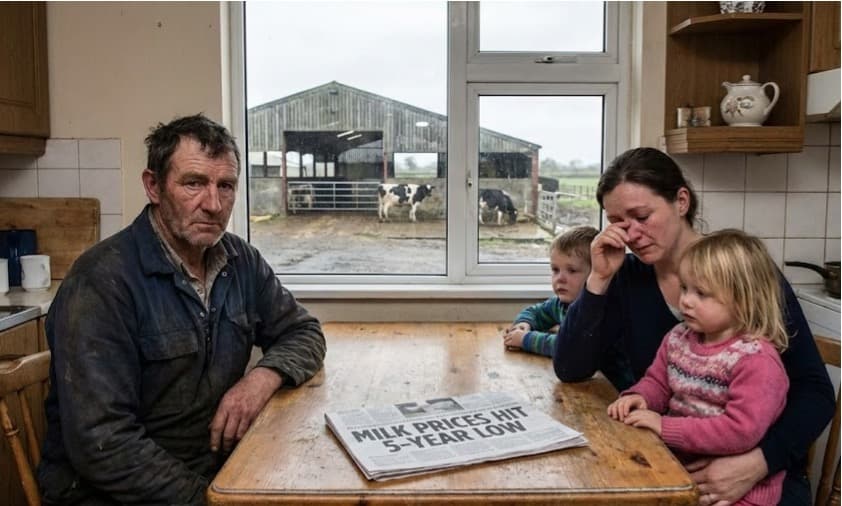
In the first wave of pandemic, the milk sector faced a big problem after the lockdown was declared on March 25, 2020 and almost the entire country was confined to their residences. The sector suffered a huge loss during those days and a lot of milk producers had to sell their products – either at very low prices or in many cases at throw away prices or were even forced to destroy a big portion of the milk produce.
P Sainath, journalist turned writer and some other economists and activists revealed the picture in August 2020. The second wave of the pandemic has put milk producers in a bigger problem.
It is reported that in February 2021, the Union Finance Minister admitted that milk producers were facing an unprecedented crisis pertaining to their livelihood during the pandemic. At that time, shops were closed which had lowered the demand for milk to a large extent. Moreover, shortages of fodder and cattle feed was severe during the pandemic and prices of those items increased highly. Veterinary services were almost stopped. All these had led to the death of many milch animals.
The peculiar status quo of the dairy sector
The dairy sector is mainly characterised by the presence of unpaid female workers. That is, it has been an informal sector all along. The cattle raisers are not organised in any way. So, they have no political clout for support. In other cases, like sugar cane, wheat or rice producers, these sections are politically powerful and can exert their demands successfully.
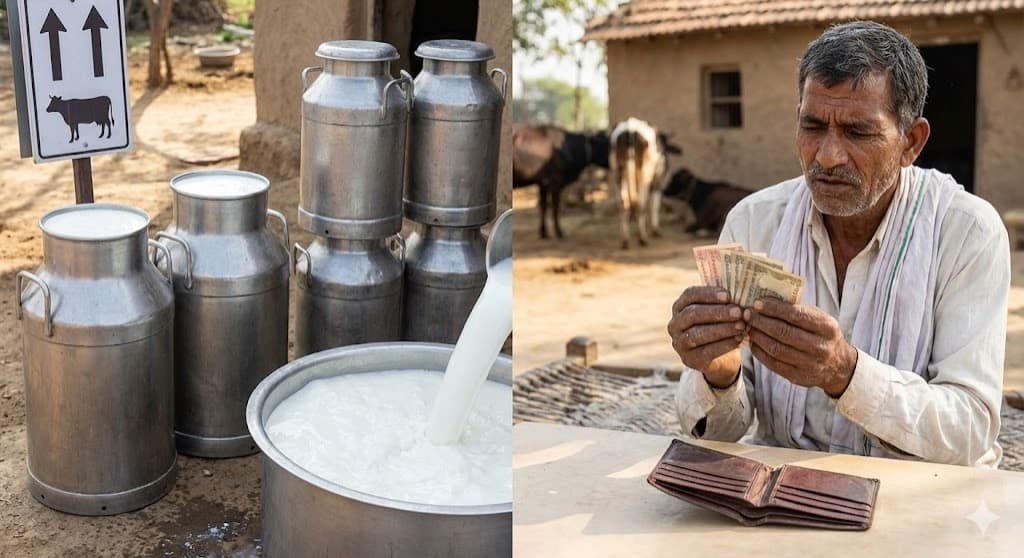
The milk sector has not been brought under the minimum support price system and there is no institutional mechanism of calculating the prices of milk production. Additionally, the role of milk cooperatives is not always optimum. It is estimated that the milk cooperatives handle about 40% of the total marketable surplus of the milk production of the country. The landless and small milk producers are not benefited from cooperatives as these cooperatives offer lower prices (around 75%) as compared to the market rates. Mohankumar has categorically explained the issue by citing the developments in Rajasthan.
This is because, on average, fat-based pricing in dairy cooperatives has been 20 to 30% less than the prices in the open market. For example, buffalo milk fetches `65/litre in the open market in Jaipur city. But the price of the cooperatives ranges between `35/kg and `55/kg.
What is expected from the government
Experts have suggested some important policies for the development of this sector. First, there should be a stable market with remunerative prices of milk. The pricing of milk should be on the basis of quantity and not on its fat content. Secondly, uninterrupted supply of fodder and cattle feed at reasonable prices is necessary. Thirdly, there is a need for proper arrangements of veterinary services and medicines for cattle. Fourthly, dairying has been brought under MGNREGA to compensate farmers for loss of income in the Covid-19 situation. But lower budget allocation in the MGNREGA scheme has made it impossible to implement it in the dairy sector. The government has to intervene to examine the suggestions and implement them as soon as possible.