
India’s dairy sector is a sensitive area in trade deals with the UK
Last week, India and the United Kingdom officially launched negotiations for a free trade agreement (FTA), with the aim of concluding it by the end of the year or early 2023. This is to ensure bilateral trade is doubled by 2030.
“We aim to double trade between our countries by the end of this decade, supporting jobs, businesses, and communities in both our countries,” said UK Trade Secretary Anne-Marie Trevelyan at the launch of the negotiations in New Delhi on 13 January.
“This is part and parcel of the UK’s ambitious agenda to strengthen our strategic and economic partnership with India as it continues to cement its rightful place as an economic superpower,” she said.
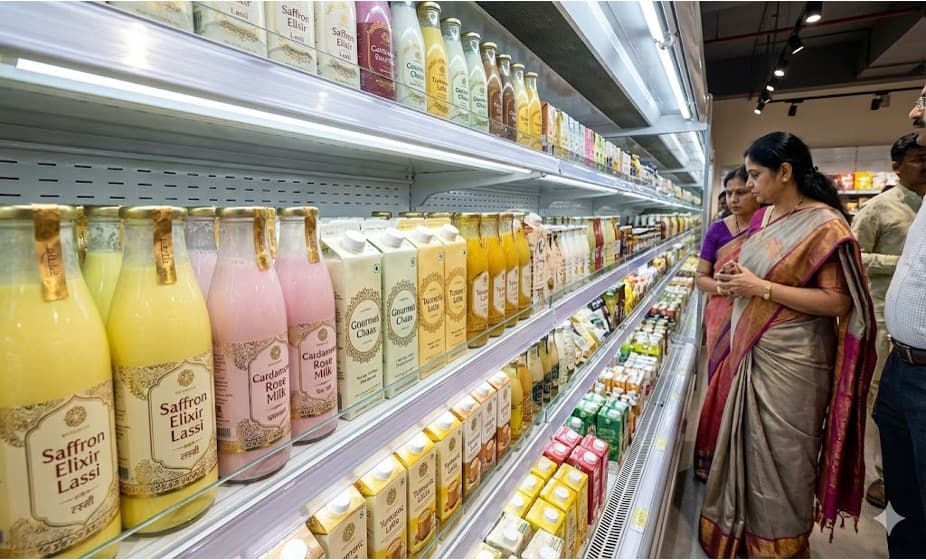
India’s Commerce Minister Piyush Goyal later said that the FTA aims to boost Indian exports in labour-intensive sectors like leather, textile, jewellery, and processed agri products.
The two countries also aim to conclude an early harvest trade deal over the next few months. This comes at a time when India is also actively pursuing FTAs with Australia, the UAE, Israel, and Canada, among others.
India was negotiating a trade pact with the UK earlier, when it was part of the European Union, under the proposed India-EU FTA. However, New Delhi and London began discussing a separate trade deal after the UK formally withdrew from the bloc in January 2021.
However, if the slow pace of India-EU negotiations is any indication, talks between London and New Delhi for a comprehensive trade pact may also take time. There are certain challenges, especially with regards to lowering tariffs in alcohol, automobile and dairy sectors — the latter being a sticky point in India’s FTA negotiations with Australia too.
ThePrint spoke to analysts to understand about these key challenges, and how the post-Brexit scenario could play a role in the India-UK FTA negotiations.
Challenges in alcohol, dairy sectors
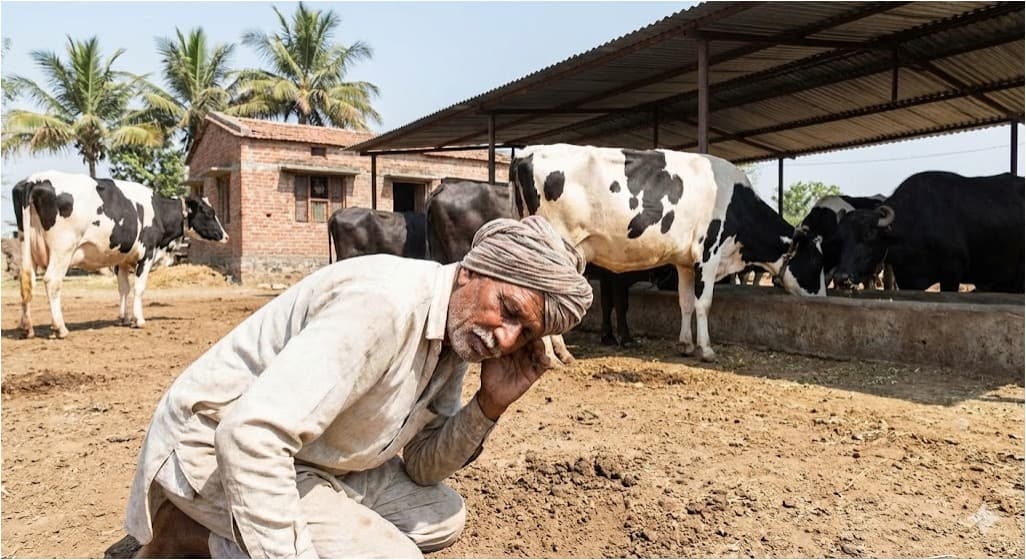
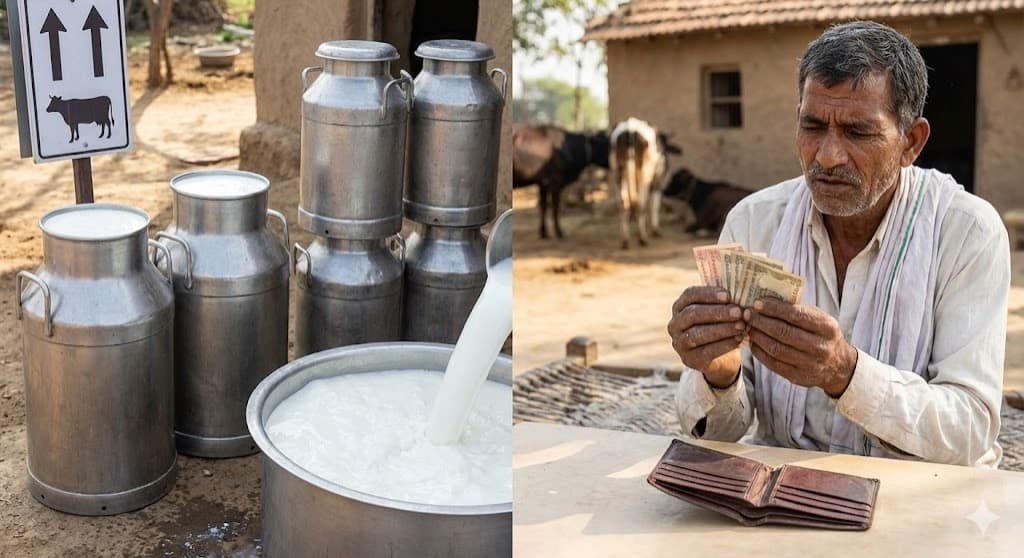
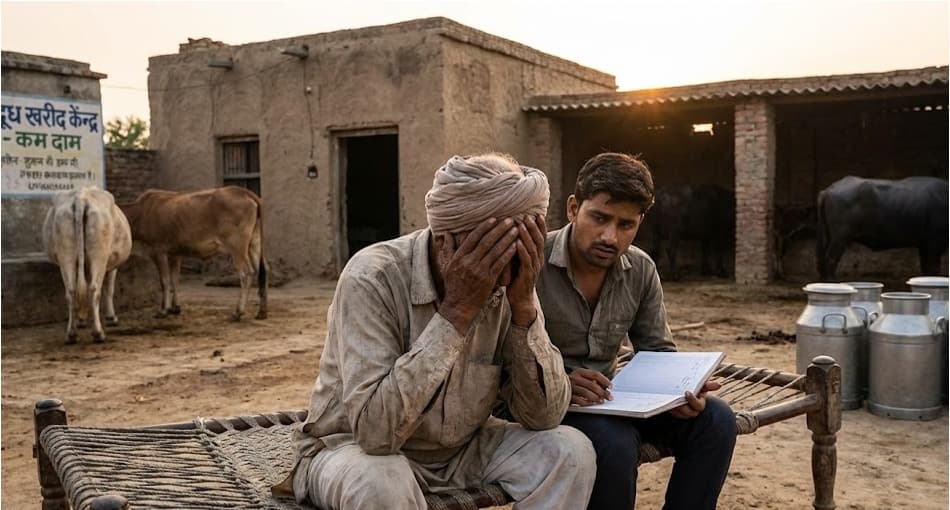
Arpita Mukherjee, professor at the Indian Council for Research on International Economic Relations (ICRIER), explained that export regulation issues are the main reason why alcohol and dairy sectors could be an issue in the trade deal.“India’s dairy sector is a sensitive area in trade deals with the UK and even Australia because of lack of reciprocal market access. The UK has banned our dairy exports because they claim we don’t meet certain regulatory standards, but we still accept their dairy imports,” she told ThePrint.
Mukherjee further suggested joint-capacity building workshops for the Indian industry to meet the standards and inter-government discussions to find some flexibility in removing the ban. “We can also keep low-end products like skimmed milk closed off, but partially open up high-end cheese and products that don’t compete with domestic dairy,” she added.
In the case of the liquor industry, there are similar non-tariff barriers.
“Some Indian whiskeys don’t meet the UK’s requirement of three-year maturation. There are also terminology hang-ups because some Indian whiskeys which are matured for just a year or produced out of molasses, end up being referred to as Indian ‘spirits’ in the UK,” said Mukherjee.
According to Biswajit Nag, professor and head of economics at the Indian Institute of Foreign Trade (IIFT), India may be “protectionist” in the aforementioned sectors but “aggressive” in others.
“We may be protectionist in a few sectors but aggressive in others for high-tech products and precision instruments. We saw great collaboration between India and the UK during the pandemic while developing the AstraZeneca vaccine, so things like these provide a new dimension to pharma and biotechnology sectors on both sides,” he told ThePrint.
Post-Brexit scenario
On 1 January 2021, the UK officially left the European Union (EU), and also single market membership to the bloc. It has been argued that due to Brexit, UK firms would have to navigate a patchwork of national licensing regimes and face restrictions on cross-border business, among other impediments, in contrast to the market access rights that an EU firm would have.“The UK will face difficulties in European markets in the post-Brexit era and hence, look for better market access in large markets like India along with the possibility of deeper cooperation,” said Nag, adding that the UK is one of the few countries with which India shares a trade surplus.
According to Indian commerce ministry data, India’s trade surplus with the UK stood at $3.2 billion in 2020-21.
On the other hand, the existence of cross-country supply chains between the UK and the EU despite Brexit may raise unique challenges.
“With automobile imports from the UK, it’s a problem with the rules of origin. Brexit aside, British auto manufacturers still source components from Europe, so there is a worry on the Indian side about what the real supply chain looks like,” said Mukherjee.
Opportunities for Indian professionals, companies in UK
According to estimates, there are over 800 Indian companies in the UK, with combined revenues of Rs 4.1 lakh crore (41 billion British pounds), employing nearly 1.1 lakh people.A long-standing request from Indian industry has been a social security agreement for skilled Indian professionals on temporary visas in the UK, which would exempt them from social security contributions.
Currently, temporary Indian workers have a limited exemption, despite being unlikely to work in the UK for long enough to accrue any pension. It has been estimated that such contributions are an additional cost burden of around Rs 50,860 (500 Pounds) per employee per year.
Last September, at the 11th virtual India-UK Economic and Financial Dialogue (EFD) between Finance Minister Nirmala Sitharaman and UK Chancellor Rishi Sunak, both countries committed to a joint dialogue towards signing a Social Security Agreement.
“The Indian IT industry in the UK also wants access to the UK government procurement market. Though this issue has largely been outside FTA negotiations, government procurement-related barriers on both sides are also likely to crop up in discussions,” Mukherjee said.
SOURCE : THE PRINT Jan 20 2022 written by PIA Krishnankutty and edited by Manoj Ramachandran