
Logo
IndianGlobalBlogsPublicationsPodcastsMarketAboutContact
Logo
IndianGlobalBlogsPublicationsPodcasts
7News
TN Minister Urges Farmers to Adopt Tech for Value Addition in DairyListen to the Farm, Not the Farmer—The New Productivity LensWhat’s Driving Change In Beverages, FMCG And Dairy in 2025ED begins money laundering probe in dairy investment fraud caseIndo-Brazil pact aims to boost cattle genetics and dairy yield

Indian Dairy News

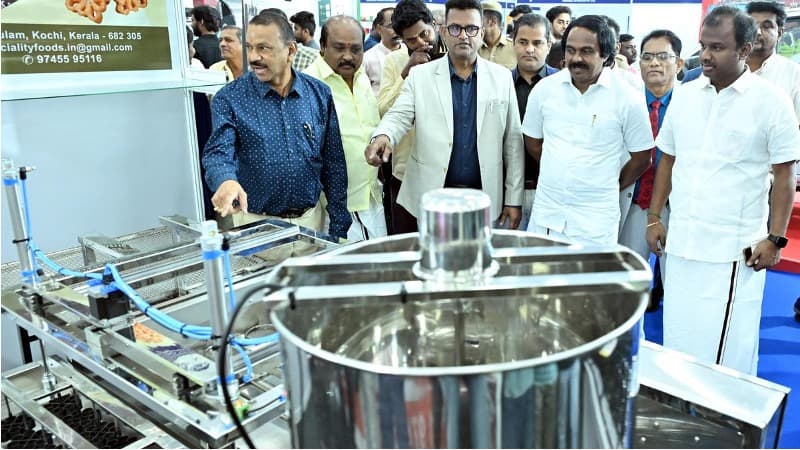
TN Minister Urges Farmers to Adopt Tech for Value Addition in Dairy
Dec 12, 2025

TN Minister Urges Farmers to Adopt Tech for Value Addition in Dairy

In Coimbatore this week, Tamil Nadu’s Minister for Milk and Dairy Development, Mano Thangaraj, called on dairy farmers to embrace modern technologies to boost productivity and value addition across th...Read More

Listen to the Farm, Not the Farmer—The New Productivity Lens
Dec 12, 2025

Listen to the Farm, Not the Farmer—The New Productivity Lens

India’s dairy sector, valued at nearly $30 billion, has reached a point where incremental changes will not deliver the next breakthrough. For decades, improvement programs have focused on what farmers...Read More

What’s Driving Change In Beverages, FMCG And Dairy in 2025
Dec 12, 2025

What’s Driving Change In Beverages, FMCG And Dairy in 2025

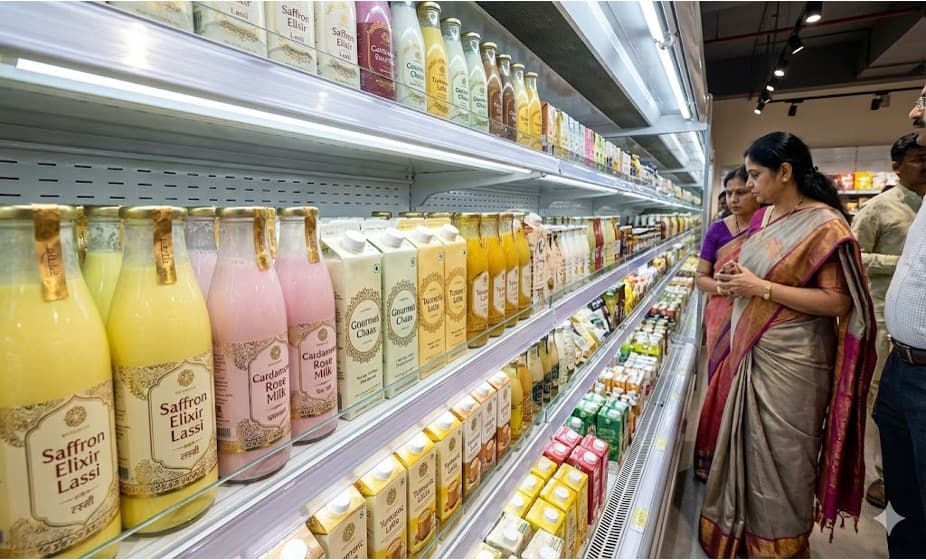
India’s retail landscape in 2025 was marked by a decisive shift in how consumers choose, consume and connect with brands. From beverages to daily nutrition and even the most essential dairy products,...Read More

Latest Blogs

See More
More Milk, Less Money: India’s Dairy Crisis
Dec 01, 2025

More Milk, Less Money: India’s Dairy Crisis

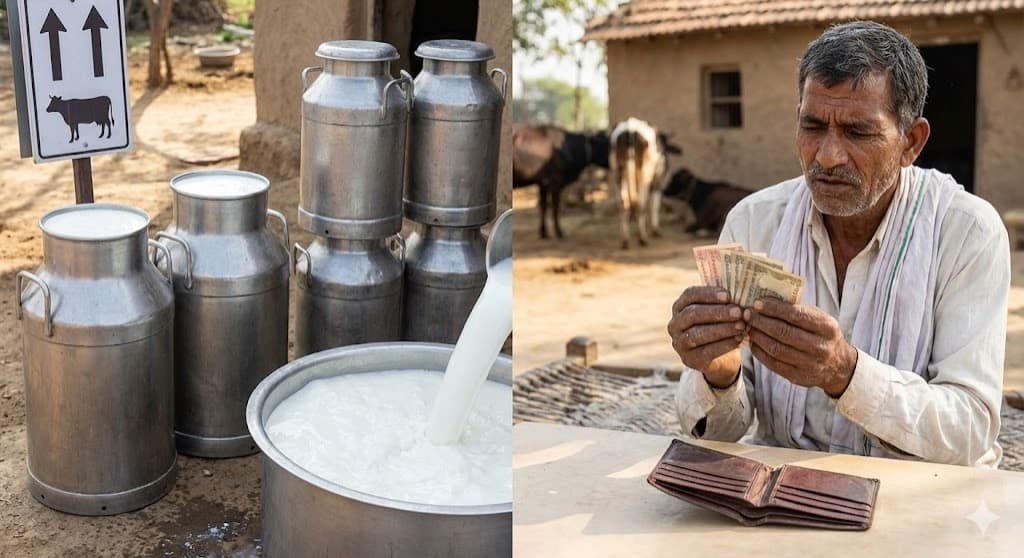
With the release of the BAHS 2025 summary report, I felt compelled to deep dive into its findings and reflect on the real progress and challenges facing India’s dairy sector. Over the last six years,...Read More

India Milk Prices: Cost Shock and Procurement Pressure
Nov 28, 2025

India Milk Prices: Cost Shock and Procurement Pressure

Milk prices in India face upward pressure as rising feed costs and procurement hikes reshape farm economics. Insight on dairy procurement, feed costs, and market outlook. Official government and coope...Read More

Stop Blaming, Start Claiming: Livestock’s Carbon Credit Future
Nov 16, 2025

Stop Blaming, Start Claiming: Livestock’s Carbon Credit Future

This week, I had the opportunity to attend an Agri Carbon Masterclass conducted by CII FACE. The deliberations, case studies, and discussions presented during the session were both insightful and thou...Read More

India Powers the Gulf’s Dairy Revolution -Gulf Food 2025
Oct 31, 2025

India Powers the Gulf’s Dairy Revolution -Gulf Food 2025

As Gulf Food Manufacturing prepares to open its doors from November 4–6 in Dubai, Indian dairy product and equipment manufacturers have a unique opportunity to explore one of the most promising region...Read More

Global Dairy News

Why the global milk business needs a structural shake-up
Dec 08, 2025

Why the global milk business needs a structural shake-up

The New Zealand dairy stalwart Fonterra has sold its consumer dairy-brands (milk, butter, cheese) — including “Anchor” and “Mainland Cheese” — to French agribusiness giant Lactalis in late October 202...Read More

Raw-milk prices in Europe hit 5-yr low; ripple effect looms
Dec 07, 2025

Raw-milk prices in Europe hit 5-yr low; ripple effect looms

European raw-milk prices have plunged to their lowest in five years, as oversupply and weak demand weigh on dairy markets across the region. According to recent data from DCA Market Intelligence B.V.,...Read More

Global food prices ease; FAO dairy index slips — impact looms
Dec 06, 2025

Global food prices ease; FAO dairy index slips — impact looms

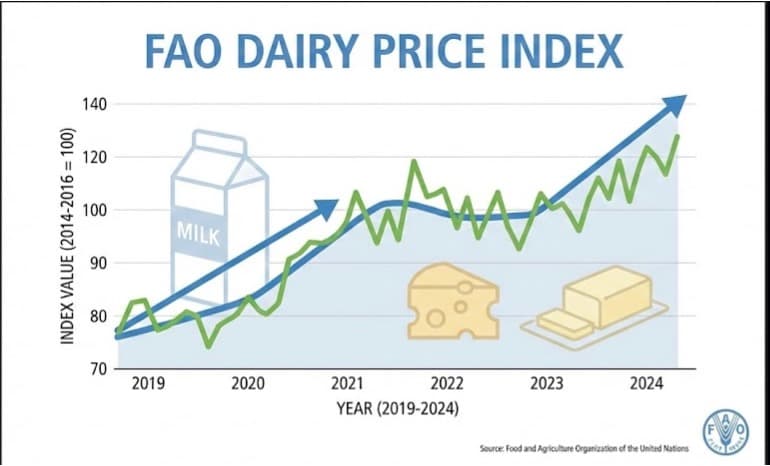
The FAO Dairy Price Index averaged 137.5 points in November, down 4.4 points (3.1 percent) from October and 2.4 points (1.7 percent) from its value a year ago. International dairy prices fell for the...Read More

Dairy News 7x7

Your trusted source for all the latest dairy industry news, market insights, and trending topics.

FOLLOW US
CATEGORIES
  • Global News
  • Indian News
  • Blogs
  • Publications
  • Podcasts
SUBSCRIBE TO OUR NEWSLETTER

Stay informed with the latest updates and trending news in the dairy industry.

No spam, unsubscribe at any time

GET IN TOUCH
C-49, C Block, Sector 65,
Noida, UP 201307
+91 7827405029dairynews7x7@gmail.com

© 2025 Dairy News 7x7. All Rights Reserved.

Terms of ServicePrivacy Policy

India’s dairy farmers face searing heat

By DairyNews7x7•Published on June 23, 2022

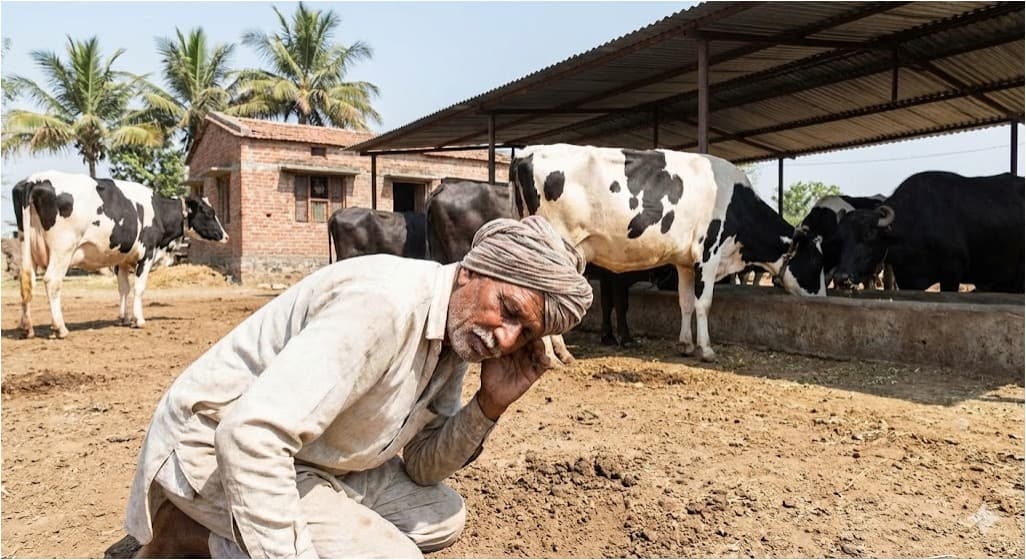
ailas Ramasamy gently guides his cows into a hangar-sized shed, tethers them to their posts, lays out their fodder and cleans the floor. Then, as he steps out, he flips a switch: ceiling fans begin to blow air on the cattle.

Ramasamy’s dairy farm is an hour outside southern India’s Bengaluru city. Usually known for its moderate weather, the region has witnessed a sharp rise in temperature compared with earlier decades. Elsewhere in India, temperatures have reached 50C (122F) this year.

That is bad news for India’s dairy industry, with heat stress leading to reduced appetite, lower weight gain and decreased fertility in cattle. Rising temperatures could reduce milk output by up to 25% in India’s hotter areas by 2085, according to recent research published in the Lancet.

Heat stress is a global problem, with thousands of cattle reported to have died last week in the US state of Kansas as temperatures of more than 37C were compounded by high levels of humidity.

But for India, any significant decline in milk production could be devastating for food security if it ends self-sufficiency in dairy in the world’s second most populous country.

The consequences would also be devastating for 80 million Indians employed across the dairy industry.

Rising temperatures could reduce milk output by up to 25% in the country’s hotter areas by 2085
These are problems that Ranganatha Reddy knows well. Temperatures on his dairy farm in Anantapur, 120 miles (200km) from Bengaluru, hit 43C in May.

“My cows usually have an internal alarm clock and start mooing when it’s meal time because they’re always hungry,” he says. “But during the heatwave I had to almost force-feed them.”

His farm’s milk output dropped by 30% month-on-month. “It felt like I was wringing a dry sponge.”

While climate change is a global phenomenon, the large number of small dairy holdings in India and a growing dependence on breeds that are vulnerable to heat stress could affect the country more than other big dairy producers such as the US or Brazil.

In the 1970s, India began crossbreeding imported, high-yield varieties of cattle with local species, helping turn the country from running a dairy deficit to producing 22% of the world’s milk.

India’s most recent livestock census found that the population of crossbred cattle had increased by 26% since 2012, while indigenous varieties decreased by 6%.


It makes financial sense to switch to crossbred cows as they produce “much more milk”, says Ramendra Das, a veterinary scientist who has studied the impact of warming temperatures on different breeds – but they are more vulnerable to heat stress than indigenous varieties.

Ramasamy, who buys and sells milk from local farmers through the company Vrindavan Dairy, is trying to promote the use of indigenous cows by paying more for milk from Indian cows (42p a litre) than from crossbreeds (32p).

Solutions to ward off heat stress include specially designed sheds with fans and sprinklers to keep cattle cool, but that comes at a high cost. “Only big, intensive dairy farms can afford such infrastructure,” says Girdhari Ramdas Patil, a former joint director at the National Dairy Research Institute. Almost two-thirds of India’s milk is produced by small-scale farmers.

Philip Thornton, a scientist at the Consortium of International Agricultural Research Centers and lead author of the Lancet study on heat stress milk yield losses, says that crossbreeding climate-resilient cattle varieties and higher-yielding cows might help in the long run.

For Ramasamy, the answer has been to seek better indigenous breeds. He has started breeding Gyr cows from northern India that give more milk than other breeds while also consuming less food and water than crossbred varieties.

Does he think the lower maintenance costs and risks of heat stress will persuade more farmers to turn to Indian breeds? “It’s going to be difficult, but I’m convinced that is the future,” he says.

Source : The Guardian : June 22nd 2022 by Charu Sudan Kasturi

Swipe to continue reading

Previous Article

Next Article