

Logo
IndianGlobalBlogsPublicationsPodcastsMarketAboutContact
Logo
IndianGlobalBlogsPublicationsPodcasts
7News
TN Minister Urges Farmers to Adopt Tech for Value Addition in DairyListen to the Farm, Not the Farmer—The New Productivity LensWhat’s Driving Change In Beverages, FMCG And Dairy in 2025ED begins money laundering probe in dairy investment fraud caseIndo-Brazil pact aims to boost cattle genetics and dairy yield

Indian Dairy News

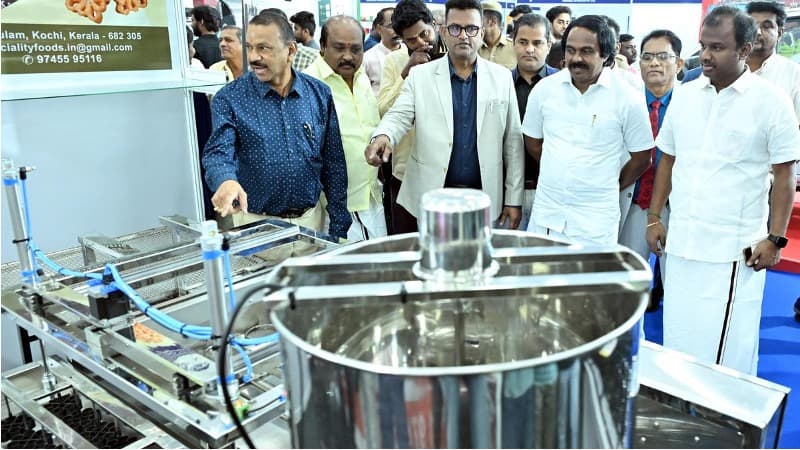
TN Minister Urges Farmers to Adopt Tech for Value Addition in Dairy
Dec 12, 2025

TN Minister Urges Farmers to Adopt Tech for Value Addition in Dairy

In Coimbatore this week, Tamil Nadu’s Minister for Milk and Dairy Development, Mano Thangaraj, called on dairy farmers to embrace modern technologies to boost productivity and value addition across th...Read More

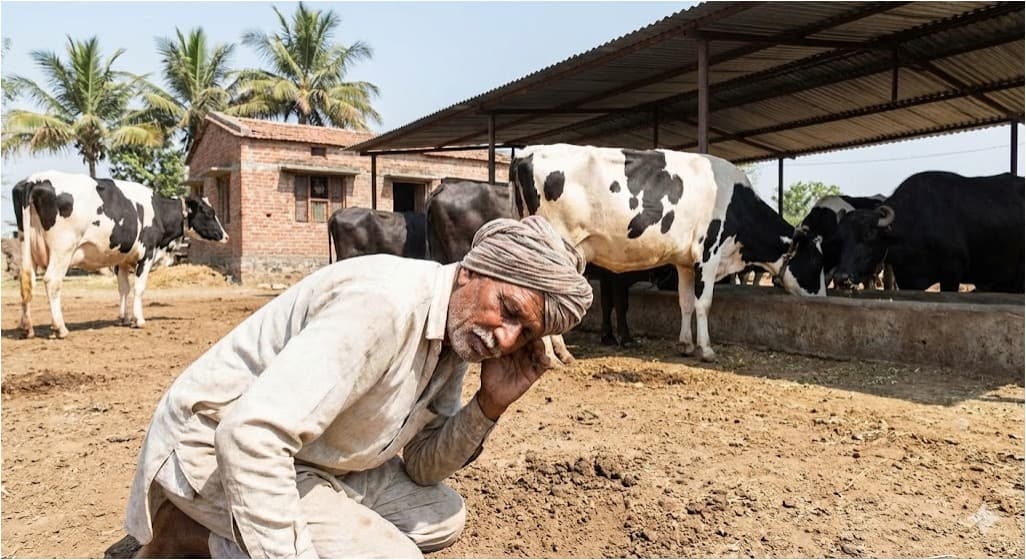
Listen to the Farm, Not the Farmer—The New Productivity Lens
Dec 12, 2025

Listen to the Farm, Not the Farmer—The New Productivity Lens

India’s dairy sector, valued at nearly $30 billion, has reached a point where incremental changes will not deliver the next breakthrough. For decades, improvement programs have focused on what farmers...Read More

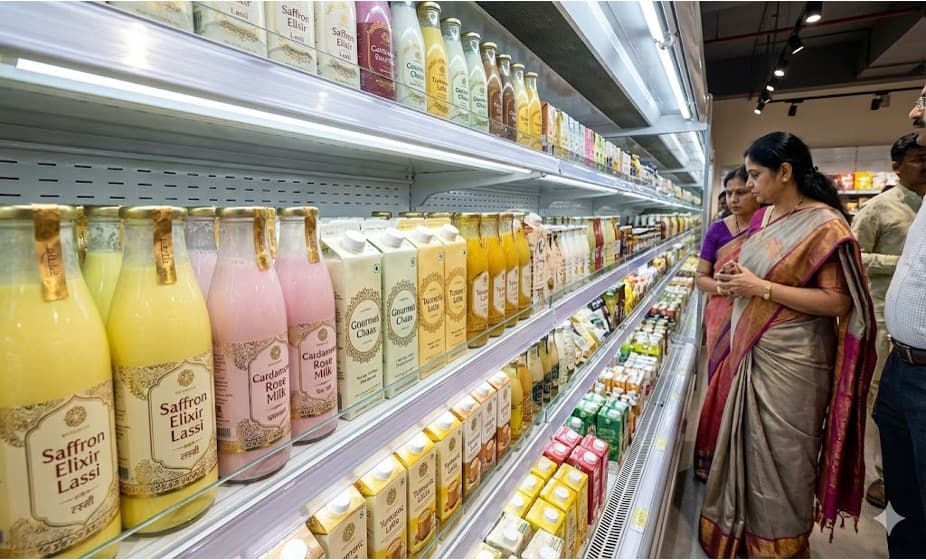
What’s Driving Change In Beverages, FMCG And Dairy in 2025
Dec 12, 2025

What’s Driving Change In Beverages, FMCG And Dairy in 2025

India’s retail landscape in 2025 was marked by a decisive shift in how consumers choose, consume and connect with brands. From beverages to daily nutrition and even the most essential dairy products,...Read More

Latest Blogs

See More
More Milk, Less Money: India’s Dairy Crisis
Dec 01, 2025

More Milk, Less Money: India’s Dairy Crisis

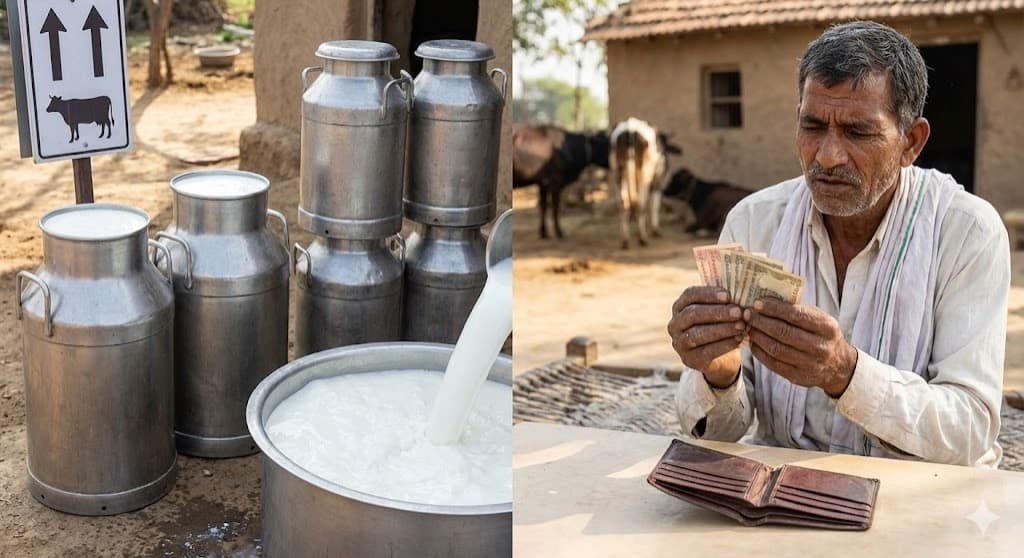
With the release of the BAHS 2025 summary report, I felt compelled to deep dive into its findings and reflect on the real progress and challenges facing India’s dairy sector. Over the last six years,...Read More

India Milk Prices: Cost Shock and Procurement Pressure
Nov 28, 2025

India Milk Prices: Cost Shock and Procurement Pressure

Milk prices in India face upward pressure as rising feed costs and procurement hikes reshape farm economics. Insight on dairy procurement, feed costs, and market outlook. Official government and coope...Read More

Stop Blaming, Start Claiming: Livestock’s Carbon Credit Future
Nov 16, 2025

Stop Blaming, Start Claiming: Livestock’s Carbon Credit Future

This week, I had the opportunity to attend an Agri Carbon Masterclass conducted by CII FACE. The deliberations, case studies, and discussions presented during the session were both insightful and thou...Read More

India Powers the Gulf’s Dairy Revolution -Gulf Food 2025
Oct 31, 2025

India Powers the Gulf’s Dairy Revolution -Gulf Food 2025

As Gulf Food Manufacturing prepares to open its doors from November 4–6 in Dubai, Indian dairy product and equipment manufacturers have a unique opportunity to explore one of the most promising region...Read More

Global Dairy News

Why the global milk business needs a structural shake-up
Dec 08, 2025

Why the global milk business needs a structural shake-up

The New Zealand dairy stalwart Fonterra has sold its consumer dairy-brands (milk, butter, cheese) — including “Anchor” and “Mainland Cheese” — to French agribusiness giant Lactalis in late October 202...Read More

Raw-milk prices in Europe hit 5-yr low; ripple effect looms
Dec 07, 2025

Raw-milk prices in Europe hit 5-yr low; ripple effect looms

European raw-milk prices have plunged to their lowest in five years, as oversupply and weak demand weigh on dairy markets across the region. According to recent data from DCA Market Intelligence B.V.,...Read More

Global food prices ease; FAO dairy index slips — impact looms
Dec 06, 2025

Global food prices ease; FAO dairy index slips — impact looms

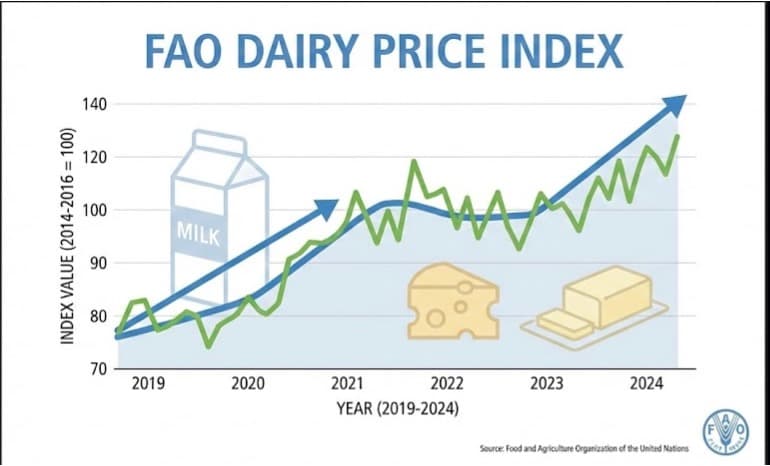
The FAO Dairy Price Index averaged 137.5 points in November, down 4.4 points (3.1 percent) from October and 2.4 points (1.7 percent) from its value a year ago. International dairy prices fell for the...Read More

Dairy News 7x7

Your trusted source for all the latest dairy industry news, market insights, and trending topics.

FOLLOW US
CATEGORIES
  • Global News
  • Indian News
  • Blogs
  • Publications
  • Podcasts
SUBSCRIBE TO OUR NEWSLETTER

Stay informed with the latest updates and trending news in the dairy industry.

No spam, unsubscribe at any time

GET IN TOUCH
C-49, C Block, Sector 65,
Noida, UP 201307
+91 7827405029dairynews7x7@gmail.com

© 2025 Dairy News 7x7. All Rights Reserved.

Terms of ServicePrivacy Policy

Indians eat low-nutrient food, gorge on dairy: Study

By DairyNews7x7•Published on August 26, 2023

Indians consume more dairy than healthier fruits and vegetables, according to a recent study that expressed concern over the low nutrient intake and called for a public health campaign to correct the anomaly.

The study claimed that rural and poor women were adversely affected by this gap.

The study, “Dietary Patterns in North and South India: a comparison with EAT-Lancet Dietary Recommendations,” was published in the Journal of Human Nutrition and Dietetics. According to EAT-Lancet guidelines, wholegrain (32 per cent) and protein vegetables (23 per cent) should form a significant chunk of food intake. Dairy foods should be only five per cent.

But the study showed that Indians consumed 25 per cent dairy foods, 23 per cent added fats, only 15 per cent whole grains, and four per cent protein vegetarian.

“The diets of the study participants were mainly plant-based and high in dairy but lacking in nutrient-rich foods such as vegetables and fruits,” said the study.

The findings are based on a survey of 8,762 adults in Sonipat in Haryana and Vizag in Andhra Pradesh 2019. Half of the participants in the study were women and rural.

“Vegetables and fruits were consumed in lower quantities, whereas dairy and added fats were consumed in higher quantities than recommended by the EAT‐Lancet recommendations,” the study said.

The study found that when compared by urban and rural residents, the consumption of starchy vegetables, all vegetables, fruits and protein‐rich foods was higher in urban areas. However, in rural areas, the consumption of whole grains and dairy products was higher.

The consumption of various foods was also different among men and women. While women consumed starchy vegetables, which includes potatoes, corn, peas, and lentils, and all vegetables, men took more non‐vegetarian protein.

Similarly, the difference between poor and rich varied too. The rich ate more vegetables, fruits, and dairy items, the study found.

The study also found that whole grains, all vegetables, fruits, dairy, and added fats consumption were higher in Vizag than in Sonipat, while the mean quantity consumed of starchy vegetables and added sugars was higher in Sonipat than in Vizag.

Speaking with this paper, Prof Sailesh Mohan, one of the authors of the study, “Compared to the EAT-Lancet recommendations, the study participants were consuming inadequate amounts of nutrient‐rich fruits and vegetables which are very beneficial to health, but consuming more dairy, refined foods (white rice, flours), fats and sugars, which adversely impact health.”

“Given the high burden of malnutrition and cardiometabolic diseases in India, this is very disconcerting from a population health perspective,” he said.

“We need policy actions for making micronutrient-rich foods and healthy sustainable diets available and affordable to all, with a particular focus on the poor and rural populations,” said Mohan, who is a Professor at the Public Health Foundation of India (PHFI) and Director, Centre for Chronic Conditions and Injuries (CCCI).

Mohan added that from a planetary health and sustainability perspective, it is reassuring that consumption of high carbon footprint foods such as red meats, and other non‐vegetarian foods, is not a major issue.

“However, a shift towards higher dairy consumption can lead to a high carbon footprint from Indian diets in the future and needs to be borne in mind, while framing dietary and agricultural policies, to make food systems more resilient, responsive to population dietary needs and sustainable,” he added.

It has recommended policies to make healthy, sustainable diets and micronutrient-rich foods affordable.

It called for implementing EAT-Lancet recommendations on a healthy diet by the Indian Council of Medical Research (ICMR).

EAT-Lancet guidelines, developed by the Lancet Commission on Planetary Health in 2019, recommend 2500 kcal/d (kilo calorie per day), whereas Indians consumed only 1560 kcal/d. Calories are a measure of energy in nutrition.

Swipe to continue reading

Previous Article

Next Article