

Indian agriculture needs many more Verghese Kurien clones
It is ironic that on Verghese Kurien’s 99th birth anniversary, farmers from Punjab, Haryana, Rajasthan and Uttar Pradesh were marching to Delhi to protest against the three farm Bills that were passed by the Lok Sabha in September. Kurien who spent his life, after his engineering studies in Michigan, with the farmers of Anand, would have insisted they deserved a hearing.
Though the cooperative movement that Amul exemplified best has lost its way, the compulsions of farmers dependent on intermediaries, bureaucrats and companies, are depressingly similar to what they were in the 1940s when Kurien found himself serendipitously in their midst.
That he proceeded to address each of the three dependencies in his own unique way is now a piece of history, best recorded in books like Ruth Heredia’s excellent ‘The Amul India Story’.
For the record, the movement he shepherded starting May 1948 when he was assigned to the Government Creamery located at Anand, in Gujarat, led to India’s emergence as the world’s largest producer of milk and one of the major exporters of skimmed milk powder (SMP), the innovation that changed the precarious lives of milk farmers in Anand and then eventually across the country.
More than just a cooperative
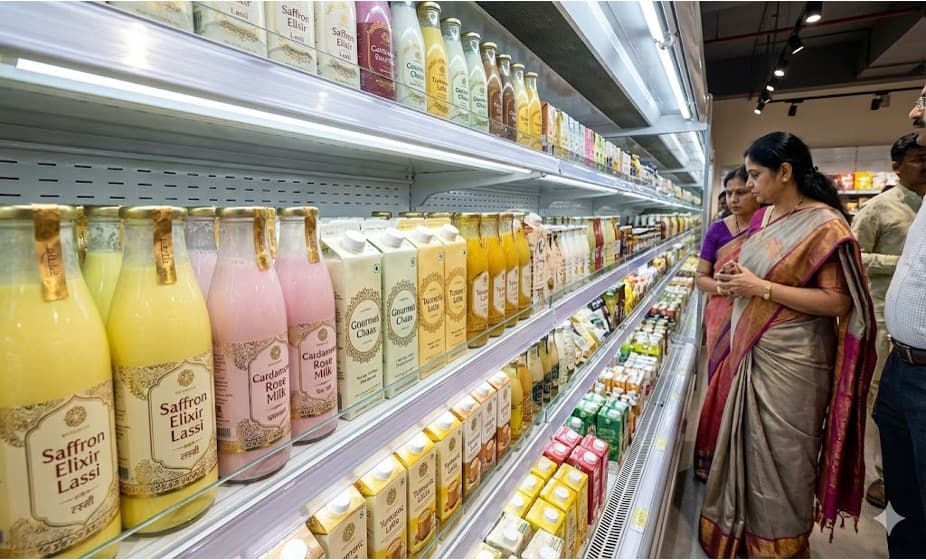
Amul itself has gone from strength to strength and is no longer just a milk cooperative. Over the years it has diversified into a whole host of milk derivatives, of which butter is the best known. Its ability to absorb milk supplies from farmers and turn them into processed products, like cheese, has hugely enlarged the scale and scope of its operations manifold.Indeed, as India went into a strict lockdown in March, there was apprehension that milk farmers would suddenly find demand disappearing with the operational logistics of the business severely affected. Yet, the Gujarat Cooperative Milk Marketing Federation, which retails its products under the Amul brand, ensured that the link between the nearly 3.5 million farmers who bring in the milk which is eventually processed into packaged milk and value-added products and their over one billion daily consumers, was not severed.
Replicating Amul’s model
In a telling commentary on the potential strengths of such movements, organisations such as Nandini in Karnataka, Aavin in Tamil Nadu and Verka in Punjab, ensured a steady supply of milk and other dairy products at pre-lockdown prices even as larger Indian and multinational companies floundered following disruptions to their supply chains.
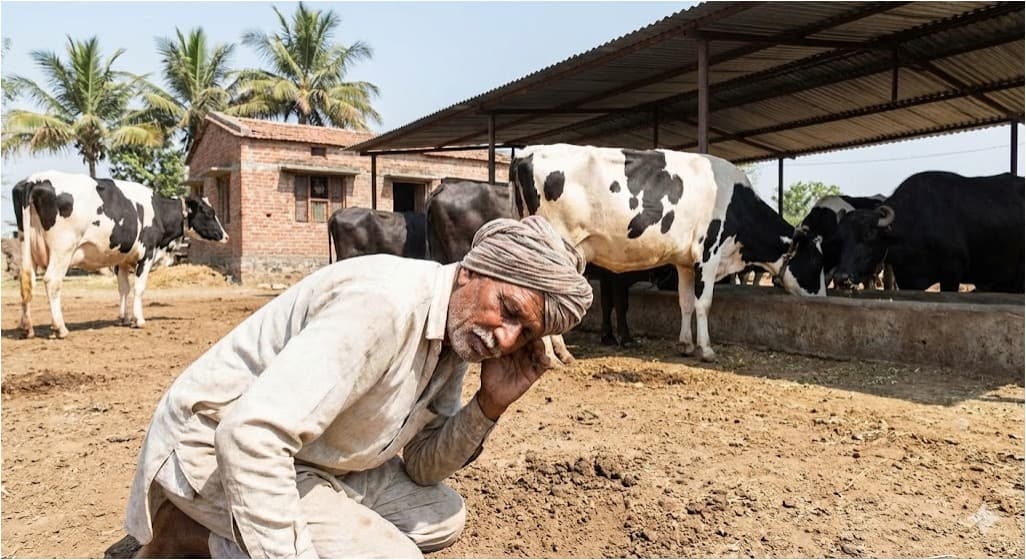
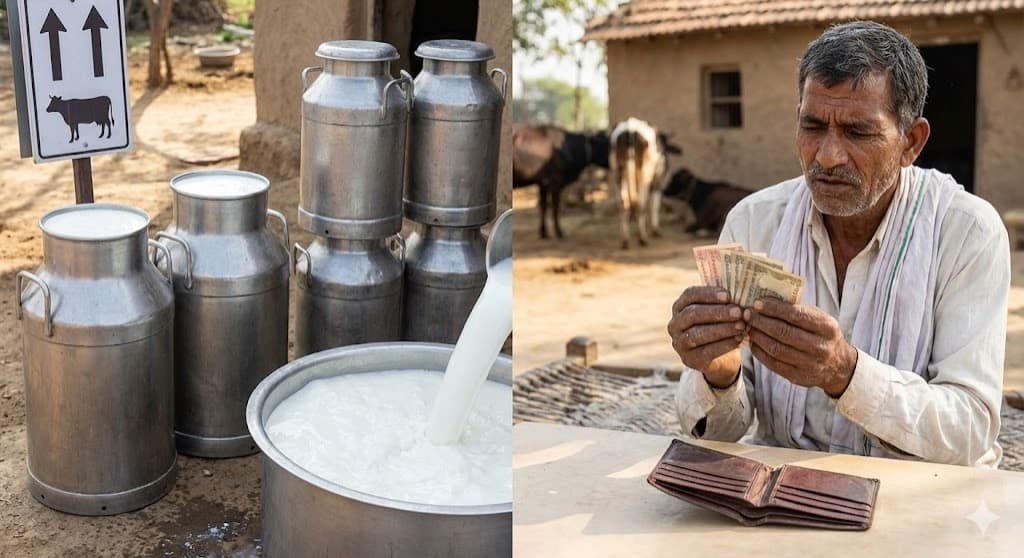
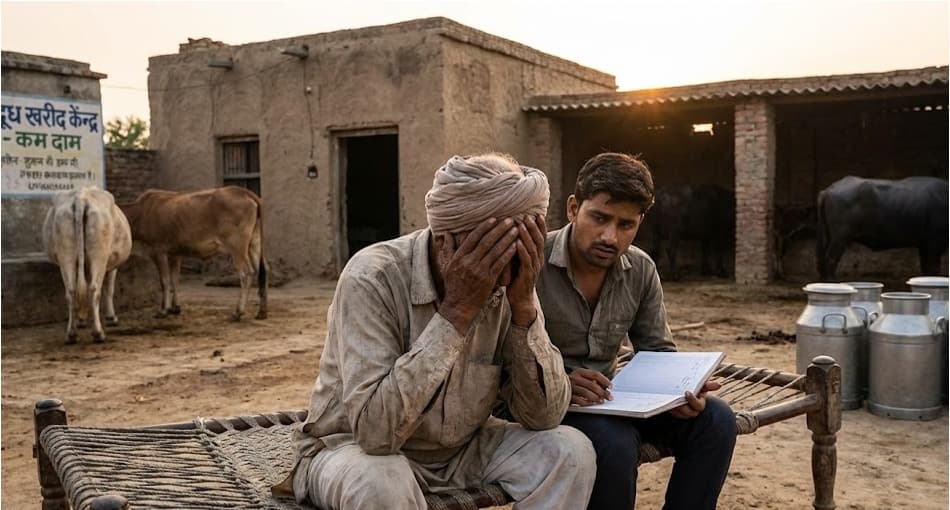
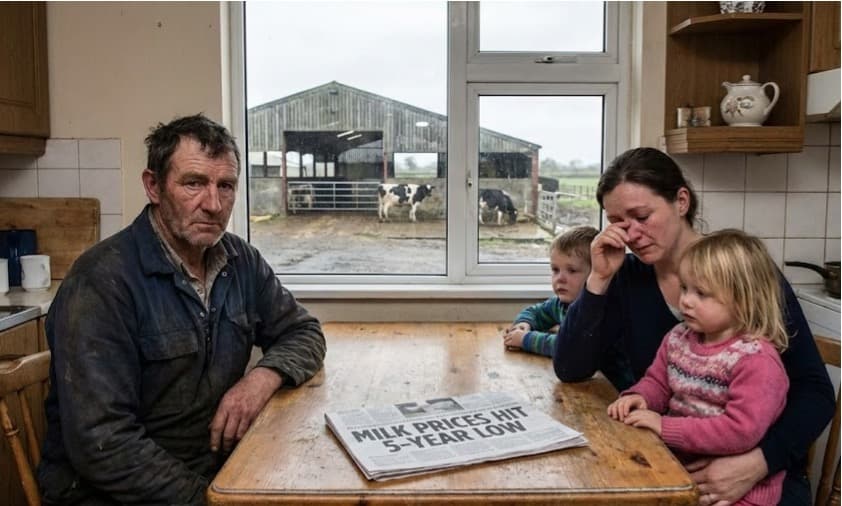
Sadly, the White Revolution that Kurien kicked off is floundering, with the business no longer remunerative for the farmers. Prices for farmers have been falling following a glut of milk in India and across the world. In July, farm unions in Maharashtra organised protests to mobilise support for dairy farmers who were demanding subsidies on milk supply within India as well as on exports of milk powder. The price situation is the same across the country with the lockdown adding to the woes of the farmers, as restaurants and shops remained shut, reducing their offtake of dairy products.
Thanks to the firm foundations that Kurien laid, which survived the organisational turbulence in his lifetime as well as later, Amul has emerged unscathed from these developments. In fact, sales growth over the last 8-10 months was on expected lines.
Going South
In fact, according to a Mint report it is now planning to expand its milk business into the southern states where it will compete with established regional cooperative brands such as Milma, owned by the Kerala Cooperative Milk Marketing Federation as also strong private companies such as Heritage Foods in Andhra Pradesh. All of them are dwarfed by Amul’s annual sales of Rs 52,000 crore which leave enough investment surplus to support its growth into new markets and segments.Looking at the vulnerability of the protesting farmers and their fears of an end to the assured procurement of their crops at the minimum support price stipulated by the government, Amul’s success stands out. It remains to Kurien’s great credit that his model of business in which a cooperative like Amul focused on staying profitable and treating its millions of farmer members as stakeholders, has stayed the course.
Sadly, Amul’s success hasn’t been the catalyst for similar movements across other agricultural commodities. With 50 percent of India’s population still dependent on income from agriculture, that’s a real tragedy. Nearly 75 years after Amul was created by visionaries like Verghese Kurien and Tribhuvandas Kishibhai Patel, India desperately needs more professionally-run rural institutions that can mobilise those whose livelihood comes from the farm sector, into a cohesive force that is productive and progressive.