
If Australia has reached ‘peak milk’, what does that mean for our food security?
If the last thing you remember about Australian dairy farmers is the $1 milk price war, it is worth thinking a little more deeply about the white in your flat white and what it signifies for food producers.
Last year, the standing committee on agriculture’s final report into food security, chaired by Labor MP Meryl Swanson, recommended a National Food Plan.
It also called for a strategy to address the decline in milk production because a strong dairy industry was required for the “nutritional and food security” of the nation. Dairy was one of only two industries, the other being seafood, that were singled out for special attention in the report.
Milk is one of those staple products that most people assume Australia has covered.
Well, yes and no.
Dairying used to be a protected industry. Then came industry deregulation in 2000; the rise of dairy alternatives such as oat, soy and almond milk; and the milk price wars initiated by the supermarket duopoly in 2011 – those same supermarkets that have appeared before a Senate committee in the past week.
In the last few years, something more complex has been happening for the people who make your milk, yoghurt, cheese and butter.
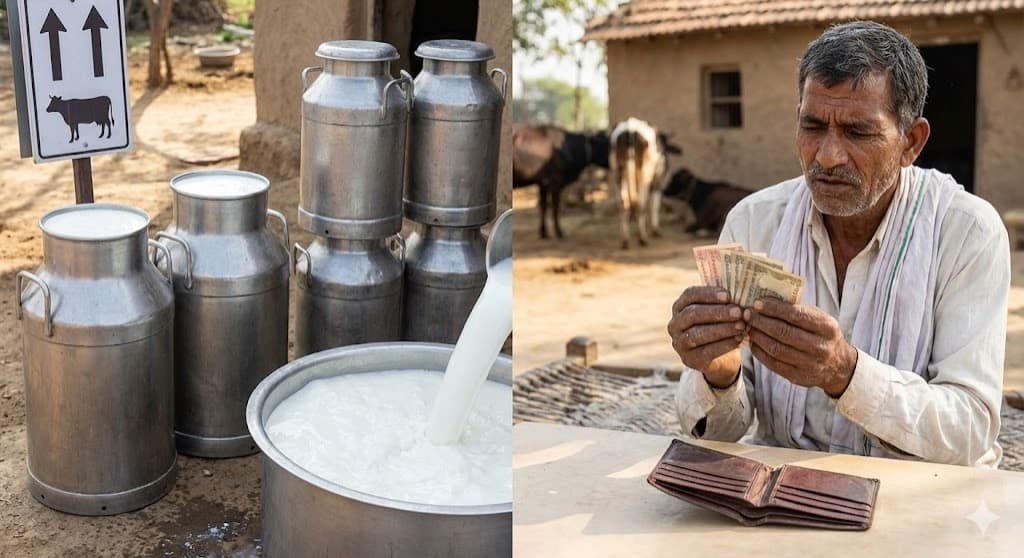
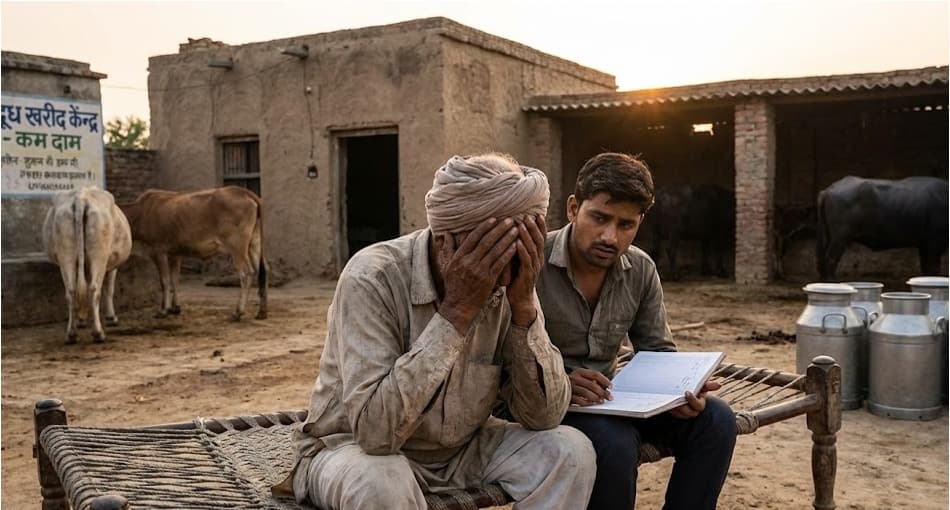
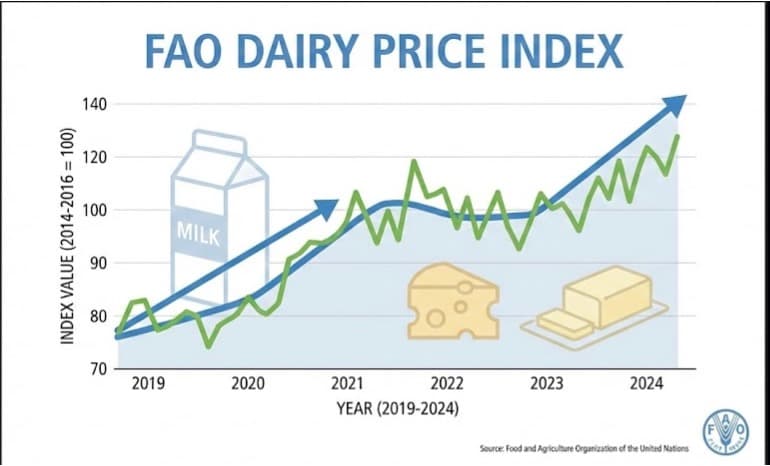
A mandatory code of conduct governing behaviour between processors and farmers has provided more certainty for farmers on price. The national dairy herd has been in decline. And dairy farmers received record high prices in 2023 for their milk because Australia’s total milk production was falling.
It follows then that Australia had record dairy imports in the past two years, as outlined in a Rabobank report in February. In 2023, Australia imported the equivalent of the annual milk production in NSW and Queensland combined.
Meanwhile, dairy processors are shutting factories to readjust to the decline in milk and herd numbers. It is not hard to see where this story is going.
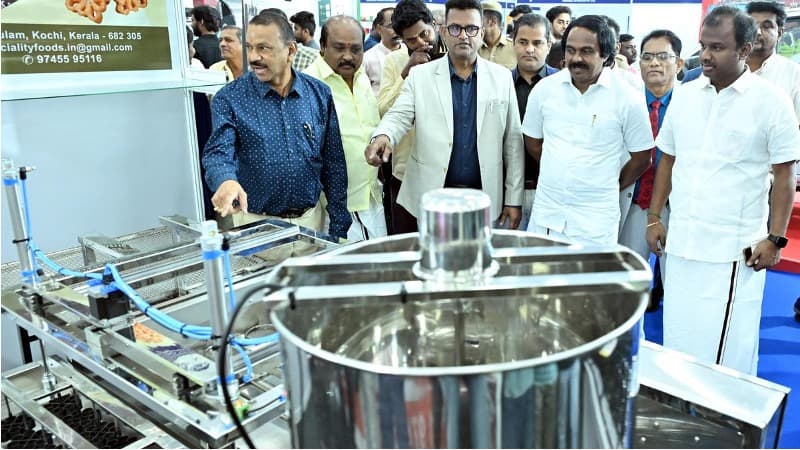
This month, the world’s largest dairy company, the French company Lactalis, announced it would close its Echuca dairy factory while upgrading its Bendigo factory. Seventy jobs are at stake. In February, Bega announced the consolidation of its plants in Tasmania.
It would appear that the industry has decided this shrinking pool in Australia is the new normal. Like New Zealand, Australia may have reached “peak milk”.
But it’s complex. Australia sends 30% of its dairy products overseas at the same time as we shoppers rely more on imported dairy. Australian dairy manufacturers also rely on imports to produce other dairy products. Half of our imports come from New Zealand, followed by the EU and the United States.
Industry analysts such as Rabobank’s Michael Harvey, author of the report, predict imports will “play a more significant role in the domestic supply chain” as we adjust to the shrinking milk pool.
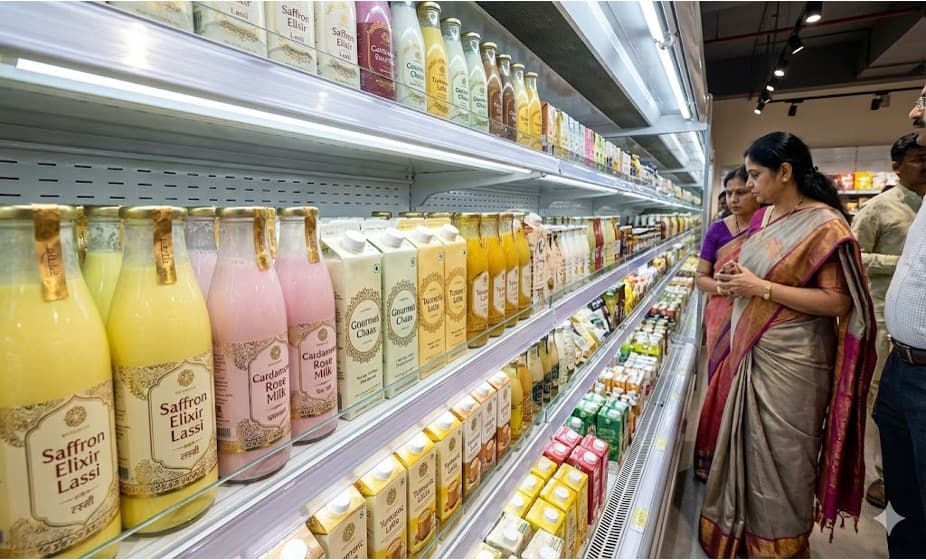
That means more imported dairy on our shelves. Rabobank data from Coles online in January this year shows the two cheapest retail butter products (Westgold and Coles Salted Butter) were both imported. For Australian shoppers with tight budgets, that makes them appealing products.
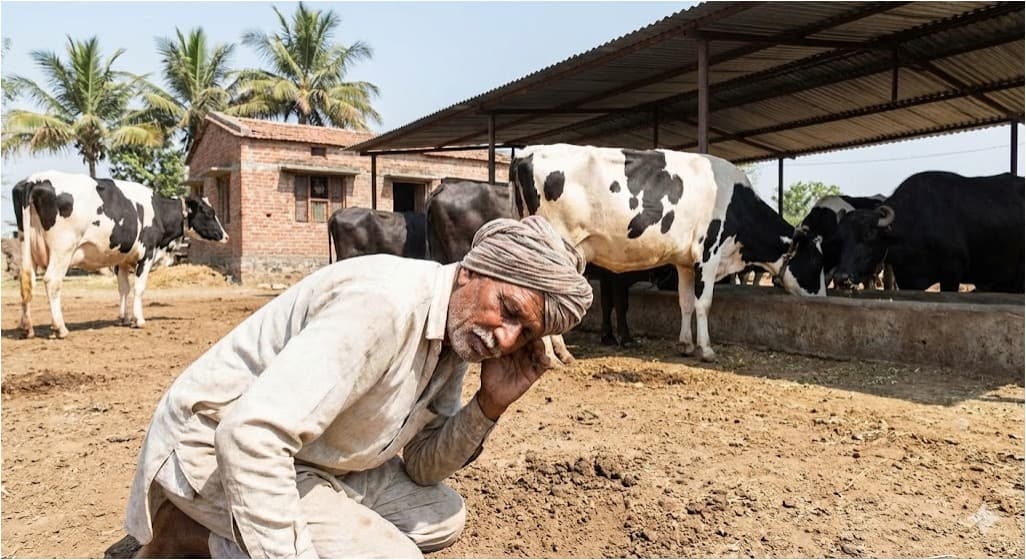
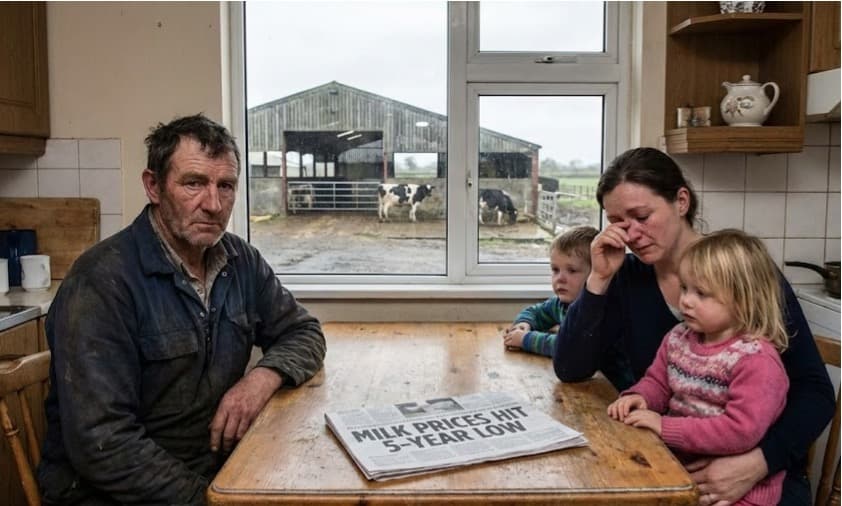
For Australian dairy farmers though it also means – in the words of the Coles jingle – “down, down, prices are down”. Australian Bureau of Agricultural and Resource Economics and Sciences forecasts by Alistair Read show farmgate milk prices will fall 6% in 2024-2025 and he expects total milk production to continue its decline as herd numbers drop, perhaps fuelled by higher farmland prices and diversification of former dairy-only farms. Dairy farming is hard work, harder than a number of other agricultural enterprises, and dairy farmers are starting to look for greener pastures.
Of course this is just the market doing its thing. Indeed, that was the rationale for dairy deregulation in the first place.
Nearly a generation after the deregulation began, the political context gets more interesting, for two reasons.
Firstly, Anthony Albanese’s re-election plan appears to hinge on a more interventionist manufacturing policy, one in which he uses “sharper elbows when it comes to marking out our national interest”.
His Future Made In Australia Act, if passed, appears to pull together existing initiatives and new ones, including on jobs, skills, wages, the net zero agenda, infrastructure and science capability. He says it will boost smart manufacturing capability and economic sovereignty.
“This is not old-fashioned protectionism or isolationism – it is the new competition,” he says.
The context is that governments in other countries – he names the US, the EU, Japan and Korea – are doing the same because the global security environment has changed. Like spooky horses, voters are calmed by economic and national sovereignty agendas when global tensions arise.
It is no surprise that, two years after the pandemic, governments are thinking about shorter supply chains and critical industries. Frankly, they would have rocks in their head if they were not.
Secondly, we are watching the CEOs of the supermarket duopoly, Coles and Woolworths, answer questions about concentration in the market, price setting and profiteering. The duopoly provides a regular reminder that concentration in markets can make our systems weaker and leaves all those who deal with big players at their mercy. Companies naturally want to increase their market share.
So where does food fit into Labor’s sovereign capability agenda? If dairy herds keep declining and dairy farms continue to concentrate, our milk supply could be one example of a critical product in need of some attention.