Logo
IndianGlobalBlogsPublicationsPodcastsMarketAboutContact
Logo
IndianGlobalBlogsPublicationsPodcasts
7News
TN Minister Urges Farmers to Adopt Tech for Value Addition in DairyListen to the Farm, Not the Farmer—The New Productivity LensWhat’s Driving Change In Beverages, FMCG And Dairy in 2025ED begins money laundering probe in dairy investment fraud caseIndo-Brazil pact aims to boost cattle genetics and dairy yield

Indian Dairy News

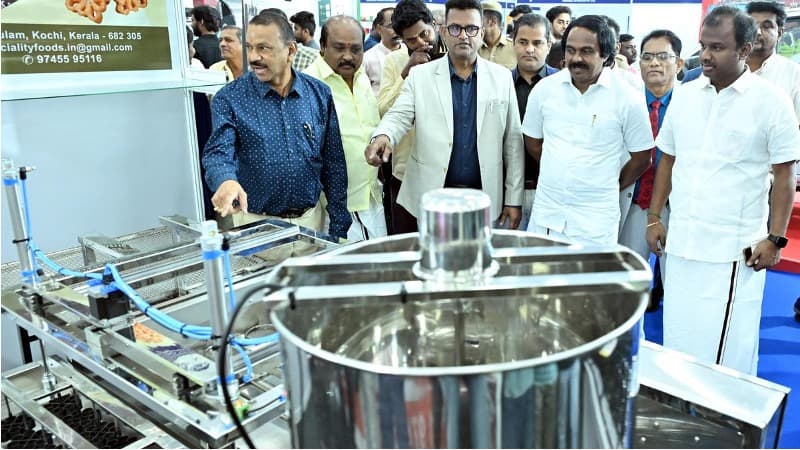
TN Minister Urges Farmers to Adopt Tech for Value Addition in Dairy
Dec 12, 2025

TN Minister Urges Farmers to Adopt Tech for Value Addition in Dairy

In Coimbatore this week, Tamil Nadu’s Minister for Milk and Dairy Development, Mano Thangaraj, called on dairy farmers to embrace modern technologies to boost productivity and value addition across th...Read More

Listen to the Farm, Not the Farmer—The New Productivity Lens
Dec 12, 2025

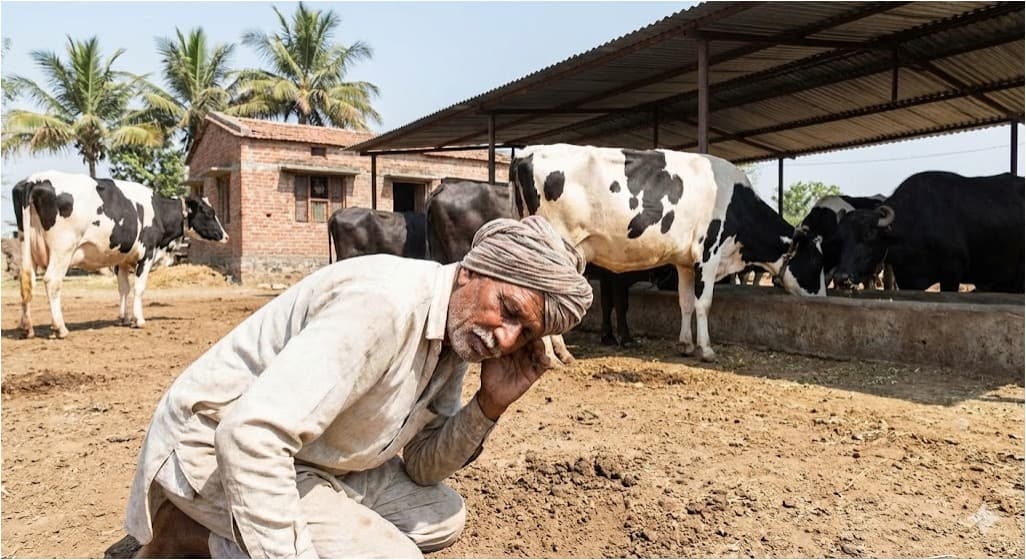
Listen to the Farm, Not the Farmer—The New Productivity Lens

India’s dairy sector, valued at nearly $30 billion, has reached a point where incremental changes will not deliver the next breakthrough. For decades, improvement programs have focused on what farmers...Read More

What’s Driving Change In Beverages, FMCG And Dairy in 2025
Dec 12, 2025

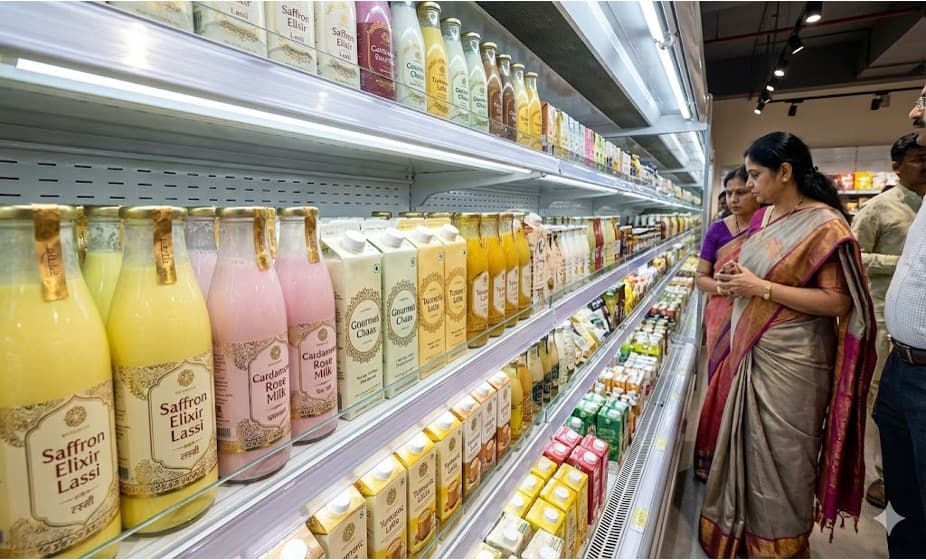
What’s Driving Change In Beverages, FMCG And Dairy in 2025

India’s retail landscape in 2025 was marked by a decisive shift in how consumers choose, consume and connect with brands. From beverages to daily nutrition and even the most essential dairy products,...Read More

Latest Blogs

See More
More Milk, Less Money: India’s Dairy Crisis
Dec 01, 2025

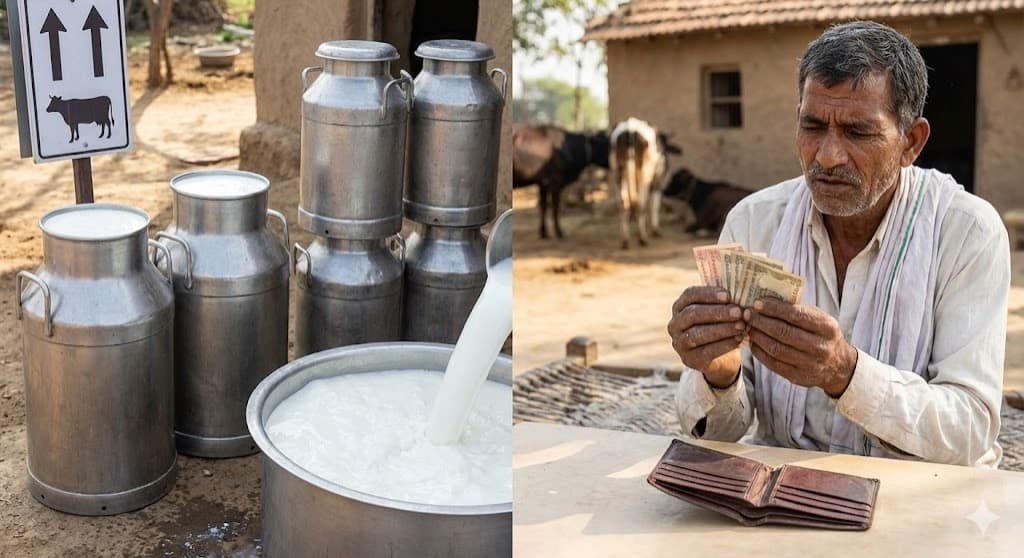
More Milk, Less Money: India’s Dairy Crisis

With the release of the BAHS 2025 summary report, I felt compelled to deep dive into its findings and reflect on the real progress and challenges facing India’s dairy sector. Over the last six years,...Read More

India Milk Prices: Cost Shock and Procurement Pressure
Nov 28, 2025

India Milk Prices: Cost Shock and Procurement Pressure

Milk prices in India face upward pressure as rising feed costs and procurement hikes reshape farm economics. Insight on dairy procurement, feed costs, and market outlook. Official government and coope...Read More

Stop Blaming, Start Claiming: Livestock’s Carbon Credit Future
Nov 16, 2025

Stop Blaming, Start Claiming: Livestock’s Carbon Credit Future

This week, I had the opportunity to attend an Agri Carbon Masterclass conducted by CII FACE. The deliberations, case studies, and discussions presented during the session were both insightful and thou...Read More

India Powers the Gulf’s Dairy Revolution -Gulf Food 2025
Oct 31, 2025

India Powers the Gulf’s Dairy Revolution -Gulf Food 2025

As Gulf Food Manufacturing prepares to open its doors from November 4–6 in Dubai, Indian dairy product and equipment manufacturers have a unique opportunity to explore one of the most promising region...Read More

Global Dairy News

Why the global milk business needs a structural shake-up
Dec 08, 2025

Why the global milk business needs a structural shake-up

The New Zealand dairy stalwart Fonterra has sold its consumer dairy-brands (milk, butter, cheese) — including “Anchor” and “Mainland Cheese” — to French agribusiness giant Lactalis in late October 202...Read More

Raw-milk prices in Europe hit 5-yr low; ripple effect looms
Dec 07, 2025

Raw-milk prices in Europe hit 5-yr low; ripple effect looms

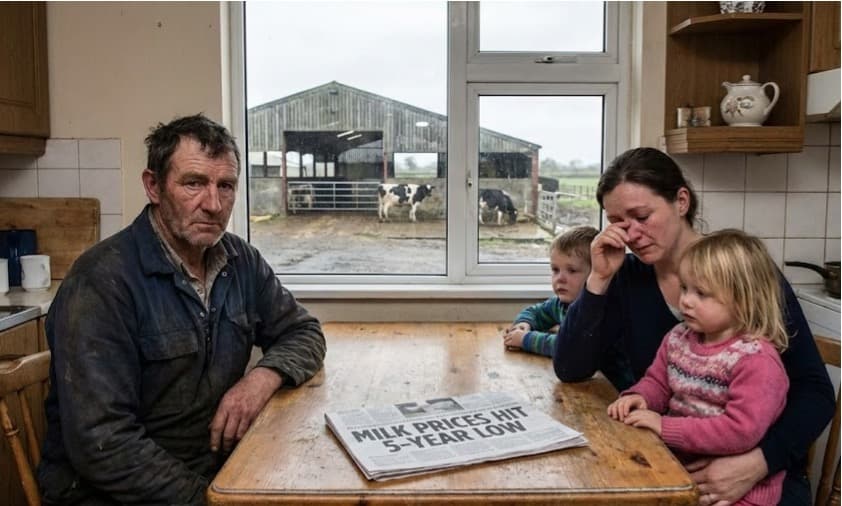
European raw-milk prices have plunged to their lowest in five years, as oversupply and weak demand weigh on dairy markets across the region. According to recent data from DCA Market Intelligence B.V.,...Read More

Global food prices ease; FAO dairy index slips — impact looms
Dec 06, 2025

Global food prices ease; FAO dairy index slips — impact looms

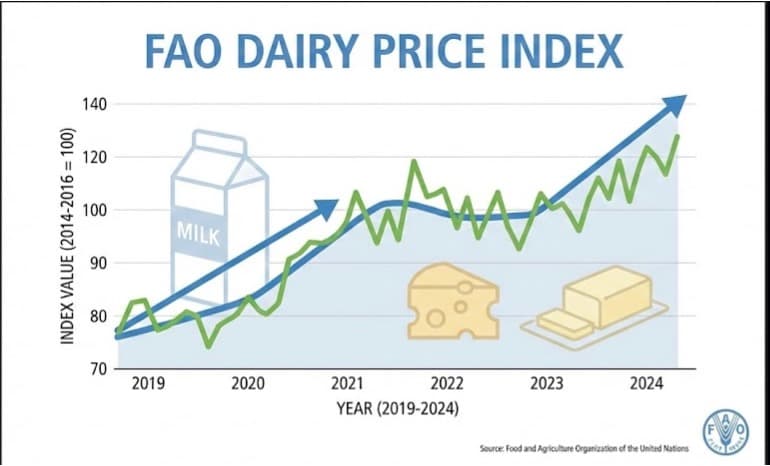
The FAO Dairy Price Index averaged 137.5 points in November, down 4.4 points (3.1 percent) from October and 2.4 points (1.7 percent) from its value a year ago. International dairy prices fell for the...Read More

Dairy News 7x7

Your trusted source for all the latest dairy industry news, market insights, and trending topics.

FOLLOW US
CATEGORIES
  • Global News
  • Indian News
  • Blogs
  • Publications
  • Podcasts
SUBSCRIBE TO OUR NEWSLETTER

Stay informed with the latest updates and trending news in the dairy industry.

No spam, unsubscribe at any time

GET IN TOUCH
C-49, C Block, Sector 65,
Noida, UP 201307
+91 7827405029dairynews7x7@gmail.com

© 2025 Dairy News 7x7. All Rights Reserved.

Terms of ServicePrivacy Policy

How ‘Operation Flood’ helped in the evolution of the dairy sector In India?

By DairyNews7x7•Published on September 08, 2022

The evolution of the dairy sector in India and the stellar role played by dairy cooperatives since the launch of Operation Flood form an integral part of the country’s growth story as the country now is the largest producer of milk.

India contributes 21 per cent to global milk production. It is important to note that during the 1950s and 1960s the situation of India’s dairy sector was radically different as it was a milk-deficit nation and depended more on imports.

The country produced less than 21 million tonnes of milk per annum despite having the largest cattle population in the world and the sector was struggling to survive.

The annual compound growth rate in milk production during the first decade after independence was 1.64 per cent, which declined to 1.15 per cent during the 1960s, the Ministry of Fisheries, Animal Husbandry and Dairying said in an explainer on Wednesday.

In 1950-51, per capita consumption of milk in the country was only 124 grams per day. By 1970, this figure had dropped to 107 grams per day, one of the lowest in the world and well below the minimum recommended nutritional standards.

Then, following the visit of late Prime Minister Lal Bahadur Shastri to the Anand district of Gujarat in 1964, the National Dairy Development Board (NDDB) was created in 1965 with a mandate to support the creation of the ‘Anand pattern’ of dairy cooperatives across the country through the Operation Flood (OF) programme which was to be implemented in phases.

The ‘Anand Pattern’ was essentially a cooperative structure comprising village-level Dairy Cooperative Societies (DCSs), which promoted district-level unions, which in turn promoted state-level marketing federation. Starting in 1970, NDDB replicated the Anand Pattern cooperatives through the Op programme all over India.

Verghese Kurien, widely renowned as the “Father of White Revolution” in India, was the first chairman of NDDB. Along with his team, Kurien commenced work on the launch of the project which envisaged the organisation of Anand-pattern cooperatives in milk sheds across the country from where liquid milk produced and procured by milk cooperatives would be transported to cities.

Following is how Operation Flood was implemented in various phases:

  1. Phase I (1970-1980) was financed by the sale of skimmed milk powder and butter oil donated by the European Union (then the European Economic Community) through the World Food Programme.
  2. Phase II (1981-1985) increased the milk sheds from 18 to 136; urban markets expanded the outlets for milk to 290. By the end of 1985, a self-sustaining system of 43,000 village cooperatives with 4,250,000 milk producers had been covered.
  3. Phase III (1985-1996) enabled dairy cooperatives to expand and strengthen the infrastructure required to procure and market increasing volumes of milk. This phase added 30,000 new dairy cooperatives which led to a total of 73,000.
Operation Flood helped quality milk reach consumers across 700 towns and cities through a National Milk Grid. The programme also helped remove the need for middlemen, thereby reducing the seasonal price variations.

The cooperative structure made the whole exercise of production and distribution of milk and milk products economically viable for farmers to undertake on their own. It also ended India’s dependence on imported milk solids.

Not only was the nation equipped to meet its local dairy needs but it also started exporting milk powder to many foreign countries. Genetic improvement of milking animals also increased due to cross-breeding. As the dairy industry modernised and expanded, around 10 million farmers started earning their income from dairy farming.

Over the past two decades, India’s milk production has doubled. The credit also goes to a well-known federation called ‘Amul’, which was created by 3.6 million milk producers in Gujarat. In order to improve the livelihood of the farmers, Amul also charted its journey on a similar path as ‘Operation Flood’.

Dairy as an industry employs more than 80 million rural households with the majority being small and marginal farmers as well as the landless. The cooperative societies have not only made the farmers self-sufficient but have also broken the shackles of gender, caste, religion, and community. Women producers form the major workforce of the dairy sector in the country. The sector is an important job provider, especially for women, and plays a leading role in women’s empowerment.

Source : The Statesman 07th Sep 2022

Swipe to continue reading

Previous Article

Next Article