
Logo
IndianGlobalBlogsPublicationsPodcastsMarketAboutContact
Logo
IndianGlobalBlogsPublicationsPodcasts
7News
TN Minister Urges Farmers to Adopt Tech for Value Addition in DairyListen to the Farm, Not the Farmer—The New Productivity LensWhat’s Driving Change In Beverages, FMCG And Dairy in 2025ED begins money laundering probe in dairy investment fraud caseIndo-Brazil pact aims to boost cattle genetics and dairy yield

Indian Dairy News

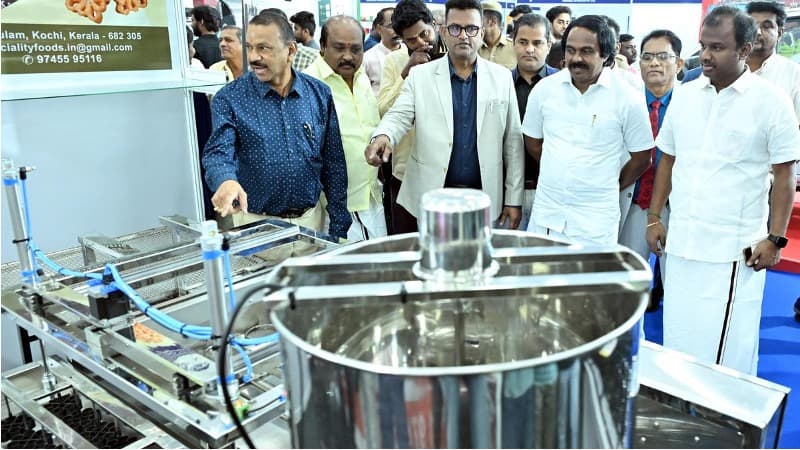
TN Minister Urges Farmers to Adopt Tech for Value Addition in Dairy
Dec 12, 2025

TN Minister Urges Farmers to Adopt Tech for Value Addition in Dairy

In Coimbatore this week, Tamil Nadu’s Minister for Milk and Dairy Development, Mano Thangaraj, called on dairy farmers to embrace modern technologies to boost productivity and value addition across th...Read More

Listen to the Farm, Not the Farmer—The New Productivity Lens
Dec 12, 2025

Listen to the Farm, Not the Farmer—The New Productivity Lens

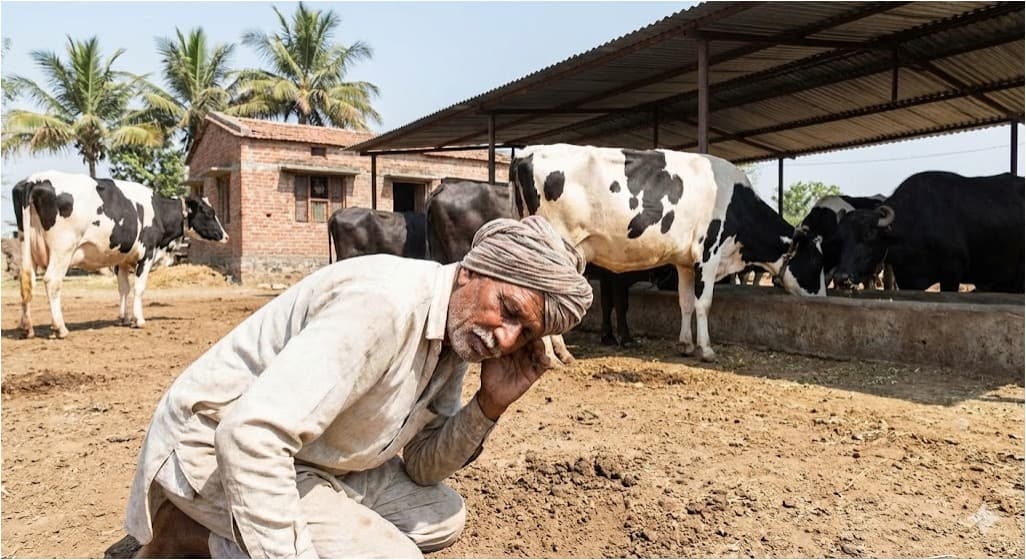
India’s dairy sector, valued at nearly $30 billion, has reached a point where incremental changes will not deliver the next breakthrough. For decades, improvement programs have focused on what farmers...Read More

What’s Driving Change In Beverages, FMCG And Dairy in 2025
Dec 12, 2025

What’s Driving Change In Beverages, FMCG And Dairy in 2025

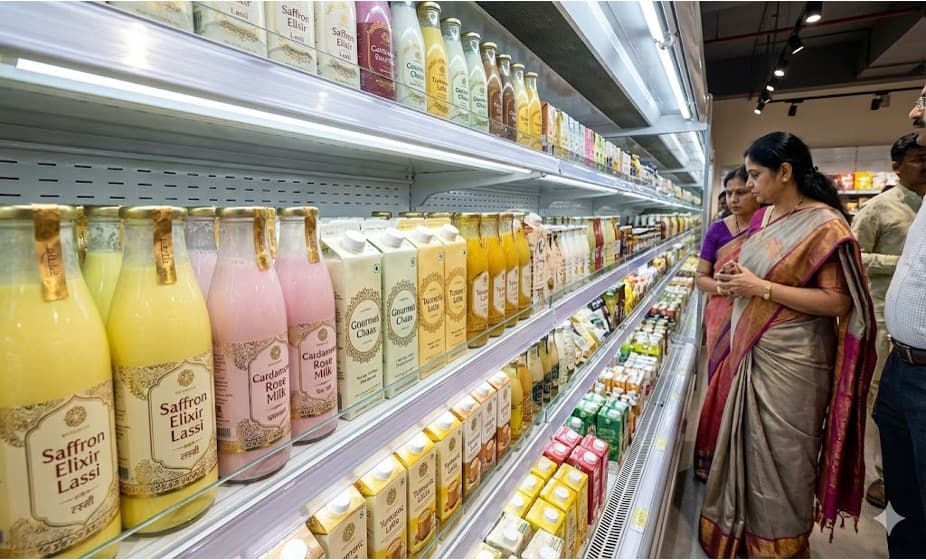
India’s retail landscape in 2025 was marked by a decisive shift in how consumers choose, consume and connect with brands. From beverages to daily nutrition and even the most essential dairy products,...Read More

Latest Blogs

See More
More Milk, Less Money: India’s Dairy Crisis
Dec 01, 2025

More Milk, Less Money: India’s Dairy Crisis

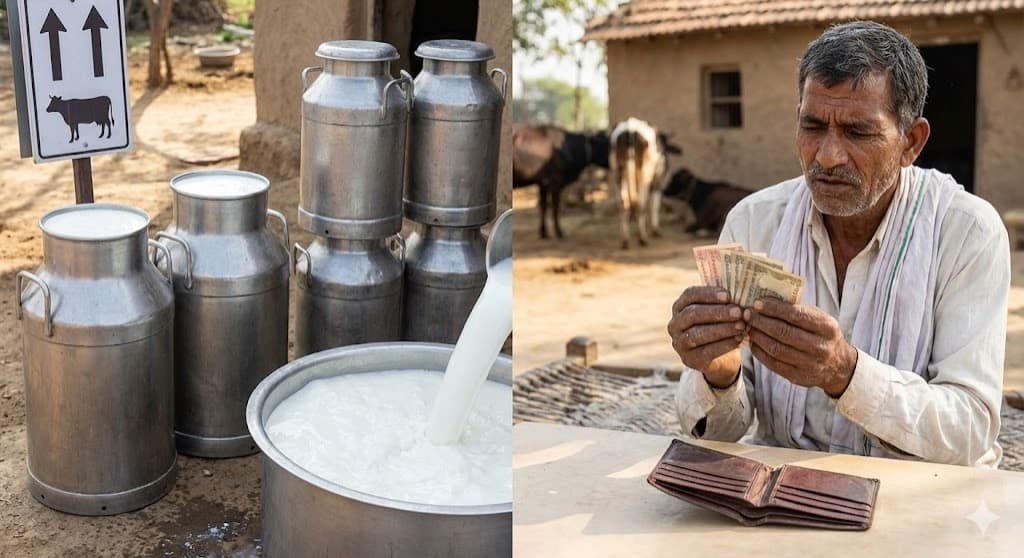
With the release of the BAHS 2025 summary report, I felt compelled to deep dive into its findings and reflect on the real progress and challenges facing India’s dairy sector. Over the last six years,...Read More

India Milk Prices: Cost Shock and Procurement Pressure
Nov 28, 2025

India Milk Prices: Cost Shock and Procurement Pressure

Milk prices in India face upward pressure as rising feed costs and procurement hikes reshape farm economics. Insight on dairy procurement, feed costs, and market outlook. Official government and coope...Read More

Stop Blaming, Start Claiming: Livestock’s Carbon Credit Future
Nov 16, 2025

Stop Blaming, Start Claiming: Livestock’s Carbon Credit Future

This week, I had the opportunity to attend an Agri Carbon Masterclass conducted by CII FACE. The deliberations, case studies, and discussions presented during the session were both insightful and thou...Read More

India Powers the Gulf’s Dairy Revolution -Gulf Food 2025
Oct 31, 2025

India Powers the Gulf’s Dairy Revolution -Gulf Food 2025

As Gulf Food Manufacturing prepares to open its doors from November 4–6 in Dubai, Indian dairy product and equipment manufacturers have a unique opportunity to explore one of the most promising region...Read More

Global Dairy News

Why the global milk business needs a structural shake-up
Dec 08, 2025

Why the global milk business needs a structural shake-up

The New Zealand dairy stalwart Fonterra has sold its consumer dairy-brands (milk, butter, cheese) — including “Anchor” and “Mainland Cheese” — to French agribusiness giant Lactalis in late October 202...Read More

Raw-milk prices in Europe hit 5-yr low; ripple effect looms
Dec 07, 2025

Raw-milk prices in Europe hit 5-yr low; ripple effect looms

European raw-milk prices have plunged to their lowest in five years, as oversupply and weak demand weigh on dairy markets across the region. According to recent data from DCA Market Intelligence B.V.,...Read More

Global food prices ease; FAO dairy index slips — impact looms
Dec 06, 2025

Global food prices ease; FAO dairy index slips — impact looms

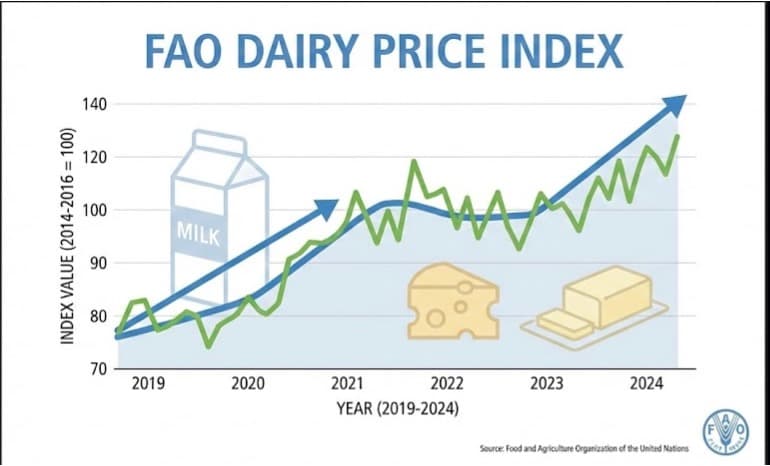
The FAO Dairy Price Index averaged 137.5 points in November, down 4.4 points (3.1 percent) from October and 2.4 points (1.7 percent) from its value a year ago. International dairy prices fell for the...Read More

Dairy News 7x7

Your trusted source for all the latest dairy industry news, market insights, and trending topics.

FOLLOW US
CATEGORIES
  • Global News
  • Indian News
  • Blogs
  • Publications
  • Podcasts
SUBSCRIBE TO OUR NEWSLETTER

Stay informed with the latest updates and trending news in the dairy industry.

No spam, unsubscribe at any time

GET IN TOUCH
C-49, C Block, Sector 65,
Noida, UP 201307
+91 7827405029dairynews7x7@gmail.com

© 2025 Dairy News 7x7. All Rights Reserved.

Terms of ServicePrivacy Policy

FTAs and farm exports: A mixed bag

By DairyNews7x7•Published on April 12, 2024

Negotiating trade deals and concluding them with developed nations is challenging due to numerous complex clauses, conditions, and terms that need to be met and agreed upon. The government's efforts in finalising these agreements are commendable.

It has been over five years since the agri export policy was introduced with the aim to diversify our export basket destinations, boost high value- and value-added agricultural exports, and to strive to double India’s share in the world’s agri exports by integrating with global value chains. Surely, the route of trade agreements specially with developed nations will espouse the intentions of policy makers.

India’s total merchandise exports to EFTA states for FY 2023 was $1.9 billion out of which 70 per cent is shipped to Switzerland, followed by 25 per cent to Norway. Over the decade, the growth rate was near about 4 per cent per year including the peak pandemic years.

Top products exported by India to EFTA includes organic chemicals, value added gems and jewellery, electrical related appliances, flour of dried leguminous vegetables, and medical instruments.

India’s agri exports in FY 23 stood at $0.13 billion, which is just less than 7 per cent of India’s total merchandise exports to EFTA. EFTA’s imports of agriculture products from world are also quite substantial.

To highlight, their agri imports are around $29 billion, growing by 10 per cent CAGR over last three years. EFTA’s top agriculture imports include spirited beverages (mainly wines), food residual for animal feed, coffee, fresh fruits and vegetables, edible oil and fats, and wafers, snacks, and biscuits. Indian agri products do not feature significantly, with only modest visibility for flour of dried leguminous vegetables.

With the trade agreement coming into existence, will the tariff reduction, if any, by EFTA provide hope for Indian agri exporters in the coming time frame? Interestingly, Switzerland allows tariff-free entry for all industrial goods including chemicals, consumer goods, vehicles, clothing coming from all countries. This policy came into effect from January 1, 2024 and will anyway make the utilisation of India-EFTA trade agreement insignificant.

For agricultural goods (AG), tariff commitments of EFTA nations are not that lenient. We can understand this better by creating three categories.

Three categories

One, for which no commitment have been made in the trade agreement and have been excluded (there are roughly 40 per cent of the tariff lines within agri chapters).

Second, these are a set of agri commodities with higher tariff rate commitments (from dairy, meat and vegetable chapters to list a few).

Third, with either zero or low import tariffs — these are the products for which the domestic production capacity in EFTA is not robust and demand has to be met by imports. For e.g. beer made from malt, sweet wine, miscellaneous edible preparations.

For first and second category, this FTA offers minuscule relief, if any, in making Indian agri products competitive in their market. For the third category, where there is some relief , complementarity between Indian agri products with competitiveness and imported agri products by EFTA is limited. In this set, products such as coffee, cereals, sweet biscuits, residual/waste grains do feature.

The congruency is not comprehensive, thus limiting the scope of leveraging the opportunity for Indian agricultural exporters. In previous years, the story of import tariffs was similar. The simple average most-favoured nation (MFN) rate was 5.6 per cent in 2022 applied by the regional bloc. While non-agricultural goods from MFN countries only faced a simple average tariff rate of 1.3 per cent, duties of 32.4 per cent were applied to agricultural goods on average, and these rose to 137.7 per cent for dairy products.

Furthermore, the determination of product’s competitiveness is not solely dependent on import tariff rates. Numerous non-tariff measures including sanitary and phytosanitary and technical barriers to trade, also influence exporters' abilities and capacities. Fulfilling the requirements of these measures, which are often intricate and challenging, significantly impacts market participation.

While trade agreements typically include provisions addressing trade facilitation aimed at streamlining the implementation of non-tariff measures, it remains uncertain whether these measures have been beneficial for Indian exporters, particularly those in the agricultural sector.


Swipe to continue reading

Previous Article

Next Article