



From farm to table: Tracing ghee adulteration in dairy production
The path of dairy products from farm to table is a complicated process which comprises several steps, each of which is crucial in assuring the end product’s quality and safety. Ghee is a clarified butter with a rich, nutty flavour that is widely used in various cuisines across the world. However, the journey from farm to the consumer’s table is not as straightforward as it seems. There have been recent reports of ghee adulteration in the dairy supply chain. This article goes into the complicated nature of ghee manufacturing, discusses impurity risks, and emphasises the significance of accountability in assuring a pure and authentic product.
Production process
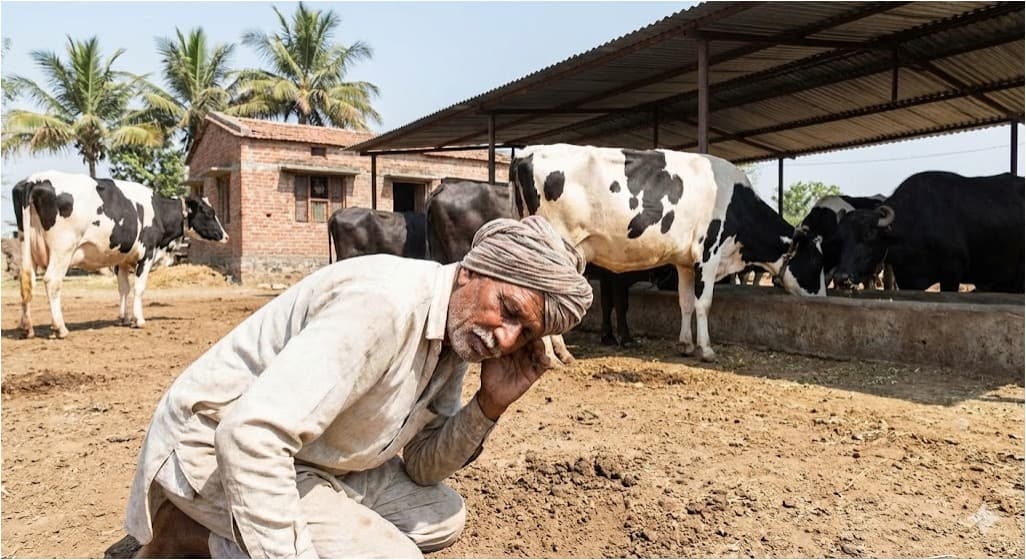
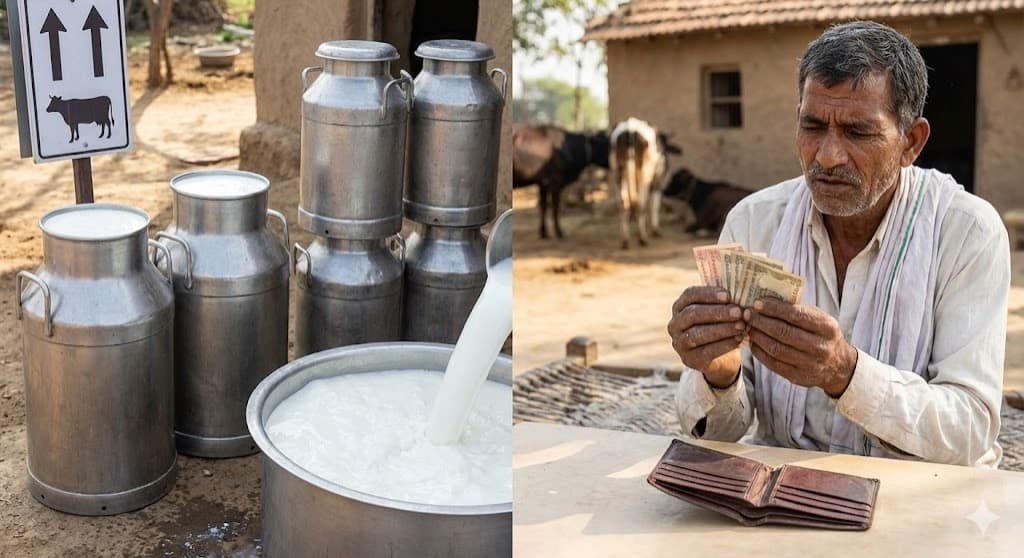
The ghee processing journey starts on a dairy farm, where cows or buffaloes are kept for milk production. The quality of milk is an important aspect in deciding the ultimate quality of ghee. Dairy farmers have an important role in ensuring the health and well-being of their animals, as the nutritional content of milk is directly determined by the animals’ food and living conditions.Once the milk is collected, it is put through several procedures to be converted into ghee. The initial procedure is to separate the cream from the milk, mainly done by a machine. Following that, the cream is stirred to separate the butter from buttermilk. The collected butter is next clarified by heating, resulting in the creation of ghee. This approach has traditionally been straightforward and pure, but current industrial practices have included possible areas of adulteration.
Data from the Food Safety and Standards Authority of India (FSSAI) reveal that nearly 15 per cent of ghee samples collected from processing plants were found to be adulterated, with the addition of vegetable oils and fats being the most common form of adulteration.
Risks of adulteration
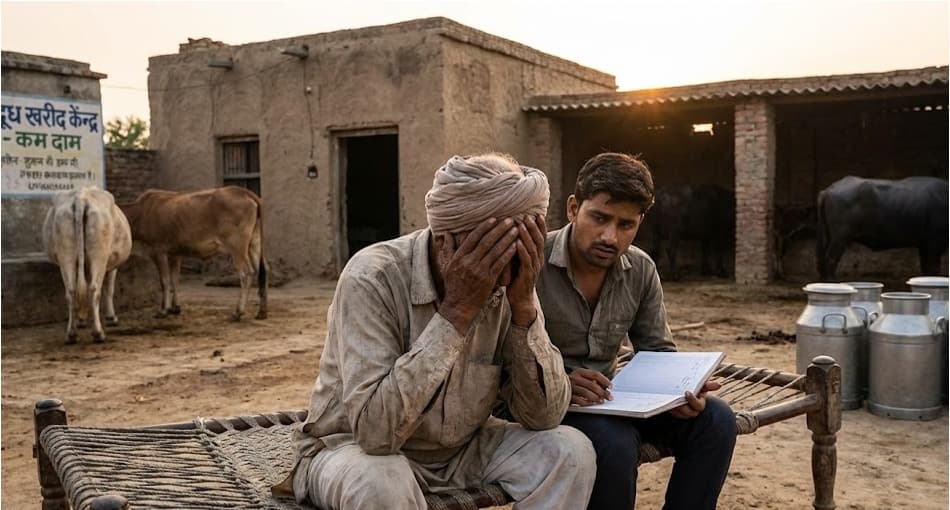
One of the key challenges in ghee production is the adulteration of the product with low-quality oils or fats. Fraudulent manufacturers mix ghee with less expensive alternatives, such as vegetable oils or animal fats, to boost their profit margins. This not only reduces the nutritional content of the ghee but also puts customers’ health in danger.According to a recent survey conducted by the International Dairy Federation, approximately 10 per cent of dairy farmers engage in such adulteration practices, leading to a significant reduction in the quality of milk used for ghee production.
Substandard raw materials and bad manufacturing practices can introduce pollutants into the ghee, such as herbicides, antibiotics, and heavy metals. Furthermore, a lack of hygiene and quality control procedures in some manufacturing facilities might result in microbial contamination, putting the finished product’s safety at risk.
Value of traceability
To address these issues, traceability becomes an essential component in ensuring ghee’s authenticity and quality. Traceability is the process of tracking a product’s route from its origin to the end customer. Traceability in the context of ghee production begins at the dairy farm and continues through every level of the manufacturing process.Traceability procedures enable companies and regulatory agencies to monitor and verify the provenance of raw materials, production methods, and distribution networks. Being transparent not only aids in the prevention of adulteration but also allows for the rapid detection and recall of tainted items, protecting consumer health.
Economic consequences
Ghee adulteration has both health and economic repercussions. The dairy business is critical to the global economy, and any compromise in product quality can lead to a loss of customer trust. According to World Dairy Organisation research, the economic effect of ghee adulteration is estimated to be billions of dollars per year, taking into account both direct losses in the dairy sector and indirect losses in adjacent businesses.Consumer awareness and regulatory measures
Governments and regulatory agencies have a critical role in reducing the hazards of ghee adulteration. Establishing and implementing rigorous quality standards, inspecting manufacturing facilities regularly, and applying harsh fines for noncompliance are critical measures in preserving the dairy industry’s integrity. The FSSAI in India, for instance, has implemented stringent regulations and increased surveillance to curb malpractices in the dairy industry.Consumers can also avoid ghee adulteration by learning more and making informed decisions. An increased understanding of manufacturing methods, quality standards, and the need to purchase from the right sources helps customers make educated decisions that prioritise their health and support responsible producers. Educating consumers about the characteristics of pure ghee, such as its aroma, color, and consistency, can empower them to make informed choices. Furthermore, advocacy campaigns led by non-governmental organizations are playing a vital role in spreading awareness about the importance of supporting ethical and transparent dairy practices.
In conclusion, from farm to table, the journey of ghee involves multiple stages where adulteration can occur, posing risks to consumer health and economic stability. By understanding the challenges at each step and implementing effective regulatory measures, we can safeguard the integrity of this beloved dairy product. Consumer awareness is equally pivotal in ensuring that individuals make informed choices and support the production of pure, unadulterated ghee. As we navigate the complexities of the dairy industry, a collective effort is needed to preserve the authenticity of ghee and uphold the trust consumers place in this time-honored culinary treasure.
Source : The Hindu Businessline Dec 10th 2023 by Ravin Saluja –The author is director, Sterling Agro Industries Limited ( Nova Dairy Products )