

Doubling of farmers’ income remained a pipe dream in 2022
After the tumult of a year-long farmers’ agitation against the three reforms-oriented farm laws came an almost protest-free 2022 on the agriculture front.
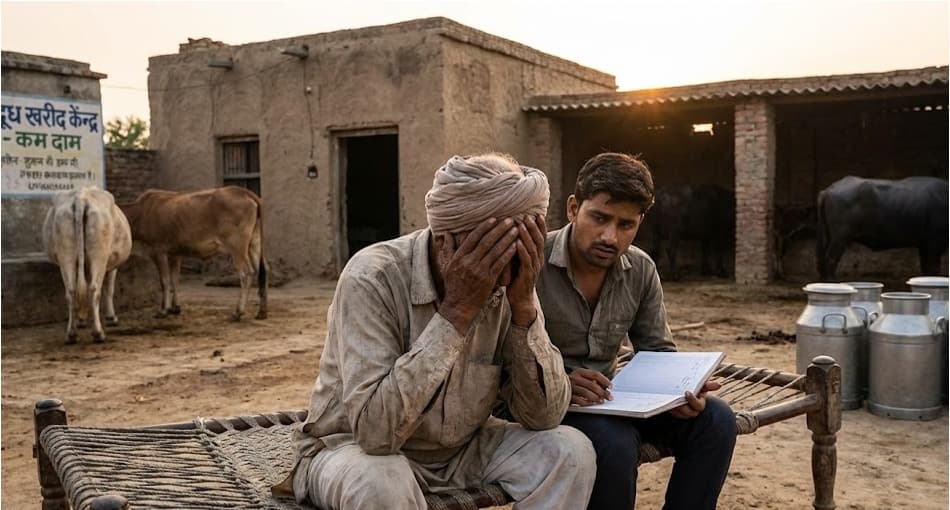
This was the year when farmers’ income was to have doubled, but this has not happened. The aim was to raise farmers’ household incomes from an average Rs 8,050/- per month in 2015-16 (as projected by the 77th round of the National Sample Survey Organisation) to Rs 21,146/- by 2022. But the stark reality is that the country is nowhere near achieving that target. In fact, many farmers on the ground assert that farming is unprofitable now!
This is in a nation where over 50 per cent of the population is dependent on agriculture and allied sectors for survival. Efforts to shift the majority of the agriculture workforce into the manufacturing and service sector have failed. That said, the migration of rural youth to cities has continued unabated too.
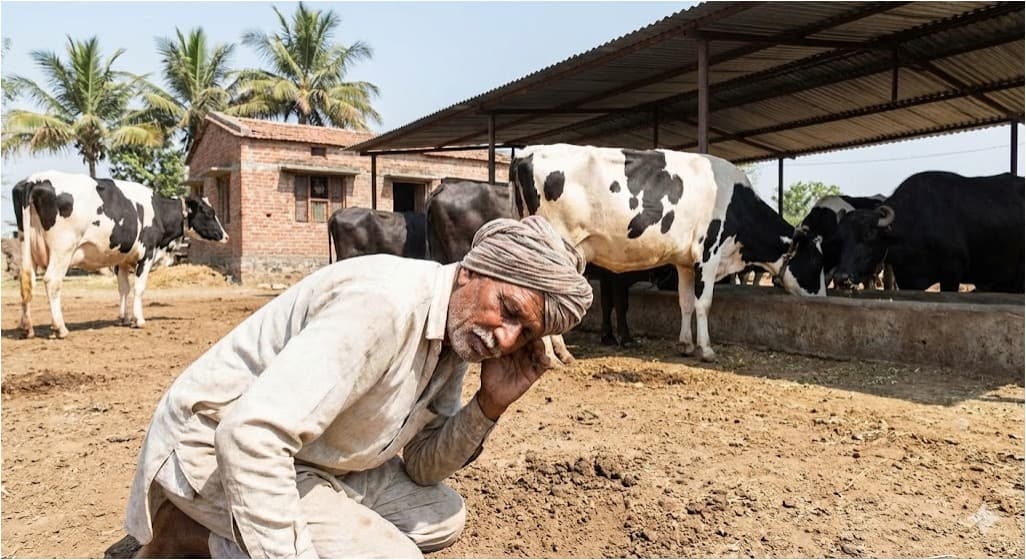
The year saw inflation hit the farming sector. The dole of Rs 500/- per month under the PM Kisan Samman Nidhi Yojna (PM-KISAN), introduced before the 2019 Lok Sabha elections, was painfully meagre to lift the sector out of the distress of unpaid loans, vagaries of climate change, inadequate remunerative price, global market forces and a non-level playing field.
During the year, the lumpy skin disease outbreak in cattle hit the dairy sector in a big way. Nearly a lakh of cattle died in the three months between July and September 2022. The virus outbreaks in Rajasthan and Gujarat spread across 15 states in the country causing huge losses to farmers. At the same time, the paddy crop was struck by disease largely in Punjab and Haryana while incessant rain in Uttar Pradesh hit the early crops.
The soybean and cotton output was impacted by rains in Maharashtra, Madhya Pradesh and other states. Even the standing mustard crop is said to be under threat from lack of post-monsoon ‘return rains’.
Exports were hit owing to the energy crisis brought on by the Russia-Ukraine war. The Prime Minister’s Fasal Bima Yojna (PMFBY) should have given a healing touch, but such has been the failure in implementation that beneficiaries, especially the 85 per cent small and medium farmers dependent on rain-fed agriculture, remain a dissatisfied lot.
After repealing the three farm laws to end the year-long agitation by protesting farmers last year, 2022 then emerged as the year the government virtually turned its back on the farming sector. There were no new sops. The general budget of 2022-23 set the tenor by remaining largely silent on farm issues.
The scene had been set towards the fag end of 2021. Punjab farmers, who led the 2021 protests against the farm laws, were buoyant when they managed to get them repealed and lifted their siege of Delhi as soon as Prime Minister Narendra Modi made the announcement and followed it up with quick action. This gave the majority of farmers short-lived satisfaction.
But when it came to their major demand for adequate and mandatory payment of government-announced minimum support price (MSP) for 21 notified farm commodities including wheat, rice and pulses, they were back to square one. Farmers also sought binding assurances that the Agriculture Produce Marketing Committee (APMC) system and the Food Corporation of India will not be allowed to fade away with the entry of corporate and multi-national companies into entrepreneurial farming.
As promised, the government formed a 26-member committee to look into the farmers’ demands for a legally binding MSP but expanded its scope to include natural farming and crop diversification. The panel, it must be underlined, is chaired by the former agriculture secretary who oversaw the framing of the three farm laws. According to top representatives of Samyukt Kisan Morcha, a conglomeration of farmers’ organisations that led the year-long agitation, the MSP panel is not representative of farmers.
“Out of 26 members, they wanted only three from the Morcha. So, where is our voice?” asks Yudhvir Singh of the Bhartiya Kisan Union. The Morcha has stayed away from the committee.
Most farmers bemoan that their situation has worsened during the year. Instead of doubling income, the input costs of farmers have almost doubled — be it diesel prices, fertilizers, seeds or labour. This at a time when the cost of living has already shot up on the back of soaring inflation.
“Despite the difficulties, farmers are cultivating. That is why the government could announce free foodgrains for below-poverty-line people in this penultimate general election year,” says Singh.
An example to highlight the government’s indifference to the plight of farmers. As mentioned earlier, Maharashtra and Madhya Pradesh suffered intense and prolonged monsoon rains that not only hit the soybean and cotton crops but also lowered prices already wallowing in the wake of the Russia-Ukraine war and general recession building up around the globe. On top of this, the government reduced the duty on the import of edible oils and allowed the import of genetically modified soybean and oil cakes.
Fall in edible oil prices in international markets and cheap imports hit domestic soybean farmers and traders, bemoans Vidarbha-based Vijay Jawandia, founder-member of Maharashtra Shetkari Kisan Sangthan and former President of All-India Kisan Samanvay Samiti.
For its part, besides the ongoing schemes, the government projects foodgrains and horticulture output, the National Mission for Edible Oils, increase in agri and allied exports and the PM Kisan scheme, amongst its achievements during the year.
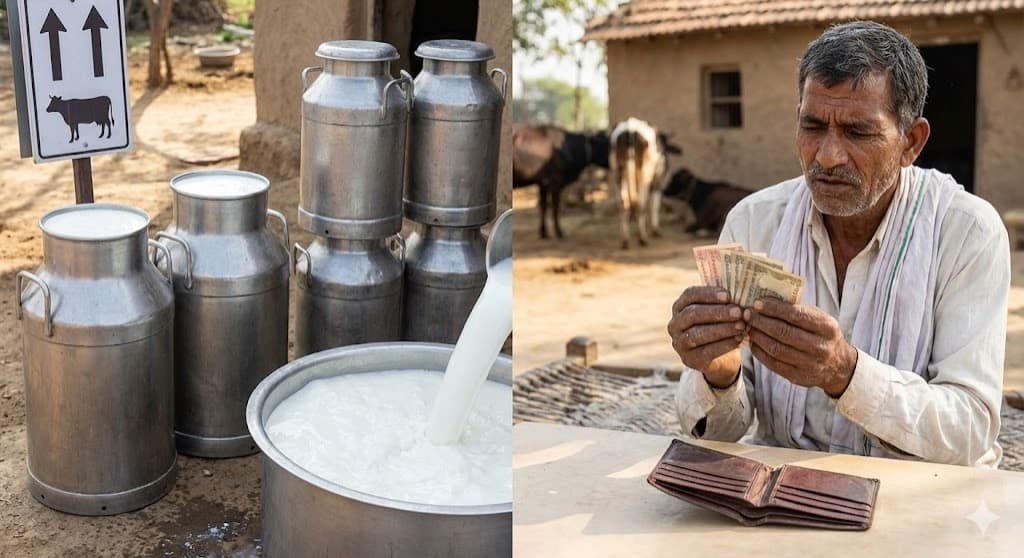
Yes, there are schemes galore but clearly an average farming household’s income does not support the cost of living. Unpaid farm loans remain a problem with farmers as also their dependence on middlemen or village money-lenders. Government loans only take care of crops but for their other household needs, farmers have to fend for themselves.
With the crucial Lok Sabha elections coming up in a year, the BJP seems to have gone into election mode. It has announced free foodgrains for over 81.35 crore below-poverty-line beneficiaries and is likely to raise the income guarantee for farmers from Rs 6000 annually under PM-KISAN. Digitisation has its advantages but many farmers are illiterate and lack internet services/connectivity in their villages. Some even lack ration cards.
The coming year then should be dedicated to raising farmers’ income through gram-sabha-centric consultation on how to do it. The starting point has to be the payment of remunerative prices to farmers for their produce, not election-related doles.
Source : New Indian Express Dec 30th 2022 by Gargi Parsai