
Logo
IndianGlobalBlogsPublicationsPodcastsMarketAboutContact
Logo
IndianGlobalBlogsPublicationsPodcasts
7News
TN Minister Urges Farmers to Adopt Tech for Value Addition in DairyListen to the Farm, Not the Farmer—The New Productivity LensWhat’s Driving Change In Beverages, FMCG And Dairy in 2025ED begins money laundering probe in dairy investment fraud caseIndo-Brazil pact aims to boost cattle genetics and dairy yield

Indian Dairy News

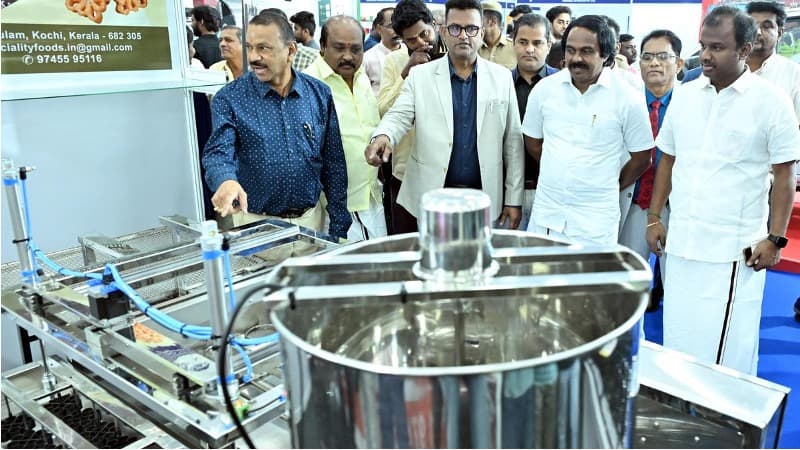
TN Minister Urges Farmers to Adopt Tech for Value Addition in Dairy
Dec 12, 2025

TN Minister Urges Farmers to Adopt Tech for Value Addition in Dairy

In Coimbatore this week, Tamil Nadu’s Minister for Milk and Dairy Development, Mano Thangaraj, called on dairy farmers to embrace modern technologies to boost productivity and value addition across th...Read More

Listen to the Farm, Not the Farmer—The New Productivity Lens
Dec 12, 2025

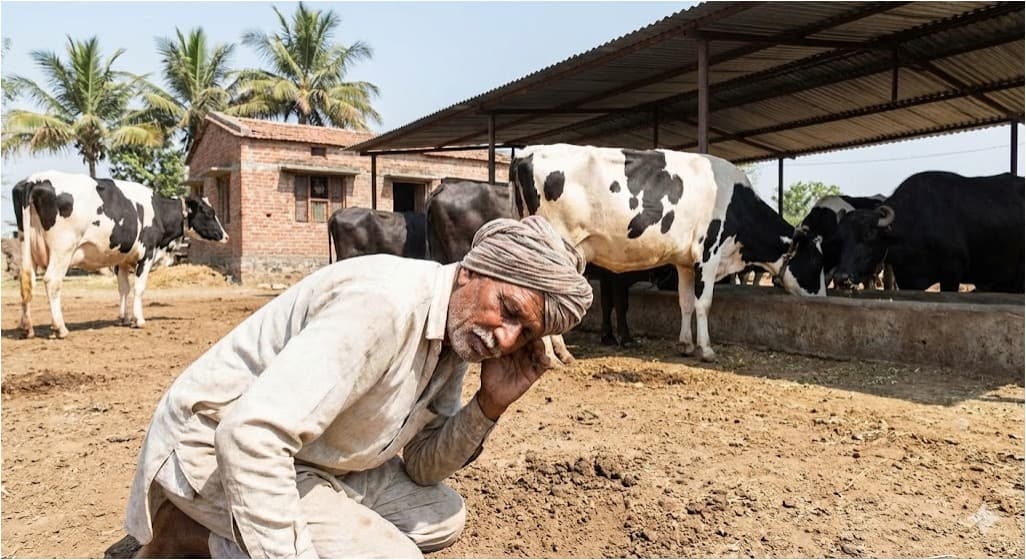
Listen to the Farm, Not the Farmer—The New Productivity Lens

India’s dairy sector, valued at nearly $30 billion, has reached a point where incremental changes will not deliver the next breakthrough. For decades, improvement programs have focused on what farmers...Read More

What’s Driving Change In Beverages, FMCG And Dairy in 2025
Dec 12, 2025

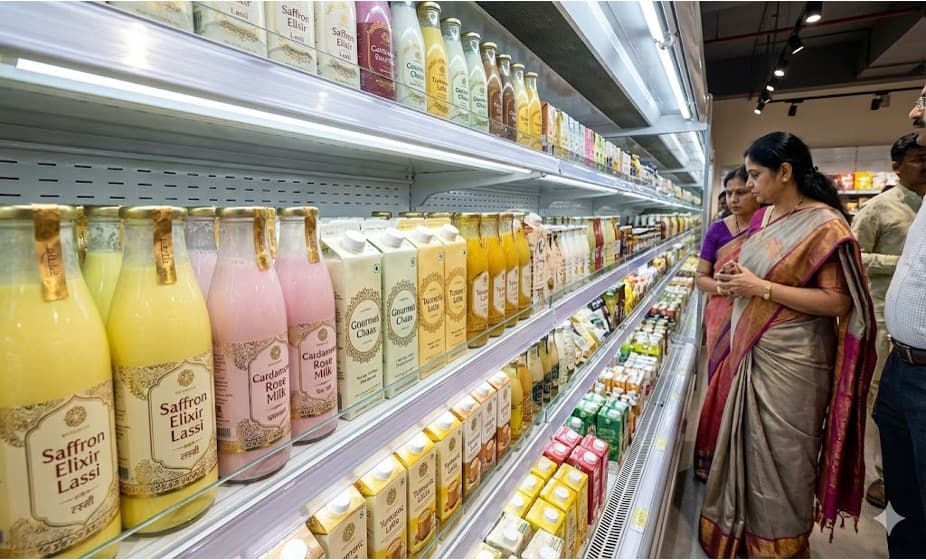
What’s Driving Change In Beverages, FMCG And Dairy in 2025

India’s retail landscape in 2025 was marked by a decisive shift in how consumers choose, consume and connect with brands. From beverages to daily nutrition and even the most essential dairy products,...Read More

Latest Blogs

See More
More Milk, Less Money: India’s Dairy Crisis
Dec 01, 2025

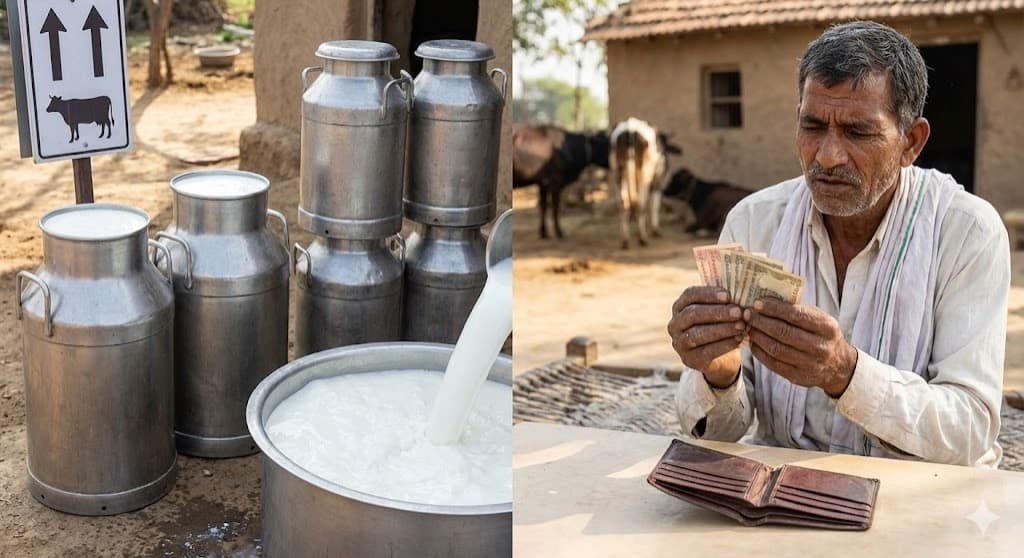
More Milk, Less Money: India’s Dairy Crisis

With the release of the BAHS 2025 summary report, I felt compelled to deep dive into its findings and reflect on the real progress and challenges facing India’s dairy sector. Over the last six years,...Read More

India Milk Prices: Cost Shock and Procurement Pressure
Nov 28, 2025

India Milk Prices: Cost Shock and Procurement Pressure

Milk prices in India face upward pressure as rising feed costs and procurement hikes reshape farm economics. Insight on dairy procurement, feed costs, and market outlook. Official government and coope...Read More

Stop Blaming, Start Claiming: Livestock’s Carbon Credit Future
Nov 16, 2025

Stop Blaming, Start Claiming: Livestock’s Carbon Credit Future

This week, I had the opportunity to attend an Agri Carbon Masterclass conducted by CII FACE. The deliberations, case studies, and discussions presented during the session were both insightful and thou...Read More

India Powers the Gulf’s Dairy Revolution -Gulf Food 2025
Oct 31, 2025

India Powers the Gulf’s Dairy Revolution -Gulf Food 2025

As Gulf Food Manufacturing prepares to open its doors from November 4–6 in Dubai, Indian dairy product and equipment manufacturers have a unique opportunity to explore one of the most promising region...Read More

Global Dairy News

Why the global milk business needs a structural shake-up
Dec 08, 2025

Why the global milk business needs a structural shake-up

The New Zealand dairy stalwart Fonterra has sold its consumer dairy-brands (milk, butter, cheese) — including “Anchor” and “Mainland Cheese” — to French agribusiness giant Lactalis in late October 202...Read More

Raw-milk prices in Europe hit 5-yr low; ripple effect looms
Dec 07, 2025

Raw-milk prices in Europe hit 5-yr low; ripple effect looms

European raw-milk prices have plunged to their lowest in five years, as oversupply and weak demand weigh on dairy markets across the region. According to recent data from DCA Market Intelligence B.V.,...Read More

Global food prices ease; FAO dairy index slips — impact looms
Dec 06, 2025

Global food prices ease; FAO dairy index slips — impact looms

The FAO Dairy Price Index averaged 137.5 points in November, down 4.4 points (3.1 percent) from October and 2.4 points (1.7 percent) from its value a year ago. International dairy prices fell for the...Read More

Dairy News 7x7

Your trusted source for all the latest dairy industry news, market insights, and trending topics.

FOLLOW US
CATEGORIES
  • Global News
  • Indian News
  • Blogs
  • Publications
  • Podcasts
SUBSCRIBE TO OUR NEWSLETTER

Stay informed with the latest updates and trending news in the dairy industry.

No spam, unsubscribe at any time

GET IN TOUCH
C-49, C Block, Sector 65,
Noida, UP 201307
+91 7827405029dairynews7x7@gmail.com

© 2025 Dairy News 7x7. All Rights Reserved.

Terms of ServicePrivacy Policy

Devoting 14-17 % of land for fodder cultivation will be ideal

By DairyNews7x7•Published on July 04, 2023

Currently, India is staring at a fodder crisis with a daunting challenge of producing adequate feed and fodder for its livestock from an already shrinking land resource. In addition, erratic fodder supply during summer/ drought creates a gap in the supply chain. The recent estimated deficit in green fodder is 11.24 per cent, and the country is facing a 23.4 per cent shortage in dry fodder and around 29 per cent in concentrates.

According to some reports, devoting 14-17 per cent of land for fodder cultivation will be ideal for meeting the current fodder shortage. Fodder is being cultivated on 8.4 million hectares (nearly 4 per cent of gross cropped area) in the last few decades. Sparing more area for fodder is challenging given the intense competition for additional land from commercially important crops. Therefore, there is an urgent need to have practical and meaningful strategies for enhancing feed and fodder resources for sustaining as well as transforming the Indian livestock sector.

Various State research institutions have developed a number of fodder crop varieties and technologies that can ensure year-round availability of quality feed/ fodder for increasing animal productivity. However, their adoption has remained limited. Lack of awareness and knowledge is hindering the maintenance of fodder balance in the country.

Capacity building of farmers is often overlooked in the rush to push the results of research and development products. Most of the farmers in India are poor and face resource constraints. Agriculture and allied departments are already pressured by their regular activities and often fail to focus on strengthening the skills of farmers. It is well-established in recent years that apart from natural resources and physical capital, human capital is becoming important for agricultural and rural development. Studies have indicated that the education and skills of farmers are significant factors in explaining inter-farm differences in agricultural productivity, along with the more conventional factors such as availability of land and water resources, inputs, credit, etc.

The Agriculture Skill Council of India has launched programmes on animal husbandry and fodder production. The Department of Animal Husbandry and Dairying has also initiated the National Livestock Mission to foster entrepreneurship in fodder production and offer incentives for the same. Currently, there are 731 Krishi Vigyan Kendras (KVKs) serving as agricultural extension centres, transferring new technologies and research outcomes to farmers. Mandating KVKs to to showcase the benefits of cultivating high-yielding fodder crops can bring desired changes in farmers’ perceptions on fodder.

Perennial fodder
Small farmers can be motivated to grow perennial fodder grasses like Bajra-Napier hybrid on bunds without impacting their cropped area. For large and medium-sized landholders, intercropping grasses with legume fodder can provide a balanced ration. Farmers should be made aware of the advantages of high-density planting of perennial grasses.

Adaptive research on fodder production technology must be encouraged by providing feedback from the farmers’ field.

Moreover, imparting knowledge on alternative land use methods like combining trees with pasture (silvi-pasture) and incorporating horticulture into pasture (horti-pasture) have the potential for improving both the quality of depleted habitats and the production of forages. Woody perennials, preferably of fodder value, can be introduced and managed scientifically.

Under poor soil, water and nutrient situations where cropping is not possible, such systems can serve the twin purposes of forage and firewood production and ecosystem conservation. Additionally, the concept of horti-pasture, which utilises degraded lands, is gaining popularity among farmers. The introduction of these systems would alleviate grazing pressure and yield important environmental benefits.

Swipe to continue reading

Previous Article

Next Article