
Dairy sector can take India closer to its net-zero goals
The dairy sector’s contribution to India’s economy is significant, making it a crucial sector for the country’s overall growth and development. It provides employment opportunities to millions of people, particularly in rural areas, and contributes to the country’s food security. However, the sector’s growth has come at a considerable cost to the environment, with increasing greenhouse gas emissions and pollution levels.
As India takes significant steps to address climate change and reduce its carbon footprint while moving towards net zero, I believe, achieving this goal will require substantial efforts from all sectors, including the dairy sector.
The dairy industry in India is vast and diverse, with over 75 million farms scattered across the country. These farms vary in size and scope, ranging from small subsistence farms to large commercial operations. The sector’s unique feature is that it is primarily dominated by smallholder farmers who own only a few cows or buffaloes, which poses both challenges and opportunities for cutting down on emissions. Reducing emissions in the dairy sector is crucial for several reasons. First, it is essential to mitigate the impact of dairy production on the environment and limit climate change. Second, dairy companies’ ability to reduce emissions can provide a competitive advantage and meet the increasing demand for sustainable products. Finally, reducing emissions can lead to cost savings for farmers by improving resource efficiency and reducing waste.
Working at the helm of a dairy startup for half a decade, I have realised that the impact dairy technology can create in bringing down emission levels across the country is quite significant. While there are several ways to mitigate this sector’s emissions, I believe, one of the primary ways in which the dairy sector can help India reach its net-zero goals is by reducing emissions from enteric fermentation. Enteric fermentation is the natural digestive process that occurs in the stomachs of cows and other ruminants, which produces methane as a byproduct. Methane is a potent greenhouse gas, with a global warming potential 28 times higher than carbon dioxide. The dairy sector is responsible for around 30% of India’s methane emissions, and reducing these emissions could make a significant contribution to achieving net-zero.
One way to reduce enteric fermentation is by improving the quality of feed provided to cows and buffaloes. High quality feed such as legumes and forage has been shown to decrease methane emissions by up to 30% while also enhancing animal health and productivity. Similarly, feed additives such as probiotics and enzymes can decrease methane emissions by up to 20%, and some Indian farmers have already reported a 15% reduction. However, to encourage broader adoption of these methods, significant investment in research and development, modifications to farming practices, and government and private sector support are necessary.
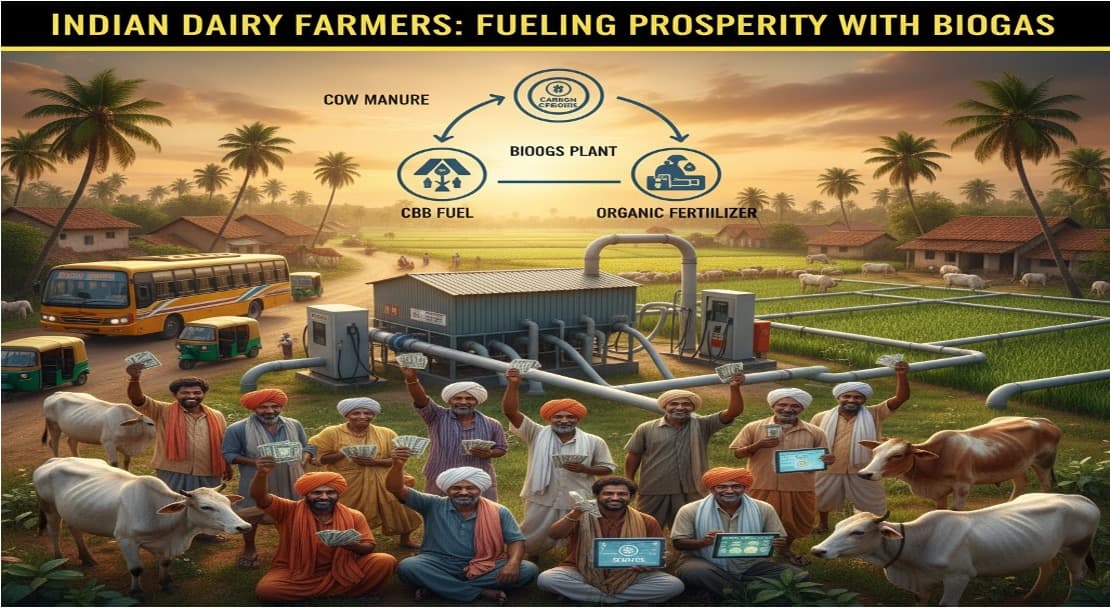
In addition to improving feed quality and using feed additives, another approach to reducing emissions is through the use of renewable energy sources. For example, farmers can use biogas digesters to convert animal waste into biogas, which can be used as a source of energy for cooking and heating. This not only reduces methane emissions from animal waste but also reduces the reliance on fossil fuels. Additionally, the use of solar panels and wind turbines can provide clean and renewable energy to power farm operations, further reducing greenhouse gas emissions. While we have seen initial investment in renewable energy technologies to be high, the long-term benefits can outweigh the costs by reducing operational expenses and providing a reliable source of energy. Overall, the combination of improved feed quality, feed additives, and renewable energy sources can help mitigate enteric fermentation and reduce the carbon footprint of the livestock industry.
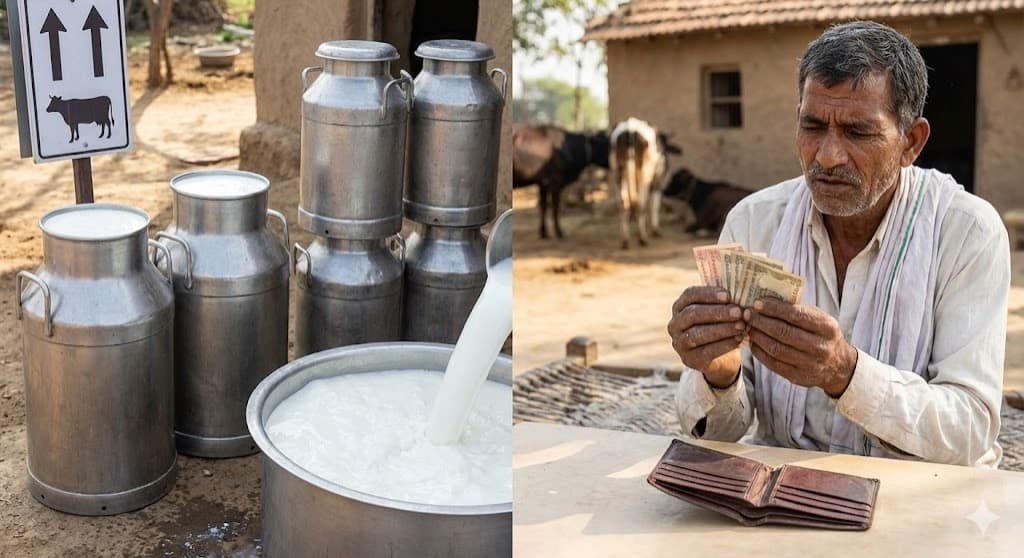
Additionally, one of the areas which I believe is extremely critical for the dairy industry to focus on is reducing emissions during milk procurement. Since milk is a household commodity and has bulk operations, reducing emissions in the value chain of milk procurement can bring down emissions significantly. By promoting local milk procurement and investing in eco-friendly transportation options, studies show emissions reductions ranging from 10 to 50 percent are possible compared to conventional procurement practices. Encouraging farmers to adopt sustainable practices, such as using renewable energy sources to operate their milk cooling and storage facilities, can also help reduce emissions.
Finally, as a responsible sector, we can also reduce emissions by promoting sustainable farming practices. This includes practices such as agroforestry, which involves growing trees and other crops together to improve soil health and reduce the need for chemical fertilizers. It also includes practices such as conservation agriculture, which involves minimizing soil disturbance and using cover crops to improve soil health and reduce erosion.
Smallholder farmers, who make up a sizable portion of the dairy industry in India, should be encouraged to adopt sustainable practices including the ones mentioned above. Providing incentives, training, and access to eco-friendly technologies can help these farmers reduce their environmental impact while improving their livelihoods. In conclusion, the dairy industry in India must prioritize sustainability and take concrete steps to reduce its environmental impact. Achieving net-zero emissions by 2050 is an ambitious goal, but it is achievable if the industry and stakeholders work together towards a common goal. It is time for the dairy industry to take responsibility and lead the way towards a sustainable future for India.