


Dairy, MSP and FCI: Myths and realities
Comparing the cereal economy with dairy sector is illogical. Despite their faults, MSP regime and FCI are relevant
There has been a considerable amount of debate and discussion on the new the farm legislation, which has raised concerns over the relevance of the Minimum Support Price (MSP) mechanism. Also, the Food Corporation of India (FCI) is being portrayed as an inefficient subsidy guzzling behemoth holding valuable economic resources and the dairy sector is being held up as a success story for comparing foodgrains and milk.
But this comparison overlooks some fundamental differences in commodities attributed to the selection bias and understating the intricacies of the two sub-sectors, agriculture and dairying.
Fundamental differences
Milk and cereals (mostly foodgrains) are distinct agricultural commodities with varying production cycle, product characteristics like their degree of perishability, bulkiness, costs and complexity of processing technologies, marketing arrangements, and consumption pattern.While milk production happens twice a day in wet period of milch animals, cereals are seasonal. In some cases, farmers take two or three crops a year. Milk is perishable and requires relatively a sophisticated processing to enhance its shelf-life, and cereals are non-perishable. With minimal processing, these can be stored for a longer duration. Despite the prominence of unorganised trade in the dairy sub-sector, there has been a significant participation of cooperatives, regional, national, and multinational corporations.
Cereals, despite being covered under the MSP regime, are primarily marketed through village level intermediaries and arthiyas. Due to inter-locked markets, farmers benfiting from the MSP form a minuscule proportion of farm population — 5.8 per cent as per the 70th round of NSSO.
Nonetheless, the MSP or floor price has a signalling value for cereals/foodgrains traders. In the household budget, provisioning of cereals comes at a more fundamental level and milk at a higher level. Households with lower incomes prioritise ensuring the availability of calorie-rich carbohydrates over protein-rich milk. Moreover, the consumption of value-added products made from milk is significantly higher than that of cereals. So comparing cereals and milk on account of MSP is illogical and akin to comparing apples with oranges.
Biased view
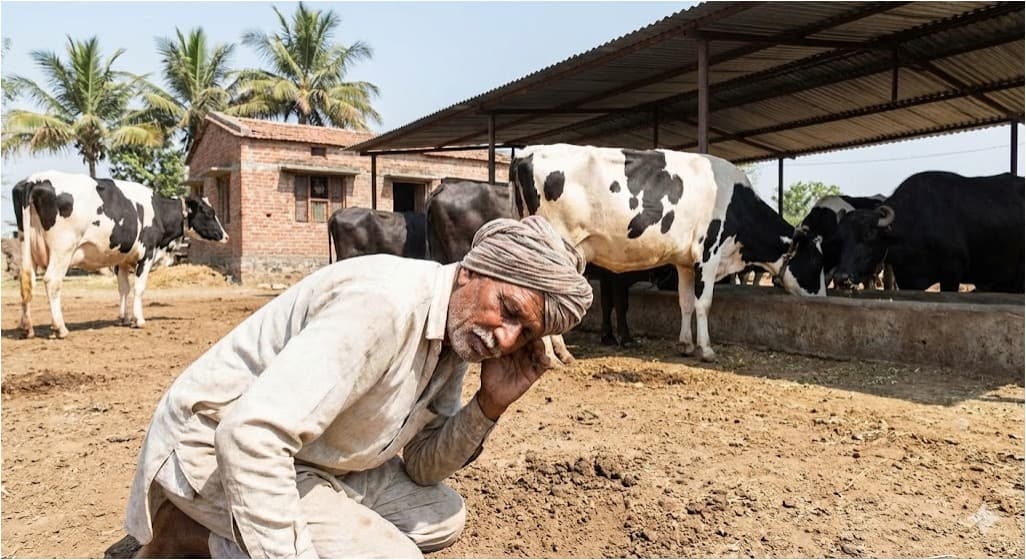
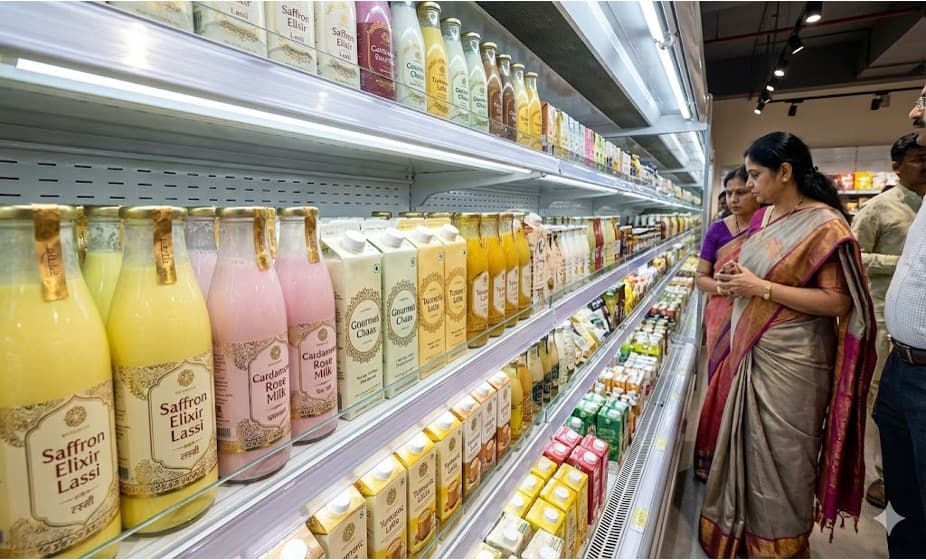
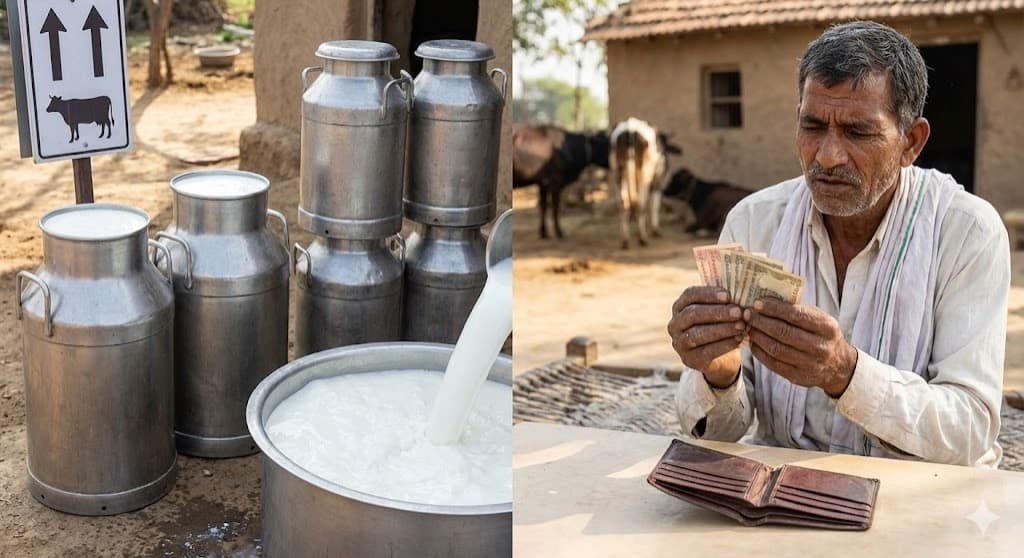
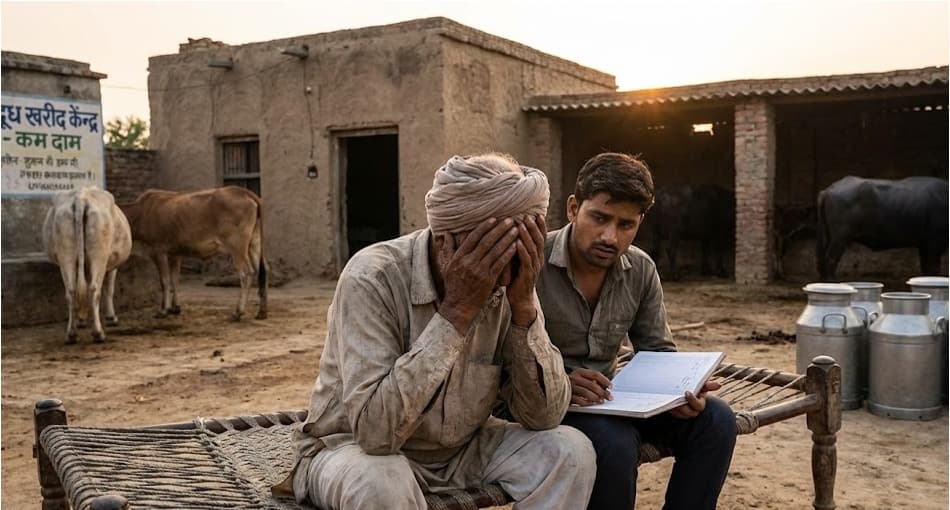
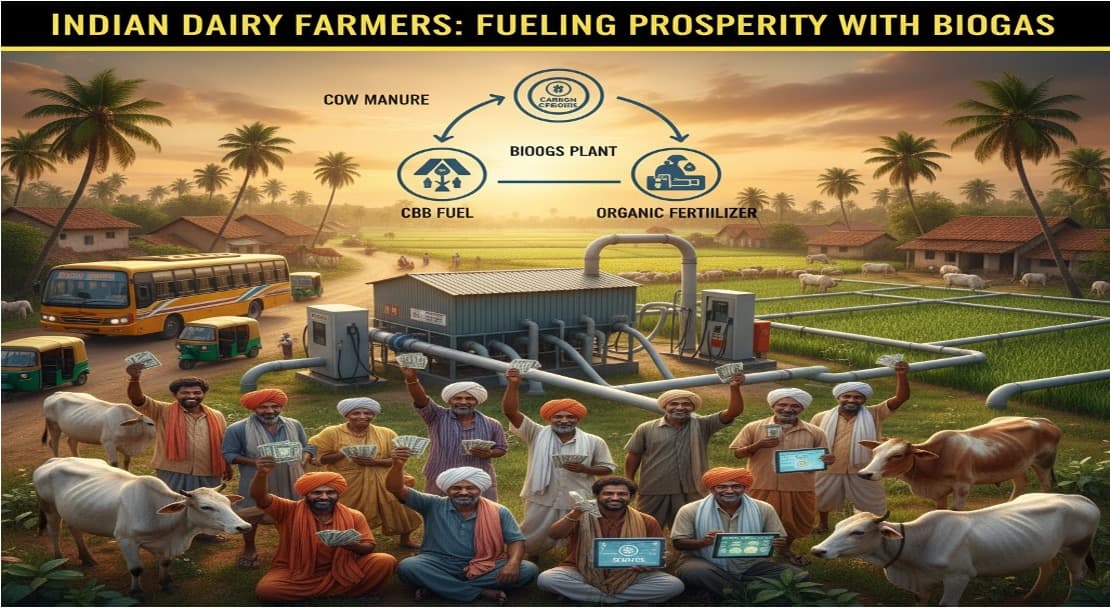
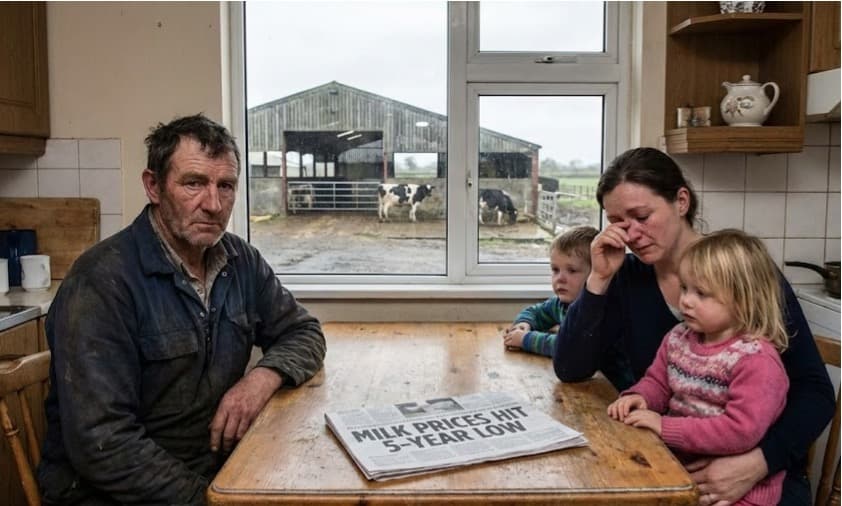
Selectively drawing successful models from the dairy sector, for example, Amul, is disingenuous and understates the challenges faced by dairy farmers in States where co-operatives are rather weak. Undoubtedly, the Amul movement has transformed dairy farmers’ socio-economic conditions and played a crucial role in making India a milk surplus nation.However, there are several States where cooperatives are fragile due to ‘social exclusion’ and ‘elite capture’ or unprofessionally managed. In Uttar Pradesh, the largest milk-producing State, dairy cooperatives are relatively weaker. This adversely impacts farmers’ livelihoods who realise unremunerative prices making their dairy farms unviable. So is the case with Bihar dairy farmers, another major milk producing State. Hence the dairy sector’s success story is a mixed bag. So, to use the dairy sector example to amplify the MSP regime’s weakness is disingenuous and seems a case of selective evidence.
MSP and FCI
The role of the FCI is inextricably linked to the MSP regime by alleviating the likelihood of farmers’ distress sales, and food security architecture. So, imagine a situation where the nation had to deal with the Covid crisis with its buffer-stocks owned by the private sector rather than the FCI. Such a situation could further the fiscal strain and slippages.If private players resorted to ‘rational’ profit maximisation behaviour, the government could have faced three unpleasant choices.
First, either it could adopt a heavy-handed approach and force the private sector to put the grains at its disposal at a predetermined price (which, due to fiscal compulsion, is set lower than the market prices).
Second, the government could have resorted to grain imports for distribution among the needy.
Third, following the market dictum the government could have left the poor in the lurch.
The pitfalls
Each of these choices has pitfalls. In the first case, the government would have an image of being anti-private, anti-market lacking a stable policy regime.This could have further dented subdued private investments.
The second course of action could have faced uncertainties of procuring the requisite quantities at a reasonable price and would have required commitment of foreign exchange. The third choice is morally untenable, in violation of social contract leading to social strife and human catastrophe.
These scenarios aptly illustrate the role of a food agency to manage such a humongous crisis.
The MSP regime and the FCI have continued relevance. Based on the inappropriate comparison and assumptions regarding the beneficial market nature, policymakers should not weaken the national food security pillar.
Policymakers need to reckon that markets, despite their potential for price determination and deadweight/welfare loss mitigation, require government interventions for making them work for the poor and reduce the chance of market failure.
Policy execution
The MSP regime and the FCI call for a structural and operational reform in view of the Shanta Kumar Committee recommendations. The MSP regime has led to unsustainable monocropping and, hence, attempts should be made to wean farmers from resource-intensive cropping and to adopt sustainable integrated farming. Market, through price signals, and policy push to balanced diversification can facilitate this shift.Second, the government should devise means to achieve a better convergence among various schemes which, continue to work in a disjointed manner. Policymakers need to focus on achieving positive synergies among various schemes to generate positive upward spiral.
Complexity in nation
Third, farm legislation being executed in a complex nation like India, can at best provide a limited solution to the multiple challenges of farmers. There is thus a need to leverage farmers’ inherent potential through the spirit of collectivisation supported by appropriate regulatory structure, transparently implemented public support schemes and enabling environment for private sector participation.As the target date for doubling farmers’ incomes approaches, farmers should receive adequate attention and support from various stakeholders and reap a harvest to lead a respectable life.