Logo
IndianGlobalBlogsPublicationsPodcastsMarketAboutContact
Logo
IndianGlobalBlogsPublicationsPodcasts
7News
TN Minister Urges Farmers to Adopt Tech for Value Addition in DairyListen to the Farm, Not the Farmer—The New Productivity LensWhat’s Driving Change In Beverages, FMCG And Dairy in 2025ED begins money laundering probe in dairy investment fraud caseIndo-Brazil pact aims to boost cattle genetics and dairy yield

Indian Dairy News

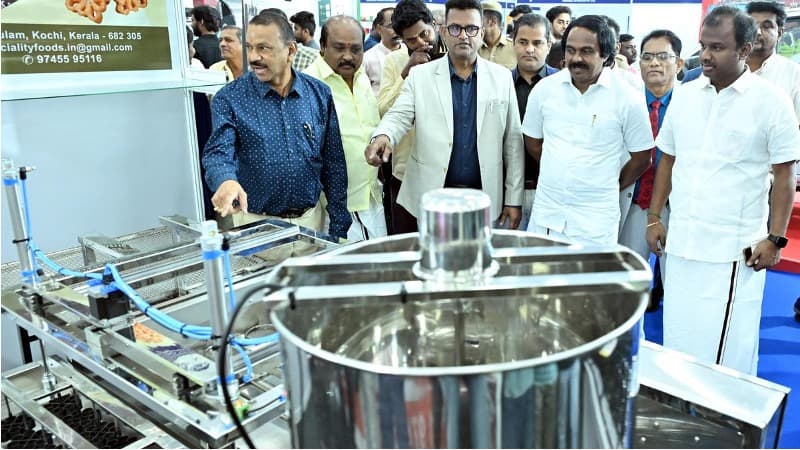
TN Minister Urges Farmers to Adopt Tech for Value Addition in Dairy
Dec 12, 2025

TN Minister Urges Farmers to Adopt Tech for Value Addition in Dairy

In Coimbatore this week, Tamil Nadu’s Minister for Milk and Dairy Development, Mano Thangaraj, called on dairy farmers to embrace modern technologies to boost productivity and value addition across th...Read More

Listen to the Farm, Not the Farmer—The New Productivity Lens
Dec 12, 2025

Listen to the Farm, Not the Farmer—The New Productivity Lens

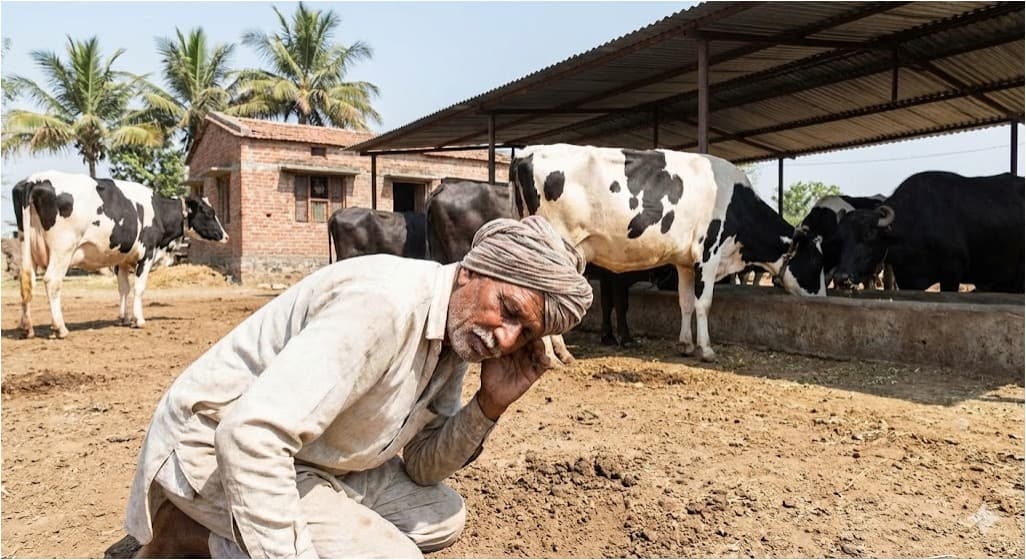
India’s dairy sector, valued at nearly $30 billion, has reached a point where incremental changes will not deliver the next breakthrough. For decades, improvement programs have focused on what farmers...Read More

What’s Driving Change In Beverages, FMCG And Dairy in 2025
Dec 12, 2025

What’s Driving Change In Beverages, FMCG And Dairy in 2025

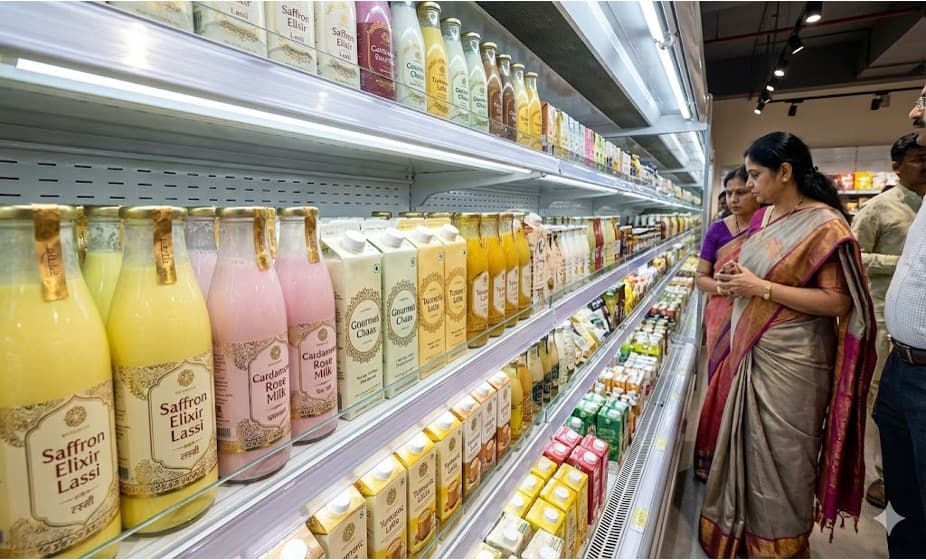
India’s retail landscape in 2025 was marked by a decisive shift in how consumers choose, consume and connect with brands. From beverages to daily nutrition and even the most essential dairy products,...Read More

Latest Blogs

See More
More Milk, Less Money: India’s Dairy Crisis
Dec 01, 2025

More Milk, Less Money: India’s Dairy Crisis

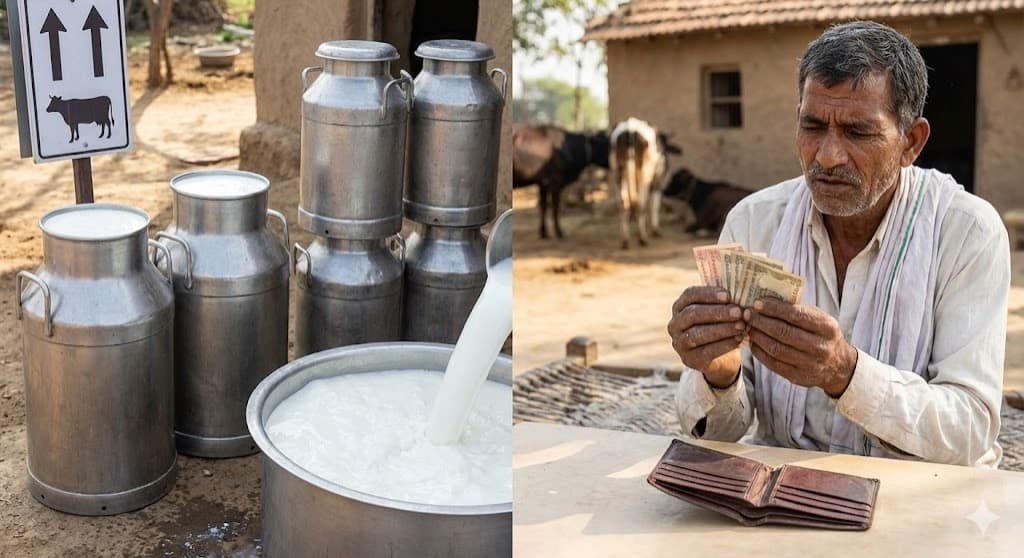
With the release of the BAHS 2025 summary report, I felt compelled to deep dive into its findings and reflect on the real progress and challenges facing India’s dairy sector. Over the last six years,...Read More

India Milk Prices: Cost Shock and Procurement Pressure
Nov 28, 2025

India Milk Prices: Cost Shock and Procurement Pressure

Milk prices in India face upward pressure as rising feed costs and procurement hikes reshape farm economics. Insight on dairy procurement, feed costs, and market outlook. Official government and coope...Read More

Stop Blaming, Start Claiming: Livestock’s Carbon Credit Future
Nov 16, 2025

Stop Blaming, Start Claiming: Livestock’s Carbon Credit Future

This week, I had the opportunity to attend an Agri Carbon Masterclass conducted by CII FACE. The deliberations, case studies, and discussions presented during the session were both insightful and thou...Read More

India Powers the Gulf’s Dairy Revolution -Gulf Food 2025
Oct 31, 2025

India Powers the Gulf’s Dairy Revolution -Gulf Food 2025

As Gulf Food Manufacturing prepares to open its doors from November 4–6 in Dubai, Indian dairy product and equipment manufacturers have a unique opportunity to explore one of the most promising region...Read More

Global Dairy News

Why the global milk business needs a structural shake-up
Dec 08, 2025

Why the global milk business needs a structural shake-up

The New Zealand dairy stalwart Fonterra has sold its consumer dairy-brands (milk, butter, cheese) — including “Anchor” and “Mainland Cheese” — to French agribusiness giant Lactalis in late October 202...Read More

Raw-milk prices in Europe hit 5-yr low; ripple effect looms
Dec 07, 2025

Raw-milk prices in Europe hit 5-yr low; ripple effect looms

European raw-milk prices have plunged to their lowest in five years, as oversupply and weak demand weigh on dairy markets across the region. According to recent data from DCA Market Intelligence B.V.,...Read More

Global food prices ease; FAO dairy index slips — impact looms
Dec 06, 2025

Global food prices ease; FAO dairy index slips — impact looms

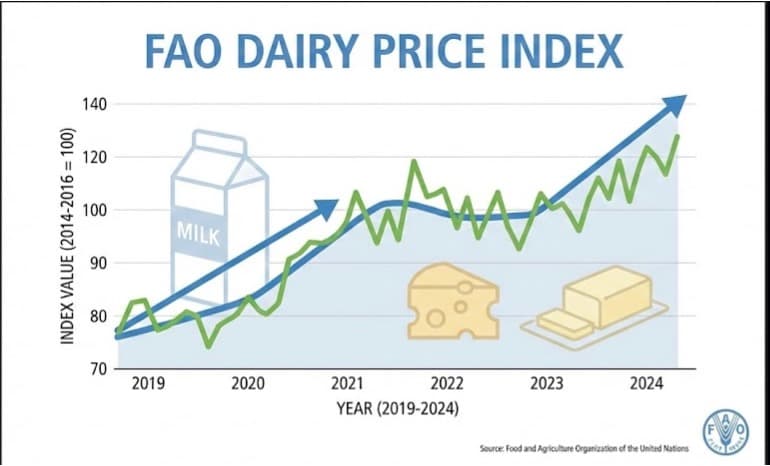
The FAO Dairy Price Index averaged 137.5 points in November, down 4.4 points (3.1 percent) from October and 2.4 points (1.7 percent) from its value a year ago. International dairy prices fell for the...Read More

Dairy News 7x7

Your trusted source for all the latest dairy industry news, market insights, and trending topics.

FOLLOW US
CATEGORIES
  • Global News
  • Indian News
  • Blogs
  • Publications
  • Podcasts
SUBSCRIBE TO OUR NEWSLETTER

Stay informed with the latest updates and trending news in the dairy industry.

No spam, unsubscribe at any time

GET IN TOUCH
C-49, C Block, Sector 65,
Noida, UP 201307
+91 7827405029dairynews7x7@gmail.com

© 2025 Dairy News 7x7. All Rights Reserved.

Terms of ServicePrivacy Policy

Cows are not the problem, but they are part of the solution in GHG emissions.

By DairyNews7x7•Published on March 23, 2024

Amidst the heightening concern with greenhouse gas emissions, the dairy industry has an important message they need to share: “Cows are not the problem, but they are part of the solution.”

Dr. Sara Kvidera made this statement during her presentation Feb. 27 at the 2024 Nebraska Dairy Convention in West Point. Her topic focused on how the dairy industry fits into the carbon market, as well as how dairy producers can reduce emissions while attributing value to their farms.

Kvidera is a dairy technical consultant for Elanco Animal Health, a pharmaceutical company for pets and livestock that has “committed to becoming a leading partner in animal protein sustainability and helping our customers achieve climate neutrality.”

Climate neutrality is the same goal shared by the dairy industry, which announced its commitment to achieve greenhouse gas (GHG) neutrality by 2050. The U.S. Dairy Net Zero Initiative is one of three industry-wide goals set by the Innovation Center for U.S. Dairy.

The Nature Conservancy organization praised the dairy industry for its “aggressive environmental stewardship goals” and expressed its commitment to working with the dairy industry and farmers to “find and implement climate solutions while improving the resilience of the farms, the livelihoods of producers, the lands and waters we all share.”

Carbon markets dairy 1.JPG
Achieving greenhouse gas neutrality by 2050 is one of three industry-wide goals set for the dairy industry.Image from Elanco Animal Health

Kvidera clarified during her presentation that climate neutrality does not mean zero emissions.

“Absolute emissions by the dairy industry have increased over time with growing demand for food, but emissions from cows are a part of a natural biogenic cycle,” she said. “We can potentially make enough reductions to keep us from having any climate impact at all.”

That means no additional contribution to global warming.

Subtle on-farm changes can help the dairy industry achieve its sustainability goal, she said.

Under the assumption that cow numbers do not change, Kvidera the dairy industry can achieve climate neutrality by reducing energy use 52%, reducing enteric methane 18% and reducing manure emissions 30%.

Simply making changes on the farm is not enough to change public perception, though. Dairy producers must also vocalize their side of the story about sustainability, she said.

Consumers are being told that cattle are responsible for increased greenhouse gas emissions because cows burp methane. Methane is a natural byproduct of the digestion process for all ruminants. While measures can be taken to reduce methane emissions, care must be taken to avoid interfering with the natural processes within the cow, Kvidera said.

Furthermore, cows are not the only contributor of greenhouse gas. A U.S. Department of Agriculture report shows that agriculture accounted for 10% of U.S. greenhouse gas emissions in 2021, with livestock being 4% of that total. The largest emitters by economic sector were transportation at 28%, electricity at 25% and industry at 23%.

Carbon markets dairy 2.JPG
Livestock account for 4% of the total greenhouse gas emissions in the U.S., according to the USDA.Image from Elanco Animal Health

Emissions intensity of milk production, which is calculated in million metric tons of carbon dioxide emissions per kilo of milk produced, has been decreasing thanks to changes in milk production practices. On the other hand, absolute emissions—what is emitted into the atmosphere—have risen 41% in the dairy sector since the mid-1990s. Increased dry matter intake by cows has influenced this increase. Another contributing factor is storing manure in aerobic lagoons instead of spreading manure daily onto fields.

“It’s a trade-off between nitrogen runoff and methane,” Kvidera said.

Equally important to note is that milk production has boosted 53% since 1990, despite the number of cows falling by 5%.

“The dairy industry is doing more with less,” Kvidera said.

In 1990, there were 9.9 million dairy cows producing 67 billion kg of milk in the U.S., according to the USDA. In 2021, 9.45 million cows produced 103 billion kg of milk.

Sustainability has always been part of the dairy industry’s narrative. Ruminants are involved in the biogenic carbon cycle, and dairy cows are net contributors to the human protein supply.

“The beauty of ruminants is that they basically make their own protein out of low-quality feed. They take protein we can’t eat and convert it into protein we can,” Kvidera said.

Moreover, milk has the highest ratio of nutrient density to GHG emissions of all beverages, double that of soy drinks and more than seven times that of oat drinks, Kvidera shared during her presentation.

The dairy industry can capitalize on these positive attributes, and through the carbon market, dairy producers may find partners in sharing their story of sustainability.

Carbon markets dairy 3.JPG
Milk is a nutrient-dense source of nutrition and has the highest ratio of nutrient density to greenhouse gas emission of beverages.Image from Elanco Animal Health


Swipe to continue reading

Previous Article

Next Article