Logo
IndianGlobalBlogsPublicationsPodcastsMarketAboutContact
Logo
IndianGlobalBlogsPublicationsPodcasts
7News
TN Minister Urges Farmers to Adopt Tech for Value Addition in DairyListen to the Farm, Not the Farmer—The New Productivity LensWhat’s Driving Change In Beverages, FMCG And Dairy in 2025ED begins money laundering probe in dairy investment fraud caseIndo-Brazil pact aims to boost cattle genetics and dairy yield

Indian Dairy News

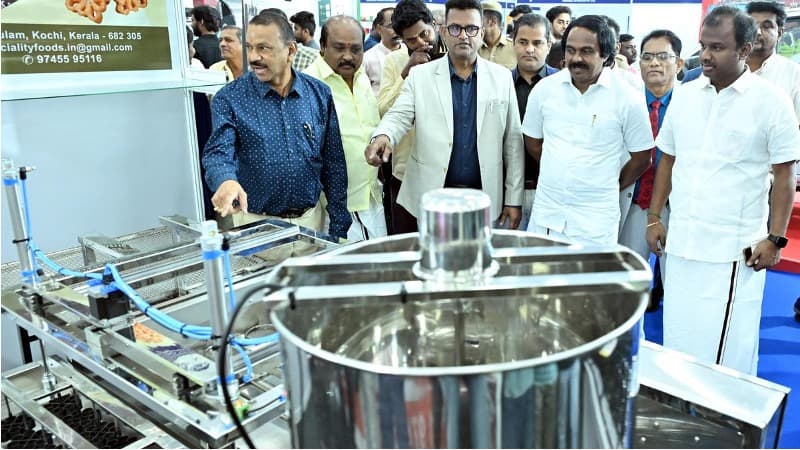
TN Minister Urges Farmers to Adopt Tech for Value Addition in Dairy
Dec 12, 2025

TN Minister Urges Farmers to Adopt Tech for Value Addition in Dairy

In Coimbatore this week, Tamil Nadu’s Minister for Milk and Dairy Development, Mano Thangaraj, called on dairy farmers to embrace modern technologies to boost productivity and value addition across th...Read More

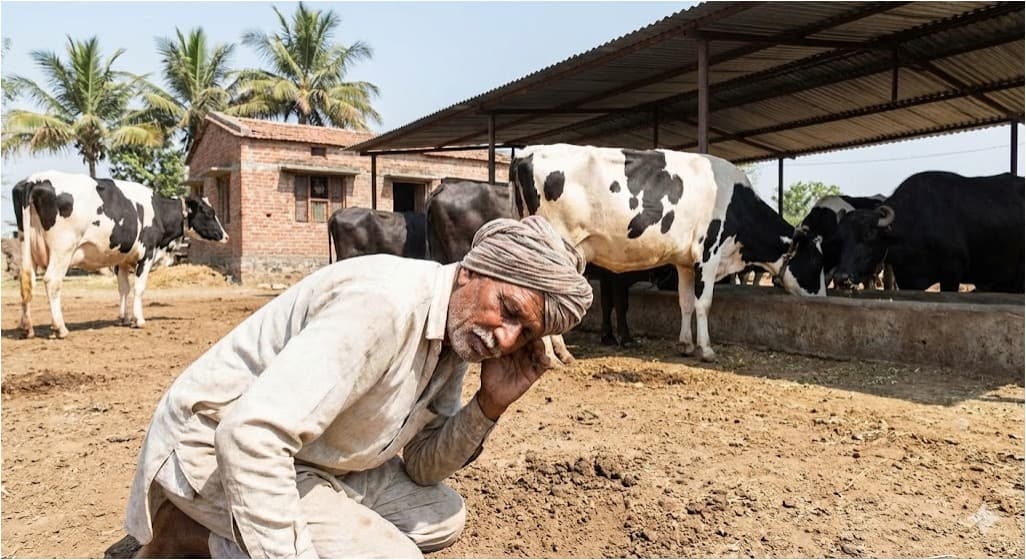
Listen to the Farm, Not the Farmer—The New Productivity Lens
Dec 12, 2025

Listen to the Farm, Not the Farmer—The New Productivity Lens

India’s dairy sector, valued at nearly $30 billion, has reached a point where incremental changes will not deliver the next breakthrough. For decades, improvement programs have focused on what farmers...Read More

What’s Driving Change In Beverages, FMCG And Dairy in 2025
Dec 12, 2025

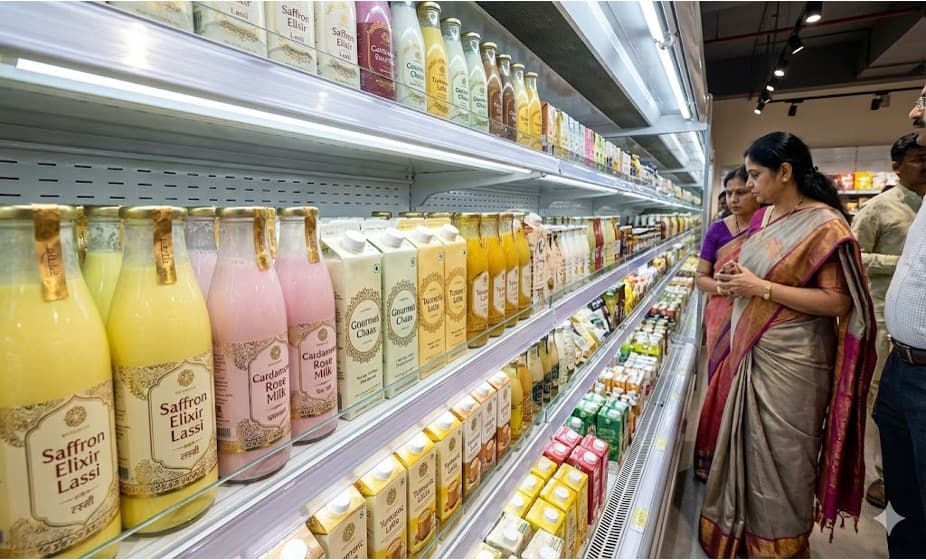
What’s Driving Change In Beverages, FMCG And Dairy in 2025

India’s retail landscape in 2025 was marked by a decisive shift in how consumers choose, consume and connect with brands. From beverages to daily nutrition and even the most essential dairy products,...Read More

Latest Blogs

See More
More Milk, Less Money: India’s Dairy Crisis
Dec 01, 2025

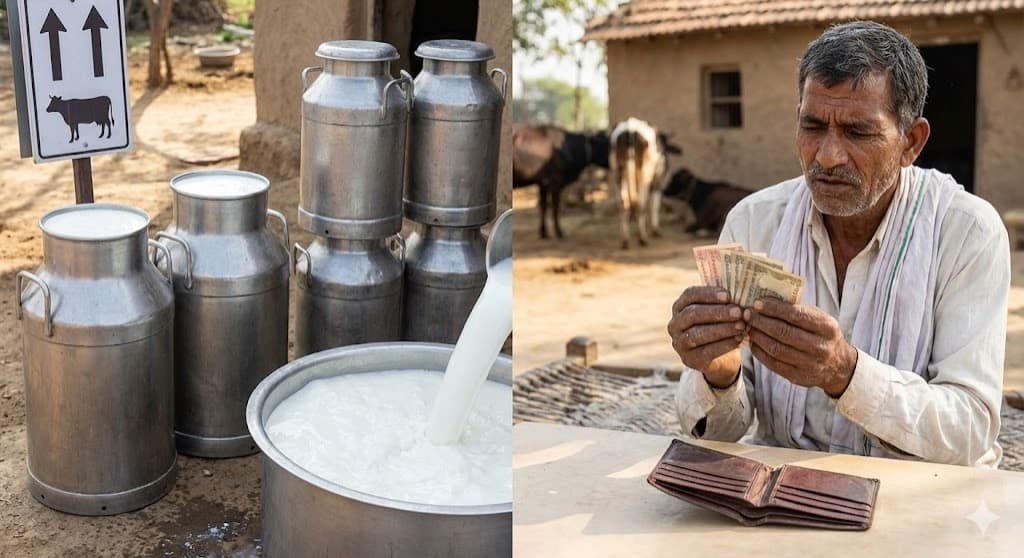
More Milk, Less Money: India’s Dairy Crisis

With the release of the BAHS 2025 summary report, I felt compelled to deep dive into its findings and reflect on the real progress and challenges facing India’s dairy sector. Over the last six years,...Read More

India Milk Prices: Cost Shock and Procurement Pressure
Nov 28, 2025

India Milk Prices: Cost Shock and Procurement Pressure

Milk prices in India face upward pressure as rising feed costs and procurement hikes reshape farm economics. Insight on dairy procurement, feed costs, and market outlook. Official government and coope...Read More

Stop Blaming, Start Claiming: Livestock’s Carbon Credit Future
Nov 16, 2025

Stop Blaming, Start Claiming: Livestock’s Carbon Credit Future

This week, I had the opportunity to attend an Agri Carbon Masterclass conducted by CII FACE. The deliberations, case studies, and discussions presented during the session were both insightful and thou...Read More

India Powers the Gulf’s Dairy Revolution -Gulf Food 2025
Oct 31, 2025

India Powers the Gulf’s Dairy Revolution -Gulf Food 2025

As Gulf Food Manufacturing prepares to open its doors from November 4–6 in Dubai, Indian dairy product and equipment manufacturers have a unique opportunity to explore one of the most promising region...Read More

Global Dairy News

Why the global milk business needs a structural shake-up
Dec 08, 2025

Why the global milk business needs a structural shake-up

The New Zealand dairy stalwart Fonterra has sold its consumer dairy-brands (milk, butter, cheese) — including “Anchor” and “Mainland Cheese” — to French agribusiness giant Lactalis in late October 202...Read More

Raw-milk prices in Europe hit 5-yr low; ripple effect looms
Dec 07, 2025

Raw-milk prices in Europe hit 5-yr low; ripple effect looms

European raw-milk prices have plunged to their lowest in five years, as oversupply and weak demand weigh on dairy markets across the region. According to recent data from DCA Market Intelligence B.V.,...Read More

Global food prices ease; FAO dairy index slips — impact looms
Dec 06, 2025

Global food prices ease; FAO dairy index slips — impact looms

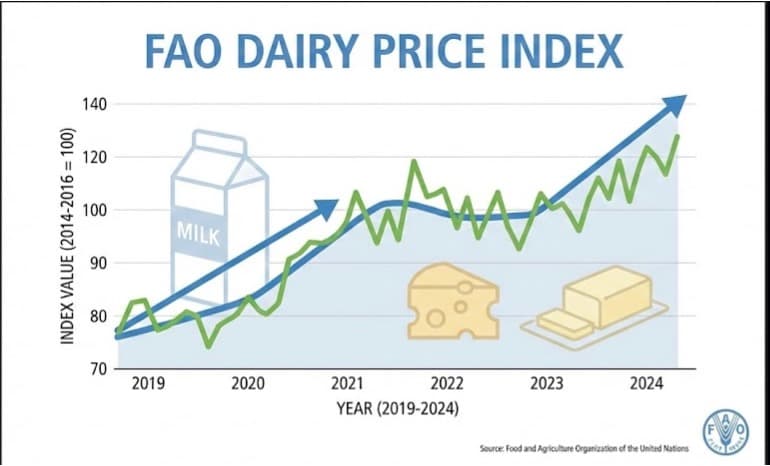
The FAO Dairy Price Index averaged 137.5 points in November, down 4.4 points (3.1 percent) from October and 2.4 points (1.7 percent) from its value a year ago. International dairy prices fell for the...Read More

Dairy News 7x7

Your trusted source for all the latest dairy industry news, market insights, and trending topics.

FOLLOW US
CATEGORIES
  • Global News
  • Indian News
  • Blogs
  • Publications
  • Podcasts
SUBSCRIBE TO OUR NEWSLETTER

Stay informed with the latest updates and trending news in the dairy industry.

No spam, unsubscribe at any time

GET IN TOUCH
C-49, C Block, Sector 65,
Noida, UP 201307
+91 7827405029dairynews7x7@gmail.com

© 2025 Dairy News 7x7. All Rights Reserved.

Terms of ServicePrivacy Policy

Cow burps to be taxed under ‘world first’ proposals by New Zealand

By DairyNews7x7•Published on October 12, 2022

“New Zealand’s farmers are set to be the first in the world to reduce agricultural emissions” – New Zealand Prime Minister Jacinda Ardern.

New Zealand has proposed a tax on burping and peeing farm animals in a bid to combat climate change.

A world first, the farm levy could support the country’s pledge to reduce greenhouse gas emissions and become carbon neutral by 2050.

Farmers unhappy with the proposal have been advised they could recoup the cost by charging more for climate-friendly products.

Would New Zealand’s farm emissions tax be good for farmers?

Under the government’s proposed plan, farmers would start to pay for emissions in 2025, with the pricing yet to be finalised.

Prime Minister Jacinda Ardern says all the money collected from the proposed farm levy would be put back into the industry to fund new technology, research and incentive payments for farmers.

By reducing agricultural emissions, she adds that New Zealand’s biggest export market would gain a “competitive advantage… in a world increasingly discerning about the provenance of their food.”

New Zealand’s farmers are set to be the first in the world to reduce agricultural emissions” – New Zealand Prime Minister Jacinda Ardern.AP Photo

Agriculture Minister Damien O’Connor hails it as an exciting opportunity for New Zealand and its farmers.

“Farmers are already experiencing the impact of climate change with more regular drought and flooding,” says O’Connor.

“Taking the lead on agricultural emissions is both good for the environment and our economy.”

Why is New Zealand proposing a tax on farm emissions?

Agriculture accounts for almost half of New Zealand’s greenhouse gas emissions.

There are just 5 million people in the country, but some 10 million beef and dairy cattle and 26 million sheep.

Farm animals produce gases that warm the planet, particularly methane from cattle burps and nitrous oxide from their urine.

The government has pledged to reduce greenhouse gas emissions and make the country carbon neutral by 2050. Part of that plan includes a pledge to reduce methane emissions from farm animals by 10 per cent by 2030 and by up to 47 per cent by 2050.

The new farm emissions pricing system proposals were put forward by He Waka Eke Noa, a partnership between the government, the primary sector, and iwi/Māori. The initiative aims to “equip farmers and growers to measure, manage, and reduce on-farm agricultural greenhouse gas emissions and adapt to climate change.”

How have farmers reacted to New Zealand’s farm tax proposal?

Farmers quickly condemned the plan. Federated Farmers, the industry’s main lobby group, says the plan would “rip the guts out of small-town New Zealand” and see farms replaced with trees.

Federated Farmers President Andrew Hoggard says farmers have been trying to work with the government for more than two years on an emissions reduction plan that wouldn’t decrease food production.

“Our plan was to keep farmers farming,” Hoggard says. However, if the farm levy goes ahead, he believes farmers will be selling their farms “so fast you won’t even hear the dogs barking on the back of the ute (pickup truck) as they drive off.”

Opposition lawmakers from the conservative ACT Party say the plan would actually increase worldwide emissions by moving farming to other countries that are less efficient at making food.

While farmers have decried the new proposals, some environmental activists argue that they do not go far enough.

Greenpeace lead climate campaigner Christine Rose says the Government’s proposals would favour the agriculture sector’s worst climate polluter – intensive dairy – and disadvantage less-polluting extensive beef and sheep farming and Māori-owned farms.

“Action to reduce agricultural emissions means tackling the dairy industry – New Zealand’s worst climate polluter. And that means far fewer cows, it means cutting synthetic nitrogen fertiliser, and backing a shift to more plant-based regenerative organic farming.”

Consultations on the proposals are now open and they will be finalised next year.

Swipe to continue reading

Previous Article

Next Article