Logo
IndianGlobalBlogsPublicationsPodcastsMarketAboutContact
Logo
IndianGlobalBlogsPublicationsPodcasts
7News
TN Minister Urges Farmers to Adopt Tech for Value Addition in DairyListen to the Farm, Not the Farmer—The New Productivity LensWhat’s Driving Change In Beverages, FMCG And Dairy in 2025ED begins money laundering probe in dairy investment fraud caseIndo-Brazil pact aims to boost cattle genetics and dairy yield

Indian Dairy News

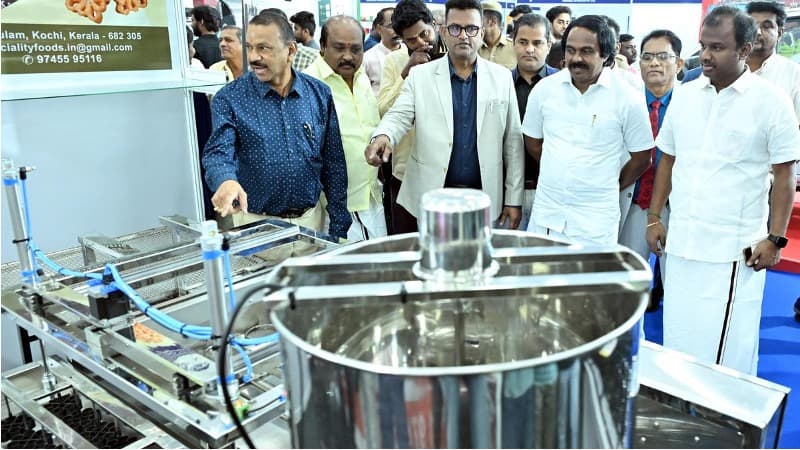
TN Minister Urges Farmers to Adopt Tech for Value Addition in Dairy
Dec 12, 2025

TN Minister Urges Farmers to Adopt Tech for Value Addition in Dairy

In Coimbatore this week, Tamil Nadu’s Minister for Milk and Dairy Development, Mano Thangaraj, called on dairy farmers to embrace modern technologies to boost productivity and value addition across th...Read More

Listen to the Farm, Not the Farmer—The New Productivity Lens
Dec 12, 2025

Listen to the Farm, Not the Farmer—The New Productivity Lens

India’s dairy sector, valued at nearly $30 billion, has reached a point where incremental changes will not deliver the next breakthrough. For decades, improvement programs have focused on what farmers...Read More

What’s Driving Change In Beverages, FMCG And Dairy in 2025
Dec 12, 2025

What’s Driving Change In Beverages, FMCG And Dairy in 2025

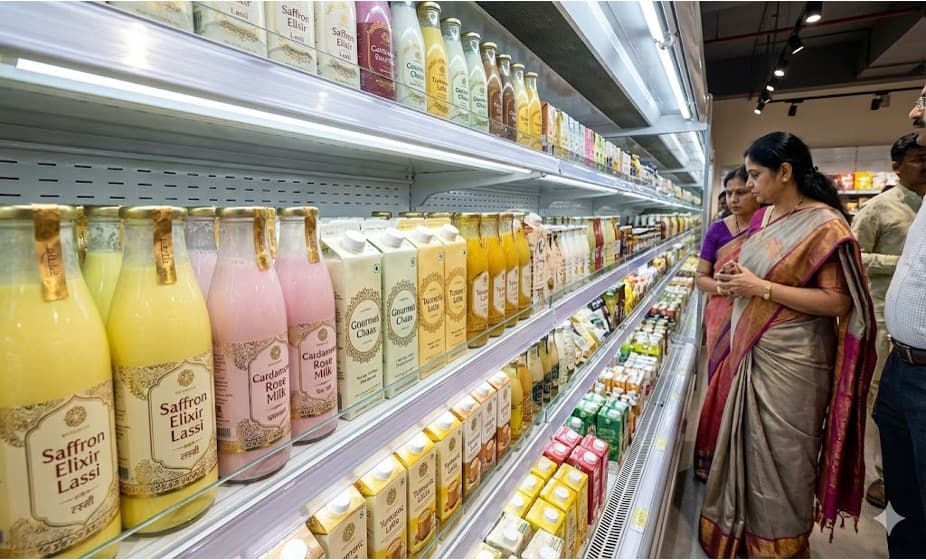
India’s retail landscape in 2025 was marked by a decisive shift in how consumers choose, consume and connect with brands. From beverages to daily nutrition and even the most essential dairy products,...Read More

Latest Blogs

See More
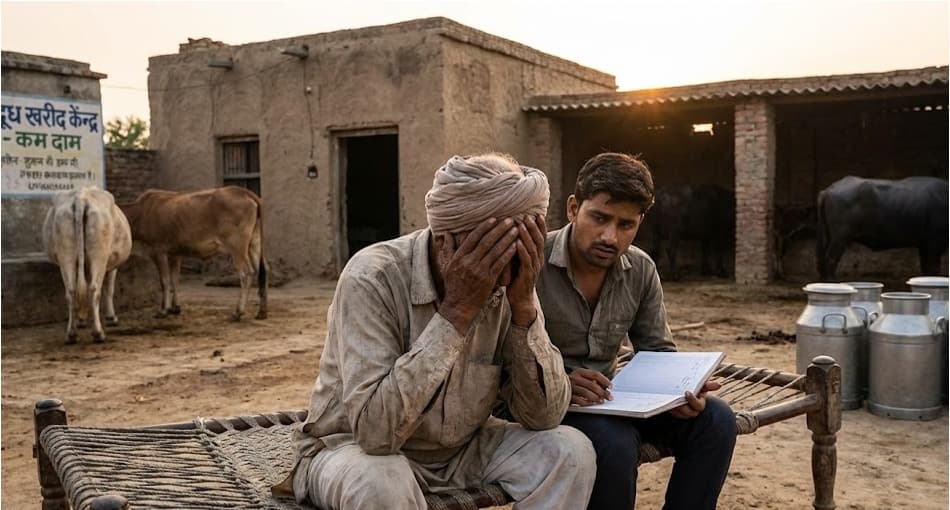
More Milk, Less Money: India’s Dairy Crisis
Dec 01, 2025

More Milk, Less Money: India’s Dairy Crisis

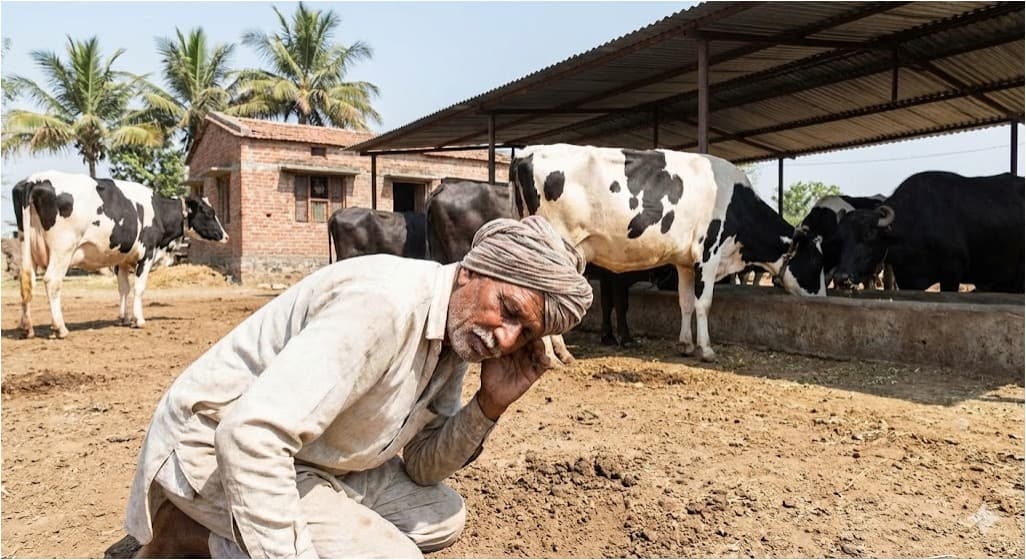
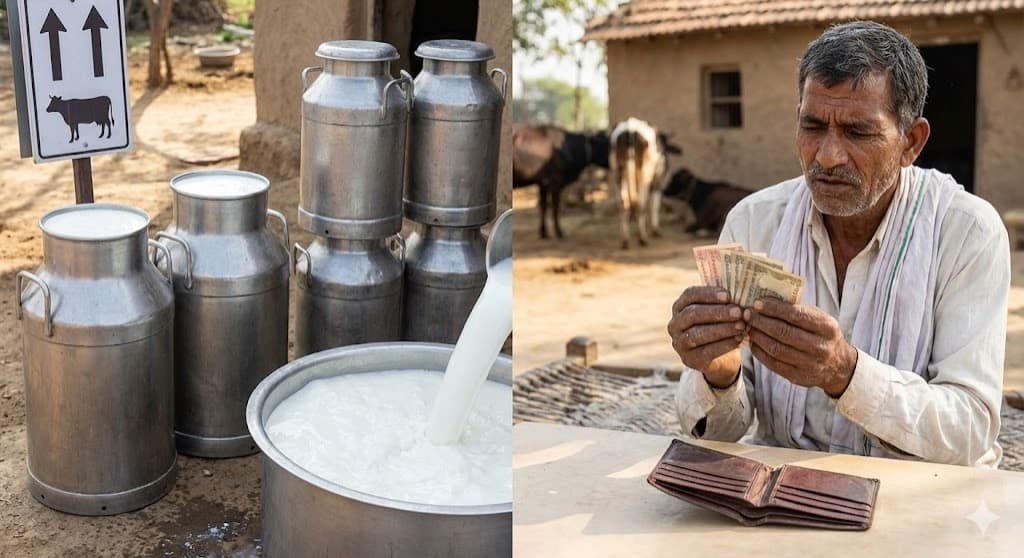
With the release of the BAHS 2025 summary report, I felt compelled to deep dive into its findings and reflect on the real progress and challenges facing India’s dairy sector. Over the last six years,...Read More

India Milk Prices: Cost Shock and Procurement Pressure
Nov 28, 2025

India Milk Prices: Cost Shock and Procurement Pressure

Milk prices in India face upward pressure as rising feed costs and procurement hikes reshape farm economics. Insight on dairy procurement, feed costs, and market outlook. Official government and coope...Read More

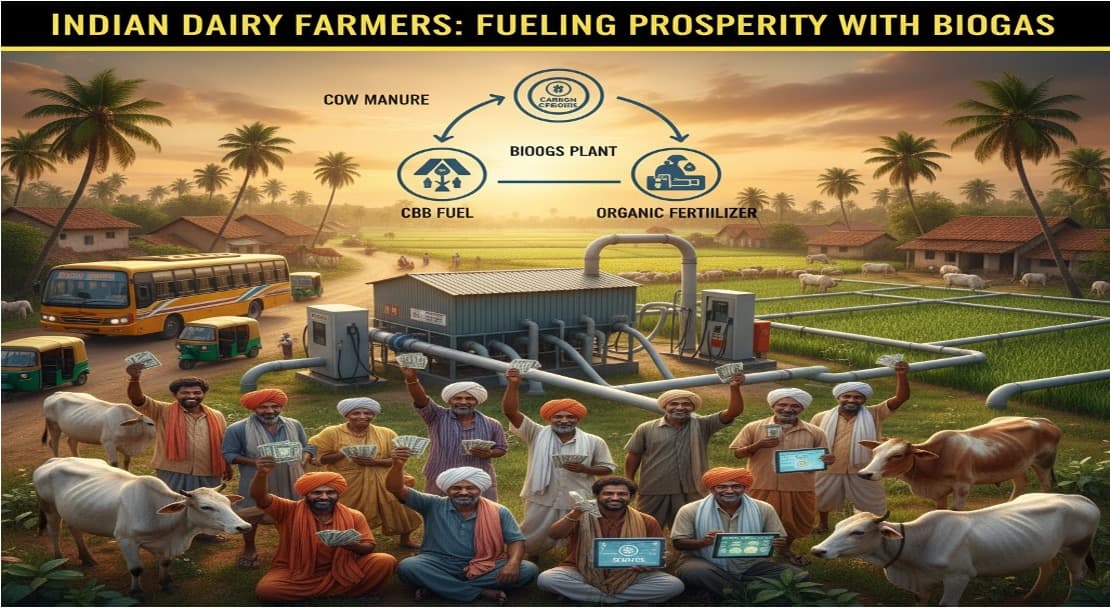
Stop Blaming, Start Claiming: Livestock’s Carbon Credit Future
Nov 16, 2025

Stop Blaming, Start Claiming: Livestock’s Carbon Credit Future

This week, I had the opportunity to attend an Agri Carbon Masterclass conducted by CII FACE. The deliberations, case studies, and discussions presented during the session were both insightful and thou...Read More

India Powers the Gulf’s Dairy Revolution -Gulf Food 2025
Oct 31, 2025

India Powers the Gulf’s Dairy Revolution -Gulf Food 2025

As Gulf Food Manufacturing prepares to open its doors from November 4–6 in Dubai, Indian dairy product and equipment manufacturers have a unique opportunity to explore one of the most promising region...Read More

Global Dairy News

Why the global milk business needs a structural shake-up
Dec 08, 2025

Why the global milk business needs a structural shake-up

The New Zealand dairy stalwart Fonterra has sold its consumer dairy-brands (milk, butter, cheese) — including “Anchor” and “Mainland Cheese” — to French agribusiness giant Lactalis in late October 202...Read More

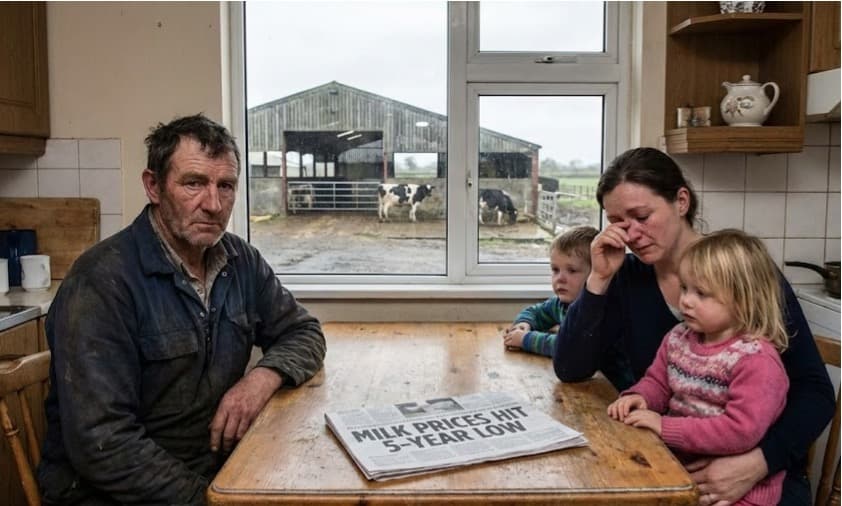
Raw-milk prices in Europe hit 5-yr low; ripple effect looms
Dec 07, 2025

Raw-milk prices in Europe hit 5-yr low; ripple effect looms

European raw-milk prices have plunged to their lowest in five years, as oversupply and weak demand weigh on dairy markets across the region. According to recent data from DCA Market Intelligence B.V.,...Read More

Global food prices ease; FAO dairy index slips — impact looms
Dec 06, 2025

Global food prices ease; FAO dairy index slips — impact looms

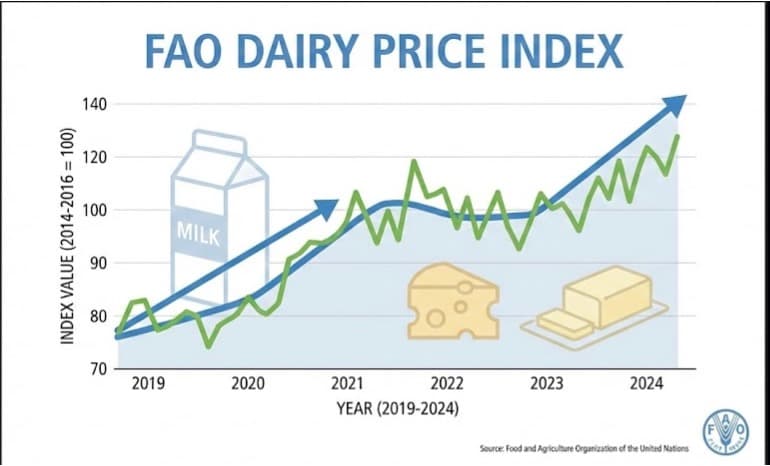
The FAO Dairy Price Index averaged 137.5 points in November, down 4.4 points (3.1 percent) from October and 2.4 points (1.7 percent) from its value a year ago. International dairy prices fell for the...Read More

Dairy News 7x7

Your trusted source for all the latest dairy industry news, market insights, and trending topics.

FOLLOW US
CATEGORIES
  • Global News
  • Indian News
  • Blogs
  • Publications
  • Podcasts
SUBSCRIBE TO OUR NEWSLETTER

Stay informed with the latest updates and trending news in the dairy industry.

No spam, unsubscribe at any time

GET IN TOUCH
C-49, C Block, Sector 65,
Noida, UP 201307
+91 7827405029dairynews7x7@gmail.com

© 2025 Dairy News 7x7. All Rights Reserved.

Terms of ServicePrivacy Policy

COP28 summit: Cow burps, food waste in focus on agriculture day

By DairyNews7x7•Published on December 05, 2023

Climate advocacy groups are pressuring world governments gathered at this year’s United Nation’s COP28 climate conference in Dubai to commit to cutting global food sector emissions, as the conference host promises to put agriculture in the spotlight.

Global food systems– including farming and land use, livestock production, household food consumption and waste, and energy used in the farm and food retail sectors – account for 31% of human-made greenhouse gas (GHG) emissions, according to the United Nations’ Food and Agriculture Organization (FAO).

But few governments have ever published numeric targets for lowering those emissions, focusing instead mostly on the use of fossil fuels for power, transport and industry, according to climate advocates.

“Business as usual food systems would use nearly the whole carbon budget for a 2-degree Celsius world. We need to implement food systems approaches throughout COP28,” said Joao Campari, global leader of food practice at the World Wildlife Fund.

A full day of the 28th Conference of the Parties (COP), Dec. 10, will be dedicated to food and agriculture – a first for any COP – and the United Arab Emirates host has said the event will be a “game-changer for food systems.”

Advocacy groups say countries should take the opportunity to commit to stronger action on food system emissions in their national climate plans, called Nationally Determined Contributions (NDCs).

Many NDCs mention agriculture, but just 53 of 164 countries who had submitted NDCs to the U.N. as of September 2022 included quantified GHG goals for agricultural sub-sectors, according to CGIAR, a global food security research group.

The United States, India, China and Canada are among the countries that did not have quantified mitigation goals.

Advocates would see clearer accounting of food system emissions and targets to reduce them, as well as discussion of issues like biodiversity and healthy, sustainable diets.

“That’s a minimum baseline to understand the role of food systems and its connection [to climate change],” said Patty Fong, program director for climate, health and wellbeing at the Global Alliance for the Future of Food.

Doing so could also unlock financial investment in tackling food emissions, said Saswati Bora, global director for regenerative food systems at the Nature Conservancy.

Food systems received just 4.3% of global climate finance in 2019 and 2020, according to the Climate Policy Initiative.

“To have this increasing attention at the global level helps direct some of the support that’s needed for producers to transition food production to be more climate-friendly,” Bora said.

TACKLING METHANE

A key goal for advocates is reducing methane emissions from food sectors like livestock production and food waste.

Methane is about 20 times more potent than carbon dioxide over a 100-year period. Food systems generate 53% of the world’s methane emissions and about two-thirds of agricultural methane is from livestock production, including cow burps and manure management, according to the FAO.

Heightened awareness of livestock methane emissions should lead to global commitments to cut them, much in the same way the Global Methane Pledge launched at COP26 commits countries to reduce their methane emissions 30% by 2030, said John Tauzel, senior director of global agricultural methane at the Environmental Defense Fund.

Wealthier countries should support farmers in implementing technology like biodigesters that capture manure emissions for energy production, while poorer countries should help farmers improve animal feed and livestock digestion, Tauzel said.

Countries should also make stronger commitments in NDCs ( Nationally Determined Contributions ) on food waste, said Liz Goodwin, director of food loss and waste at the World Resources Institute.

Food waste generates half of all global food system emissions according to a March study published in the journal Nature Food.

“That puts it clearly on their government agenda [and] it means they’ve got to actually do something about it,” Goodwin said.

The members of the U.N. pledged in 2015 to halve global food loss and waste by 2030, but the world has collectively made little progress towards the goal and some countries waste even more food now.

Source: Reuters Dec 2nd 2023

Swipe to continue reading

Previous Article

Next Article