

Control, competition & cooperation: Ministry of cooperation
One will have to wait for its blueprint to see how it plans to take the country forward. However, experience of co-operatives in India is a mixed bag, more of failures and only few successes.
It was an indirect admission of the failure of socialist state with all its controls on the economy.
July is an important month in India’s economic history. On July 24, 1991, India decided to unshackle the spirit of private sector entrepreneurship through a major delicensing-of-industry move, and reducing tariffs on a host of commodities. It was an indirect admission of the failure of socialist state with all its controls on the economy. Despite bitter debate and doubts about this new directional move, Indian economy started revving up. In the years since, especially over the last two decades, India registered almost double the ‘Hindu rate of growth of 3.5%’ (a term coined by late Raj Krishna). It was done with humility, by an academic-turned-finance minister, Manmohan Singh, with due political support from PV Narasimha Rao.
Did delicensing help agriculture ?
But did it help agriculture? Manmohan Singh’s trade policy changes improved terms of trade for agriculture and benefitted millions of farmers. Agri-exports zoomed, but it also led to higher domestic prices. Before a supply-response could come, the Congress was out of power and export controls came back to depress domestic food prices.In 1991, Manmohan Singh also delicensed the dairy sector, but stiff opposition from Verghese Kurien diluted it to partial delicensing through the Milk and Milk Products Order of 1992. It was only after 10 years, in 2002, that the dairy sector was fully delicensed by the Atal Bihari Vajpayee government. The developments in the dairy sector since are proof enough that competition between co-operatives and corporate players has benefited millions of milk farmers in the country.
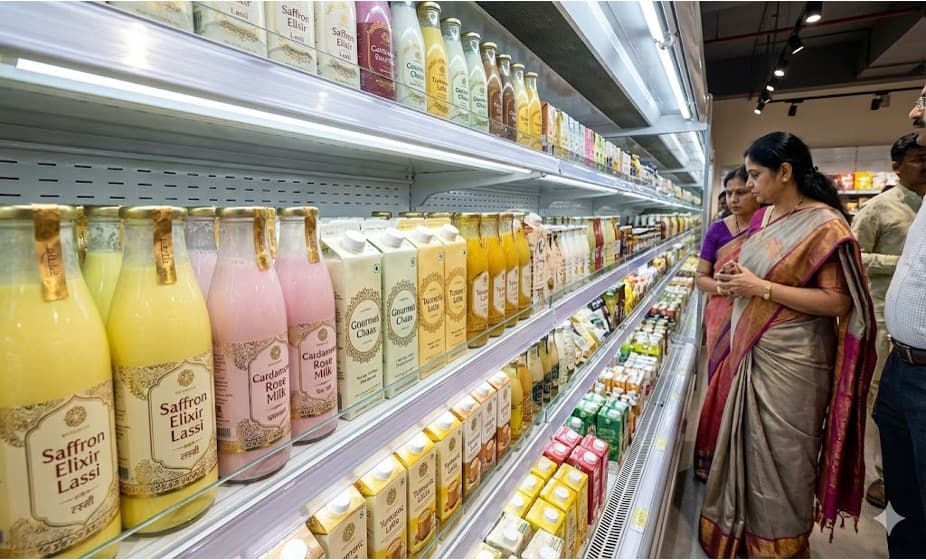
Undoubtedly, Kurien ‘invented’ the original wheel of the Amul model, i.e., collecting milk from millions of small and marginal farmers, processing it, and distributing to consumers. But, with the entry of the private sector, the wheels became wings, and the dairy sector’s growth accelerated. Today, both procure roughly the same quantities and growth in organised private sector is even faster than co-operatives.
Kurien and wheel of Amul
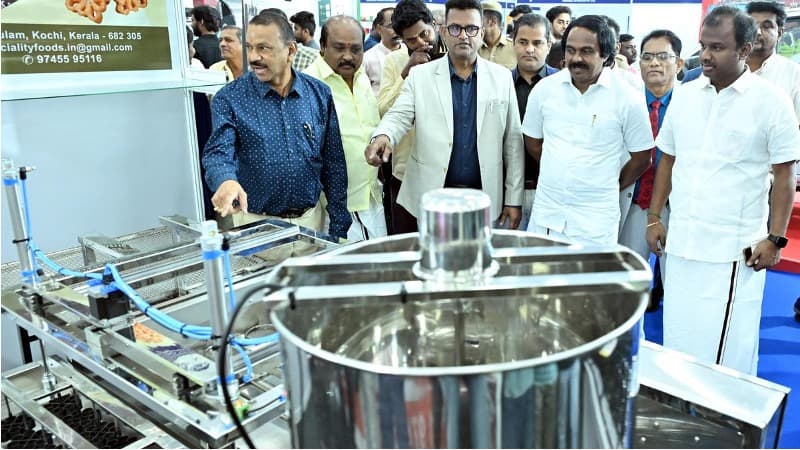
The topic of co-operatives is important because, in July 2021; the Modi government created the ministry of cooperation, making India perhaps the first nation to have one. One will have to wait for its blueprint to see how it plans to take the country forward. However, experience of co-operatives in India is a mixed bag, more of failures and only few successes.The performance of co-operatives in the financial-sector be it rural or urban, is poor-to-average. When it is measured in terms of their share in the overall credit, technology upgradation, NPAs, and even frauds. Urban Cooperative Banks are believed to have undertaken huge transactions during demonetisation, nullifying the expected gains from the exercise. Sugar co-operatives of Maharashtra, initially touted as models of development, are now caving in, and many are being sold out to the private sector. The list is endless.
Amul could not replicate its glory
But, let me come back to milk. It is here that the performance of cooperative champion, Gujarat Cooperative Milk Marketing Federation (GCMMF), with the poster-brand of AMUL, has been most successful. What led to its success? Initially, a lot of capital at highly concessional terms during Operation Flood time. But, more importantly, a leader like Kurien who believed in professionalism and business, and kept politics away. He strongly believed and lived for supporting milk farmers, sometimes even at the expense of consumers. But, despite the grand success of milk cooperatives in Gujarat, it did not spread to other states as successfully. Look at UP, the biggest producer of milk—co-operatives don’t figure high. Almost 60% of milk procurement of all co-operatives in India comes from two states—Gujarat and Karnataka.Nandini a subsidised success
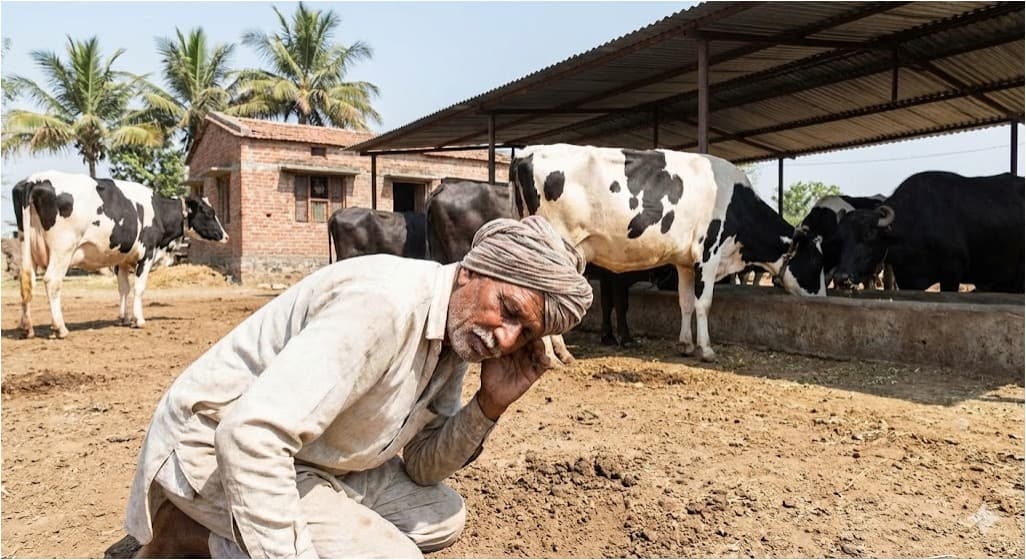
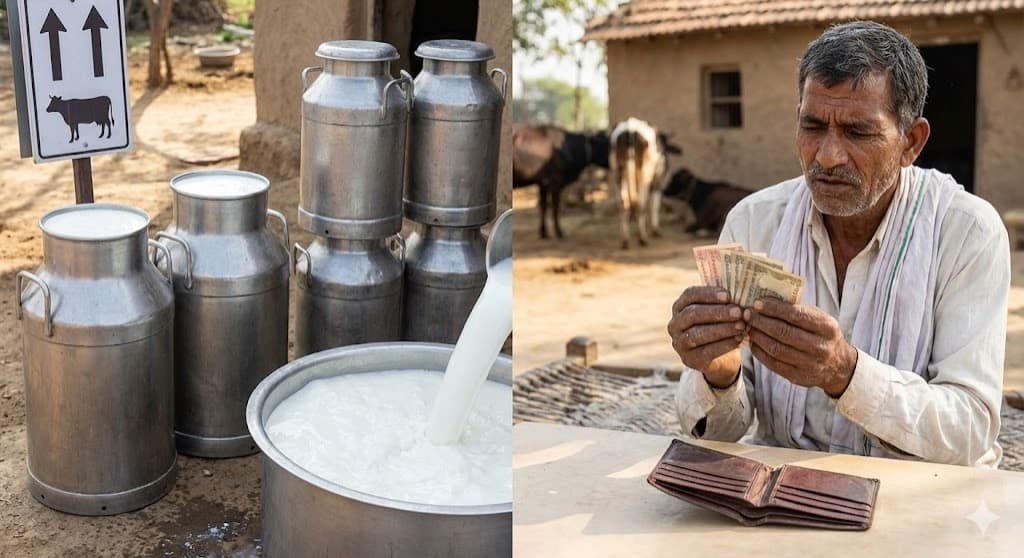
Karnataka’s story is somewhat interesting. In its zest to please milk farmers, Karnataka Milk Federation (KMF), with the brandname of Nandini, gives Rs 5 -6/litre extra to farmers. The state government paid a subsidy of Rs 1260 Crores in FY 20 . KMF procures lot of milk, and then dumps at lower prices in the market for consumers. This depresses prices in adjoining states like Maharashtra, destroying the fortunes of Maharashtra milk-farmers. If Maharashtra and Karnataka were two different countries, Maharashtra would would be in a dispute with Karnataka in WTO over the latter dumping milk in the market. But, since they are adjoining states, to whom do Maharashtra farmers complain? If the ministry of cooperation at the Centre can iron out such distortions in state pricing policies due to subsidies, it will do a great service to the country.Co-operatives desperately need technological upgradation. If the ministry of cooperation can give soft loans for innovations and technology upgradation, I have no problem. But, why not extend the same terms to private sector and see the magic of transforming India? A level playing field is critical to see which model suits India best.
There is nothing that is ‘perfect’ in this world. All models have their downsides, but the need is to support the one that relies least on taxpayers’ money. And finally, can the ministry of cooperation ensure the least political interference in the operation of co-operatives? If co-operatives are led by IAS and/or political leaders, without much professionalism, then I am afraid taxpayers will have to foot the bill for someone’s power-capture game.
Financial Express : July 19,2021 written by Ashok Gulati