

Can the next budget unleash a grass-root revolution in India?
Can the next budget unleash a grass-root revolution in India? Yes, it can. Unlike China, which has followed the path of promoting state-capitalism, India is ready to follow a different growth path based on grass-root entrepreneurship.
The increasing demand for promoting a bottom-up path to development is evident in the recent widespread protests by farmers. They have demanded that their role in development will not be compromised by the large tycoons. India is still home to the largest number of poor people in the world. The wealth of India’s top-10 billionaires is equivalent to the wealth of the bottom 50% of the population. This can be changed by scaling up the importance of small entrepreneurs in the next budget.
What can policymakers do to unleash a grass-root revolution in India? First, India’s Start-Up Agenda needs to be changed, and the new budget can achieve this by giving small entrepreneurs a bigger seat at the policy table. Policymakers need to recognise the importance of small entrepreneurs in India’s new growth model.
Second, the budget can emphasise the importance of participation, transparency and consensus building to make policies more credible. Third, recognise that promoting China’s path to development, based on state-capitalism, and allowing large tycoons to buy directly from small producers will not work in India. Instead, focus on the digital revolution and scaling up investments in rural infrastructure that will unleash a grassroots revolution.
Digital revolution
India’s digital revolution has a huge potential to make small entrepreneurship more productive and profitable, by reducing market risks they face, and improving individual private returns. The new budget can take actions to remove the widespread digital divide in India. Removing the digital divide will improve the asset position of the small entrepreneurs, build social capital in the informal sectors, help women self-help groups, and energy and water user groups. Access to the digital revolution will transform the informal sector into a large formal one, which can compete with large tycoons. Policymakers need to recognise the role of a digital revolution in promoting rural producers, improving agricultural research and extension services, land administration, and watershed management.Take for example “pashu sakhis” and goat rearing small entrepreneurs in Bihar and Madhya Pradesh. Small entrepreneurs, especially women, still do more than 90% of the goat rearing. Their income can more than double if they have access to digital technology to place the photos of the goats on eBay-like sites that will increase the size of the potential market.
A successful example of how digital technology has started to transform small scale entrepreneurship and rural growth is eChoupal . The introduction of internet kiosks in villages to provide information on soybean prices and product-screening services has cut out the role of middlemen and large tycoons, enhanced market efficiency, increased small farmers’ profits, and boosted soybean cultivation in districts with kiosks, by reallocating land away from other crop cultivation .
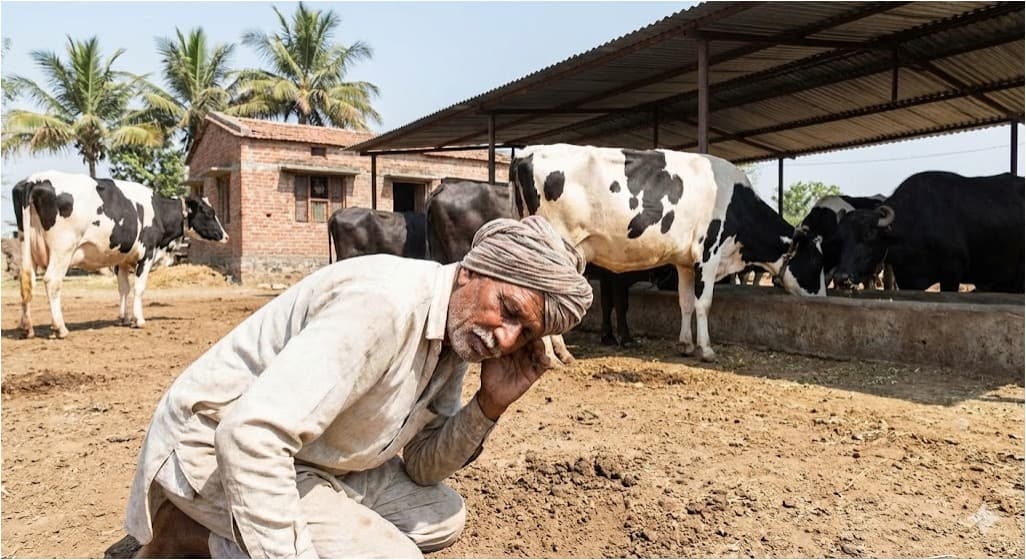
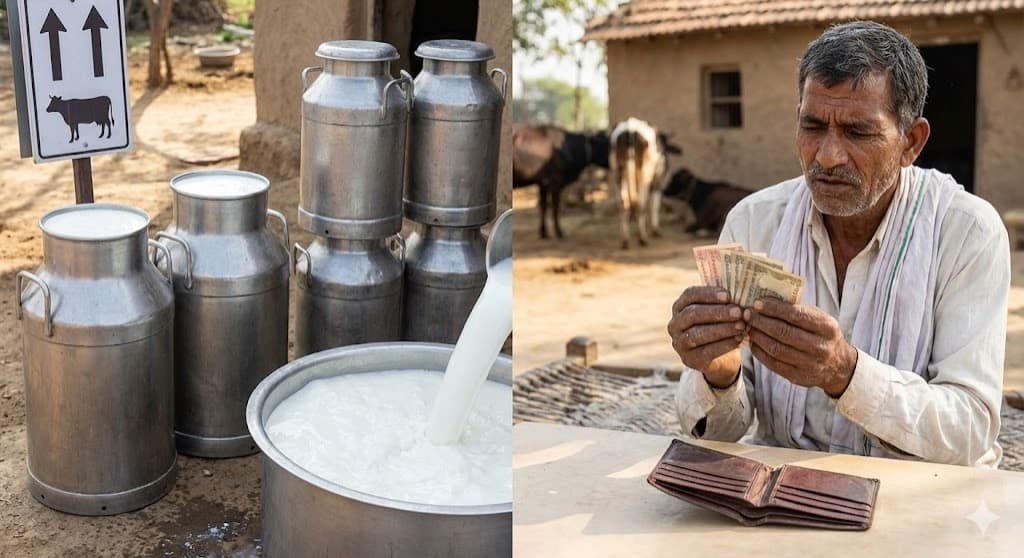
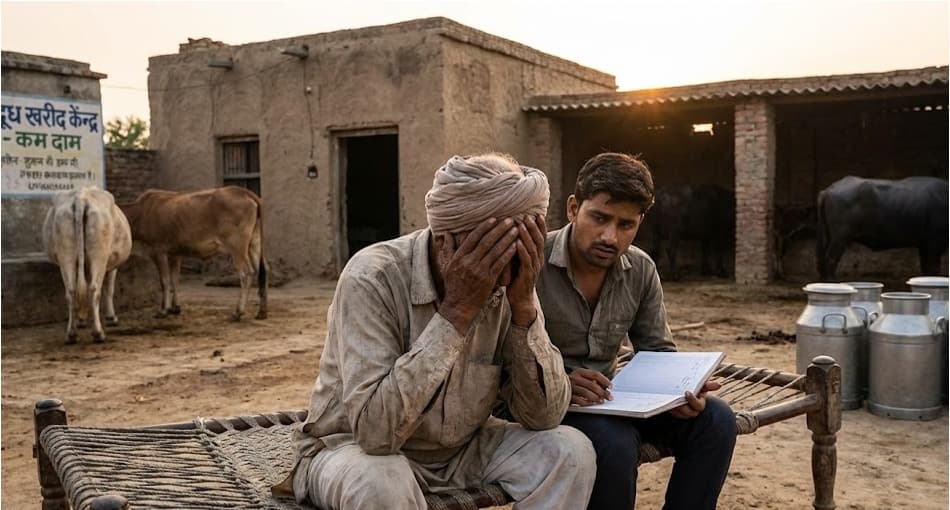
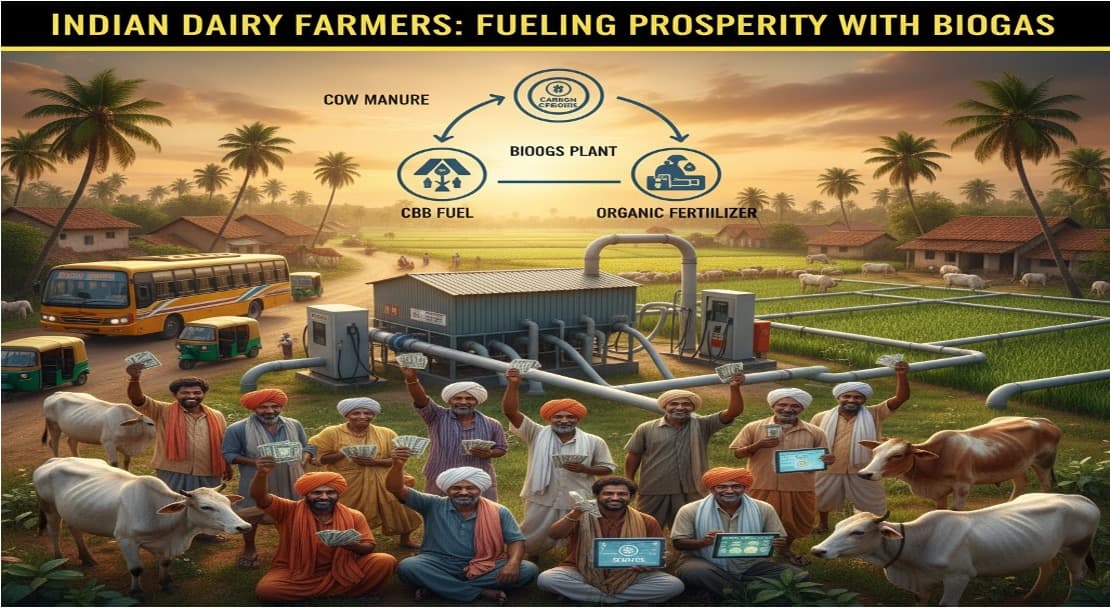
Scaling up rural investments will encourage farmers to diversify, increasing rural income, particularly in the rain-fed areas, where poverty remains high. Some agricultural sub-sectors have a particularly high potential for expansion, notably dairy. The livestock sector, primarily due to dairy, contributes over a quarter of agricultural GDP and is a source of income for 70% of India’s rural families, mostly those who are poor and headed by women.
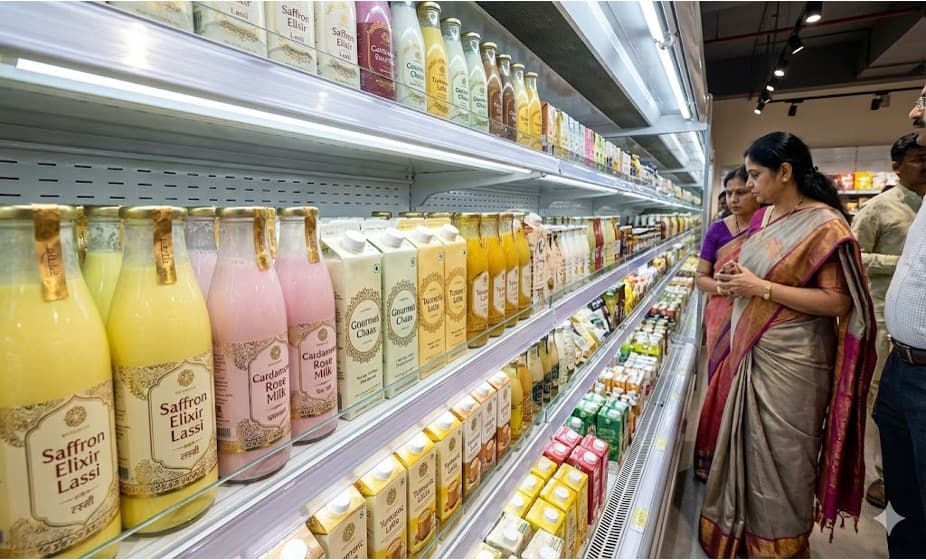
Growth in milk production, at about 4% per annum, has been brisk, but future domestic demand is expected to grow by at least 5% per annum. Milk production is constrained, however, by the poor genetic quality of cows, inadequate nutrients, inaccessible veterinary care, and other factors. A targeted programme in Start-Up India can tackle these constraints. Policymakers can strengthen rural entrepreneurs by promoting private sector investment in marketing, value chains and agro-processing to its full potential. This will promote diversification and minimise consumer prices.
Improve credibility of public policy
The new budget can change the growth agenda from promoting state-capitalism, or large tycoons, or engaging in huge direct interventions and overregulation by the government. It can scale up investments in rural infrastructure and provide an enabling environment for small rural entrepreneurs and agribusiness. India’s legacy of extensive government involvement in agricultural marketing in the past, or interventions by large tycoons in the future, will not succeed as it will restrict the access to large markets by small entrepreneurs.Subsidies on power, fertilisers and irrigation have progressively come to dominate government expenditures, and are now four-times larger than rural infrastructure investment. Reducing agricultural subsidies is often seen as a direct attack on farmers’ interests. States in India that once ended free power to farmers had underestimated the resulting political fallout, and they reintroduced free power when faced with the prospect of electoral defeat. This process need not repeat again, as scaling up investments will help them.
Policymakers can learn lessons from past reforms, and set aside partisan and ideological debates. A grassroots revolution will succeed only with the active participation of small rural entrepreneurs, especially poor women entrepreneurs. More than 70% of rural families, led by women, are still engaged in goat herding, Allowing large tycoons to buy directly from them will not solve their problem. India needs a grassroots revolution now to promote growth and social welfare. Policymakers need to recognise that India remains home to the largest number of malnourished people in the world, who live primarily in the rural areas and lagging regions.
Improve climate change agenda
India remains one of the most water and land-scarce country in the world. In the future, agriculture will not remain the largest user of water, as it will face increased competition in water usage from other sectors and domestic use. A solution is to scale up the focus on the climate change agenda, especially improving water efficiency (“grow more crop output with less water input”), in the next budget. Improving water efficiency is as important, if not more important, as improving energy efficiency.Water efficiency can be increased through scaling up piped conveyance, better farm management of water, and improved delivery mechanisms for irrigation (drip irrigation). Policymakers can also promote the role of community monitoring, in climate change agenda that has not yet been fully used. Irrigation and drainage departments also need to be modernised to integrate the participation of farmers and other agencies in managing irrigation water, improving cost recovery and rationalise public investments. These reforms are a must for making rural infrastructure investments a success story and promoting the climate change agenda.
Source : The Financial Express Jan 30,2021, By Ejaz GhaniThe author is Honorary Senior fellow at Pune International Center and former Lead Economist at The World Bank. Views are personal