



Budget 2023| With inflation fears less money in the hands of consumers
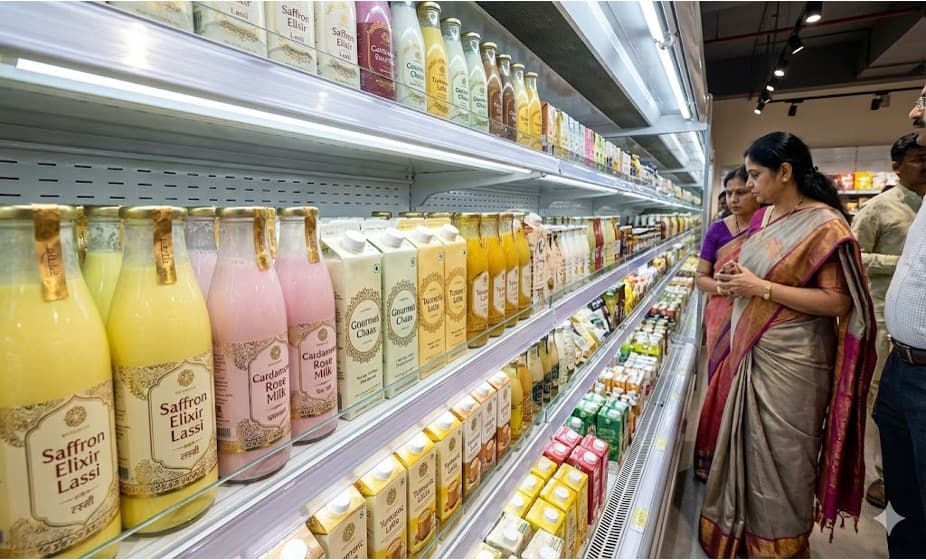
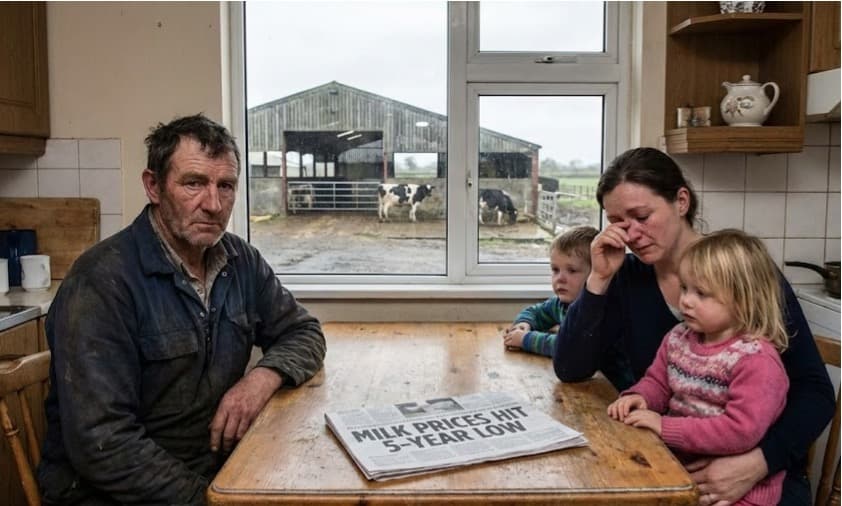
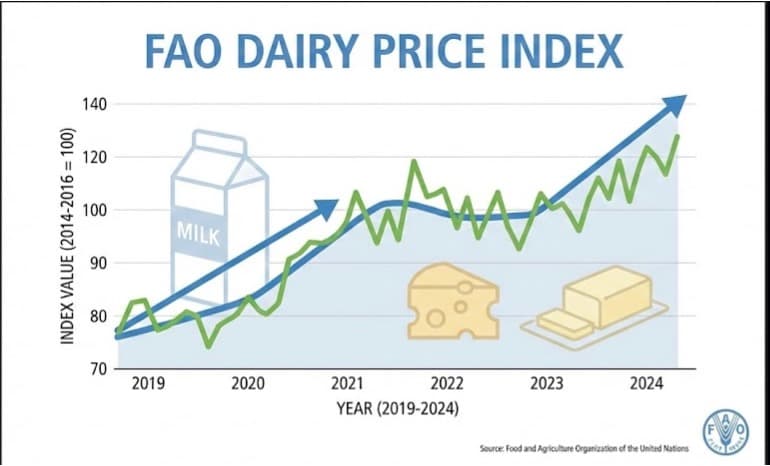
A consumer in Delhi now pays at least Rs. 8 more for a litre of packaged milk compared to the beginning of 2022 because of several price hikes by prominent milk brands Mother Dairy and Amul.
And while the smallest pack of Parle G biscuits still costs Rs 5, the weight of ingredients in the pack has been reduced over time to account for increasing input costs. Atta, or wheat flour, is now costlier by about 20% and the ubiquitous detergent brand Surf Excel has also increased 8-10% in price.
India’s Fast Moving Consumer Goods (FMCG) makers confronted twin challenges in 2022: subdued rural demand and inflationary woes. This meant that a bulk of the rural consumers resorted to downtrading — buying less quantity or cheaper brands — in some categories.
The Russia-Ukraine war led to an all-round spike in raw material costs and consumers have had to shell out more for almost all FMCG products as companies passed on a bulk of the price pressure.
Rural rules FMCG
Why is rural demand a key determinant of the fortunes of FMCG companies? Well, according to a recent presentation by Hindustan Unilever Ltd (HUL), only about one in three Indian consumers is classified as urban, though the per capita FMCG consumption of the urban consumer is thrice ($82) that of the rural consumer ($27).
So, while the premium ends of the market lie in large cities, the FMCG volume game is still played in the hinterland. And since per-capita FMCG consumption in rural markets is way behind urban markets, rural markets are where a lot of the future opportunities lie.
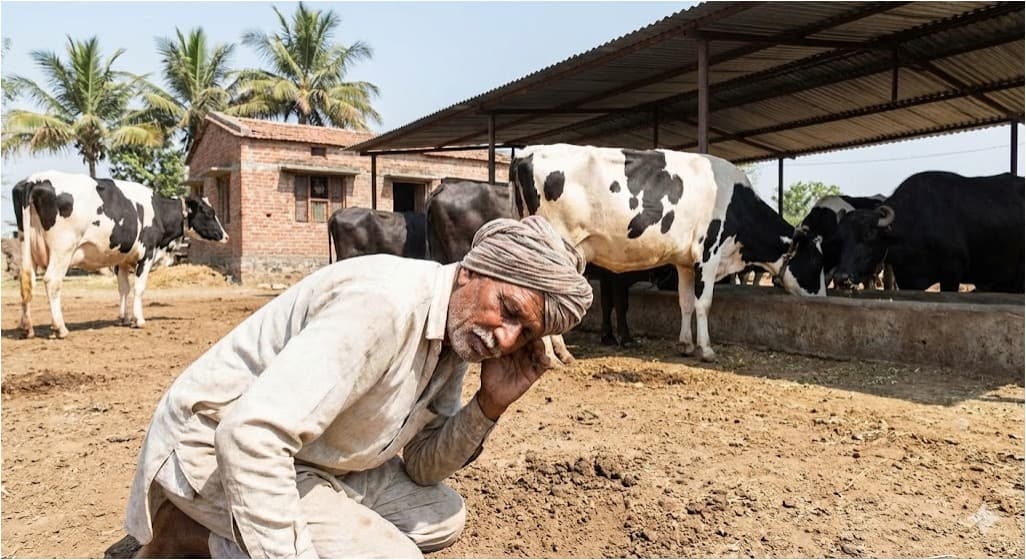
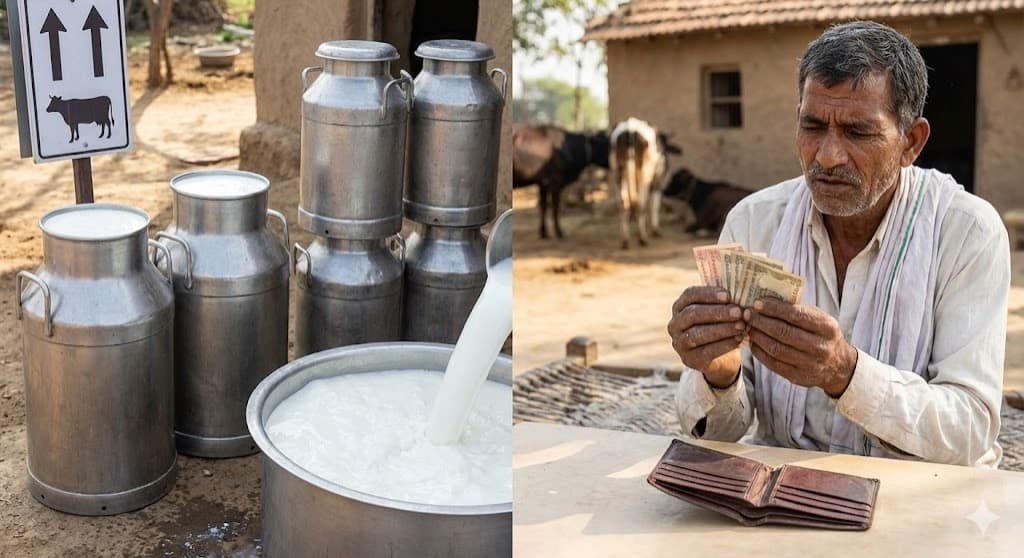
So the steep increase in input costs — fodder price rise led to pressure on milk producers, atta price hikes impacted biscuits and so on- forced the hand of FMCG companies.
Price hikes may have improved the toplines but also led to consumer downtrading, specially in personal and home care categories.
According to Crisil Ratings, the annual turnover of the FMCG industry is Rs 4.7 lakh crore. Food and beverages account for half of this and these categories are together expected to grow at a faster clip of 8-10% in FY23, compared to the personal care and home care segments where combined growth is likely to be 6-8%.
Overall, the FMCG topline is expected to grow 7-9% this fiscal year compared to with ~8.5% in the last, primarily driven by price hikes. But volume growth may be negligible at just 1-2% compared with 2.5% in the last fiscal year.
Crisil said that in FY24, however, growth of the FMCG sector would be driven by volumes as softening inflation would catalyse rural demand and urban demand will likely remain steady.
It is obvious then that the inflation print is the key factor impacting the industry’s fortunes in the remaining part of this fiscal as well as the next.
“The operating margin will see a 100-150 basis points moderation to 18-19% this fiscal on higher input costs (primarily wheat, milk, maize, rice, crude derivatives) and rise in selling and marketing expenses, despite price hikes undertaken by FMCG players over the last 4-5 quarters. However, softening in price of some raw materials, such as edible oil and sugar, will support profitability levels in the second half of the current fiscal. Next fiscal, operating margins should improve by 50-70 bps, considering better volume driven growth and coverage of costs, almost reaching pre-pandemic levels of ~20%,” Crisil said.
One basis point is one-hundredth of a percentage point.
Inflation hurts
Unlike Crisil and other forecasters, the Reserve Bank of India (RBI) has been more cautious in its inflation forecast. A statement after the December Monetary Policy Committee (MPC) meeting said the inflation trajectory going ahead would be shaped by both global and domestic factors.
“In the case of food, while vegetable prices are likely to see seasonal winter correction, prices of cereals and spices may stay elevated in the near-term on supply concerns. High feed costs could also keep inflation elevated in respect of milk.”
The RBI’s latest inflation forecast pegs it at 6.7 percent in 2022-23, with Q3 at 6.6 percent and Q4 at 5.9 percent and risks evenly balanced. This would likely keep FMCG companies concerned over input costs, retail prices elevated and rural demand muted for now.
Varun Berry, the Vice Chairman and Managing Director of Britannia Industries, said in post-results analyst call last month that wheat flour prices have jumped by 25%, industrial fuel was almost 40% and palm oil 10% more expensive year-on-year.
And the Chief Executive Officer of HUL, Sanjiv Mehta, had said after the Q2 results of his company that the FMCG market continued to remain “challenging” and volume growth continued to decline in the period, particularly in rural markets.
The company had also said that a slight decrease in the price of a key input material – vegetable oil – was expected in the December quarter. But a host of other inputs including milk and cereals remain elevated.
On the positive side, HUL cited the improved urban job market to say that rural migration and non-farm income will increase as a consequence and thus help with rural demand. Also, normal monsoons, extension of the foodgrain subsidy scheme by the Centre till the end of calendar 2022 and the government’s committed capex investment were expected to improve rural market sentiment.
Overall, companies such as Nestle that have lower dependence on the rural consumer have performed better than those which have a large chunk of the business in the hinterland. And HUL has been leading the market in premiumisation by driving its product portfolio towards premium products in the urban markets.
Budget expectations
The growth trajectory of the FMCG industry is closely linked with trends in consumption demand. When consumers have more money in their hands, discretionary spending increases as do sales of FMCG products.
In its pre-Budget expectations, the Confederation of Indian Industry (CII) has already asked the finance ministry to lower income tax rates to help revive consumption demand.
“The government should contemplate a reduction in the rates of personal income tax in its next push for reform as this would increase disposable incomes and revive the demand cycle,” CII president Sanjiv Bajaj said.
The industry is expecting the inflationary trends, which continue to plague key inputs, to gradually subside. Another demand is an increase in government spending on rural infrastructure to strengthen rural demand by increasing incomes.The PHD Chamber of Commerce and Industry has also pushed for an increase in consumption-led demand through a hike in per capita disposable income. This, the Chamber has said, can be achieved by increasing the tax rebate benefits for consumption expenditure and encouraging the consumer to spend more on long-term consumer durables or real assets, such as a shop or a second house.
Source : Money control Jan 3rd 2023