

Bringing Green Practices To The Dairy Industry In India : Dr K Rathnam
The dairy industry is evolving at a rapid pace these days and India is the world’s greatest milk producer, accounting for 22 percent of worldwide dairy production. It is also the single greatest agricultural product produced in the country, accounting for over 5 percent of the national GDP. With 70 million dairy farmers tied to this industry, it is evident that dairy is intrinsically tied to the country’s livelihood. In the past few years, the Indian dairy industry has received a tremendous boost through cutting-edge technology. These diverse advancements are intended to increase effectiveness in milk production, improve cattle management, increase profit of the dairy farms, and enhance productivity. Dr K Rathnam , the CEO of Milky Mist outlines more ways to incorporate and step towards technology-driven combined with sustainable development of the Indian dairy industry.
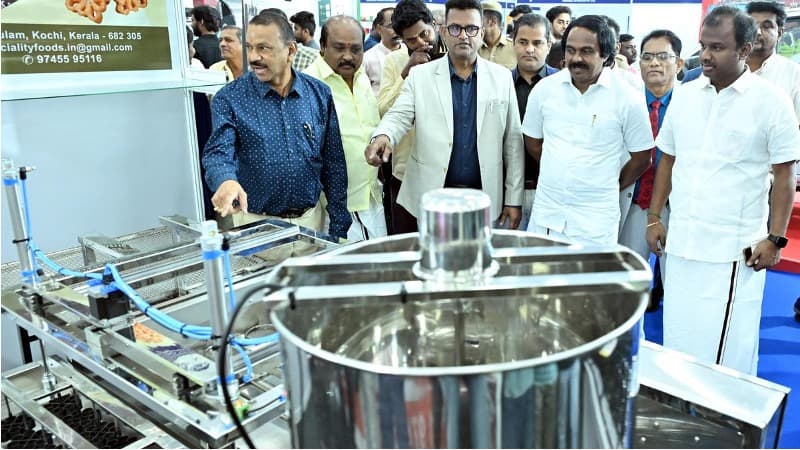
Newer technologies are rapidly being introduced to upgrade quality standards in the dairy industry, making it more efficient and productive. The majority of milk processes, such as room conditioning for milk products, packing, and cold storage for milk by-products, are managed by state-of-the-art machinery, which improves efficiency and quality.
However, all of these cutting-edge machines are powered by grid electricity, which uses a significant quantity of non-renewable energy sources, increasing greenhouse gas emissions. “Every business needs energy for its economic success, and the dairy industry is no exception. Energy is a non-renewable resource and us being dependent on it might result in its depletion. In order to confront the challenges of the current energy scenario, we need to conserve this resource. There is an urgent need to shift our focus towards green and clean energy. Fortunately, the dairy industry is one of few industries that can undergo change and adapt various green technologies,” says Dr. K Rathnam.
“A green planet is the greatest gift we can give to future generations,” believes Dr K Rathnam , CEO Milky Mist . In that light, under his guidance, Milky Mist has embraced the benefits of renewable energy and worked tirelessly to reduce carbon emissions. Every year, 1,99,306 trees are preserved as a result of our renewable energy methods, and approximately 4,340 tonnes of carbon dioxide emissions are cut down. In the surrounding property, Milky Mist has installed a state-of-the-art SPV solar photo voltaic power plant with a capacity of 4.0 MW. Recently, the company has also commissioned a 7 MW solar power plant in Kavilipalayam, Erode, cementing its position as a leader in environmental sustainability. Every year, the installation is estimated to save 30,000 tonnes of carbon emissions. Milky Mist has become the 1st Indian FMCG company to become 100 per cent self-sustainable
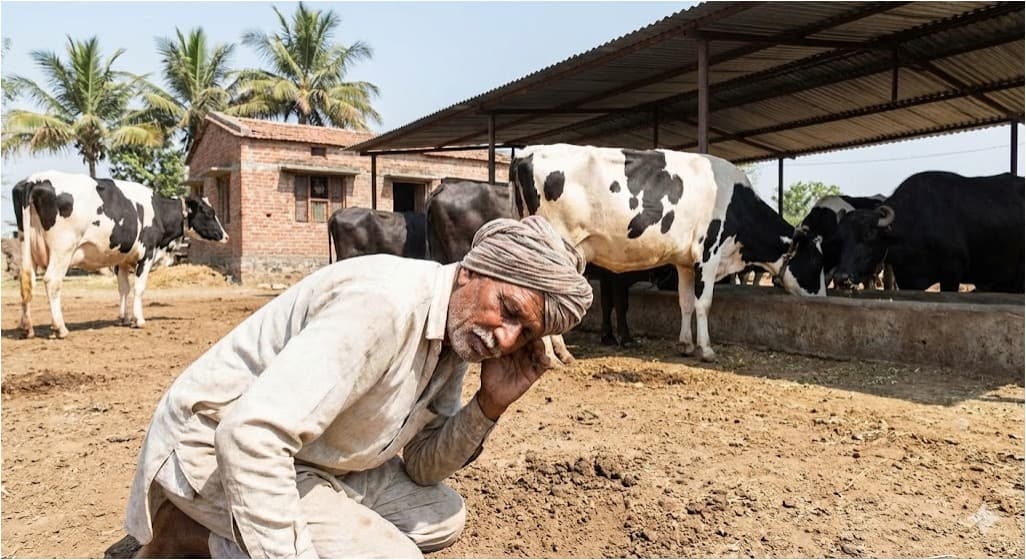
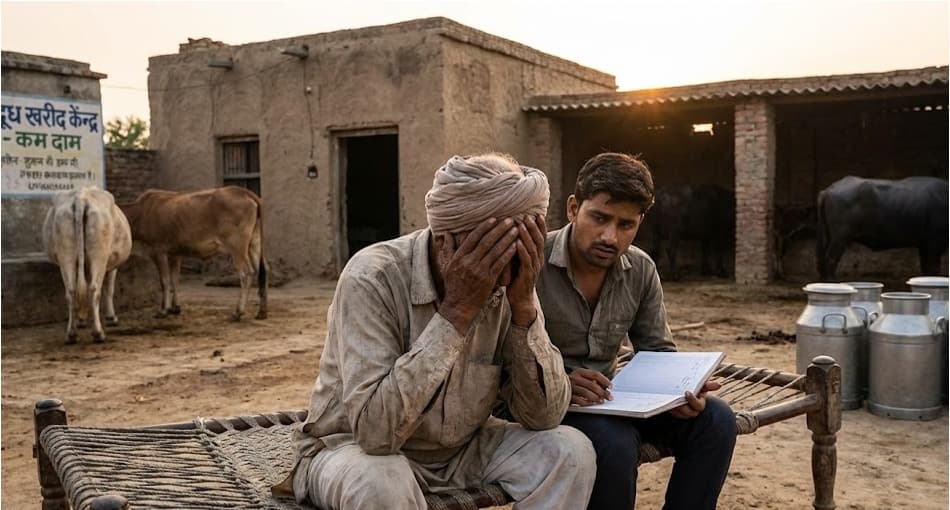
That being mentioned, Dr. K Rathnam says, “Everyone has to play their part in making our planet green. Even though we did ours, doesn’t mean our duty ends here.” He informs us that we have a huge dairy industry, powered by small farmers. These farmers are sole suppliers of milk in big firms. It becomes challenging for dairy farmers who supply to the large cooperatives to accord with such technologies. Thus, Dr. K Rathnam elaborates on some cost-efficient and inexpensive ways for small scale farmers of India.
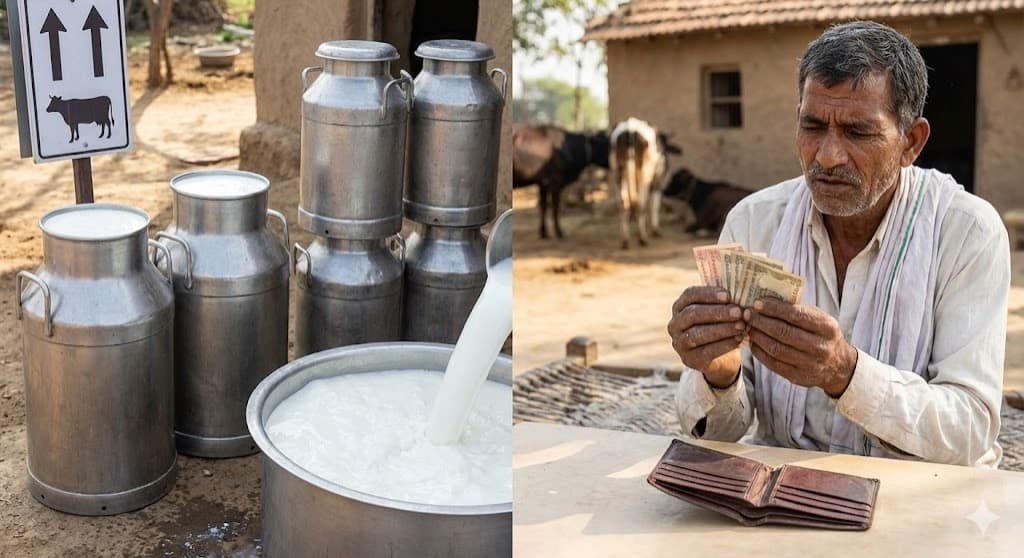
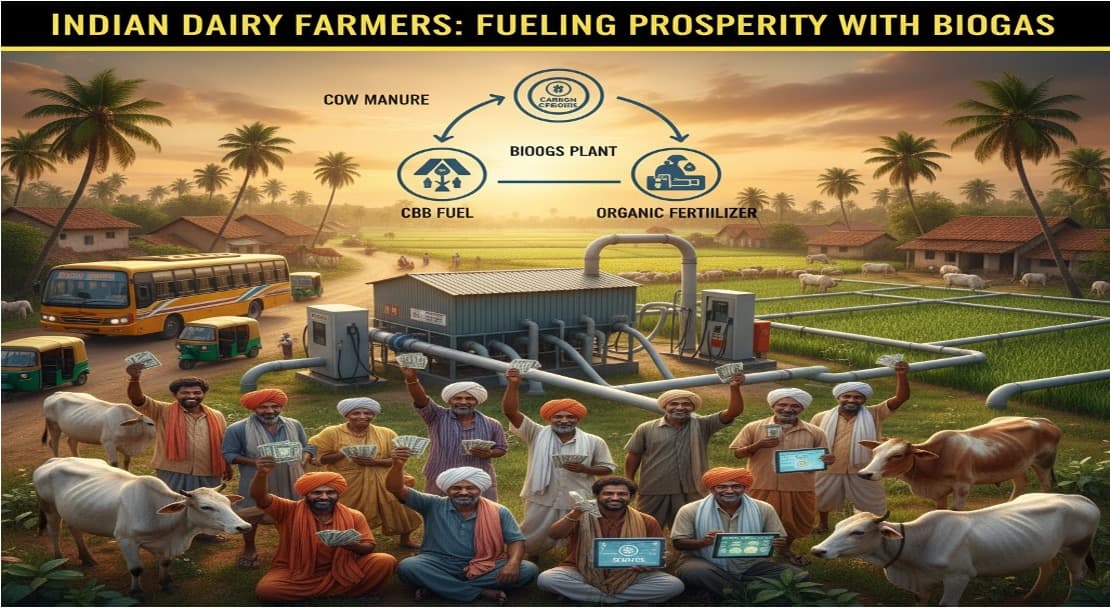
Dairy farmers can chill bulk-milk using a renewable energy device called a biogas milk chiller. More milk from rural dairy producers will be able to enter the cold chain, resulting in higher incomes. This solution lies in the hands of farmers and their cattle. Similarly, biogas, which is derived from cow manure, is used to power a refrigeration unit. There are various social, economic, and environmental advantages to this technique. Dairy farmers will benefit from refrigeration units since chilling reduces milk spoilage thus increasing the production and revenues because milk extracted in the evening by dairy farmers can be used the next day. This method not only increases the milk sales but also tackle the problem of storage.
Another efficient method that can be incorporated by small-scale dairy farmers is solar-powered cooling or refrigeration. It is a method of converting sunlight into cooling that can be used for refrigeration and air conditioning. For instance, a solar cooling system can provide chilled water or air conditioning for places to store milk, by absorbing solar energy and converting it to a heat driven cooling process.
It is important to remember that milk may exceed the maximum bacterial count after two to five hours in hot weather. In humid countries like India, milk has a high tendency to muck up during the hottest months of the year. This may result in rejection at collection centres or dairy plants. In this case, adopting a bulk milk chilling system is the best way to safeguard the quality of milk. This allows flexible use of milk, depending on the cooling requirements, increasing the life of fresh milk.
Therefore, the crux of the problem is in developing the right combination of eco-friendly ways or adapting to the already existing ones in the dairy value chain.