

Blaming Dairy sector for climate change is unfair to millions of farmers
India’s dairy industry has lately come under fire from animal rights activists and the plant-based beverage industry on social media and other platforms.
Usually, these negative campaigns are used to promote plant-based beverages as alternative milk. False claims about the dairy businesses’ cruelty to animals, the toxicity involving milk consumption, and so on aim to polarise milk consumers and generate a false buzz about the dairy industry. Milk and milk products have been regarded as part of the vegetarian diet in our society since time immemorial. Besides, milking neither harms the animal nor its offspring.
The rationale for this damaging PR is to target India’s massive dairy market. Since 1998, India has been the world leader in milk production and consumption. This negative publicity erodes the dairy industry and polarizes milk consumers, particularly the young.
Role of social media
Within a short period of time, social media has expanded at an exponential rate.Today’s society values attention in the form of likes, shares, subscriptions, and views. These metrics, apart from social rewards, also generate revenue. According to the We Are Social & Hootsuite study, India had 448.0 million social media users in January 2021, accounting for 32.3 per cent of the Indian population.
Social media users rose by 21 per cent between 2020 and 2021, with 92 per cent being in the 18-34 age-group.
On average, Indians spend two-and-a-half hours on social media daily. Despite tightening regulations, fake news is shared freely. As a result, the so-called animal lovers and those who wish to promote plant-based beverages as milk replacers challenge the dairy business by labelling them cruel, harmful, etc.
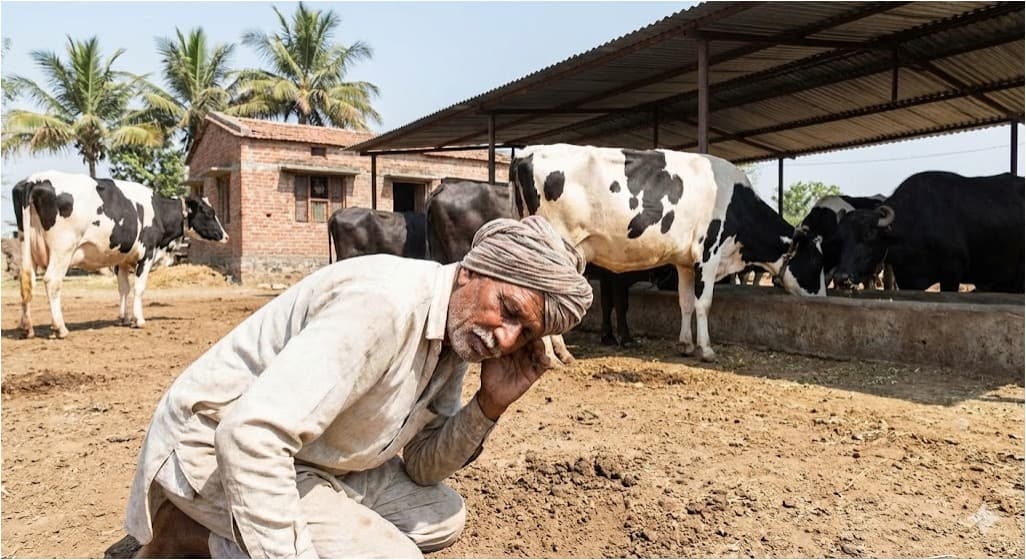
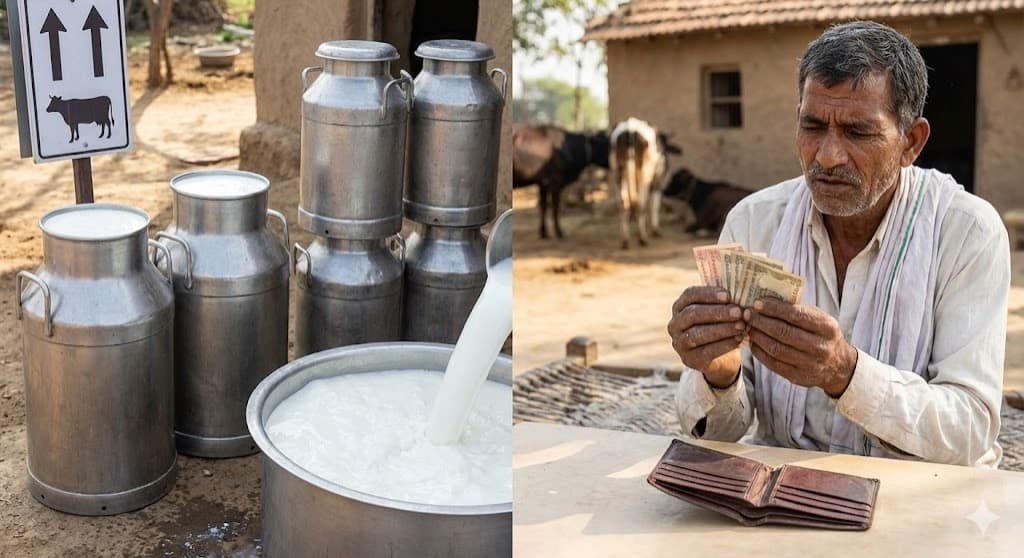
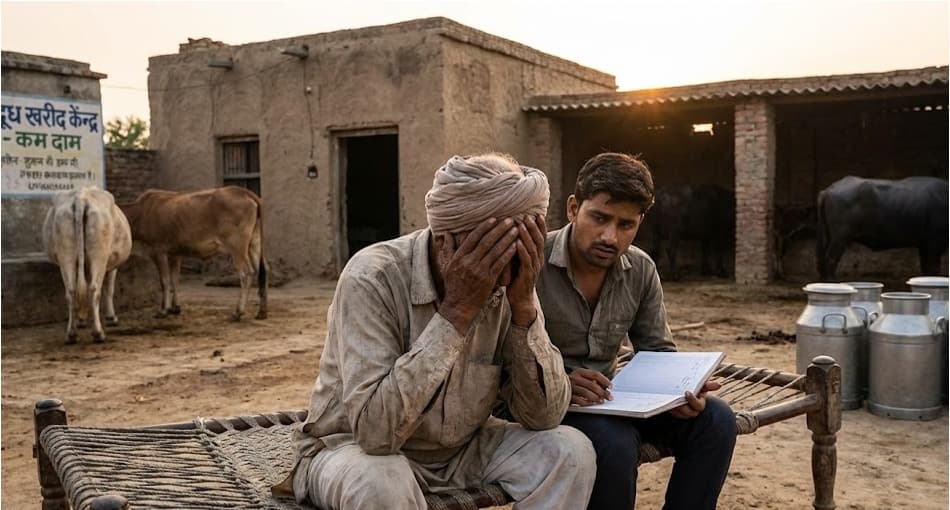
It stands to reason that the dairy sector needs to respond to safeguard the interests of 100 million dairy producers. Besides, the general public needs to comprehend the Indian dairy industry’s ecosystem. The Indian dairy sector is distinct from that of western countries. Around 100 million dairy farmers are milk producers. Of these, 70 per cent are marginal, whose livelihoods depend solely on dairying.
In India, demonising dairy will lead to destroying the livelihoods of millions of dairy farmers. Dairy is critical for reducing poverty, improving health, gender equality, economic growth, and job creation. Therefore, such false claims about the dairy sector on social media are unacceptable.
The Indian dairy cooperative system needs to be commended for weathering the Covid storm well. During the most stringent of lockdowns, dairy farmers ceaselessly delivered supplies. Defying innumerable challenges, including social media victimisation, the Indian dairy sector remained firm in assisting its farmers.
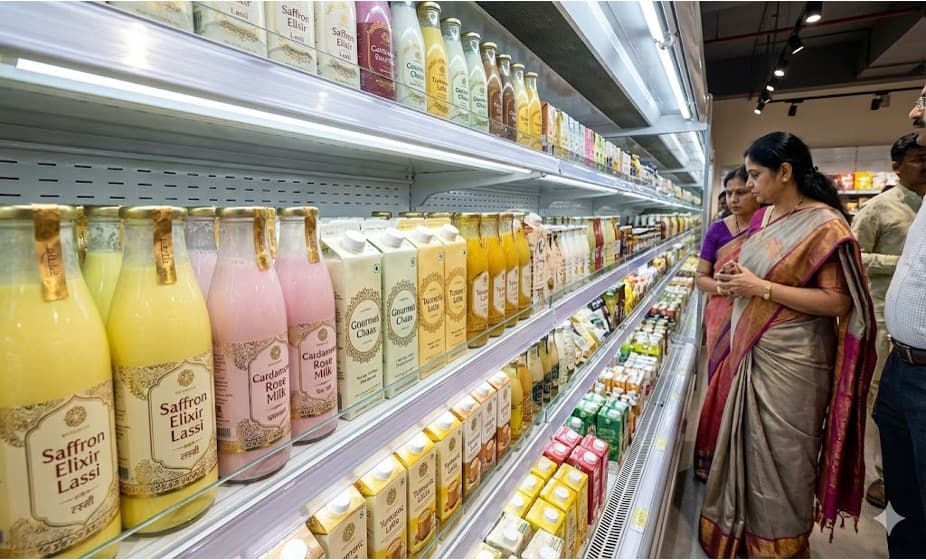
Attacking the dairy industry requires nil effort while claiming a product as an alternative to dairy goods is simple. Plant-based beverages that utilise the term “milk” can attract more consumers with free PR. Recently, dairy producers in Australia campaigned against the labelling of plant-based drinks as “milk”.
The effort to demonstrate that “dairy is cruel” was mainly conducted through social media in developed nations and later followed in India. Unlike in western countries, the average herd size per household is 2-3 animals in India. Also we treat animals like family members. The milk is first given to the calf, then utilised for household consumption while the surplus is sold to the market. If the animal is not milked, it may die! If milking animals do not harm them, how does that amount to cruelty? Even non-lactating animals are cared for throughout their lives.
The environment angle
Assigning a larger share of the blame for climate change to the dairy industry is unfair. Carbon dioxide emissions from fossil fuel combustion must bear a disproportionately greater responsibility since they have a longer-lasting impact on the environment than methane emissions, which have a short-term effect.According to Climate Watch’s study on sector-specific GHG emissions (2020), the energy sector is responsible for 73.2 per cent of GHG emitted to the environment, followed by direct industrial process (5.2 per cent), waste (3.2 per cent), and agriculture, forestry and land use (18.4 per cent). Out of 18.4 per cent of agriculture, forestry, and land use, total livestock and manure account for 5.8 per cent of GHG. Hence it is speculative to assert that dairy is more responsible for climate change without first assessing its impact on human health.
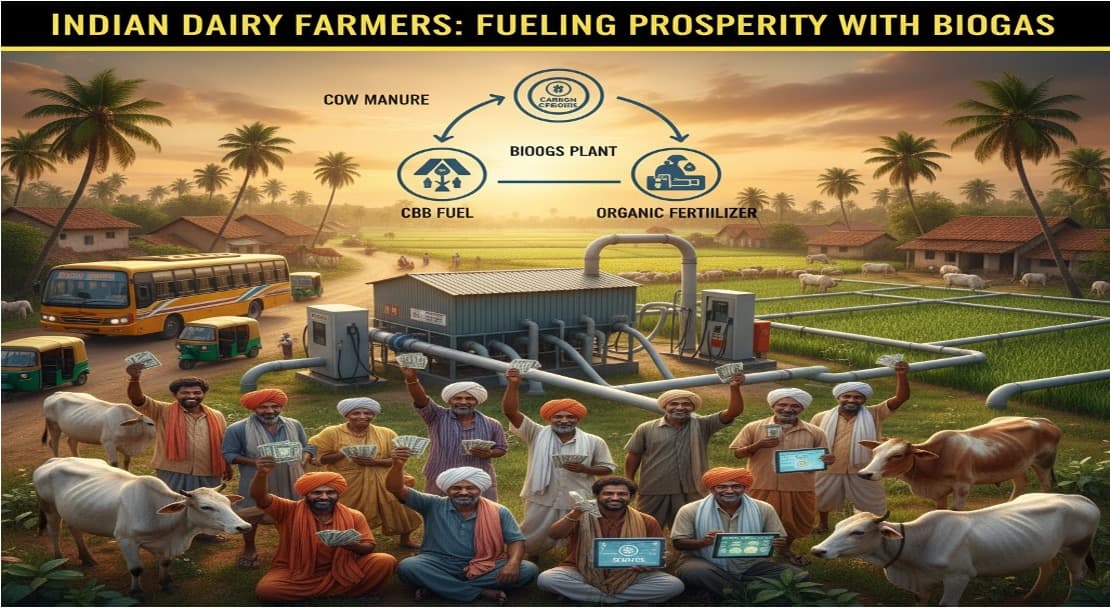
Besides, researchers are examining ways of decreasing GHG emissions. Studies show that proper ration balancing increases milk productivity while substantially lowering GHG emissions. Dairy animal dung is treated to extract methane gas, which is then utilised as a fuel for cooking, power production, and other purposes. It is now transformed into CNG, which may in the future replace fossil fuels.
The FAO acknowledges human and animal health interdependence, estimating that more than 70 per cent of extra animal protein would be needed to feed the world by 2050. According to the International Livestock Research Institute (ILRI), the livestock sector in developing nations accounts for up to 80 per cent of agricultural GDP, with 600 million rural people relying on it.
FAO acknowledges livestock’s contribution to SDGs. In terms of value, milk is the most important produce in India. It is worth about ₹8.7 lakh crore, accounting for 5.1 per cent of overall Gross value addition (GVA) and 30 per cent of agricultural GVA. The milk business is based in rural India and is dominated by cooperatives. Referred to as a ‘near-complete food’, no product provides a higher level of nutrients than milk. Milk is a natural product, while plant-based products are synthetic. Undoubtedly, there is no comparison between milk and plant-based drinks. The latter are allowed to advertise, but not by using the brand equity of the term “milk”.
The dairy industry needs to start sensitising the public about the benefits of dairy. It needs to promote dairy and its health benefits on social media. Society must note that dairy is the only source of animal protein and natural B complex vitamins for the vegetarian population. Vegans have now begun comprehending the nutritional deficiencies they are faced with. Last but not least, defamation of dairy and its products needs to be addressed by the government and food safety authorities.