
Logo
IndianGlobalBlogsPublicationsPodcastsMarketAboutContact
Logo
IndianGlobalBlogsPublicationsPodcasts
7News
TN Minister Urges Farmers to Adopt Tech for Value Addition in DairyListen to the Farm, Not the Farmer—The New Productivity LensWhat’s Driving Change In Beverages, FMCG And Dairy in 2025ED begins money laundering probe in dairy investment fraud caseIndo-Brazil pact aims to boost cattle genetics and dairy yield

Indian Dairy News

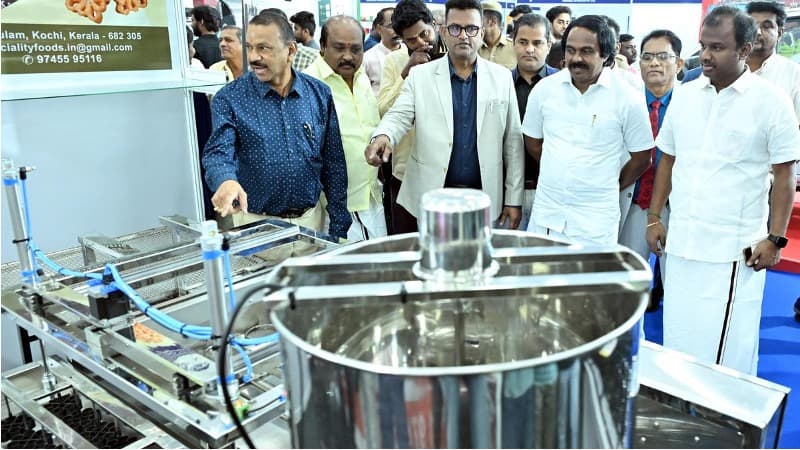
TN Minister Urges Farmers to Adopt Tech for Value Addition in Dairy
Dec 12, 2025

TN Minister Urges Farmers to Adopt Tech for Value Addition in Dairy

In Coimbatore this week, Tamil Nadu’s Minister for Milk and Dairy Development, Mano Thangaraj, called on dairy farmers to embrace modern technologies to boost productivity and value addition across th...Read More

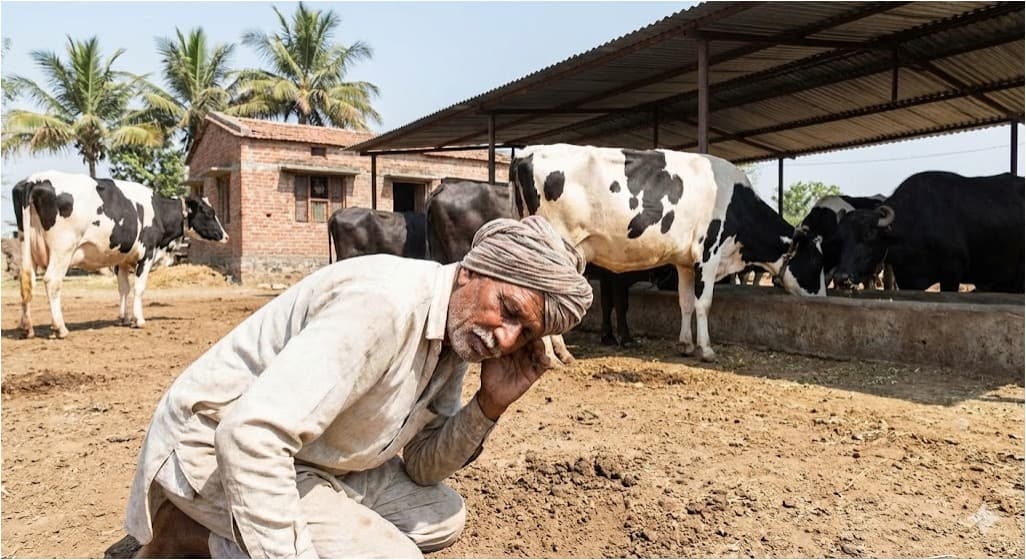
Listen to the Farm, Not the Farmer—The New Productivity Lens
Dec 12, 2025

Listen to the Farm, Not the Farmer—The New Productivity Lens

India’s dairy sector, valued at nearly $30 billion, has reached a point where incremental changes will not deliver the next breakthrough. For decades, improvement programs have focused on what farmers...Read More

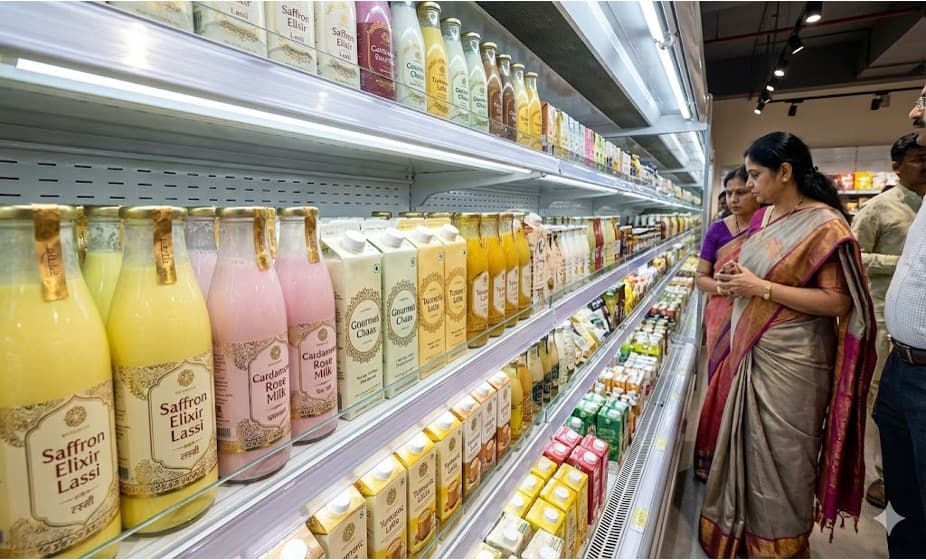
What’s Driving Change In Beverages, FMCG And Dairy in 2025
Dec 12, 2025

What’s Driving Change In Beverages, FMCG And Dairy in 2025

India’s retail landscape in 2025 was marked by a decisive shift in how consumers choose, consume and connect with brands. From beverages to daily nutrition and even the most essential dairy products,...Read More

Latest Blogs

See More
More Milk, Less Money: India’s Dairy Crisis
Dec 01, 2025

More Milk, Less Money: India’s Dairy Crisis

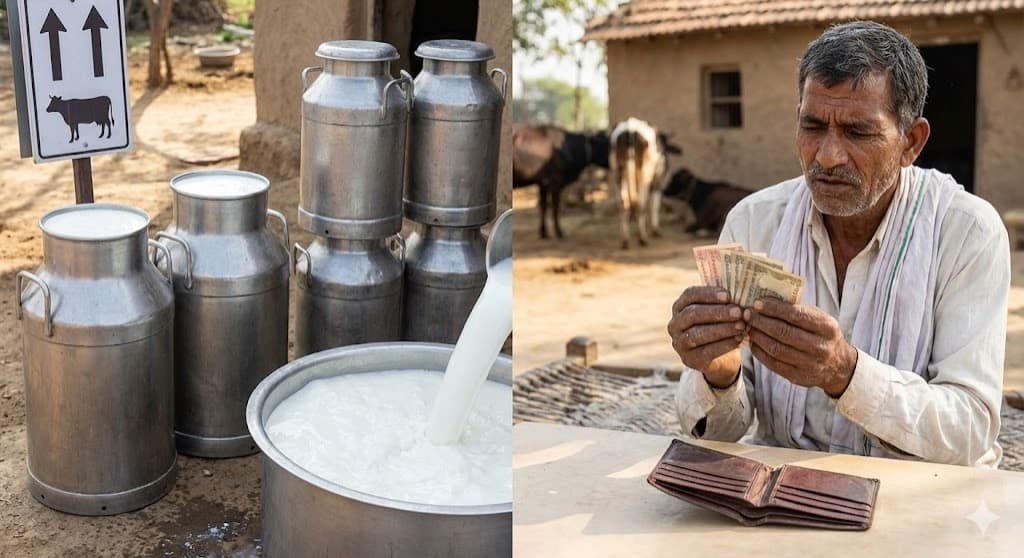
With the release of the BAHS 2025 summary report, I felt compelled to deep dive into its findings and reflect on the real progress and challenges facing India’s dairy sector. Over the last six years,...Read More

India Milk Prices: Cost Shock and Procurement Pressure
Nov 28, 2025

India Milk Prices: Cost Shock and Procurement Pressure

Milk prices in India face upward pressure as rising feed costs and procurement hikes reshape farm economics. Insight on dairy procurement, feed costs, and market outlook. Official government and coope...Read More

Stop Blaming, Start Claiming: Livestock’s Carbon Credit Future
Nov 16, 2025

Stop Blaming, Start Claiming: Livestock’s Carbon Credit Future

This week, I had the opportunity to attend an Agri Carbon Masterclass conducted by CII FACE. The deliberations, case studies, and discussions presented during the session were both insightful and thou...Read More

India Powers the Gulf’s Dairy Revolution -Gulf Food 2025
Oct 31, 2025

India Powers the Gulf’s Dairy Revolution -Gulf Food 2025

As Gulf Food Manufacturing prepares to open its doors from November 4–6 in Dubai, Indian dairy product and equipment manufacturers have a unique opportunity to explore one of the most promising region...Read More

Global Dairy News

Why the global milk business needs a structural shake-up
Dec 08, 2025

Why the global milk business needs a structural shake-up

The New Zealand dairy stalwart Fonterra has sold its consumer dairy-brands (milk, butter, cheese) — including “Anchor” and “Mainland Cheese” — to French agribusiness giant Lactalis in late October 202...Read More

Raw-milk prices in Europe hit 5-yr low; ripple effect looms
Dec 07, 2025

Raw-milk prices in Europe hit 5-yr low; ripple effect looms

European raw-milk prices have plunged to their lowest in five years, as oversupply and weak demand weigh on dairy markets across the region. According to recent data from DCA Market Intelligence B.V.,...Read More

Global food prices ease; FAO dairy index slips — impact looms
Dec 06, 2025

Global food prices ease; FAO dairy index slips — impact looms

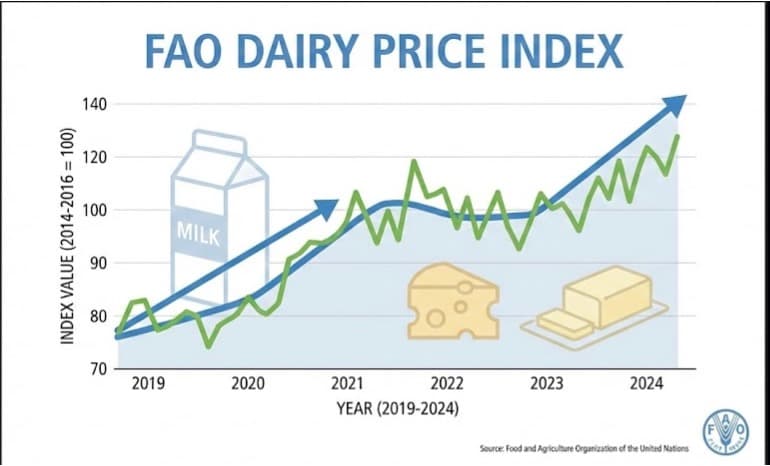
The FAO Dairy Price Index averaged 137.5 points in November, down 4.4 points (3.1 percent) from October and 2.4 points (1.7 percent) from its value a year ago. International dairy prices fell for the...Read More

Dairy News 7x7

Your trusted source for all the latest dairy industry news, market insights, and trending topics.

FOLLOW US
CATEGORIES
  • Global News
  • Indian News
  • Blogs
  • Publications
  • Podcasts
SUBSCRIBE TO OUR NEWSLETTER

Stay informed with the latest updates and trending news in the dairy industry.

No spam, unsubscribe at any time

GET IN TOUCH
C-49, C Block, Sector 65,
Noida, UP 201307
+91 7827405029dairynews7x7@gmail.com

© 2025 Dairy News 7x7. All Rights Reserved.

Terms of ServicePrivacy Policy

Ancient carbon trick could reduce dairy emissions by 84%

By DairyNews7x7•Published on December 07, 2022

Biochar has been used by farmers around the world for millennia – but it could offer a way for dairies to reduce their problematic carbon emissions.

Biochar is a charcoal-like substance which is produced by burning vegetable matter in a controlled process called pyrolysis which releases little to no fumes.

Biochar captures carbon into a stable form that can’t easily escape into the atmosphere.

New research has shown that adding biochar to a dairy’s manure-composting process reduces methane emissions by up to 84%, according to a study by University of California, Merced.

Scientists believe that biochar – commonly used by gardeners – could be an important way to stop gases such as CO2 being released from soil, according to the World Economic Forum.

Life and environmental sciences professor Rebecca Ryals said: “This is a wonderful example of an untapped climate solution.”

“Biochar reduces pollutant emissions from open burning of biomass and methane emissions from decaying biomass.”

“Composting the solid manure isn’t common practice, but if we go from stockpiling to composting, now we’ve gone from a carbon source to a carbon sink.

“Composting in and of itself is a very climate-beneficial practice. And you can basically double your impact by adding a little bit of biochar into that compost.”

In California, where the study took place, dairy manure is one of the largest sources of organic waste.

Farmers flush the waste from their barns and the liquids go into large, uncovered ponds, while the solids are piled up.

Sometimes farmers cover the ponds to capture methane gases, which are fed into generators and burned to produce electricity.

Fourth-year graduate student Brendan Harrison said, “It’s actually a pretty good way to reduce methane emissions, given the technologies that are currently available.”

“But what it leaves out are all the solids, which is a problem because basically they either spread it on adjacent fields just to get rid of it or they store it in big mounds.

“You can see them when you go past a dairy, covered with white plastic held down with tires. They can build up so much heat they spontaneously catch fire.”

The study looked at composting the manure with biochar instead of stockpiling it.

Mechanical engineering professor Gerardo Diazio said that biochar also improves the composted manure so that it makes a better fertiliser for farmers to use on other parts of their land.

“We were looking at how to reduce emissions but also how to provide some benefit to the community, especially underserved communities,” Diaz said.

“We looked at the possibility of developing a mobile unit that we could take to different sites to process some of the material there.”

The study suggested small farmers would be able to use the improved fertiliser on their own farms to increase yield or sell it to others who need it.

Swipe to continue reading

Previous Article

Next Article