

Akshayakalpa Organic to focus on Chennai, Bengaluru, Hyderabad
The company has begun working with a cluster of farmers near Hyderabad, says co-founder and CEO Shashi Kumar
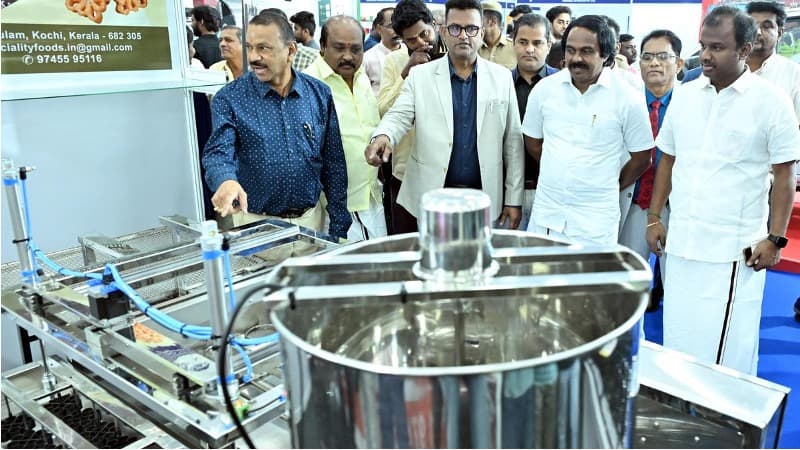
Akshayakalpa Organic, India’s first certified organic dairy enterprise, will focus on Bengaluru, Chennai and Hyderabad as its production is focused on these three cities, its co-founder and CEO Shashi Kumar has said. “We are working on a cluster in Telangana to supply the Hyderabad market. So for next 2-3 years, our focus will be on these three cities,” he told businessline in an online interaction.Akshayakalpa is working with a cluster of 50 farmers in Rangareddy and Mahabubnagar districts. “We began six months ago. It will take some four years to begin organic milk production with these farmers who we are training,” said Kumar, who had worked with Wipro Technologies before he ventured into this in 2010.
Started with 50 farmers
The organic milk firm is working with 1,200 farmers, mainly in two clusters. One is in Tiptur in Karnataka’s Tumakuru district. The other is in Pooriyambakkam village in Tamil Nadu’s Chengalpattu district.Akshyakalpa Organic co-founder and CEO Shashi Kumar
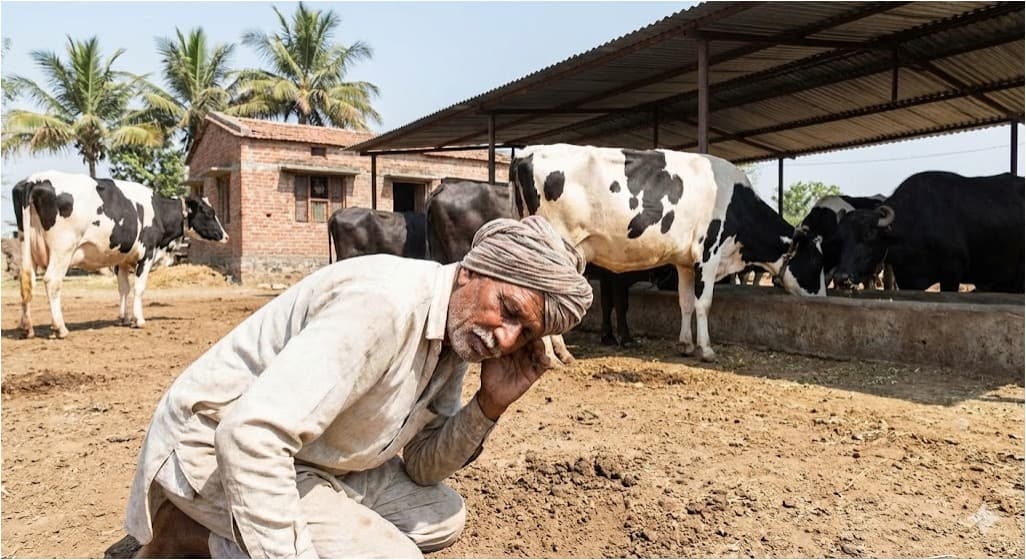
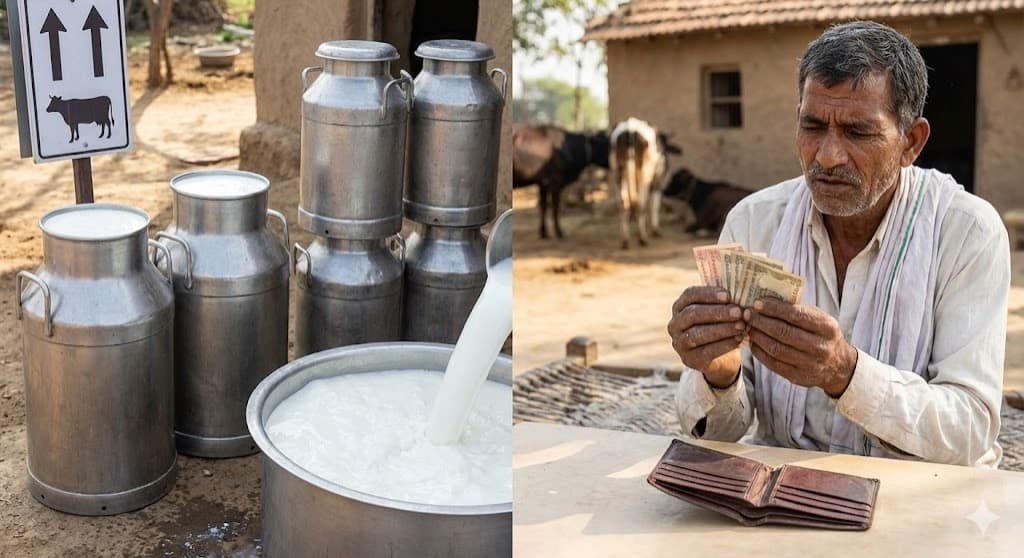
What has encouraged farmers to join the company’s cluster is that when they joined they were earning about ₹10,000 a month. “We have taken it to close to ₹1,00,000 a month now. People who started with us during 2011-15 are earning higher, up to ₹1.5 lakh. But on average, farmers in a village earn ₹1,00,000 a month,” said the Akshayakalpa co-founder and CEO.
Making smallholder farming viable
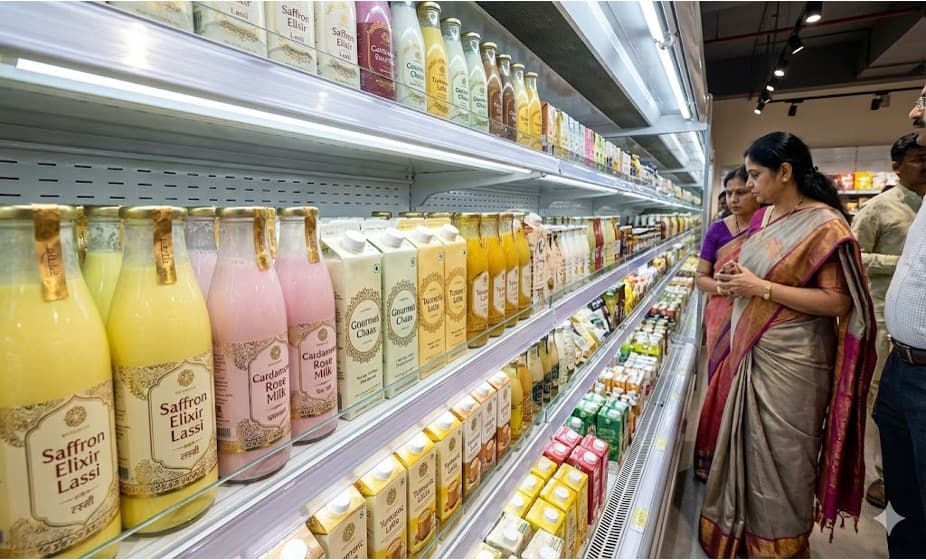
The company has come out with an app to sell its products, besides through retail outlets. Akshayakalpa offers organic milk, curd, butter, cheese, paneer, buttermilk and ghee. Apart from these, it offers honey, greens, vegetables, fruits, tender coconuts and bananas — all from the same organic farms.Daily, Akshayakalpa produces 1.1 lakh litres of milk from its 1,200 farms and, Kumar says, all get sold off. The company has around 1.5 lakh customers in the three cities and plans to grow 20-30 per cent year-on-year. “Our monthly sales turnover is ₹30 crore currently,” he said.
One of the objectives of launching Akshayakalpa was to make smallholder farming viable. “We primarily focus on organic dairy and soil management using dairy as a mechanism. Dairy enables regular cash flows to the farmer.
“Using dung, we are doing huge manure-making systems in each farm for soil management. We do edging, bunding, trenching, tree integration, drying, and water harvesting on farms,” said Kumar.
Various challenges
Akshayakalpa also integrates poultry with dairying including beekeeping, greens and vegetables, coconut and fruits in the same farm.Stating that awareness about organic farming is increasing, particularly after the pandemic, he said it had been there all along.
On working with farmers, the Akshayakalpa Organic co-founder and CEO said initially, it tells them what changes are required. It looks at from where the manure comes and how the cows are managed. “It takes 3 years to make the change. Post that, the farms can be declared organic. This is a process put in place through the National Programme on Organic Production. It is administered by certifying bodies,” he said.
On the challenges of organic farming, he said it is more in terms of support structures. “At the initial migration stage, there are some challenges. When you are moving from a conventional system to an organic system, there is a management change which has an impact on the yield. So how do you support farmers in the transition? It’s very important,” said Kumar.
Manure-making system
In the conventional system, the manure is subsidised to a certain extent. However, in organic farming, farmers should make their manure and build their farms around that.The second biggest challenge is that there are not many examples that farmers can follow. “For example, if you say don’t spray, what is the alternative to spray? No external manure is allowed. So everything needs to be taught from scratch,” said Kumar.
Akshaykalpa Organic system has built a huge manure-making system on every farm so that external inputs can be cut off. “This is the primary reason we are doing dairy to make farm sustainable. And second intervention, what we do is rainwater management funding and trenching,” he said.
Hedge cropping and rainwater harvesting are carried out in these organic farms. Diversity should be allowed in the farms, while the company does a little bit of backyard poultry for chicken poop.
Cutting external inputs
The poultry produces eggs and a bit of banana on the farms also helps in income. And also it produces some eggs, a little bit of a banana. It also solves some income issues and also greens and vegetables and existing cropping systems.“We are doing dairy at a scale because it solves the fundamental problem of an organic system that is cutting external inputs from coming from outside,” said the company’s co-founder and CEO.
Feed and fodder for cows have to be grown on the farms. Feeding the animals with concentrate feed should be stopped and the transition takes around 2-3 years.
Though the yield of the cows is substantially lower than compared to cattle brought through the conventional system, he said farmers will make up this through higher pricing of organic milk.