Logo
IndianGlobalBlogsPublicationsPodcastsMarketAboutContact
Logo
IndianGlobalBlogsPublicationsPodcasts
7News
TN Minister Urges Farmers to Adopt Tech for Value Addition in DairyListen to the Farm, Not the Farmer—The New Productivity LensWhat’s Driving Change In Beverages, FMCG And Dairy in 2025ED begins money laundering probe in dairy investment fraud caseIndo-Brazil pact aims to boost cattle genetics and dairy yield

Indian Dairy News

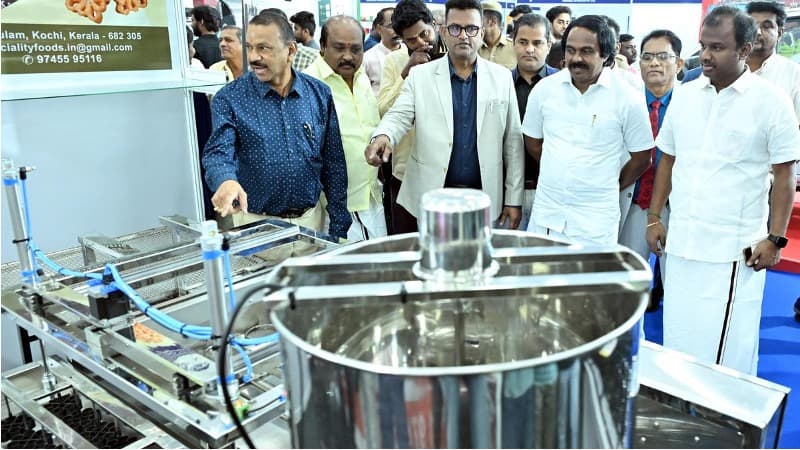
TN Minister Urges Farmers to Adopt Tech for Value Addition in Dairy
Dec 12, 2025

TN Minister Urges Farmers to Adopt Tech for Value Addition in Dairy

In Coimbatore this week, Tamil Nadu’s Minister for Milk and Dairy Development, Mano Thangaraj, called on dairy farmers to embrace modern technologies to boost productivity and value addition across th...Read More

Listen to the Farm, Not the Farmer—The New Productivity Lens
Dec 12, 2025

Listen to the Farm, Not the Farmer—The New Productivity Lens

India’s dairy sector, valued at nearly $30 billion, has reached a point where incremental changes will not deliver the next breakthrough. For decades, improvement programs have focused on what farmers...Read More

What’s Driving Change In Beverages, FMCG And Dairy in 2025
Dec 12, 2025

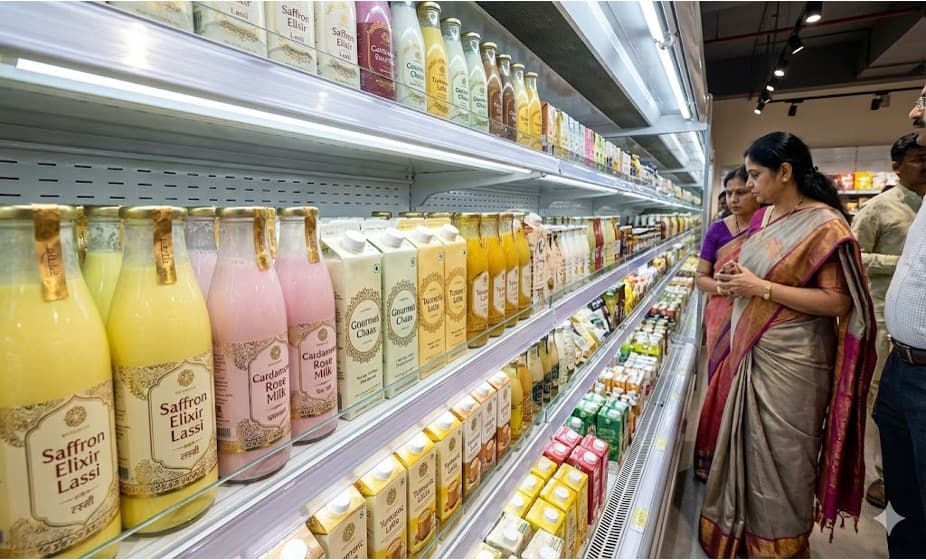
What’s Driving Change In Beverages, FMCG And Dairy in 2025

India’s retail landscape in 2025 was marked by a decisive shift in how consumers choose, consume and connect with brands. From beverages to daily nutrition and even the most essential dairy products,...Read More

Latest Blogs

See More
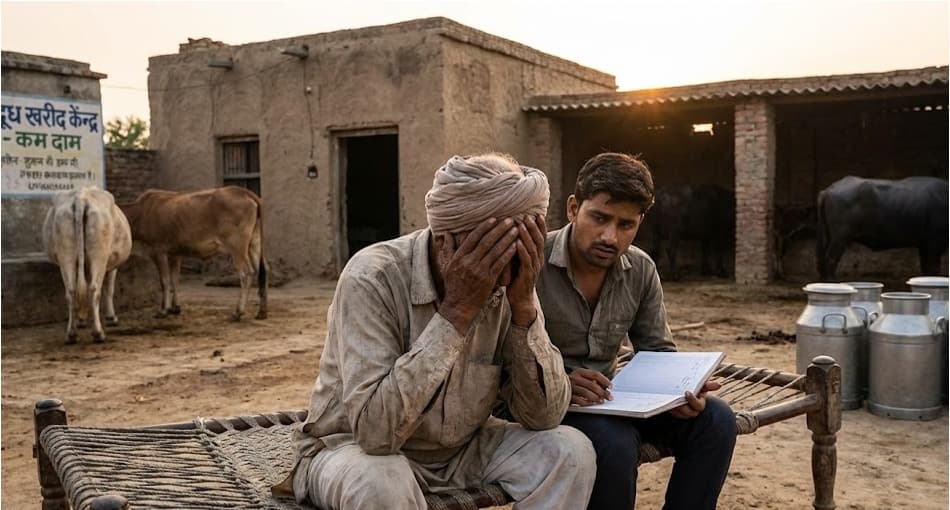
More Milk, Less Money: India’s Dairy Crisis
Dec 01, 2025

More Milk, Less Money: India’s Dairy Crisis

With the release of the BAHS 2025 summary report, I felt compelled to deep dive into its findings and reflect on the real progress and challenges facing India’s dairy sector. Over the last six years,...Read More

India Milk Prices: Cost Shock and Procurement Pressure
Nov 28, 2025

India Milk Prices: Cost Shock and Procurement Pressure

Milk prices in India face upward pressure as rising feed costs and procurement hikes reshape farm economics. Insight on dairy procurement, feed costs, and market outlook. Official government and coope...Read More

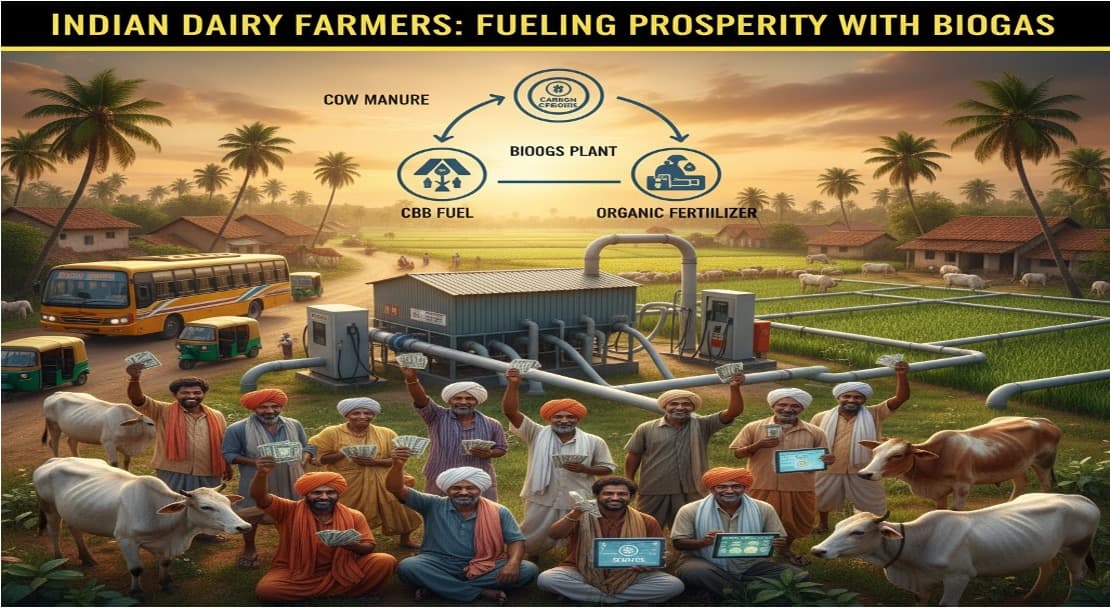
Stop Blaming, Start Claiming: Livestock’s Carbon Credit Future
Nov 16, 2025

Stop Blaming, Start Claiming: Livestock’s Carbon Credit Future

This week, I had the opportunity to attend an Agri Carbon Masterclass conducted by CII FACE. The deliberations, case studies, and discussions presented during the session were both insightful and thou...Read More

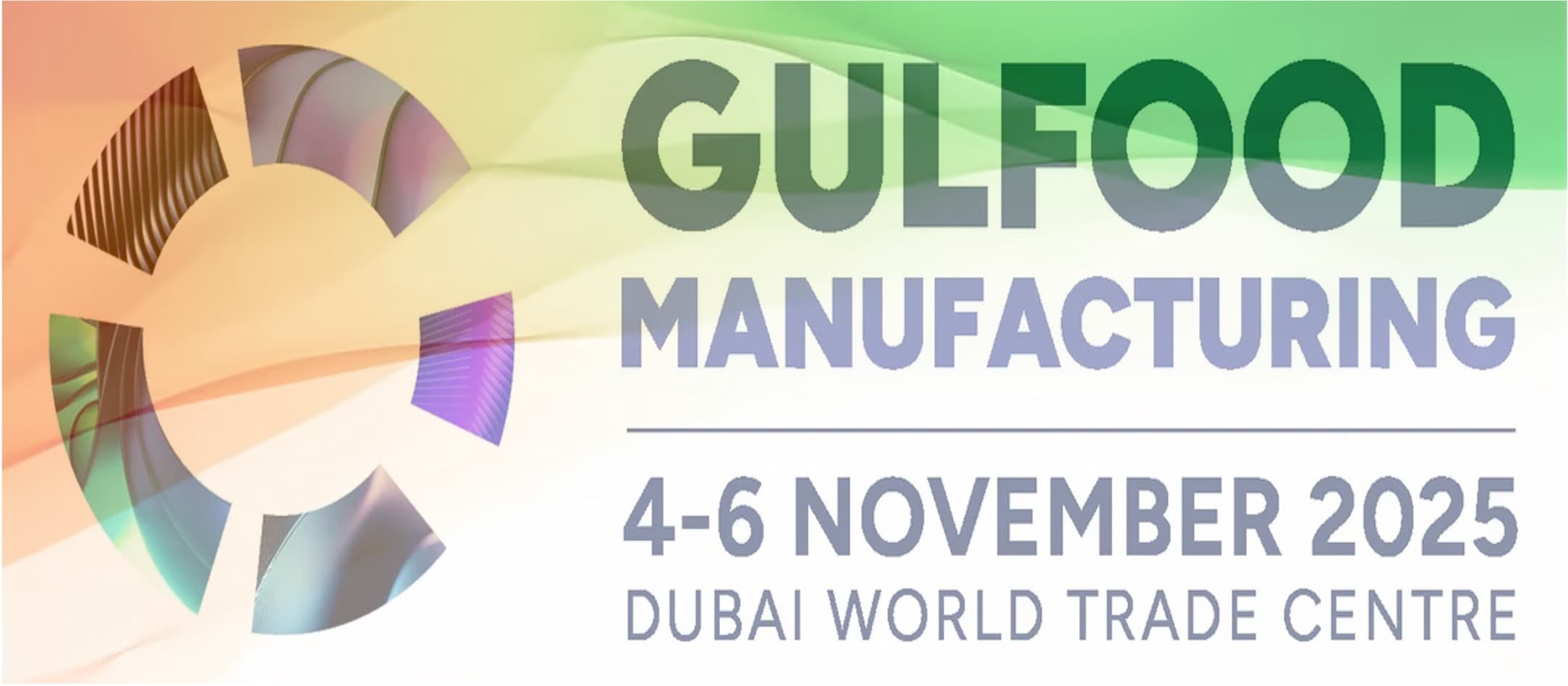
India Powers the Gulf’s Dairy Revolution -Gulf Food 2025
Oct 31, 2025

India Powers the Gulf’s Dairy Revolution -Gulf Food 2025

As Gulf Food Manufacturing prepares to open its doors from November 4–6 in Dubai, Indian dairy product and equipment manufacturers have a unique opportunity to explore one of the most promising region...Read More

Global Dairy News

Why the global milk business needs a structural shake-up
Dec 08, 2025

Why the global milk business needs a structural shake-up

The New Zealand dairy stalwart Fonterra has sold its consumer dairy-brands (milk, butter, cheese) — including “Anchor” and “Mainland Cheese” — to French agribusiness giant Lactalis in late October 202...Read More

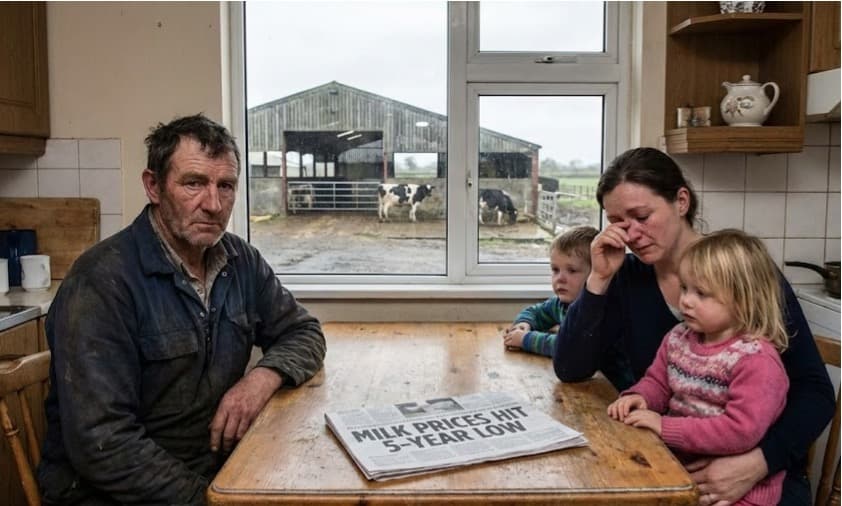
Raw-milk prices in Europe hit 5-yr low; ripple effect looms
Dec 07, 2025

Raw-milk prices in Europe hit 5-yr low; ripple effect looms

European raw-milk prices have plunged to their lowest in five years, as oversupply and weak demand weigh on dairy markets across the region. According to recent data from DCA Market Intelligence B.V.,...Read More

Global food prices ease; FAO dairy index slips — impact looms
Dec 06, 2025

Global food prices ease; FAO dairy index slips — impact looms

The FAO Dairy Price Index averaged 137.5 points in November, down 4.4 points (3.1 percent) from October and 2.4 points (1.7 percent) from its value a year ago. International dairy prices fell for the...Read More

Dairy News 7x7

Your trusted source for all the latest dairy industry news, market insights, and trending topics.

FOLLOW US
CATEGORIES
  • Global News
  • Indian News
  • Blogs
  • Publications
  • Podcasts
SUBSCRIBE TO OUR NEWSLETTER

Stay informed with the latest updates and trending news in the dairy industry.

No spam, unsubscribe at any time

GET IN TOUCH
C-49, C Block, Sector 65,
Noida, UP 201307
+91 7827405029dairynews7x7@gmail.com

© 2025 Dairy News 7x7. All Rights Reserved.

Terms of ServicePrivacy Policy

A Winemaking Byproduct Can Reduce Dairy Cattle Emissions

By DairyNews7x7•Published on May 02, 2024

California’s wine industry could play a role in reducing methane emissions from dairy cattle.

Researchers at University of California, Davis, added fresh grape pomace left over from winemaking operations to alfalfa-based feed for dairy cows and found that methane emissions were reduced by 10% to 11%.

The preliminary findings could offer a low-cost sustainable pathway for vineyards to reduce waste while helping dairy operations maintain quality while cutting back on emissions of methane, which is a powerful greenhouse gas.

“This is the first time anybody has shown that this can work in California,” said Ermias Kebreab, an animal science professor and associate dean of global engagement at UC Davis. “You’re reducing emissions, you’re improving the quality and it may also reduce the cost of production.”

This is the first time anybody has shown that this can work in California. You’re reducing emissions, you’re improving the quality and it may also reduce the cost of production.” —Ermias Kebreab
The pilot research project, which will be detailed in a paper later this year, also found that mixing in grape pomace improved feed efficiency and increased healthful fats, said Selina Wang, an associate professor of Cooperative Extension in small scale fruit and vegetable processing.

“We found that the feed with the additive of grape pomace changed the fatty acid composition of the milk and, in particular, increased the polyunsaturated fats, which are the main fats in grape pomace,” Wang said. “This suggests that supplementing the feed with an optimal fatty acid profile may have positive impact on the fatty acid profile of the milk and increase their health benefits.”

Symbiotic commodities?

In 2022, California was the leading dairy producer in the country, generating $10.40 billion in sales, while 90% of wine production came from the Golden State, with a market value of $5.54 billion.

Processing grapes for wine generates thousands of tons of waste in the form of grape pomace, which consists of leftover seeds, skins and stems. Dairy and livestock are responsible for more than half of the state’s methane emissions, owed largely to cow burps.

They are the top two agricultural commodities in California, according to state production statistics, and reducing waste and emissions for both industries are key to the state meeting its climate goals.
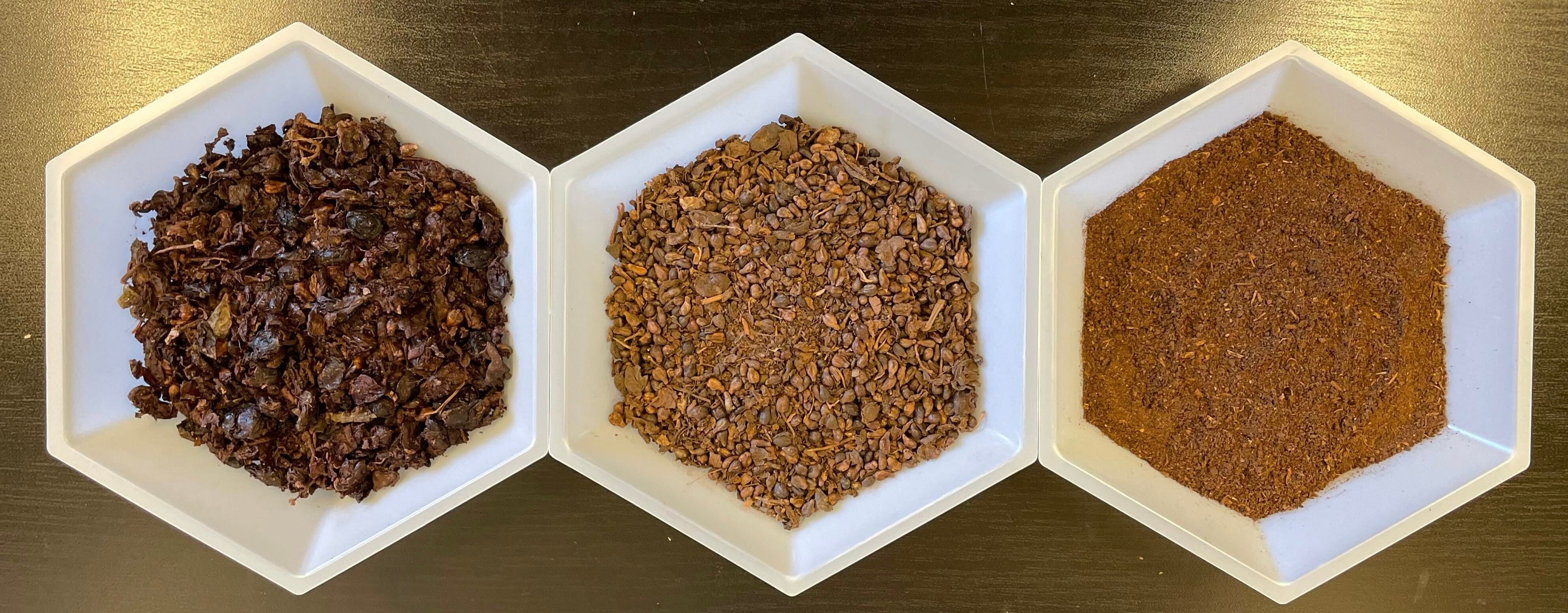
Wet, dry and dry and ground (left to right) grape pomace
Wet, dry and dry and ground (left to right) grape pomace. (Edwin Grey / UC Davis)

Tannins for emission reductions

Wine grapes are high in fats and tannin, which is known to reduce methane emissions, so Kebreab sought to test if adding grape pomace to feed could have a positive effect while not adversely affecting production.

“It’s a byproduct that’s not being used much,” he said. “This is something that can be included in our efforts to try to reduce emissions.”

A mix of feed options

To do the research, scientists worked with Holstein dairy cows and gave the animals feed consisting of alfalfa, wheat, almond hulls, cottonseed and grain. After two weeks, the cows were split into three groups: A control group with no change in diet, another where the feed combination included 10% grape pomace and a third that received 15% grape pomace.

Every four weeks, the cow groups would change feed combinations.

They were fed twice daily by postdoctoral students and interns, and emissions were monitored daily. Milk production was documented in the morning and evening and milk samples were collected weekly to analyze for fat, protein, lactose and other measurements, which showed no differences between the control and other groups.

Methane and hydrogen emissions were reduced compared with the control group, suggesting that grape pomace reduced enteric emissions without affecting production.

“I think the dairy industry will be very interested in this,” Kebreab said. “Sometimes when you’re using additives, they have palatability issues. With grape pomace, they absolutely love it.”

Next on the list is a trial with olive pomace and working to understand the mechanism that reduces emissions.

“If we have a better understanding of the mechanisms, we can select the feed additive or a mix of feed additives to reduce dairy cattle emissions and make dairy milk healthier while making use of the agriculture byproducts,” Wang said. “There’s a lot of room to grow in this space and we’re excited about this work.”

The research was supported by the California Dairy Research Foundation.

The UC Davis College of Agricultural and Environmental Sciences originally published this article on April 25, 2024.


Swipe to continue reading

Previous Article

Next Article