
Logo
IndianGlobalBlogsPublicationsPodcastsMarketAboutContact
Logo
IndianGlobalBlogsPublicationsPodcasts
7News
TN Minister Urges Farmers to Adopt Tech for Value Addition in DairyListen to the Farm, Not the Farmer—The New Productivity LensWhat’s Driving Change In Beverages, FMCG And Dairy in 2025ED begins money laundering probe in dairy investment fraud caseIndo-Brazil pact aims to boost cattle genetics and dairy yield

Indian Dairy News

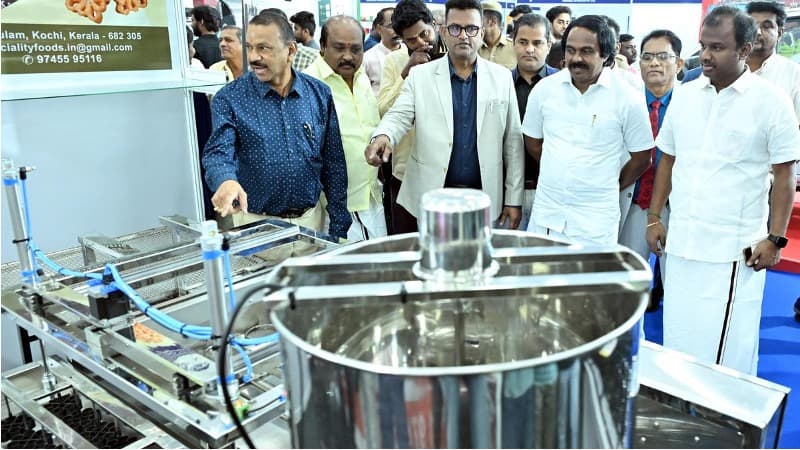
TN Minister Urges Farmers to Adopt Tech for Value Addition in Dairy
Dec 12, 2025

TN Minister Urges Farmers to Adopt Tech for Value Addition in Dairy

In Coimbatore this week, Tamil Nadu’s Minister for Milk and Dairy Development, Mano Thangaraj, called on dairy farmers to embrace modern technologies to boost productivity and value addition across th...Read More

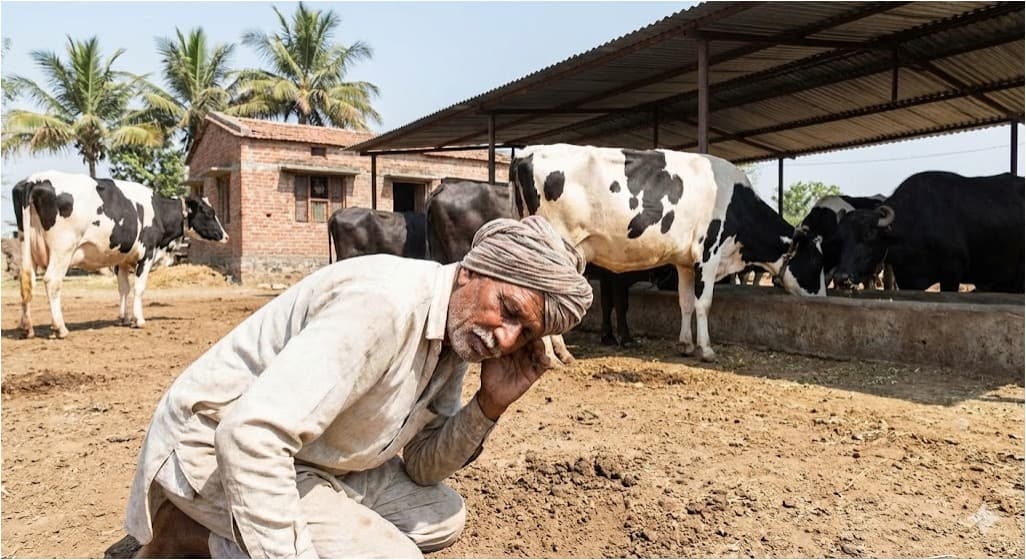
Listen to the Farm, Not the Farmer—The New Productivity Lens
Dec 12, 2025

Listen to the Farm, Not the Farmer—The New Productivity Lens

India’s dairy sector, valued at nearly $30 billion, has reached a point where incremental changes will not deliver the next breakthrough. For decades, improvement programs have focused on what farmers...Read More

What’s Driving Change In Beverages, FMCG And Dairy in 2025
Dec 12, 2025

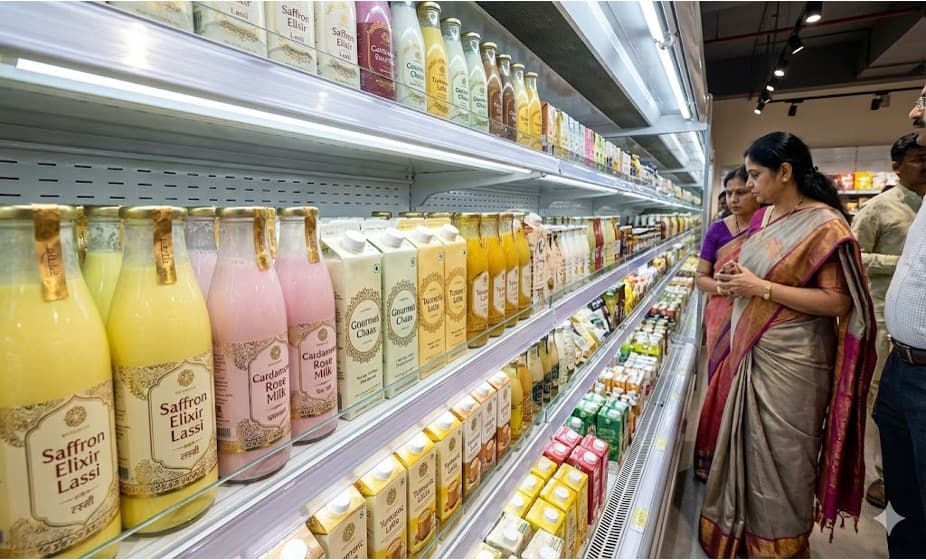
What’s Driving Change In Beverages, FMCG And Dairy in 2025

India’s retail landscape in 2025 was marked by a decisive shift in how consumers choose, consume and connect with brands. From beverages to daily nutrition and even the most essential dairy products,...Read More

Latest Blogs

See More
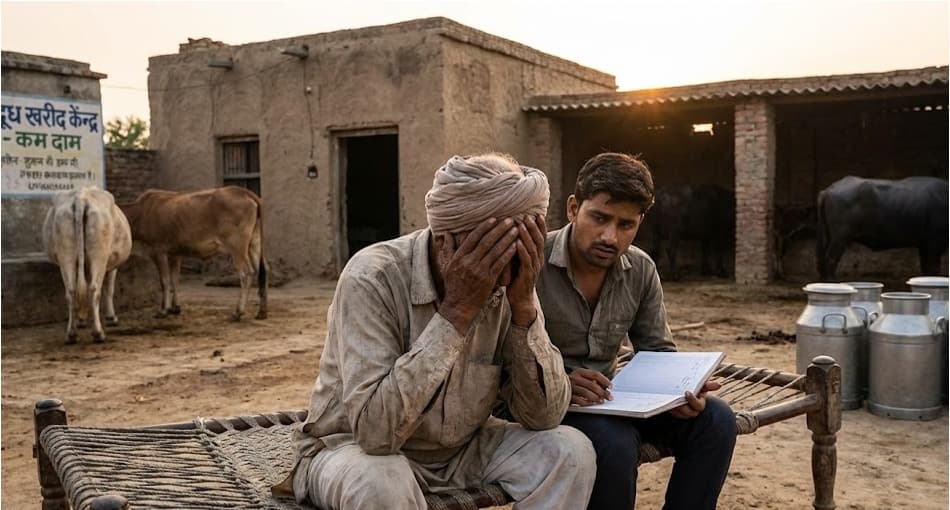
More Milk, Less Money: India’s Dairy Crisis
Dec 01, 2025

More Milk, Less Money: India’s Dairy Crisis

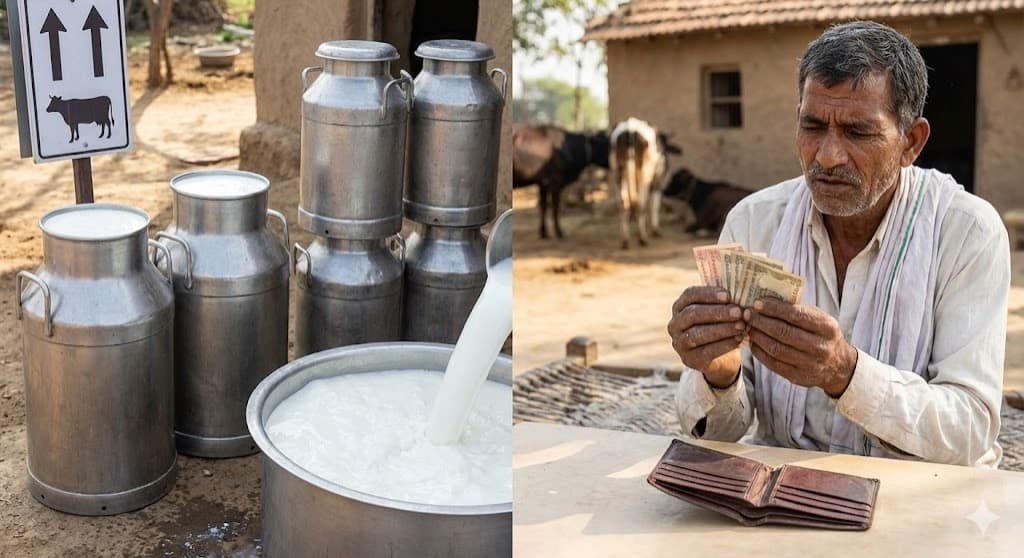
With the release of the BAHS 2025 summary report, I felt compelled to deep dive into its findings and reflect on the real progress and challenges facing India’s dairy sector. Over the last six years,...Read More

India Milk Prices: Cost Shock and Procurement Pressure
Nov 28, 2025

India Milk Prices: Cost Shock and Procurement Pressure

Milk prices in India face upward pressure as rising feed costs and procurement hikes reshape farm economics. Insight on dairy procurement, feed costs, and market outlook. Official government and coope...Read More

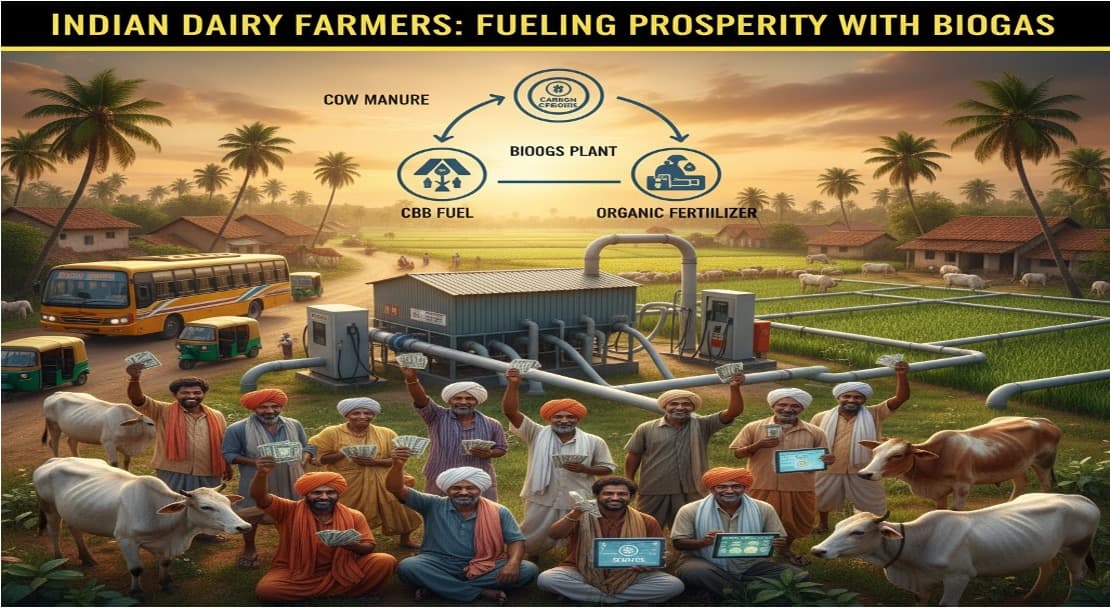
Stop Blaming, Start Claiming: Livestock’s Carbon Credit Future
Nov 16, 2025

Stop Blaming, Start Claiming: Livestock’s Carbon Credit Future

This week, I had the opportunity to attend an Agri Carbon Masterclass conducted by CII FACE. The deliberations, case studies, and discussions presented during the session were both insightful and thou...Read More

India Powers the Gulf’s Dairy Revolution -Gulf Food 2025
Oct 31, 2025

India Powers the Gulf’s Dairy Revolution -Gulf Food 2025

As Gulf Food Manufacturing prepares to open its doors from November 4–6 in Dubai, Indian dairy product and equipment manufacturers have a unique opportunity to explore one of the most promising region...Read More

Global Dairy News

Why the global milk business needs a structural shake-up
Dec 08, 2025

Why the global milk business needs a structural shake-up

The New Zealand dairy stalwart Fonterra has sold its consumer dairy-brands (milk, butter, cheese) — including “Anchor” and “Mainland Cheese” — to French agribusiness giant Lactalis in late October 202...Read More

Raw-milk prices in Europe hit 5-yr low; ripple effect looms
Dec 07, 2025

Raw-milk prices in Europe hit 5-yr low; ripple effect looms

European raw-milk prices have plunged to their lowest in five years, as oversupply and weak demand weigh on dairy markets across the region. According to recent data from DCA Market Intelligence B.V.,...Read More

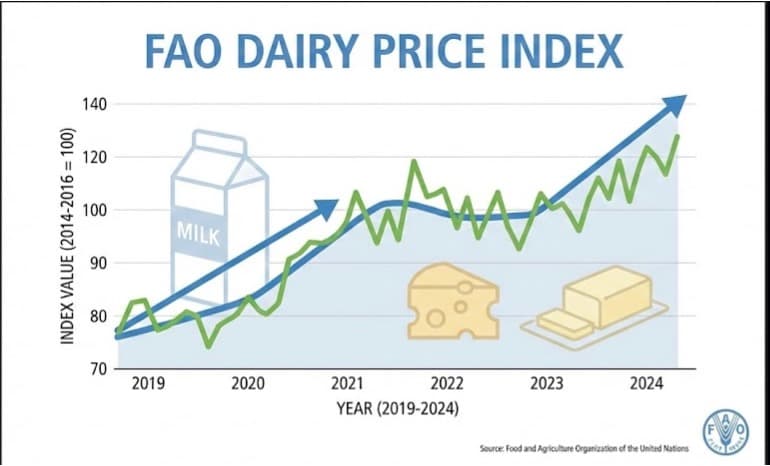
Global food prices ease; FAO dairy index slips — impact looms
Dec 06, 2025

Global food prices ease; FAO dairy index slips — impact looms

The FAO Dairy Price Index averaged 137.5 points in November, down 4.4 points (3.1 percent) from October and 2.4 points (1.7 percent) from its value a year ago. International dairy prices fell for the...Read More

Dairy News 7x7

Your trusted source for all the latest dairy industry news, market insights, and trending topics.

FOLLOW US
CATEGORIES
  • Global News
  • Indian News
  • Blogs
  • Publications
  • Podcasts
SUBSCRIBE TO OUR NEWSLETTER

Stay informed with the latest updates and trending news in the dairy industry.

No spam, unsubscribe at any time

GET IN TOUCH
C-49, C Block, Sector 65,
Noida, UP 201307
+91 7827405029dairynews7x7@gmail.com

© 2025 Dairy News 7x7. All Rights Reserved.

Terms of ServicePrivacy Policy

70% mislabeled and 21% toxic amongst 36 popular Indian protein supplements

By DairyNews7x7•Published on April 12, 2024

Citizens protein project: A self-funded, transparent, and concerning report on analysis of popular protein supplements sold in the Indian market

Abstract

In this study, we analyzed popular protein supplements in India for potential health risks. Most products didn't match their labeled protein content, some even exceeded it, hinting at deceptive practices. Many contained fungal toxins, pesticides, and harmful heavy metals like lead and arsenic. Some also included hepatotoxic herbal extracts like green tea, turmeric, Garcinia cambogia, and Ashwagandha. Indian-made products fared worse than multinational ones. We found various potentially toxic compounds, urging for stricter regulation and safety studies in this industry. Manufacturers should simplify ingredients and avoid harmful substances to protect consumers' health.

Introduction


Dietary supplements, especially protein formulations, are widely used by various groups, but concerns about their safety persist. Mislabeling and contamination are common issues, with evidence showing the presence of harmful substances like toxic metals. Regulation in India focuses on manufacturing practices, leaving content safety in the hands of manufacturers. Despite this, protein supplements often lack transparency and quality assurance. Our study fills this gap by analyzing popular protein products rigorously, aiming to reveal any potential toxic ingredients. We employed standardized methods to ensure transparency and provide valuable insights into product safety.


Results


We obtained and analyzed 36 protein supplements, maintaining seals and blinding until laboratory analysis. The products included blended, pure plant-based, and pure whey-based formulations, with some containing herbal extracts. Among them, 25 (69.4%) were mislabeled regarding protein content, with deficits ranging from <10% to over 50%. Some products had higher than labeled protein content, possibly due to "protein or amino spiking." Five samples (13.9%) were contaminated with aflatoxins, and three (8.3%) showed trace pesticide residue contamination. Heavy metal analysis revealed trace levels of arsenic, cadmium, lead, and copper in various samples. Interestingly, heavily promoted brands often had the lowest protein content, and aflatoxins were mostly found in plant-based supplements. Pesticide residues were detected only in plant-based supplements.


The gas chromatography and mass spectrometry (GC-MS) analysis conducted on the protein supplements revealed a wide array of organic and inorganic compounds present in the products. Among these compounds, some were found in the majority of the analyzed samples, indicating their pervasive presence across different brands and formulations.

For instance, compounds like cycloheptatriene, spiroheptadiene, acetone, acetic acid, and dichloromethane were detected in a high percentage of the analyzed products, with percentages ranging from 72.2% to 83.3%. These compounds are commonly associated with industrial processes and are not typically expected to be present in dietary supplements.

Additionally, other substances like ammonium acetate, toluene, trichloromethane, isopropyl alcohol, and hydrogen isocyanate were also identified in a significant portion of the analyzed protein formulations, ranging from 50% to 75%. These compounds have various industrial applications and may indicate contamination or impurities in the supplements.

Notably, the absence of synthetic steroids or hormonal agents in the analyzed products is reassuring from a health perspective. However, the presence of natural phytosteroids in plant-based formulations highlights the complexity of these supplements and underscores the importance of thorough analysis to understand their composition accurately.

Overall, the GC-MS analysis provides valuable insights into the diverse range of compounds present in protein supplements, emphasizing the need for stringent quality control measures and regulatory oversight to ensure the safety and efficacy of these products.

Swipe to continue reading

Previous Article

Next Article