
Logo
IndianGlobalBlogsPublicationsPodcastsMarketAboutContact
Logo
IndianGlobalBlogsPublicationsPodcasts
7News
TN Minister Urges Farmers to Adopt Tech for Value Addition in DairyListen to the Farm, Not the Farmer—The New Productivity LensWhat’s Driving Change In Beverages, FMCG And Dairy in 2025ED begins money laundering probe in dairy investment fraud caseIndo-Brazil pact aims to boost cattle genetics and dairy yield

Indian Dairy News

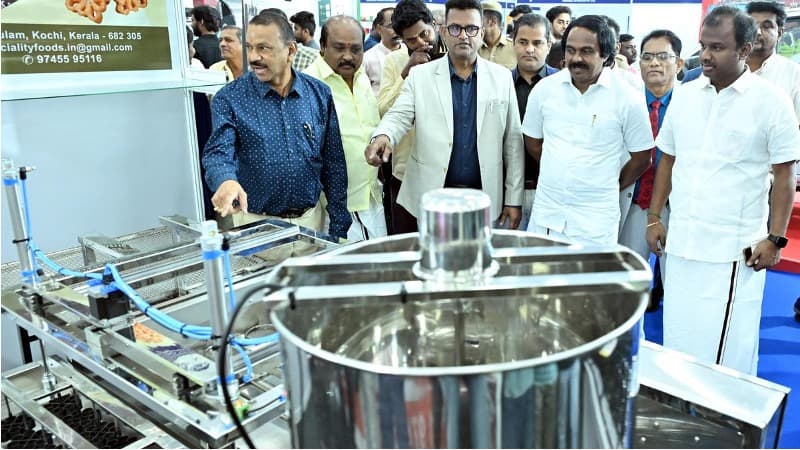
TN Minister Urges Farmers to Adopt Tech for Value Addition in Dairy
Dec 12, 2025

TN Minister Urges Farmers to Adopt Tech for Value Addition in Dairy

In Coimbatore this week, Tamil Nadu’s Minister for Milk and Dairy Development, Mano Thangaraj, called on dairy farmers to embrace modern technologies to boost productivity and value addition across th...Read More

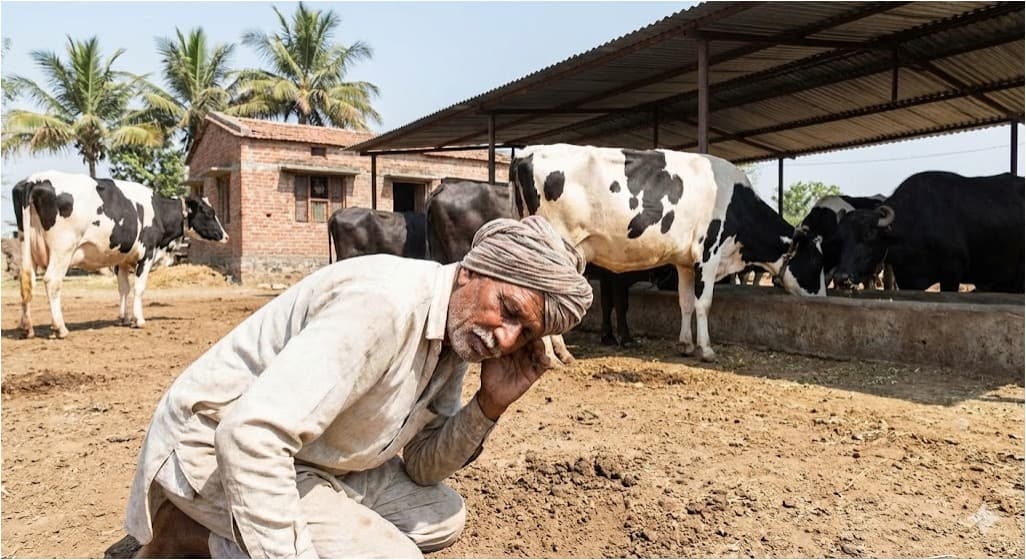
Listen to the Farm, Not the Farmer—The New Productivity Lens
Dec 12, 2025

Listen to the Farm, Not the Farmer—The New Productivity Lens

India’s dairy sector, valued at nearly $30 billion, has reached a point where incremental changes will not deliver the next breakthrough. For decades, improvement programs have focused on what farmers...Read More

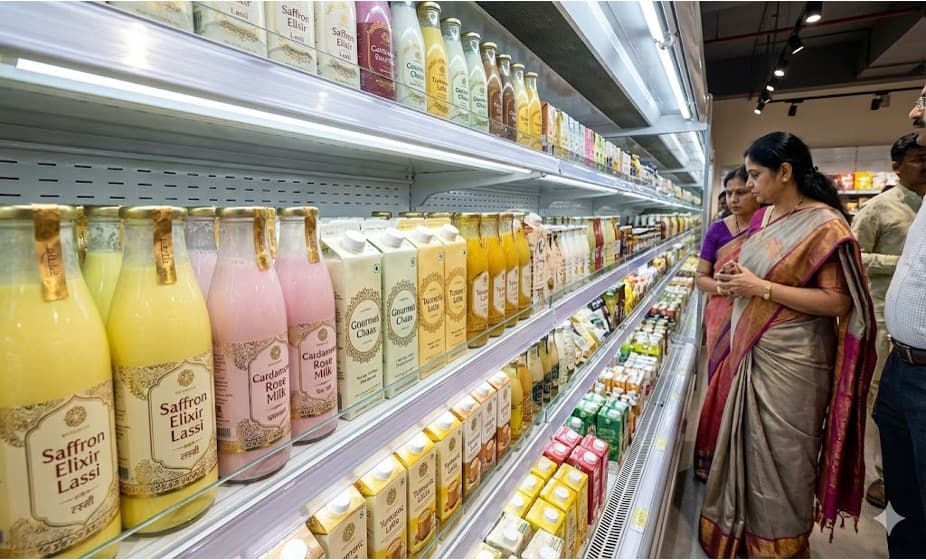
What’s Driving Change In Beverages, FMCG And Dairy in 2025
Dec 12, 2025

What’s Driving Change In Beverages, FMCG And Dairy in 2025

India’s retail landscape in 2025 was marked by a decisive shift in how consumers choose, consume and connect with brands. From beverages to daily nutrition and even the most essential dairy products,...Read More

Latest Blogs

See More
More Milk, Less Money: India’s Dairy Crisis
Dec 01, 2025

More Milk, Less Money: India’s Dairy Crisis

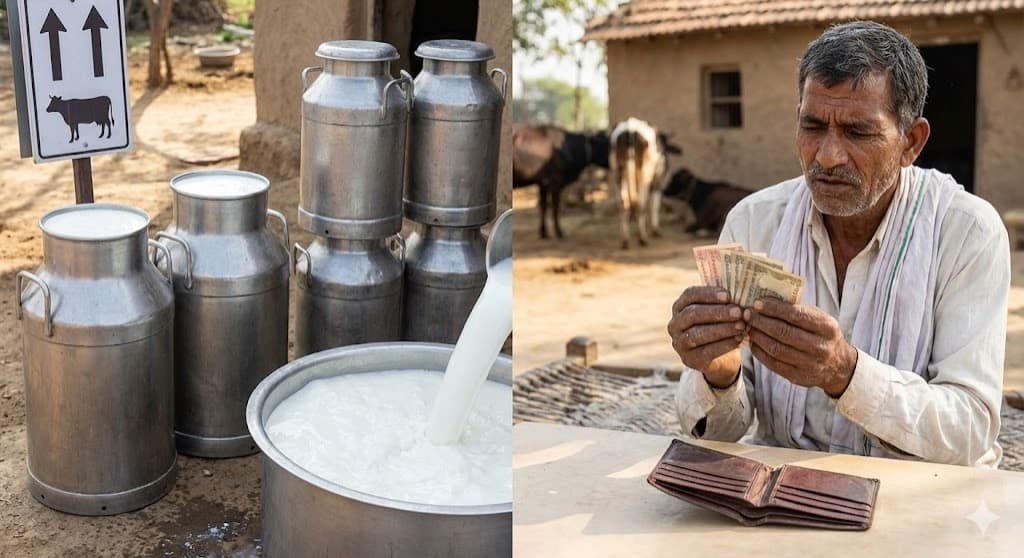
With the release of the BAHS 2025 summary report, I felt compelled to deep dive into its findings and reflect on the real progress and challenges facing India’s dairy sector. Over the last six years,...Read More

India Milk Prices: Cost Shock and Procurement Pressure
Nov 28, 2025

India Milk Prices: Cost Shock and Procurement Pressure

Milk prices in India face upward pressure as rising feed costs and procurement hikes reshape farm economics. Insight on dairy procurement, feed costs, and market outlook. Official government and coope...Read More

Stop Blaming, Start Claiming: Livestock’s Carbon Credit Future
Nov 16, 2025

Stop Blaming, Start Claiming: Livestock’s Carbon Credit Future

This week, I had the opportunity to attend an Agri Carbon Masterclass conducted by CII FACE. The deliberations, case studies, and discussions presented during the session were both insightful and thou...Read More

India Powers the Gulf’s Dairy Revolution -Gulf Food 2025
Oct 31, 2025

India Powers the Gulf’s Dairy Revolution -Gulf Food 2025

As Gulf Food Manufacturing prepares to open its doors from November 4–6 in Dubai, Indian dairy product and equipment manufacturers have a unique opportunity to explore one of the most promising region...Read More

Global Dairy News

Why the global milk business needs a structural shake-up
Dec 08, 2025

Why the global milk business needs a structural shake-up

The New Zealand dairy stalwart Fonterra has sold its consumer dairy-brands (milk, butter, cheese) — including “Anchor” and “Mainland Cheese” — to French agribusiness giant Lactalis in late October 202...Read More

Raw-milk prices in Europe hit 5-yr low; ripple effect looms
Dec 07, 2025

Raw-milk prices in Europe hit 5-yr low; ripple effect looms

European raw-milk prices have plunged to their lowest in five years, as oversupply and weak demand weigh on dairy markets across the region. According to recent data from DCA Market Intelligence B.V.,...Read More

Global food prices ease; FAO dairy index slips — impact looms
Dec 06, 2025

Global food prices ease; FAO dairy index slips — impact looms

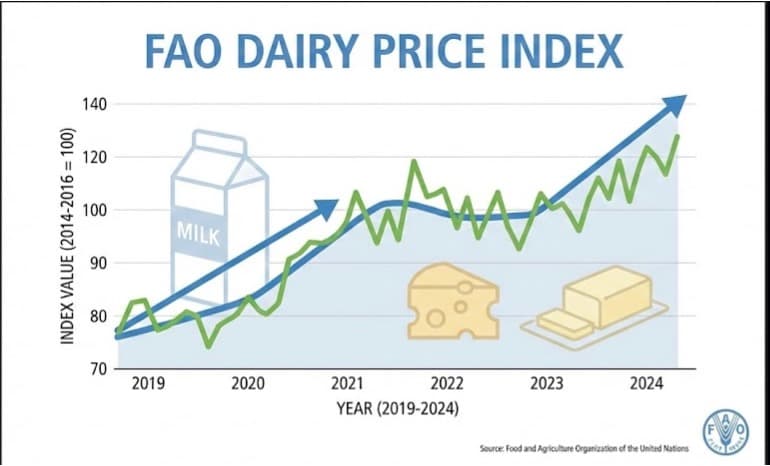
The FAO Dairy Price Index averaged 137.5 points in November, down 4.4 points (3.1 percent) from October and 2.4 points (1.7 percent) from its value a year ago. International dairy prices fell for the...Read More

Dairy News 7x7

Your trusted source for all the latest dairy industry news, market insights, and trending topics.

FOLLOW US
CATEGORIES
  • Global News
  • Indian News
  • Blogs
  • Publications
  • Podcasts
SUBSCRIBE TO OUR NEWSLETTER

Stay informed with the latest updates and trending news in the dairy industry.

No spam, unsubscribe at any time

GET IN TOUCH
C-49, C Block, Sector 65,
Noida, UP 201307
+91 7827405029dairynews7x7@gmail.com

© 2025 Dairy News 7x7. All Rights Reserved.

Terms of ServicePrivacy Policy

56% dairy farmers found difficulty in marketing and 35% in getting right price for their produce during Covid : A report

By DairyNews7x7•Published on August 11, 2020

Gaon Connection, India’s largest rural media platform conducted a national survey on status of rural India during Covid-19 . The study documented the untold miseries rural citizens faced during the lockdown. These pains ranged from mounting debts, increasing hunger, inability to access healthcare to complete loss of livelihoods.

The survey was based on face-to-face detailed interviews with 25,300 respondents. It was carried out in 179 districts across 20 states and three Union Territories. The survey was designed and data analysed by the New Delhi-based Centre for Study of Developing Societies (Lokniti-CSDS).

These survey findings have been put together in the form of a report – The Rural Report – by Gaon Connection. This exhaustive 200-page report is the first set of national insights documenting the post-COVID-19 impact on rural India . The report is divided into different themes that include the impact on farmers, financial stress and debt. Other areas covered are livelihoods and MGNREGA, pregnant women’s health, hunger, future plans of rural citizens, etc.

The key findings of the Gaon Connection Survey

— More than 68 per cent rural Indians faced “high” to “very high” monetary difficulty during the lockdown.

— About 23 per cent rural Indians borrowed money during the lockdown. 8 per cent sold a valuable possession (phone, watch etc). 7 per cent mortgaged jewellery, and 5% sold or mortgaged land.

— 78 per cent respondents saw their work coming to a “complete standstill”. Or “a standstill to a large extent” during the lockdown.

— Skilled workers and manual (unskilled) labourers were the hardest hit. Work shut down completely for 60 per cent skilled workers and 64 per cent manual labourers

Status of MGNREGA payments

— Only 20 per cent respondents said they got work under MGNREGA in the lockdown. Chhattisgarh reported the highest percentage of such households at 70 per cent. It was followed by Uttarakhand (65 per cent) and Rajasthan (59 per cent). Gujarat and UTs of Jammu & Kashmir-Ladakh reported the lowest work under MGNREGA at 2 per cent and 4 per cent, respectively.

— 23 per cent migrant workers returned home walking during the lockdown. Over 33 per cent migrant workers said they want to go back to the cities to work

— 42 per cent households with pregnant women said these women did not get pregnancy check-ups and vaccination during the lockdown. The lowest percentages were in West Bengal (29 per cent) and Odisha (33 per cent).

Farmer’s difficulties

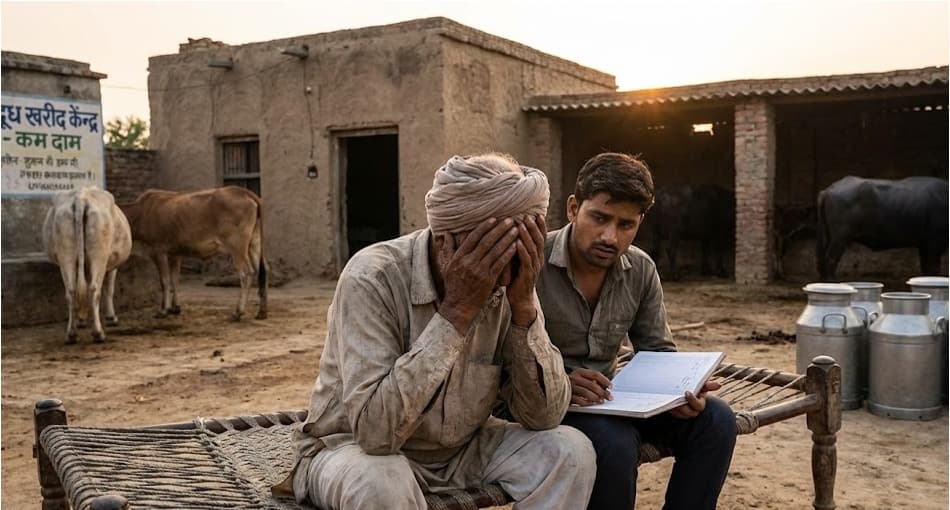
— 56 per cent dairy and poultry farmers said they faced difficulty in taking their produce to the buyers. 35 per cent said they did not get the right price for their produce.

— More than half the farmers managed to harvest their crops in time in the lockdown, but only one fourth could sell them on time

— 71 per cent ration card-owning households said they received wheat or rice from the government during the lockdown. Of the 17 per cent citizens who do not own ration cards, only 27 per cent said they received wheat or rice from the government.

— 71 per cent surveyed households reported a drop in total monthly household income during the lockdown months compared to pre-lockdown months

— The poor were the hardest hit — 75 per cent poor families and 74 per cent lower-class households suffered a fall in income during the lockdown.

— 38 per cent of the rural households reported having gone without necessary medicine or medical treatment often or sometimes during the lockdown. In Assam, 87 per cent rural households said they did not receive the required medical treatment followed by 66 per cent in Arunachal Pradesh.

Swipe to continue reading

Previous Article

Next Article