An article by Kritika Singh
The Swedish oat-milk brand Oatly has been considered one of the pioneers of the Farm transition movement ever since the company first supported a dairy farmer’s switch to plant-based farming back in 2017. As a result, the farmer was able to increase his profits while also decreasing his greenhouse gas emissions.
Similar initiatives are currently happening across the USA. From Kellogg’s Kashi to Miyoko’s Creamery, brands are supporting farmers in their transition from conventional to organic and plant-based farming. But in recent years, multiple lawsuits have been filed against plant-based milk producers for allegedly confusing consumers by using the term “milk” to describe a non-dairy product. However, the results have, for the most part, been in favor of plant-based milk.
In India, however, the situation is a little different. The definition of milk, and who can or cannot use the term, is creating quite the turmoil.
FSSAI standards
Earlier this year, the Food Safety and Standards Authority of India announced a draft regulation on Dairy Analogues. According to this draft, “analogue in the dairy context means an imitation product that is designed or structured to mimic, or offered as an alternative [or] replacement to, a milk or milk product.” Additionally, “for such products, dairy terms or phonetically similar or spell-alike terms shall not be used in the nomenclature of the product.”
This new definition comes in light of concerns raised by the Indian dairy industry that labeling plant-based milk as “milk” . It can create confusion in the minds of consumers. The representatives of the dairy industry also argue that using dairy terms on non-dairy product packaging is deceptive. And it hurts dairy farmers.
What is “milk”?
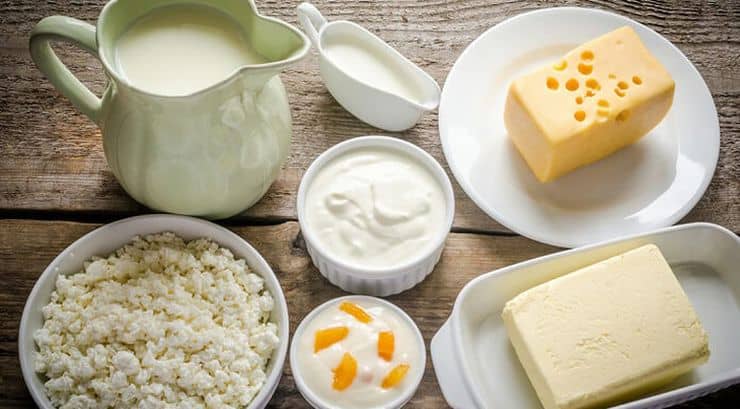
Let’s address the elephant in the room first: what is the definition of milk, and why is it changing? Globally, the term “milk” has been a major topic of discussion. On one hand, the European Parliament recently voted to tighten existing restrictions on plant-based dairy alternatives, making exceptions for coconut milk, peanut butter and icecream
In the U.S., labeling regulations for plant-based products with names such as “milk” and “butter” are under review, as of 2018. However, a survey conducted that same year found that consumers in the U.S. do not typically confuse plant-based milk with dairy products from a cow or another animal.
In India, consumers refer to both plant and dairy milk as milk. Here, for generations both non-dairy and dairy milk has been used for religious and non-religious consumption. Non-dairy milk, however, remained in the shadows and was not marketed to Indian consumers until recently.
Milk as a context
It is becoming abundantly clear that the word “milk” has a very broad meaning. Even though plant-based milk is considered new in the West, for Indians it is not. Coconut milk, for instance, is dairy-free and has been used and consumed in India for generations and millennials. In Kerala, several popular sweets and stews are prepared using coconut milk. Avial, a popular vegetable stew with coconut milk base is prepared and consumed with Appam, a pancake made from fermented rice batter and coconut milk. States from Telangana, Karnataka, Tamilnadu, Kerala, Andhra Pradesh, have used and known coconut milk for thousands of years.
“In many ways, milk is not so much defined by where it comes from, but how it is experienced,” said Abhay Rangan, Founder of Goodmylk India. “The Indian household’s perception of milk goes beyond its ‘marketed’ nutritional value or taste. It’s a habit. A tradition. It’s a part of the culture we celebrate.”
But the dairy industry’s response to the growing popularity of plant-based milk is not welcoming or surprising.
Overview of the dairy milk market
Since the White revolution of the 1970s, India has become the largest dairy producer and consumer in the world, accounting for 19% of the global market share. According to the latest report by IMARC Group, the dairy market in India reached a value of 10.540 billion (INR) in 2019. That’s equivalent to about $143 million.
India is also the world’s largest owner of livestock, owning nearly 535.78 million animals. The majority of those animals are dairy cows. The country is also the first in the total buffalo population in the world. At about 109.85 million buffaloes, who also produce milk and are considered part of the dairy sector.
Currently, 48 percent of milk is consumed by rural populations, while 52 percent of milk is sold to people in cities. In this 52 percent, 40 percent of milk is handled by the organized sector which includes dairy cooperatives, national producers, and private dairies. The industry also supports nearly 8.4 million dairy farmers.
The competition
Globally, the dairy industry is struggling, and plant-based milk is the likely challenger. The consumption of dairy products plummeted even more during the COVID-19 lockdown. For instance, the EU’s major milk producers and processors could see sales rebound sluggishly after COVID-19.
In India, the consumption of plant-based milk is also on the rise. According to the latest report by Food industry Asia Indian consumers are turning to foods and beverages that are vegan, vegetarian, and keto-friendly. There are various reasons for this shift including health, climate, and the state of animal welfare. With more and more consumers switching to milk alternatives, the dairy industry is worried.
“Plant-based milks are the perfect way to experience milk to the best of its potential,” said Rangan. “The ability to provide nutrition, taste, and, most importantly, to live true to the values our country cherishes.”
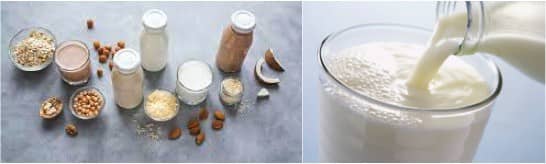
Plant based milk
As the plant-based milk industry grows, the support Indians can provide to peanut, cashew, oat, and coconut farmers will grow with it. Today, India accounts for nearly 23 percent of the global cashew nut production. Commercial cultivation of cashews happens in eight states of India: Andhra Pradesh, Goa, Karnataka, Kerala, Maharashtra, Orissa, Tamilnadu, and West Bengal. Cashews are also grown in a few pockets of Assam, Tripura, Gujarat, Nagaland, Chhattisgarh, and Meghalaya.
It is estimated that more than 2 million people are directly and indirectly involved in the cultivation, processing, and marketing of cashew nuts—more than 90% of them are women. Alokparna Sengupta, Managing Director of the Humane Society International India, believes there is a future in plant-based farming.
“What India needs now is the Government and the industry to co-opt into the future rather than trying to restrict its existence,” said Sengupta. “With more than 60 percent of India’s population being lactose intolerant, including me, we need to have viable alternatives that are good for our health, the planet, and not exploitative for the animals.”
Towards a solution
A recent survey found that simply forbidding the use of some terms like “milk” to describe a plant-based product will not rectify issues of confusion. Consumers will continue to use traditional dairy terminology for plant-based alternatives and putting restrictions on these terms could negatively affect thousands of plant-based producers, farmers, and consumers.
The giants of the Indian dairy sector already have brand recognition, and diversifying in the plant-based milk sector will grow their market share even more. For instance, they should take inspiration from Unilever, which recently issued a press release saying they will continue to add more plant based products and focus on positive nutrition leading up to 2025. Baskin Robbins India also recently added their two new vegan ice-cream flavors, and brands like Oatly, Kellogg’s Kashi, and Miyoko’s Creamery highlight the direction the world is headed.
There was a time when India’s milk cooperatives stood for freedom of expression and open trade among smaller farmers. It’s time we give back the same freedom to the plant-based milk sector, especially the young Indians building plant-based startups, whose voices the government is trying to diminish. The final choice lies with you. What will you choose the next time you buy milk?
Source : Sentient media .org
Never miss an important dairy update
Follow DairyNews7x7 on Google to get live milk prices, policy alerts, and daily headlines directly in your feed.