Logo
IndianGlobalBlogsPublicationsPodcastsMarketAboutContact
Logo
IndianGlobalBlogsPublicationsPodcasts
7News
Rajahmundry Milk Incident: Accident or Adulteration?Dairy Minister Telangana with Chairman Vijaya visit NDDB AnandScale up India’s dairy cooperative model: Sunita NarainHyderabad Raid Busts ₹18.26 Lakh Fake Ghee UnitNZ Seeks Opposition Support to Advance India Free Trade Agreement

Indian Dairy News

Bitter Milk: Lessons from Rajamahendravaram Case
Mar 10, 2026

Bitter Milk: Lessons from Rajamahendravaram Case

The milk adulteration tragedy in Rajamahendravaram in Andhra Pradesh’s East Godavari district has raised serious concerns about food safety, regulatory oversight and the vulnerability of consumers to...Read More

Sangam Dairy Chief Slams ‘Fake Propaganda’ Claims
Mar 10, 2026

Sangam Dairy Chief Slams ‘Fake Propaganda’ Claims

Dhulipalla Narendra Kumar, who is also a **Sangam Dairy chairman and MLA from Ponnur, strongly criticised leaders of the YSR Congress Party (YSRCP), accusing them of spreading false propaganda and bas...Read More

Nandini Demand Boosts Profits for Dairy Farmers
Mar 10, 2026

Nandini Demand Boosts Profits for Dairy Farmers

Rising demand for Nandini dairy products has significantly increased revenues for the Chikkaballapur District Milk Producers Cooperative Union (CHIMUL) in Karnataka, enabling the cooperative to share...Read More

DairyNews7x7
Advertisement

Latest Blogs

See More
Rajahmundry Milk Incident: Accident or Adulteration?
Mar 10, 2026

Rajahmundry Milk Incident: Accident or Adulteration?

The recent editorial “Bitter Milk” published by The Hindu raises important concerns about food safety in India. The editorial deserves appreciation for attempting to broaden the conversation and under...Read More

Milk Prices Rise in South & West: Is North Next?
Mar 05, 2026

Milk Prices Rise in South & West: Is North Next?

The recent round of retail milk price increases across South India and Maharashtra is no longer an episodic adjustment but a clear signal of structural stress building up in India’s milk economy. Over...Read More

India’s Dairy Climate Paradox: Production Triumph Meets Methane Time-Bomb
Mar 02, 2026

India’s Dairy Climate Paradox: Production Triumph Meets Methane Time-Bomb

India’s rise to the top of the global dairy league board has been one of the most remarkable agricultural success stories of the 21st century. With milk production surpassing 247 million tonnes per ye...Read More

India’s First Cow Culture Museum in Mathura
Feb 16, 2026

India’s First Cow Culture Museum in Mathura

India’s first national “Cow Culture Museum” is set to be established in Mathura, Uttar Pradesh, on the campus of Pandit Deendayal Upadhyaya Veterinary Science University, announced the Uttar Pradesh B...Read More

Global Dairy News

Data Replaces Handshakes in Dairy Lending
Mar 10, 2026

Data Replaces Handshakes in Dairy Lending

The dairy financing landscape is undergoing a major transformation as traditional relationship-based lending gives way to data-driven credit evaluation, according to industry insights. Historically, d...Read More

Rabobank Sees Cautious Dairy Price Recovery
Mar 10, 2026

Rabobank Sees Cautious Dairy Price Recovery

Global dairy commodity prices are showing early signs of recovery in 2026, but the rebound is expected to remain cautious due to abundant global milk supply, according to Rabobank’s Global Dairy Quart...Read More

US-Iran Tensions Raise Indirect Risks for Dairy
Mar 10, 2026

US-Iran Tensions Raise Indirect Risks for Dairy

Escalating tensions between the United States and Iran are creating indirect challenges for the global dairy sector, mainly through higher energy, freight and packaging costs, according to market anal...Read More

DairyNews7x7
Advertisement
Dairy News 7x7

Your trusted source for all the latest dairy industry news, market insights, and trending topics.

FOLLOW US
CATEGORIES
  • Global News
  • Indian News
  • Blogs
  • Publications
  • Podcasts
SUBSCRIBE TO OUR NEWSLETTER

Stay informed with the latest updates and trending news in the dairy industry.

No spam, unsubscribe at any time

GET IN TOUCH
C-49, C Block, Sector 65,
Noida, UP 201307
+91 7827405029dairynews7x7@gmail.com

© 2026 Dairy News 7x7. All Rights Reserved.

Terms of ServicePrivacy Policy
Prefer Us
Prefer Us

Smart labelling shouldn’t mislead consumers: Marketing of dairy foods
By DairyNews7x7•Published on September 28, 2022

Smart labelling shouldn’t mislead consumers: Marketing of dairy foods
Prefer on

A lot of what we consume, food or otherwise, is influenced by our perception of it, rather than by facts. According to Food Marketing and Technology magazine, an average food and drink company in the B2B space spends around 24 per cent of its revenue on marketing. For scale, the food and beverage industry accounts for 3 per cent of India’s GDP. Marketing is a double-edged sword. It introduces us to new products and steers us towards better consumption. But a well-targeted but misleading advertising campaign can negatively influence our decisions.

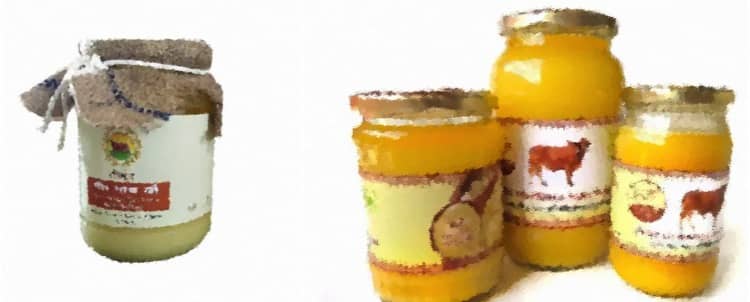
Ghee is an example. There is an even premium version of ghee called A2 milk ghee. The price of the A2 milk ghee can go up to almost ₹5,000 per litre. Although an outlier, even other prices are markedly higher than non-A2 ghee. What the marketers refer to as A2 ghee, is the ghee made from the milk of indigenous cows, sometimes also made by the traditional Bilona method of ghee-making rather than the industrial method.

Indigenous breeds give less milk and the Bilona process requires more milk to make the ghee. It has a higher cost of processing. The by-product buttermilk is sold for less than the skimmed milk by-product from industrial ghee processing. It is also tastier and better in terms of nutrition due to it containing more milk fat than industrially processed milk.

But all of these are characteristics of the Bilona process and not of A2 protein. The A2 tag in milk only refers to a specific protein made only by indigenous cows. Funnily enough, that protein isn’t even present in the final ghee product. Ghee is mostly made up of fats and micronutrients.

Tagging trends

Why that tag? Why not say this ghee is made from Gir Cow’s milk and by the Bilona method? The marketers know that premium products made for the elite sell better when they are backed by a scientific-sounding reason. In the case of A2 ghee, the claims come close to lying. The ghee might be made of A2 milk, but actual A2 protein is not present in the ghee. But A2 is a catchy and scientific-sounding tag, so slap that on with traditional words like Vedic, Bilona and Gir! Cover all consumer segments.

The next product is the hot new trend in young urban markets — plant-based milk alternatives. They’re higher priced, and they market themselves as a healthier and cruelty-free alternative to animal milk. The marketer’s claim is debatable on both counts.

Minimum content

FSSAI requires milk to be a mammary secretion. Many countries worldwide have certain ‘minimum content requirements’ for key nutrients like protein and milk solids for milk. Most of the alternatives are artificially fortified with micronutrients already present in animal milk and have added sugars.

Therefore, the regulations require them to label their products as milk alternatives and not as plant milk. These alternatives are good only in one case — they offer a viable alternative for lactose intolerant or other allergic people.

From a sustainability perspective, the plants, like almonds, also consume a lot of water. Almond Milk is the most popular alternative to animal milk. About 80 per cent of the world’s almonds are grown in California, a drought-prone state. There have also been cases of using child labour and bonded labour to process the ‘cruelty-free’ plant milk alternatives to keep the costs low. A better case for sustainability can always be made for locally produced buffalo milk.

You, as a consumer, still may prefer the A2 ghee or the soy latte. You like the taste of it or the texture it gives your food. It may be a healthier alternative for your system. It is not the consumption that is under scrutiny here. It is the marketing. A smart consumer’s choice, no matter what it is, is based on objective facts. Not gimmicky advertisement tactics that colour perceptions.

Stay Updated

Get the latest dairy industry news directly in your feed.

Prefer Us on Google Search

Swipe to continue reading

Previous Article

Next Article