Logo
IndianGlobalBlogsPublicationsPodcastsMarketAboutContact
Logo
IndianGlobalBlogsPublicationsPodcasts
7News
Dairy Minister Telangana with Chairman Vijaya visit NDDB AnandScale up India’s dairy cooperative model: Sunita NarainHyderabad Raid Busts ₹18.26 Lakh Fake Ghee UnitNZ Seeks Opposition Support to Advance India Free Trade AgreementMiracle Boy” -"Deepak Patel" Boosts Dairy Productivity in Gujarat

Indian Dairy News

Bitter Milk: Lessons from Rajamahendravaram Case
Mar 10, 2026

Bitter Milk: Lessons from Rajamahendravaram Case

The milk adulteration tragedy in Rajamahendravaram in Andhra Pradesh’s East Godavari district has raised serious concerns about food safety, regulatory oversight and the vulnerability of consumers to...Read More

Sangam Dairy Chief Slams ‘Fake Propaganda’ Claims
Mar 10, 2026

Sangam Dairy Chief Slams ‘Fake Propaganda’ Claims

Dhulipalla Narendra Kumar, who is also a **Sangam Dairy chairman and MLA from Ponnur, strongly criticised leaders of the YSR Congress Party (YSRCP), accusing them of spreading false propaganda and bas...Read More

Nandini Demand Boosts Profits for Dairy Farmers
Mar 10, 2026

Nandini Demand Boosts Profits for Dairy Farmers

Rising demand for Nandini dairy products has significantly increased revenues for the Chikkaballapur District Milk Producers Cooperative Union (CHIMUL) in Karnataka, enabling the cooperative to share...Read More

DairyNews7x7
Advertisement

Latest Blogs

See More
Milk Prices Rise in South & West: Is North Next?
Mar 05, 2026

Milk Prices Rise in South & West: Is North Next?

The recent round of retail milk price increases across South India and Maharashtra is no longer an episodic adjustment but a clear signal of structural stress building up in India’s milk economy. Over...Read More

India’s Dairy Climate Paradox: Production Triumph Meets Methane Time-Bomb
Mar 02, 2026

India’s Dairy Climate Paradox: Production Triumph Meets Methane Time-Bomb

India’s rise to the top of the global dairy league board has been one of the most remarkable agricultural success stories of the 21st century. With milk production surpassing 247 million tonnes per ye...Read More

India’s First Cow Culture Museum in Mathura
Feb 16, 2026

India’s First Cow Culture Museum in Mathura

India’s first national “Cow Culture Museum” is set to be established in Mathura, Uttar Pradesh, on the campus of Pandit Deendayal Upadhyaya Veterinary Science University, announced the Uttar Pradesh B...Read More

Why India’s Dairy Needs a National Fodder Grid ?
Feb 15, 2026

Why India’s Dairy Needs a National Fodder Grid ?

Recently, I moderated the Farmer's session at 52nd DIC. While deliberating on pathways for Kerala to move towards milk self-reliance, K S Mani, Chairman of Milma, articulated a compelling thought: jus...Read More

Global Dairy News

Data Replaces Handshakes in Dairy Lending
Mar 10, 2026

Data Replaces Handshakes in Dairy Lending

The dairy financing landscape is undergoing a major transformation as traditional relationship-based lending gives way to data-driven credit evaluation, according to industry insights. Historically, d...Read More

Rabobank Sees Cautious Dairy Price Recovery
Mar 10, 2026

Rabobank Sees Cautious Dairy Price Recovery

Global dairy commodity prices are showing early signs of recovery in 2026, but the rebound is expected to remain cautious due to abundant global milk supply, according to Rabobank’s Global Dairy Quart...Read More

US-Iran Tensions Raise Indirect Risks for Dairy
Mar 10, 2026

US-Iran Tensions Raise Indirect Risks for Dairy

Escalating tensions between the United States and Iran are creating indirect challenges for the global dairy sector, mainly through higher energy, freight and packaging costs, according to market anal...Read More

DairyNews7x7
Advertisement
Dairy News 7x7

Your trusted source for all the latest dairy industry news, market insights, and trending topics.

FOLLOW US
CATEGORIES
  • Global News
  • Indian News
  • Blogs
  • Publications
  • Podcasts
SUBSCRIBE TO OUR NEWSLETTER

Stay informed with the latest updates and trending news in the dairy industry.

No spam, unsubscribe at any time

GET IN TOUCH
C-49, C Block, Sector 65,
Noida, UP 201307
+91 7827405029dairynews7x7@gmail.com

© 2026 Dairy News 7x7. All Rights Reserved.

Terms of ServicePrivacy Policy
Prefer Us
Prefer Us

New questions about the freshwater impact of NZ dairy farming

By DairyNews7x7•Published on May 30, 2022

New questions about the freshwater impact of NZ dairy farming
Prefer on

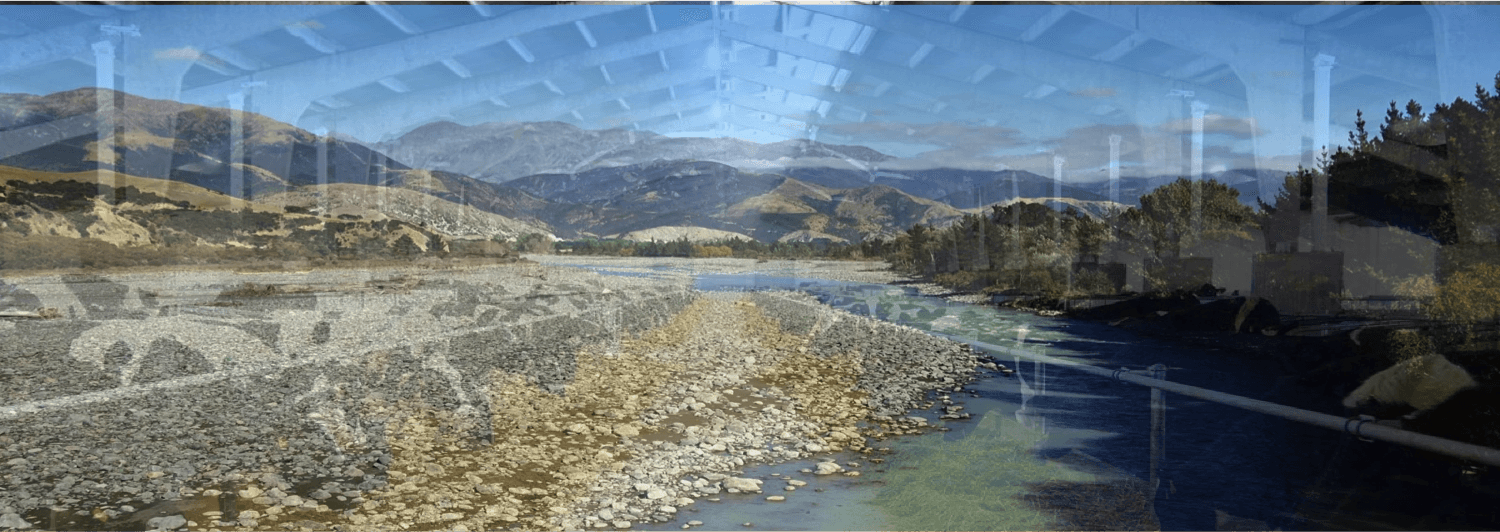
Water scarcity and water pollution are increasingly critical global issues. Water scarcity is driven not only by shortages of water, but also by rendering water unusable through pollution. New Zealand is no exception to these trends.

Demand for water has rapidly increased, and New Zealand now has the highest per capita take of water for agriculture among OECD countries. Regulatory failures have also led to over-allocation of many ground and surface water resources.

Some water sources are also well on the way to being unusable. Over the past few decades, nutrient and sediment emissions into waterways have increased, driven by agricultural and horticultural intensification.

Much is made of the environmental benefits of New Zealand’s “grass-fed” dairy systems. But a major downside of high-intensity outdoor farming systems is the nitrate leaching from animal waste and synthetic fertilisers that contaminates fresh water.

Milk’s grey water footprint

Our new paper focuses on nitrate pollution in Canterbury. We comprehensively quantify, for the first time, the nitrate “grey water” footprint of milk production in the region.

A water footprint (WF) is a measure of the volume of fresh water used to produce a given mass or volume of product (in this case, milk).

It’s made up of both “consumptive” and “degradative” components. The consumption component is rainwater (green WF) and groundwater or surface water (blue WF) used in irrigation.

Grey water is the degradative part – the volume of water needed to dilute the pollutants produced to the extent the receiving water remains above water quality standards.

Most water footprint studies of food systems highlight the consumptive water component and often neglect the degradative component. However, we found Canterbury’s pasture-based systems mean grey water is the biggest component.

Standards and thresholds

Our analysis found the nitrate grey water footprint for Canterbury ranged from 433 to 11,110 litres of water per litre of milk, depending on the water standards applied and their nitrate thresholds.

The 11,110 litre figure is to meet the Australasian guideline level to protect aquatic ecosystems, and the 433 litre figure is to meet current drinking water limits.

(Drinking water having lower limits may seem counter-intuitive, but the limit is based on 70-year-old research that has been superseded without legislation catching up.)

The larger footprint is higher than many estimates for global milk production. It reveals that footprints are very dependent on the inputs (such as feed and fertiliser) included in analyses and water quality standards.

A previous dairy water footprint study in Canterbury gave a grey water footprint of about 400 litres of water to make a litre of milk. However, it used the New Zealand drinking water standard for nitrate-nitrogen (nitrogen present in the form of nitrate ion) of 11.3 milligrams per litre (mg/l).

This vastly underestimates the problem. The Water Footprint Assessment Manual, which sets a global standard, stipulates the concentration of pollutants should meet “prevailing” freshwater quality standards.

In New Zealand, the National Policy Statement for Freshwater Management sets a bottom line for nitrate-nitrogen of 2.4mg/l, much lower than the level for drinking water.

Our analysis – based on prevailing freshwater quality standards – shows the production of one litre of milk in Canterbury requires about 11,000 litres of water to meet the ecosystem health standards.

12-fold reduction needed

The large footprint for milk in Canterbury indicates just how far the capacity of the environment has been overshot. To maintain that level of production and have healthy water would require either 12 times more rainfall in the region or a 12-fold reduction in cows.

Dairy farming at current levels of intensity is clearly unsustainable. We know 85 per cent of waterways in pasture catchments, which make up half the country’s waterways (measured by length), exceed nitrate-nitrogen guideline values for healthy ecosystems.

Evidence is also emerging of the direct human health effects (colon cancer and birth defects) of nitrate in drinking water. Extensive dairy farming in Canterbury is already leading to significant pollution of the region’s groundwater, much of which is used for drinking water.

Current practices also threaten the market perception of the sustainability of New Zealand’s dairy industry and its products. The “grass-fed” marketing line overlooks the huge amounts of fossil-fuel-derived fertiliser used to make the extra grass that supports New Zealand’s very high animal stock rates.

Also overlooked is the palm kernel expeller (PKE) fed directly to cows. New Zealand is the biggest importer globally of this byproduct of palm oil production.

The synthetic fertiliser problem

Growing use of synthetic nitrogen fertiliser has helped dramatically increase nitrate levels and the water pollution problems New Zealand faces.

Until the 1990s, reactive nitrogen (a term used for a variety of nitrogen compounds that support growth) in pastures was predominantly obtained through nitrogen-fixing clover plants. But synthetic nitrogen fertiliser from fossil fuels displaced natural systems and drove intensification.

Globally, synthetic nitrogen production has now eclipsed all that produced by natural systems. This disruption of the nitrogen cycle seriously threatens global human sustainability, not only through its impacts on the climate, but also through localised impacts on fresh water.

The European Science Foundation described the industrial-scale production of synthetic nitrogen as “perhaps the greatest single experiment in global geo-engineering that humans have ever made”.

It is clear that water is becoming a defining political and economic issue. Changing attitudes to its quality and accessibility depends on accurate information – including how water is used to dilute agricultural waste.

This article is republished from The Conversation  under a Creative Commons license by NZ Herald on May 30th 2022. Read the original article by Mike Joy-Senior Researcher; Institute for Governance and Policy Studies, Te Herenga Waka – Victoria University of Wellington.

Stay Updated

Get the latest dairy industry news directly in your feed.

Prefer Us on Google Search

Swipe to continue reading

Previous Article

Next Article