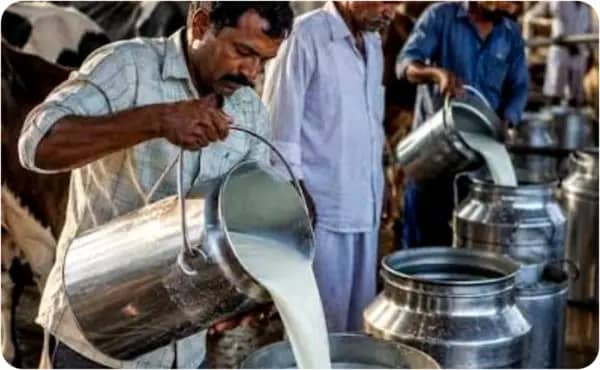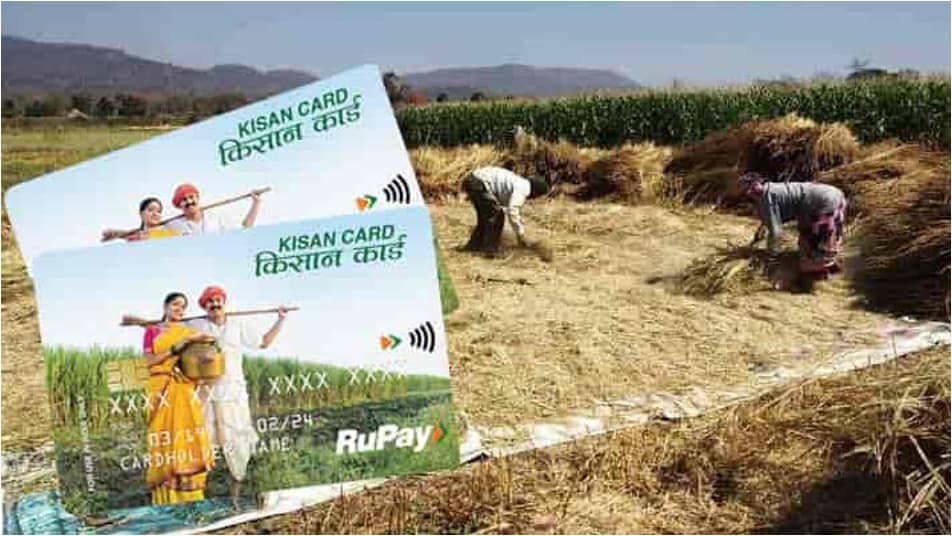
India’s dairy industry, the backbone of its rural economy, is set to receive a significant boost. The recent Union Budget’s expansion of the Kisan Credit Card (KCC) scheme, raising the subsidised short-term loan limit from ₹3 lakh to ₹5 lakh, is a promising move. This initiative, aimed at benefiting nearly 7.7 crore farmers, including those in dairy farming, has been widely regarded as a step in the right direction. The question now is, will this initiative truly uplift dairy farmers and enhance their incomes?
Addressing financial gaps in dairy farming
For years, Indian dairy farmers have struggled with limited access to institutional credit. According to a study published in the Sage journal, about 50 per cent of agricultural households in the country reported outstanding debt. Many small-scale farmers rely on informal lending sources, often falling prey to high-interest rates that lead to financial distress. While the Kisan Credit Card was initially introduced in 1998 to support crop farmers, its extension to animal husbandry, fisheries, and allied activities recognises these sectors’ vital role in rural livelihoods. By increasing the credit limit under the scheme, the government aims to ensure that dairy farmers can access timely and affordable financing for essential needs such as cattle purchase, feed procurement, veterinary care, and infrastructure development.This initiative is particularly significant given that dairy farming requires sustained investment. Unlike seasonal crop farming, milk production is a year-round activity demanding continuous expenditure on fodder, healthcare, and equipment maintenance. The enhanced credit availability through KCC could help farmers manage cash flows more effectively and reduce dependence on exploitative moneylenders.
Strengthening the dairy value chain
India is the world’s largest milk producer, accounting for roughly 23 per cent of global production. The expansion of the KCC scheme to include dairy farmers has the potential to significantly boost the sector’s productivity and, consequently, its contribution to India’s GDP. One of the most significant advantages of improved credit access is its potential to enhance productivity across the dairy value chain. Farmers can invest in high-yield cattle breeds, modernised milking equipment, and cold storage facilities to reduce post-production losses with institutional financing. Fund access can also encourage better livestock management, ensuring that dairy animals receive proper nutrition and healthcare, improving milk yield and quality. The dairy sector is also seeing an increased push towards sustainability. Access to affordable credit can facilitate the adoption of eco-friendly practices such as biogas production from cattle waste, organic fodder cultivation, and water-efficient dairy farming techniques. Farmers can contribute to a more resilient and competitive dairy industry by modernising operations and improving sustainability measures.Challenges in implementation
While expanding KCC to dairy farmers is promising, its practical implementation will determine its success. One key challenge is ensuring that small and marginal farmers can access these credit benefits easily. Many dairy farmers, particularly those operating in remote areas, lack formal documentation such as land ownership records or credit history, which could hinder their ability to secure loans. This becomes more critical in the backdrop of the fact that land-related disputes are both like revenue and civil cases. As per data available on the National Judicial Data Grid (NJDG), civil cases constitute 87.94 lakh cases and criminal cases constitute 222.64 lakh cases out of the total 310.58 lakh cases pending in various district and subordinate courts.Another concern is the risk assessment process for dairy loans. Unlike crop farming, where yields can be estimated relatively easily, dairy farming is susceptible to various risks such as cattle diseases, fluctuating milk prices, and seasonal variations in demand. Financial institutions must develop sector-specific lending frameworks that consider these factors and offer flexible repayment options tailored to the dairy sector’s needs.
Moreover, financial literacy among rural dairy farmers remains low. Many are unaware of the KCC scheme’s benefits or find the application process cumbersome. To address this, government agencies and dairy cooperatives must collaborate to educate farmers about loan application procedures, interest subvention benefits, and repayment terms.
The role of digital financial inclusion
Digital financial inclusion initiatives can play a crucial role in streamlining access to credit. Reports1 from organisations like the National Bank for Agriculture and Rural Development (NABARD) consistently emphasise the need for increased financial literacy among rural populations. With over 350 million mobile internet users in rural areas, India has become a hotbed for mobile financial services.2 Successful initiatives like the Jan Dhan Yojana (opening bank accounts) and the push for digital banking units (DBUs) are expanding access to financial services among agricultural areas3. With the growing penetration of mobile banking and fintech solutions, dairy farmers can be more efficiently integrated into the formal banking system. Mobile-based loan applications, digital KCC renewals, and real-time transaction tracking can reduce paperwork and eliminate intermediaries who often exploit farmers.The government has already initiated several digital transformation projects in agriculture and allied sectors, and integrating KCC benefits into mobile platforms could further enhance credit accessibility. Additionally, partnerships between banks, dairy cooperatives, and fintech firms can help develop farmer-friendly digital lending platforms that simplify loan disbursal and repayment processes.
A step in the right direction
Including dairy farmers in the Kisan Credit Card scheme is undeniably a positive step toward fostering financial resilience in India’s rural economy. By providing accessible and affordable credit, the initiative has the potential to empower millions of farmers, enabling them to scale their operations, invest in quality improvements, and contribute more effectively to the nation’s growing dairy industry.However, for this initiative to yield tangible results, the government must ensure seamless execution. Simplifying the loan application process, enhancing financial literacy, and leveraging digital banking solutions are critical to ensuring that the benefits reach those who need them most. Additionally, continuous policy support, risk mitigation mechanisms, and cooperative engagement will be key to making the KCC expansion a transformative force for India’s dairy sector.
The success of this initiative will ultimately depend on how effectively it is implemented on the ground. If executed well, it could mark a significant milestone in bridging the credit gap for dairy farmers, improving productivity, and boosting rural incomes—making dairy farming a more sustainable and profitable venture in the long run.
Source : Dairynews7x7 MArch 30th 2025 The Hindu Businessline By Kishore Indukuri