Latest Blogs
See More
Indian Dairy News


DairyNews7x7
Global Dairy News

DairyNews7x7
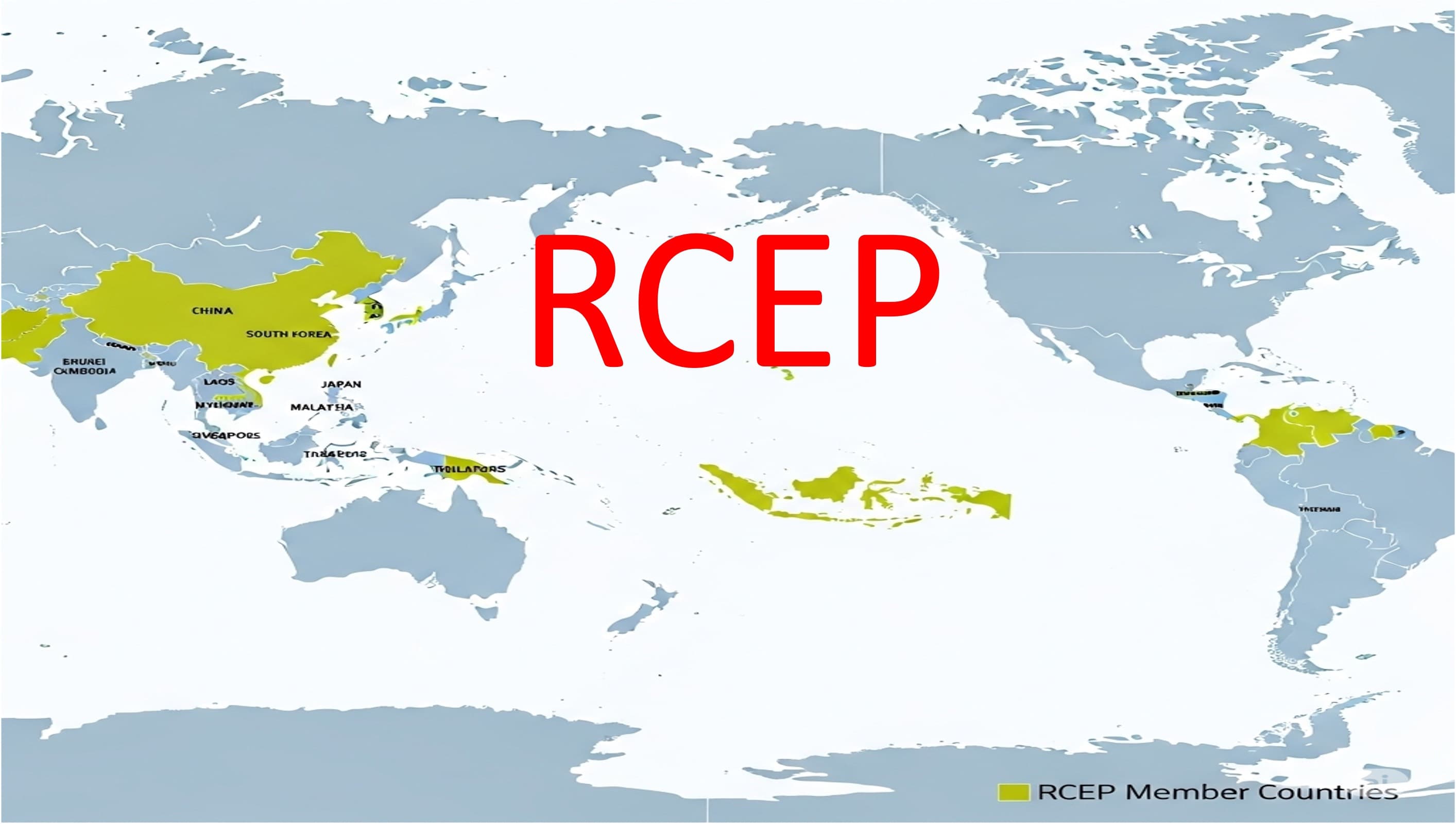
India’s last-minute decision in November 2019 to withdraw from joining the Regional Comprehensive Economic Partnership (RCEP), a mega-regional pact and the most expansive regional trade agreement that India had ever negotiated, was triggered by a belated rethink in New Delhi policy circles.
Coming amid a chorus of protests from stakeholders, the most potent catalyst that proved instrumental to this pivot by the NDA government were several thousand handwritten letters posted by women who were part of cooperative organisations, a large majority of them from dairy cooperatives of Gujarat. In these similarly-worded letters, the women from the cooperatives flagged concerns about the potentially deleterious impact of the deal on the agri sector and their respective livelihoods. All these were mailed to the post box in South Block, with the sheer volumes of the incoming letters serving to effectively amplify the concerns that was already resonating in policy circles regarding the ominous presence of China in the grouping and the potential for cheap Chinese goods to flood India’s markets and harm domestic industries, especially in sectors like agri, dairy and steel. Just weeks later, India conveyed its decision to pull out.
The build-up to RCEP, and the last minute jettisoning of the deal by New Delhi, seems to be coming full circle. As the India-US trade talks head into a wall with the 50 per cent tariff looming in the horizon, the dairy and agri sectors, and the issue of GM crops, are proving to be red lines that New Delhi is clear it will not breach, given the political cost of this decision. While the negotiations for the deal have been constructive and there was a clear sense by end-June in New Delhi that an agreement was close, events have spiralled into a tailspin since then. “Diplomatic and non-trade issues” that cropped up have effectively pushed the deal aground, as reported by The Indian Express. Meanwhile US President Donald Trump has ratcheted up the pressure, primarily because India appears to be staying firm on issues rather than caving in, as a number of other countries have done to bag a headline tariff deal. While that frustration in Washington DC has played a part in the talks heading downhill, diplomatic issues such as India’s rebuttal of some claims made by Trump have contributed to the downward spiral in relations.
Now with the 50 per cent tariffs on India’s exports to the US a reality, at least as things stand today, the real cost of the tariff impact from India’s perspective can be tangibly calculated. The uncertainty so far was proving to be a bigger problem than the tariffs themselves. More than the loss of competitiveness, the high tariffs could dent the positioning of India as a viable China plus-one-alternative, which has already helped New Delhi emerge as a competitive player in high-value assembly such as mobile handsets.
Whenever negotiations have stalled with other countries too, President Trump tends to escalate matters as part of a strategy to seek leverage. Other than China, most other countries including the EU, South Korea and Japan had rushed in to wrap up deals within days.
Clearly, a decision has been taken in New Delhi to weather the tariff impact, while continuing backchannel negotiations. Also, these secondary tariffs, while being imposed under the guise of Russian oil purchases funding the Ukraine war, seem to be less about Russia and more about India. While some are reading this as Trump’s attempts to corner Russia, it is clear that a genuine attempt to throttle Moscow would have warranted a stronger action on China, the biggest buyer of Russian oil. Ironic still is the fact that Europe continues to buy non-coal minerals from Russia while the US too has stepped up its purchase of uranium and palladium from that country.
India has already started a graded tapering off of Russian oil since June. That is not particularly difficult from an economic standpoint, especially at this point, given that the gap between Brent crude and Russian Urals grade, which used to be $30 in 2022, is now down to around $5 per barrel. The effective landed price adjusted for shipping and the higher insurance on Russian cargo comes to about $2-3 per barrel. The whole economic impact is perhaps overstated in these current circumstances, and switching back to other grades of crude would be possible. But then there could be a price surge in Opec oil, if India were to substitute the entire 1.7 million barrels per day that it currently buys from Russia to West Asian crude. That could impact everybody, including America.
Given India’s hard redlines on agri trade and dairy, New Delhi was prepared to offer something in return. Like Japan did with concessions on rice, even as it walked away with a favourable deal for its auto sector. India has indicated its willingness to offer concessions on high-value purchases that the US is keen to package as part of its tariff-setting exercise and has said it is open to purchasing three big-ticket items from the US: defence equipment, natural gas imports and nuclear reactors. On specific sectors such as auto, India has communicated its openness to a quota system that progressively opens up market access in that sector over a span of multiple years, like it did in the UK deal signed last week.
Source : Dairynews7x7 Aug 11th 2025 Read full story here