Logo
IndianGlobalBlogsPublicationsPodcastsMarketAboutContact
Logo
IndianGlobalBlogsPublicationsPodcasts
7News
Godrej to Invest ₹150 Crore to Expand Dairy Plant in TelanganaNDDB, Banas Dairy & Suzuki Partner on Big Biogas Push in GujaratDairy giants rush to recall infant formula after contamination scareInside the World’s Giant 230,000 Cow Mega Farm in ChinaIndia’s First Camel Milk Plant Boosts Niche Dairy Growth

Indian Dairy News

Godrej to Invest ₹150 Crore to Expand Dairy Plant in Telangana
Jan 23, 2026

Godrej to Invest ₹150 Crore to Expand Dairy Plant in Telangana

The Godrej Group has announced a ₹150 crore investment to expand its dairy processing operations in Hyderabad, a major move aimed at strengthening its presence in southern India’s dairy sector and mee...Read More

NDDB, Banas Dairy & Suzuki Partner on Big Biogas Push in Gujarat
Jan 23, 2026

NDDB, Banas Dairy & Suzuki Partner on Big Biogas Push in Gujarat

A tripartite agreement has been signed between the National Dairy Development Board (NDDB), Banas Milk Union (Banas Dairy) and Suzuki Research & Development Institute India (SRDI) to set up a 75 MTPD...Read More

India’s First Camel Milk Plant Boosts Niche Dairy Growth
Jan 22, 2026

India’s First Camel Milk Plant Boosts Niche Dairy Growth

Sarhad Dairy — the Kutch District Cooperative Milk Producers’ Union Ltd. — has further strengthened India’s dairy landscape with its camel milk processing initiative, operating the country’s first cam...Read More

DairyNews7x7
Advertisement

Latest Blogs

See More
Two Stocks Powering India's Rs 1-Lakh-Crore Protein Boom
Jan 21, 2026

Two Stocks Powering India's Rs 1-Lakh-Crore Protein Boom

Protein consumption in India is moving beyond supplements and fitness products into daily food choices. Awareness around nutrition has increased, but intake remains uneven. Parag Milk Foods Ltd. estim...Read More

5 Year Budget Plan to Make Indian Dairy Global Leader in 2047
Jan 15, 2026

5 Year Budget Plan to Make Indian Dairy Global Leader in 2047

I recently moderated a key session on India Dairy Vision 2047 at the TPCI's International Dairy Processing Conference 2026, gaining valuable insights from panellists. This led to me developing policy...Read More

From Forecast to Fact: 2025 Lessons, 2026 Dairy Outlook
Jan 01, 2026

From Forecast to Fact: 2025 Lessons, 2026 Dairy Outlook

As we step into 2026, it is worth pausing to reflect on how the Indian dairy sector navigated the challenges of 2025 and how closely reality tracked the forecasts I outlined in the first blog of last...Read More

India–NZ Dairy FTA: Safeguards or Silent Slippages?
Dec 26, 2025

India–NZ Dairy FTA: Safeguards or Silent Slippages?

The recently concluded India–New Zealand Free Trade Agreement (FTA) marks an important milestone in bilateral trade, while carefully ring-fencing India’s sensitive dairy sector. Under the agreement, c...Read More

Global Dairy News

Dairy giants rush to recall infant formula after contamination scare
Jan 23, 2026

Dairy giants rush to recall infant formula after contamination scare

Three of the world's largest dairy companies are recalling and blocking batches of infant milk formula after a contamination scare that began with Nestle  widened on Wednesday to French groups Danone...Read More

Inside the World’s Giant 230,000 Cow Mega Farm in China
Jan 22, 2026

Inside the World’s Giant 230,000 Cow Mega Farm in China

One of the world’s largest concentrated dairy operations — **China Modern Dairy’s mega farm in Anhui Province, China — houses more than 230,000 dairy cows under a single industrial system, making it o...Read More

GDT 396: Dairy Prices Rally Again After Nine Drops
Jan 20, 2026

GDT 396: Dairy Prices Rally Again After Nine Drops

The 396th Global Dairy Trade (GDT) auction — the second dairy trading event of 2026 — delivered a second consecutive rise in global dairy prices, with the GDT Price Index increasing by 1.5 % to 1,088...Read More

DairyNews7x7
Advertisement
Dairy News 7x7

Your trusted source for all the latest dairy industry news, market insights, and trending topics.

FOLLOW US
CATEGORIES
  • Global News
  • Indian News
  • Blogs
  • Publications
  • Podcasts
SUBSCRIBE TO OUR NEWSLETTER

Stay informed with the latest updates and trending news in the dairy industry.

No spam, unsubscribe at any time

GET IN TOUCH
C-49, C Block, Sector 65,
Noida, UP 201307
+91 7827405029dairynews7x7@gmail.com

© 2026 Dairy News 7x7. All Rights Reserved.

Terms of ServicePrivacy Policy

India’s Dairy Strength and Its Silent Crisis

By DairyNews7x7•Published on December 21, 2025

Globally, annual milk production stands at nearly 966 million tonnes, and India alone contributes close to one-fourth of this volume. In 2023-24, India produced about 239 million tonnes of milk, supported by a high per capita availability of 471 grams per day. Approximately half of this output comes from cow milk, while buffalo milk accounts for nearly 44%, giving India a strong advantage in producing high-fat, high-SNF dairy products. Nearly 65% of the total milk is sold as liquid milk, while value-added products-such as curd, paneer, ghee, cheese, yoghurt and ice cream-have emerged as the fastest-growing segment, now accounting for almost 45% of the diversified product range offered by organised dairies. Yet, despite this impressive growth, almost two-thirds of India’s milk still flows through the unorganised sector, underscoring the crucial need for modern processing plants, testing facilities and quality-control laboratories.

Milk Adulteration: A Persistent and Deepening Public-Health Concern

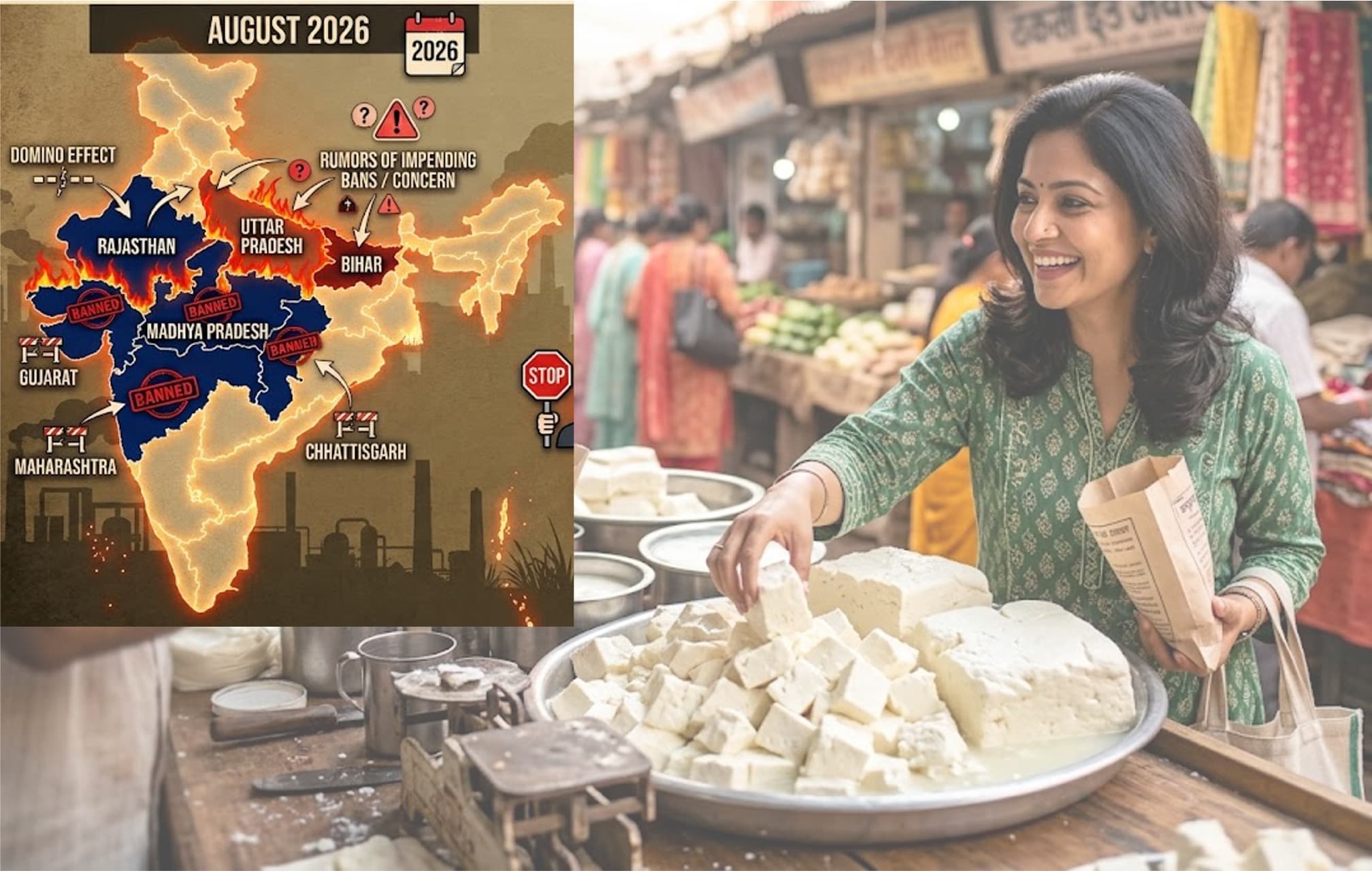
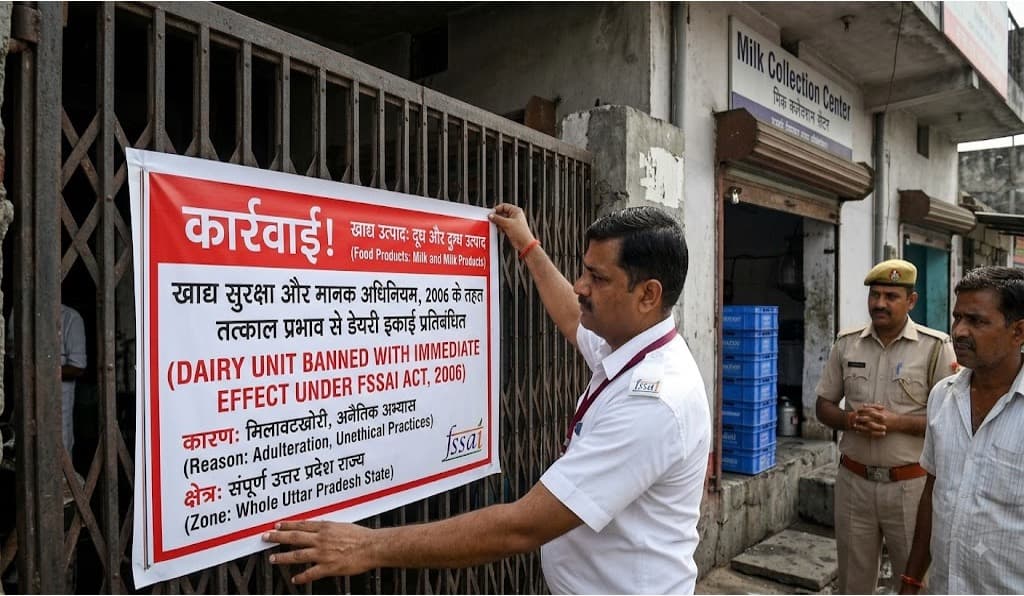
Recent assessments reveal that milk adulteration continues to be a widespread and deeply rooted challenge across India. Several state surveillance reports and national studies indicate that over 65-70% of sampled milk fails to meet food-safety standards, underscoring systemic weaknesses from farm production to retail distribution. Adulteration today is not limited to simple dilution; it increasingly involves multi-ingredient chemical manipulation, making detection more difficult. Common adulterants include added water, starch, maida, glucose, detergents, synthetic surfactants, salt, urea, neutralisers, and bicarbonates. Several states have also reported the use of hydrogen peroxide, formalin, and benzoates to prolong shelf life, especially in hot climates. Heavy metals such as lead, chromium and arsenic have been detected due to contaminated feed and polluted water sources, as noted in multiple State Food Safety Laboratory investigations (2023-24). A particularly alarming trend is the rise of synthetic milk, a chemical mixture made using detergent, urea, vegetable fat emulsions and water. According to The Times of India (2024), synthetic milk rackets were busted across Uttar Pradesh, Rajasthan, Haryana and Madhya Pradesh, with units producing between 2,000 and 10,000 litres per day, especially during festival seasons. Several major incidents across India reveal the scale of adulteration:

430,400 litres of salt-adulterated milk were destroyed in Sangli, Maharashtra after inspections found dangerously high salinity levels.

4900 kg of adulterated paneer made using starch and hardened vegetable fat was seized in Dhanbad. 4A massive ?250-crore fake ghee scam linked to the Tirumala Tirupati Devasthanams (TTD), in which the implicated dairy had not procured any milk or butter, was uncovered by investigators. 4Tankers transporting milk in northern India were found containing urea concentrations up to three times the permissible limit, according to FSSAI regional enforcement reports (2024). 4In Rajasthan and Madhya Pradesh, police uncovered multiple units manufacturing synthetic milk and khoa, especially ahead of Holi and Diwali (Rajasthan Food Safety Department Bulletins, 2023-24).

These cases highlight not only intentional adulteration for profit but also adulteration caused by lack of cold-chain infrastructure, spoilage prevention measures, and price fluctuations. To combat the issue, state agencies have deployed mobile milk-testing vans, introduced lactometer-based checks, mandated vendor registration, strengthened identity verification at collection points, and increased penalties for offenders. Despite these efforts, the fact that nearly two-thirds of India’s milk flows through the unorganised sector continues to make monitoring difficult. Experts stress that addressing adulteration requires strengthening testing laboratories, wider availability of FTIR analysers, adoption of portable IR biosensors, digital traceability systems, and enhanced training for farmers and small-scale vendors. Public awareness campaigns are increasingly recommended as a complementary approach to enforcement.

Consumption Patterns and Expansion of Value-Added Dairy

India’s milk utilisation pattern reflects a large traditional consumption base coupled with strong demand for modern dairy foods. Roughly 50% of domestically marketed milk is consumed as fluid milk, while around 35% is used for traditional products such as curd, lassi, paneer, khoa and Indian sweets. The remaining 15% goes into industrial dairy products including butter, ghee, skim milk powder (SMP), whole milk powder (WMP), whey, casein and ice cream.

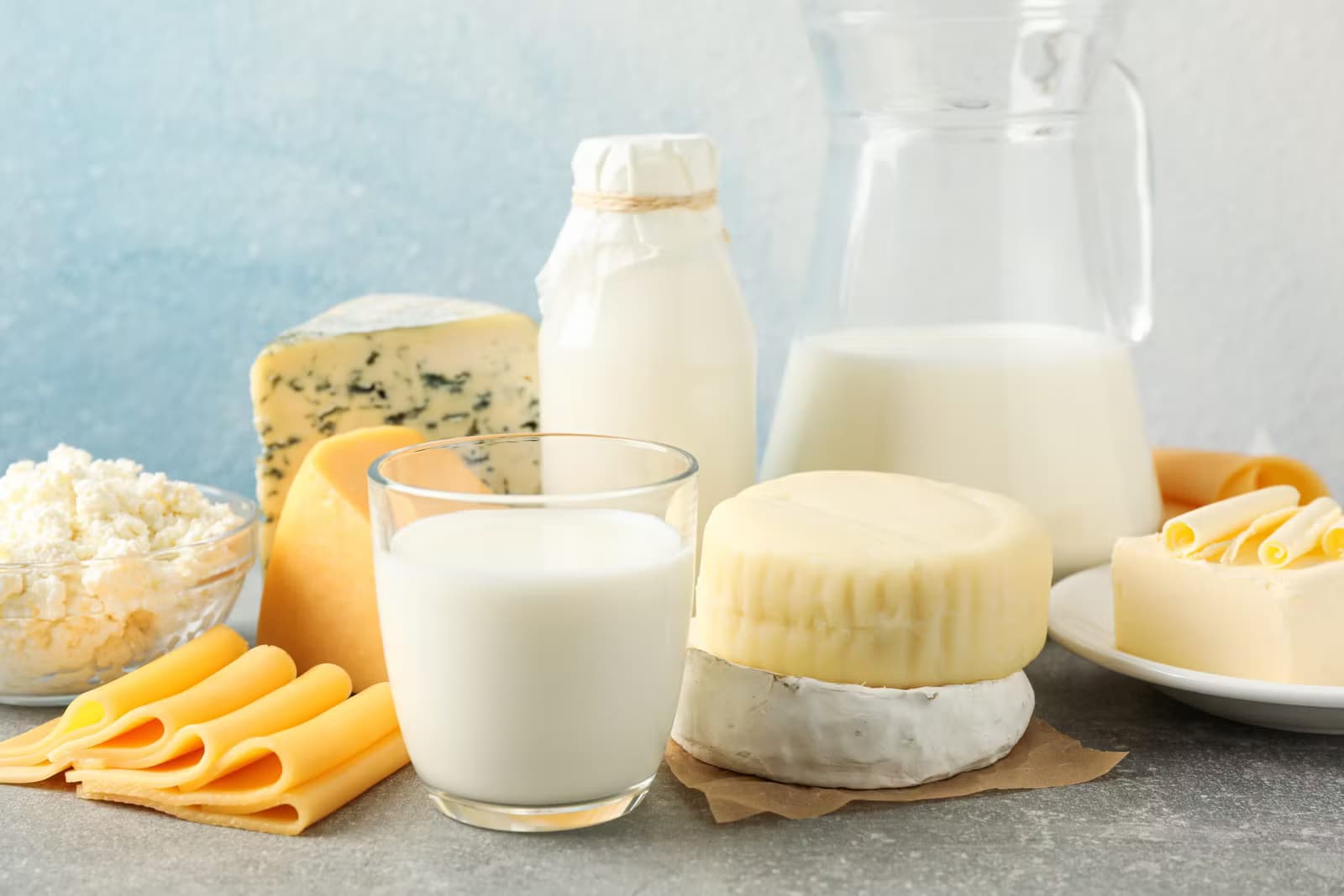
Industry analyses show similar trends: about 65% of production is sold as liquid milk, while around 8% each comes from ghee and curd/yoghurt, and approximately 5% from infant foods. In recent years, value-added dairy products (VAPs) have recorded rapid growth rates of 16-18%, with their share in organised dairy portfolios rising to nearly 45%. This expansion spans traditional dairy items such as ghee, makkhan, shrikhand, paneer and dahi, as well as western-style products like cheese, mozzarella, spreads, ice cream and frozen desserts. Functional dairy beverages, probiotic drinks, whey-based beverages, high-protein milks and reduced-sugar variants are also gaining popularity. Emerging niches-such as organic dairy, A2 milk, artisanal cheeses, goat/camel milk products and lactose-free lines-are reshaping consumer preferences. Economically, the Indian dairy market was valued at ?21.3 lakh crore in 2025 and is projected to nearly triple by 2034. In global terms, the dairy market was valued at USD 135.3 billion in 2024 and is expected to exceed USD 274 billion by 2032. Dairy contributes nearly 3% to India’s Gross Value Added (GVA) and almost 5% of its GDP, while livestock as a whole contributes over 30% to agricultural GVA. India is also strengthening its presence in global dairy exports, particularly in SMP, ghee, butter, cheese, whey and casein, with SMP alone making up nearly 30% of total export value.

Sectoral Shifts, Climate Challenges and Technological Transformation

Structurally, the sector is undergoing a major shift from commodity liquid milk toward higher-margin value-added products. Several large private dairies have strategically reduced or exited the low-margin fluid milk business to focus exclusively on products such as cheese, curd, paneer, desserts, and flavoured beverages. This mirrors a broader trend in the organised sector, supported by new investments in automated processing plants, chilling centres, cold-chain systems and quality-assurance infrastructure.

However, climate change poses a growing challenge. Extreme heatwaves can reduce milk output by nearly 10%, and even one hour of high wet-bulb temperature above 26°C can significantly depress daily yield. South Asia, particularly India, is highly vulnerable to these temperature fluctuations. As a result, there is increasing emphasis on heat-tolerant breeds, improved housing designs, cooling measures within dairies, and climate-smart feeding practices.

Technological innovation is reshaping dairy production as well. Advanced digital systems-such as AI-enabled estrus-detection tools, IoT-based herd monitoring, automated milking parlours, and predictive health analytics-are becoming common in leading farms. For quality assurance, modern laboratories now rely on FTIR analysers, rapid adulteration kits, and tests for antibiotic residues, aflatoxin M1 and chemical contaminants. Policy support through incentives, food-safety regulations, GST reforms, and national disease-control programmes (such as FMD and Brucellosis eradication) further strengthens the sector.

Rising Interest in Species-Specific Functional Milks

Globally, cow milk contributes nearly 80-81% of total milk production, while buffalo, goat and sheep milk account for most of the remaining share. In India, cow and buffalo milk together contribute more than 95% of national output. Within cow milk, crossbred and exotic cows contribute around 33%, while indigenous and non-descript breeds account for roughly 21%. Buffaloes, particularly indigenous types, contribute nearly 45%, and goat milk adds about 3.4%. Scientific and commercial interest is rising in functional and specialty milks. A2 cow milk is gaining popularity due to reported better digestibility. Buffalo milk, richer in fat and minerals, is widely recognised as a superior base for probiotic cultures, functional yoghurts and premium dairy foods. Goat milk is valued for its anti-inflammatory, antioxidant, antimicrobial and immune-modulating components. Sheep milk, with its high fat and protein levels, is increasingly used for nutraceuticals, specialty cheeses, and even skincare applications. Camel milk has shown potential benefits in conditions such as diabetes, metabolic syndrome, and developmental disorders, while donkey milk is emerging as an ingredient for hypoallergenic infant formulas and cosmetic products.

Conclusion

India’s dairy sector is expanding rapidly in scale, diversity and technological sophistication. However, the rising threat of milk adulteration underscores the urgent need for stronger quality-control systems, improved cold-chain infrastructure, farmer training, and widespread adoption of rapid testing technologies. As the sector continues to evolve, the future of Indian dairy will be defined not only by production volumes but also by the nation’s ability to ensure that every litre of milk is pure, safe and nutritionally reliable for consumers. (The writer Dr. Alka Parmar is Assistant Professor (Dairy chemistry), Faculty of Dairy Technology, SKUAST-Jammu)

Source : Dairynews7x7 Dec 21st 2025 first published un Statetimes

Swipe to continue reading

Previous Article

Next Article